

_1745823981883.webp)

The Complete Guide to Membrane Bioreactor MBR in 2026
The membrane/membrane-mbr">membrane bioreactor MBR technology is the next big thing in improved wastewater treatment. It combines biological treatment with membrane filtration to make very high-quality effluent. This complete guide talks about all the important things you need to know about MBR systems in 2026, from their basic ideas to how they can be used in different fields. Knowing about MBR technology can change how you treat and reuse water, no matter if you're a plant manager, environmental expert, or facility owner.
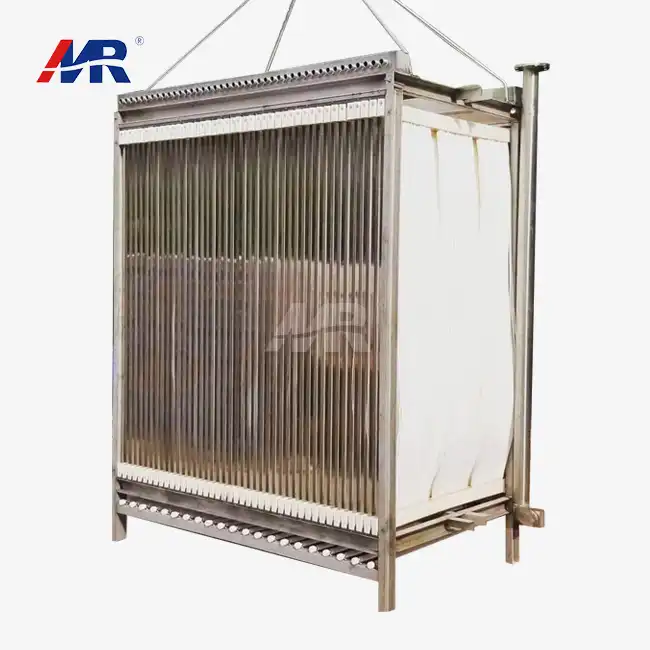
What is a Membrane Bioreactor (MBR)?
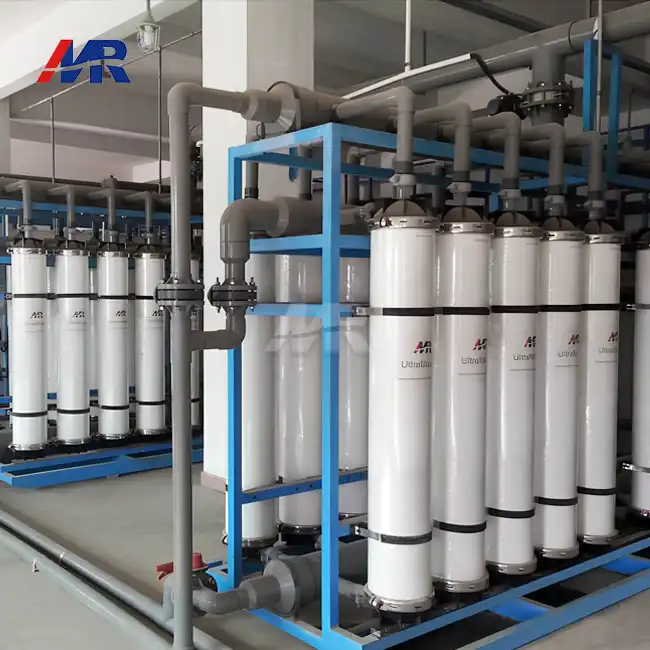
Activated sludge treatment and ultrafiltration or microfiltration membranes are both part of a membrane bioreactor, which is a small machine. In this new method, membrane modules are used instead of standard clarifiers to physically separate clean water from biomass and suspended solids.
Biological treatment and membrane filtering are two tried-and-true methods that are used together to make the membrane bioreactor MBR technology work. Microorganisms in the bioreactor tank use aerobic processes to break down organic pollution. Membranes with pores that range in size from 0.01 to 0.4 microns make sure that all bacteria, viruses, and suspended particles are removed.
Normal systems depend on gravity to settle the sludge, but membrane bioreactors keep the sludge concentration levels higher. This better climate encourages better biological treatment while making effluent that is crystal clear and can be used in many different ways.
How MBR Systems Work: The Complete Process
Figuring out how the MBR works helps people who make decisions understand how useful the technology is. The process starts when garbage goes into an equalization tank. This tank smooths out changes in flow and makes sure the system works consistently. Then, the raw wastewater goes to the biological treatment zone, which has oxygen dissolved in the water to help aerobic bacteria grow. These good bacteria break down organic matter, which lowers the need for biochemical oxygen and gets rid of nutrients like nitrogen and phosphorus through specific biological processes.
After being held in biological tanks for 6 to 8 hours, the mixed liquor goes through membrane filtration. Ultrafiltration membranes keep cleaned water separate from activated sludge and other things that are suspended in the water. The solids stay in the bioreactor while clean permeate flows through. Newer membrane bioreactor MBR systems have areas without oxygen where bacteria can change nitrates into nitrogen gas, which is safe. Continuous nitrification-denitrification processes help remove nutrients best when there is internal recirculation between aerobic and anoxic zones.
Regular backwashing and chemical cleaning are part of membrane cleaning procedures that keep the system working well. Key factors like transmembrane pressure, permeate flux, and dissolved oxygen levels are monitored by automated controls.
Key Advantages of MBR Technology
Traditional ways of treating illnesses can't compare to the benefits of membrane bioreactor systems. The main benefit is better effluent quality, as treated water meets strict standards for disposal and reuse obligations.
MBR technology is great for upgrading facilities and living in cities because it saves space. Because it has a small footprint, it doesn't need additional clarifiers and is 30–50% smaller than traditional systems. This plan saves space and works especially well in industrial buildings that don't have a lot of room. Higher sludge concentration in MBR systems makes it easier to control the process and improves the efficiency of cleaning. Longer sludge holding time lets slow-growing nitrifying bacteria build strong populations, which makes nitrogen removal work better.
Less sludge means less waste and less damage to the earth. Most of the time, membrane bioreactor MBR systems make 50–80% less extra waste than traditional activated sludge systems. This saves a lot of money on operations. Automation cuts down on the amount of work that needs to be done while still ensuring steady performance. Programmable logic controllers keep an eye on important factors and change how the system works on their own, so you don't need a team of highly skilled technicians.
Industrial Applications and Use Cases
Membrane bioreactor technology is being used more and more in manufacturing to treat complex wastewater streams. MBR systems are used in food and drink plants to deal with strong organic waste and recover water for uses other than drinking.
- Pharmaceutical and biotechnology businesses depend on MBR treatment to meet strict rules about how to discharge waste and handle difficult waste streams that contain active pharmaceutical ingredients. The technology's ability to keep certain microorganisms alive makes the biodegradation of complicated organic materials better.
- Municipal wastewater treatment plants use MBR systems to increase their output and improve the quality of their effluent. The technology helps water recovery programs in areas that are having trouble getting enough water while also allowing people to follow changing environmental rules.
- Membrane bioreactor MBR pretreatment before advanced recovery methods is helpful for the chemical and electroplating industries. Biological treatment lowers the organic load, and membrane filtering gets rid of solids that are suspended in the fluid and could damage equipment further down the line.
- Hotels, resorts, and business buildings use small MBR systems to treat and reuse wastewater on-site. The technology doesn't make a lot of noise, so it can be installed near places where people are.
MBR Design Considerations and Sizing
To get the right system size, you need to carefully look at the types of wastewater, your cleaning goals, and the rules in your area. Flow rates, organic loading, and nutrient amounts affect how much membrane area is needed and how much bioreactor volume is calculated.
The choice of membrane affects both efficiency and costs. Hollow fiber membranes have a high packing density and clean well, while flat sheet configurations make it easy to do maintenance and keep fouling under control. Operating flux rates are usually between 10 and 25 LMH (liters per square meter per hour), but this can change based on the quality of the feedwater and the chance of fouling. Consistent flow rates make membranes last longer, but they need to cover more area.
Energy use in membrane bioreactor MBR systems ranges from 0.5 to 0.8 kWh per cubic meter of cleaned water, depending on how much aeration is needed, the type of membrane used, and how much pumping is needed. Optimization techniques can keep treatment performance high while lowering energy costs. When a facility's needs change, modular forms let it add more space. Standardized membrane modules make upkeep easier and cut down on the need to keep spare parts on hand.
Operating and Maintenance Best Practices
For an MBR to work well, it needs to be properly monitored and have preventative maintenance plans in place. Cleaning the membrane regularly stops fouling that can't be fixed and keeps the permeate flux within the design limits.
- Controlling fouling starts with good preparation that gets rid of big solids and lowers membrane loading. Membranes are kept safe from shock loads and rough materials by bar screens, grit removal tanks, and equilibrium tanks.
- Biological process tuning makes sure that the treatment works well and doesn't cause too much stress on the membranes. Keeping the pH level, dissolved oxygen levels, and nutrient balance in check is important for keeping microbial groups healthy.
- Protocols for cleaning membranes include regular backwashing cycles and chemical cleaning with approved cleaners every so often. How often you clean depends on the characteristics of the feedwater and the working conditions.
- Analyzing data to improve a process helps find trends and ways to make it better. Modern control systems gather information about how things are working, which helps with planned repairs and making things work better.
Economic Considerations and ROI Analysis
The initial costs of membrane bioreactor MBR systems are usually higher than those of other treatment choices, but membrane technology usually has better lifecycle economics. Less space needed can help cover higher equipment costs by lowering the cost of building roads and other infrastructure.
Operating costs include things like the amount of energy used, the cost of replacing membranes, the use of chemicals, and the amount of work needed. Designs that use less energy and processes that work at their best keep costs down over time. The business benefits of reusing water include using less fresh water and possibly making money from selling treated wastewater. Industries that use a lot of water can save a lot of money by recovering water using MBRs.
As wastewater standards get stricter, regulatory compliance value becomes more important. MBR systems protect against future changes to regulations and keep you from having to pay fines. The most expensive part of maintenance is replacing the membrane, which should be done every 5 to 7 years, based on how it is used. When operated and maintained correctly, membranes last longer and don't need to be replaced as often.
Future Trends and Innovations in MBR Technology
New membrane materials offer better resistance to fouling and longer service life. Advanced polymer chemistries and surface changes make cleaning easier while keeping the permeate flux rates high. Adding improved oxidation processes makes it easier to get rid of small contaminants and new pollutants. Combined MBR-ozone or MBR-UV systems get rid of drug leftovers and chemicals that mess with hormones. Smart monitoring systems use AI and machine learning to make processes run more smoothly and predict when maintenance is needed. These technologies make proactive management strategies possible, which raises the level of dependability and lowers costs.
Anaerobic membrane bioreactor MBR designs can treat waste in a way that makes energy by recovering biogas. These systems make green energy from organic waste streams while also using less energy. Adding resource recovery turns treating wastewater from a cost center into a process that makes money. Combined systems take nutrients, energy, and clean water from trash streams and use them again.
Conclusion
The membrane bioreactor technology keeps getting better and better as the best way to treat pollution and reuse water. MBR systems are perfect for businesses that don't have a lot of space or strict discharge rules because they produce high-quality wastewater in a small package and can be used in a variety of ways. As environmental rules get stricter and the world's water shortage gets worse, MBR technology has been shown to be a sustainable way to handle water. Investing in membrane bioreactor systems now sets businesses up for long-term success and helps them reach their goals of protecting the environment and saving resources.
Choose Morui as Your Trusted MBR Solution Partner
Guangdong Morui Environmental Technology stands ready to deliver cutting-edge membrane bioreactor solutions tailored to your specific requirements. Our experienced team of 20 engineers and comprehensive manufacturing capabilities ensure reliable MBR system performance across diverse applications. Contact benson@guangdongmorui.com today to discuss your wastewater treatment challenges with a leading membrane bioreactor MBR manufacturer.
References
1. Judd, S. (2024). The MBR Book: Principles and Applications of Membrane Bioreactors for Water and Wastewater Treatment (3rd Edition). Butterworth-Heinemann.
2. Kraume, M. & Drews, A. (2023). "Membrane Bioreactors in Waste Water Treatment – Status and Trends." Chemical Engineering & Technology, 46(8), 1321-1335.
3. Lin, H., Peng, W., Zhang, M., Chen, J., Hong, H., & Zhang, Y. (2024). "A Review on Anaerobic Membrane Bioreactors: Applications, Membrane Fouling and Future Perspectives." Desalination, 548, 116285.
4. Ng, A.N.L. & Kim, A.S. (2023). Membrane Bioreactor Technology: Design and Implementation. IWA Publishing.
5. Robles, A., Ruano, M.V., Charfi, A., Lesage, G., Heran, M., Harmand, J., & Seco, A. (2024). "A Review of the Main Membrane Bioreactor Configurations for Municipal Wastewater Treatment." Reviews in Environmental Science and Bio/Technology, 23, 245-278.
6. Yang, W., Cicek, N., & Ilg, J. (2023). "State-of-the-Art Membrane Bioreactors: Worldwide Research and Commercial Applications in North America." Journal of Membrane Science, 681, 121772.
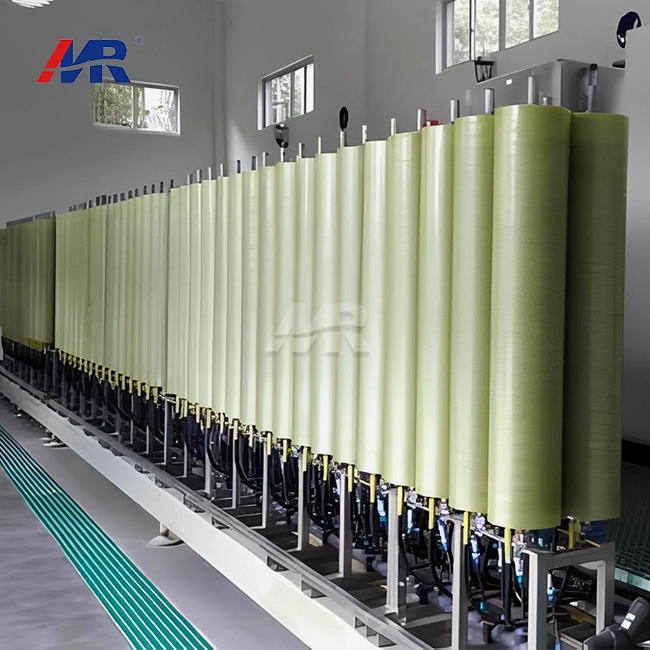 VIEW MORELeachate DTRO Treatment Equipment
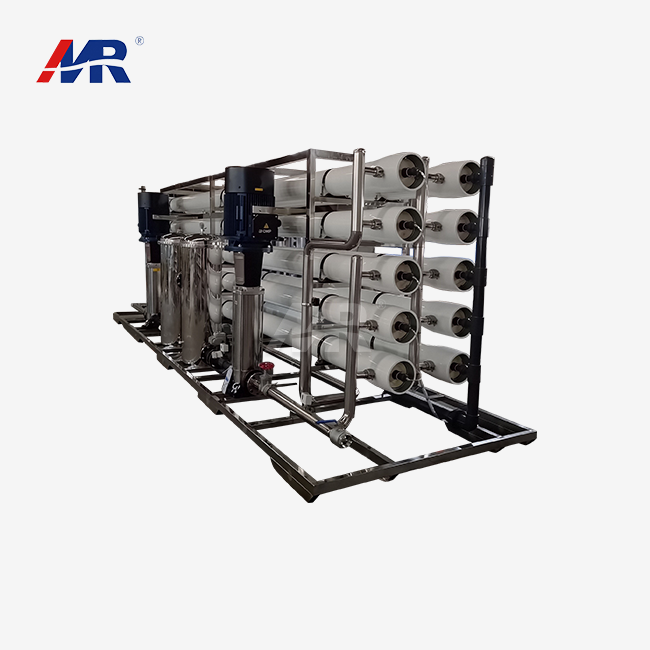 VIEW MORE2 stage reverse osmosis system
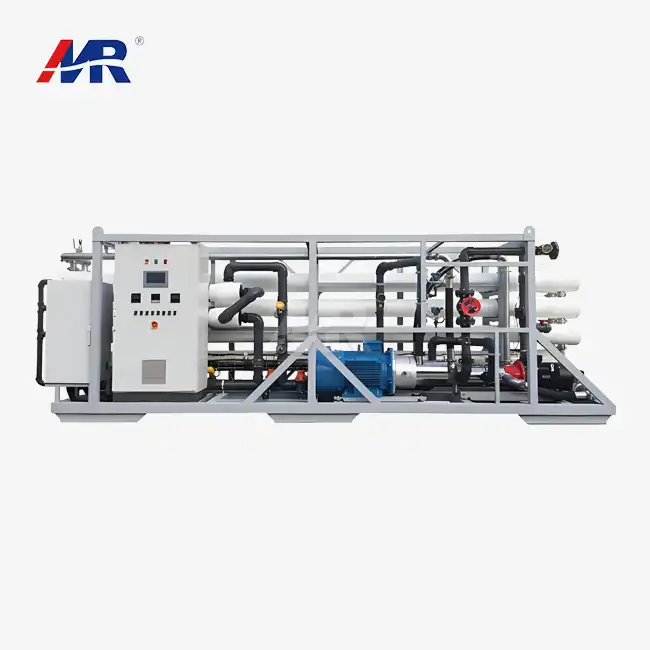 VIEW MORE15m3/hour seawater desalination system
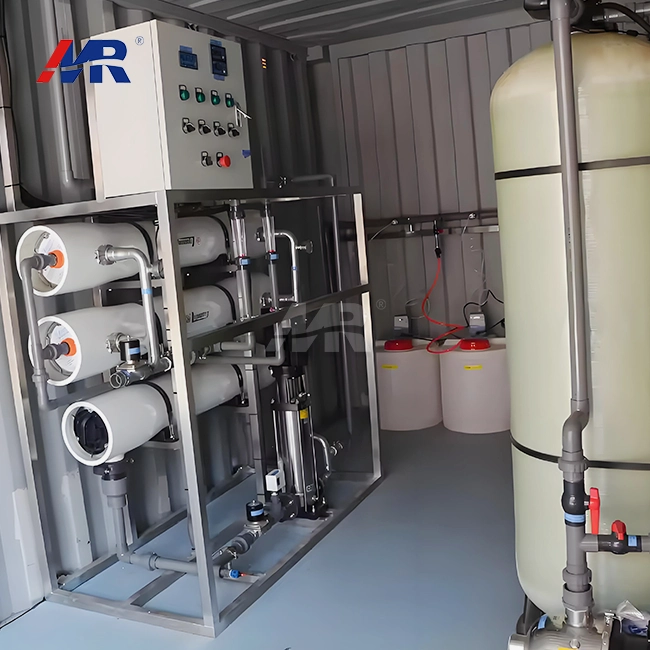 VIEW MOREcontainerized reverse osmosis system
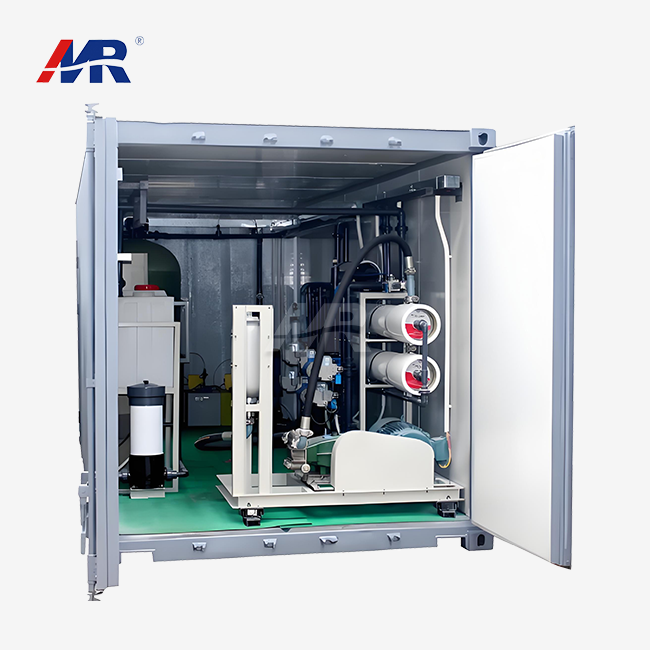 VIEW MOREcontainerized UF+RO system
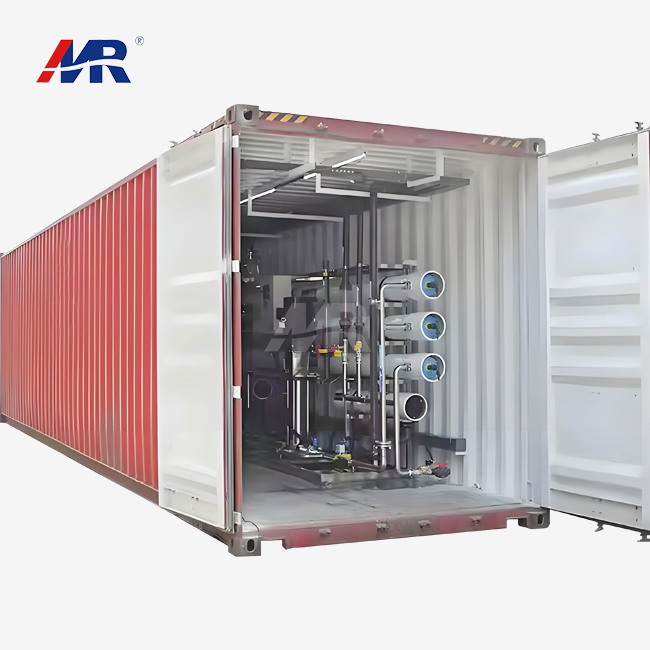 VIEW MOREContainerized Reverse Osmosis Systems
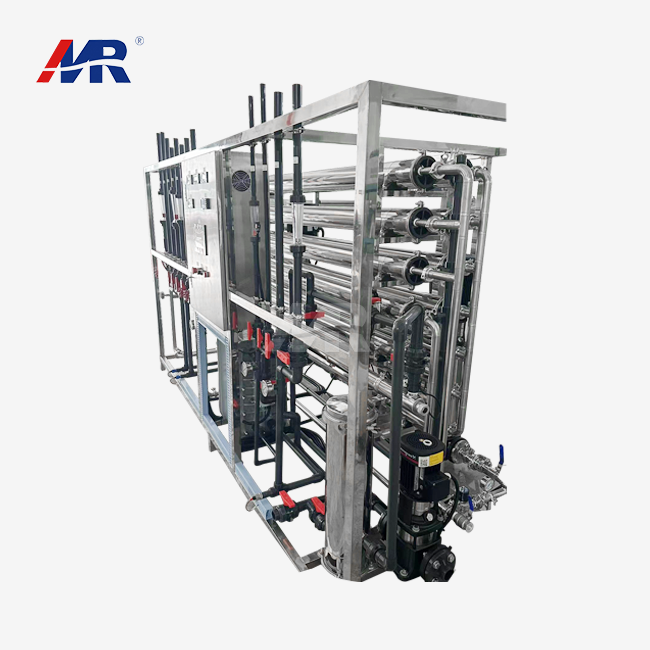 VIEW MOREedi water plant
 VIEW MORE200m3/hour ultrafiltration equipment
