_1745823981883.webp)

European cities are under more and more pressure to improve their wastewater treatment systems so that they can meet strict environmental rules while also dealing with expanding populations in cities. The EU Water Framework Directive's stricter discharge standards and limited area make it hard for traditional wastewater treatment systems to perform. membrane/membrane-bioreactor-mbr">Membrane bioreactor (MBR) technology is a groundbreaking approach that combines biological treatment with modern membrane filtration. This allows European towns to have better water quality while leaving a smaller environmental imprint. This new method combines activated sludge processes with microfiltration membranes to make treated effluent that always meets or exceeds European discharge regulations. It also takes up much less space than traditional treatment plants.

Understanding Membrane Bioreactor Technology in Wastewater Treatment
Membrane bioreactor systems are a big step forward in wastewater treatment technology. They use the established efficacy of activated sludge processes and the accuracy of membrane filtration. This mixed process removes pollutants better than any other method.
Core Components and Operating Principles
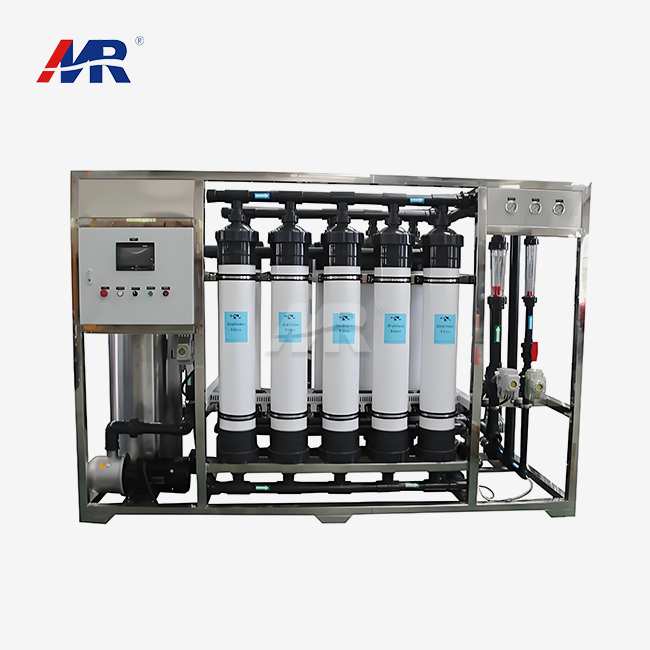
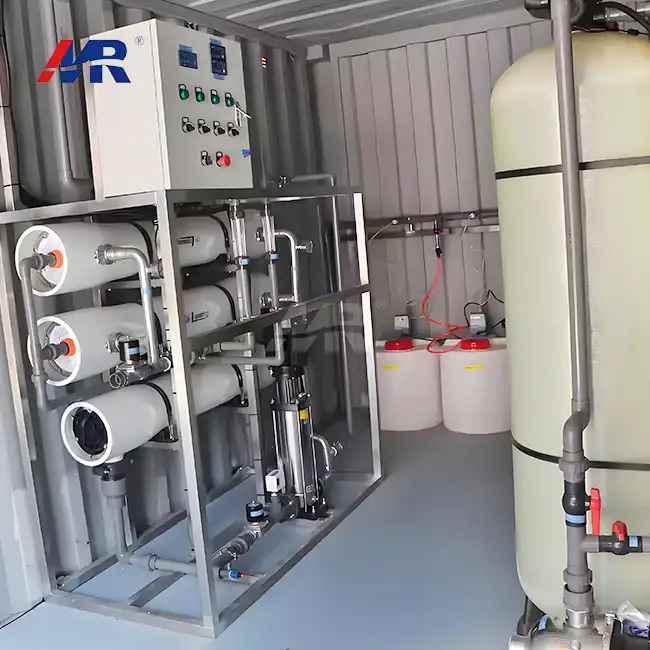
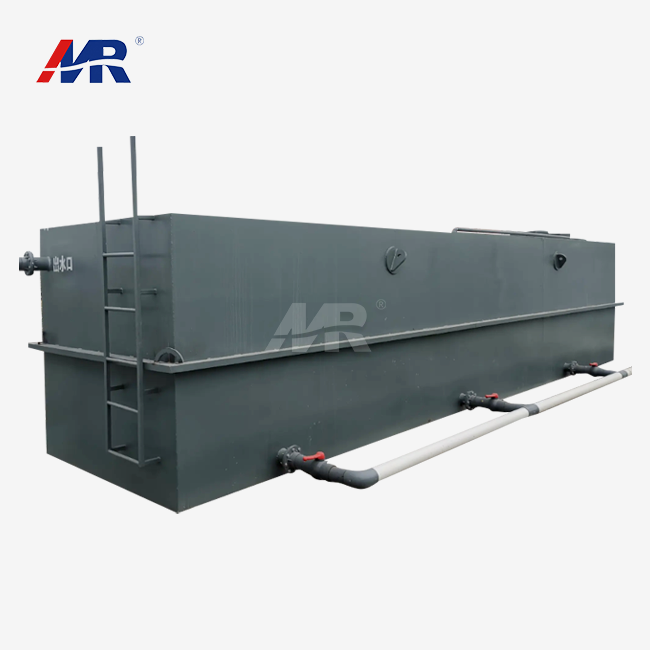
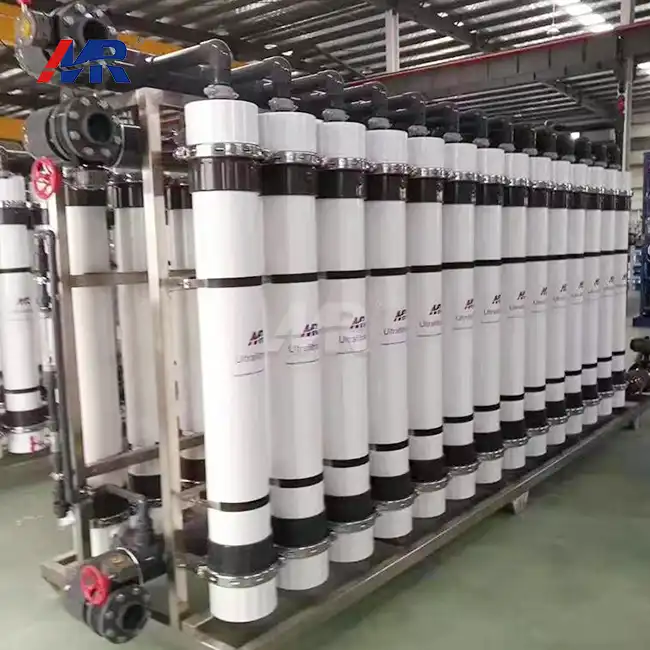
Bioreactors, where microorganisms break down organic matter, and either submerged or exterior membrane modules, which do the final separation, make up the basic structure of MBR systems. These membranes, which usually have pores that are 0.01 to 0.4 micrometers wide, let clean water through while getting rid of germs, viruses, and suspended particles. The biological part works like regular activated sludge systems, but the membrane filtering does away with the need for secondary clarifiers, making the treatment process more compact and efficient.
Advanced Membrane Technologies
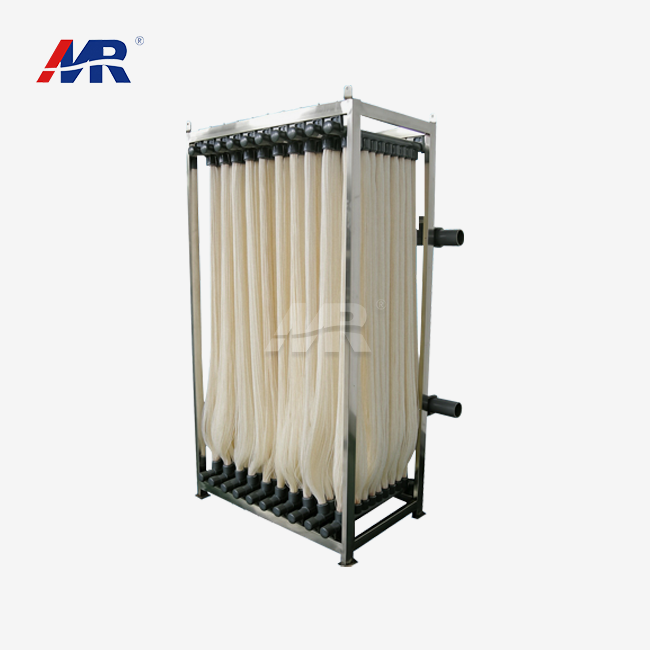
Modern MBR systems use either hollow fiber or flat sheet membranes. Each has its own benefits depending on the use. Hollow fiber membranes have a lot of surface area and are very stable mechanically. Flat sheet membranes, on the other hand, are easy to clean and maintain. The membrane materials, which are usually constructed of polymers, can handle the tough circumstances of wastewater treatment and keep working well for a long time.
Advantages and Limitations of MBR Systems in European Municipal Applications
European cities are using MBR technology more and more since it has many clear benefits. However, it is still important to think carefully about the operational problems that come with it in order to make it work.
Key Advantages for European Municipalities
The main advantages of membrane bioreactor systems make them a good choice for use in Europe. These are the main benefits of this technology:
- Better Effluent Quality: MBR systems always make high-quality effluent that may be reused. They fulfill strict EU discharge criteria with BOD and TSS values below 10 mg/L. MBR's footprint is 50–70% lower than that of traditional treatment plants, which is helpful in cities where space is limited.
- Less Sludge Production: Compared to typical systems, lower sludge volumes cut disposal costs and environmental impact by 20–30%.
- Operation without human help: Advanced control systems reduce the need for workers while keeping performance steady.
- Design with modules: Easy capacity expansion meets the needs of growing cities without having to rebuild the whole system.
These benefits work together to solve the main problems that European wastewater treatment plants face, allowing them to follow environmental rules while also making their operations more efficient.
Operational Considerations and Limitations
Even though MBR systems provide several benefits, they also have some operational problems that need to be carefully managed. Most of the time, it takes between 0.5 and 0.8 kWh of energy to treat one cubic meter of water, which is 20% to 50% more than traditional treatment. Membrane fouling is still the main operating problem, which means that cleaning techniques need to be followed regularly and the membrane needs to be replaced every 5 to 10 years. Initial capital expenditures can be 30–50% more than those of traditional systems. However, a lifetime cost analysis frequently shows that the long-term economics are better when you take into account better performance and a smaller footprint.
Practical Applications and Case Studies of MBR in Europe
European towns have successfully used MBR technology in a wide range of municipal settings, showing how flexible and dependable this cutting-edge treatment method is.
Municipal Wastewater Treatment Applications
In Europe, MBR technology is widely used in municipal wastewater treatment, especially where space is limited and effluent regulations are high, which makes it hard for traditional systems to work. Cities like Berlin, Amsterdam, and Stockholm have added MBR systems to their wastewater systems, which has made treatment much more efficient. These systems usually handle volumes of 50 to 10,000 cubic meters per day and have flow rates of 10 to 25 liters per square meter per hour.
Notable European Success Stories
Germany is the leader in European MBR adoption, with more than 200 installations in municipalities that consistently follow the country's strict discharge rules. The Netherlands has used MBR technology in areas where water is scarce. This lets industries reuse water directly and recharge groundwater. The municipal MBR systems in Sweden show how well the technology works in cold temperatures, as they keep treating water even in very cold winters. These case studies show that MBR can provide consistent performance while also helping Europe reach its sustainability goals.
Procurement, Installation, and Operational Considerations for European B2B Clients
To make sure that MBR works well and is successful in the long run, it is important to plan ahead and choose the right provider.
System Selection and Procurement Strategy
When choosing MBR suppliers, European municipalities should look at a number of issues, including as technical knowledge, the ability to provide local support, and compliance with EU requirements. The procurement process should include thorough feasibility studies, pilot testing when necessary, and a full study of the costs over the life of the project. To make sure the best system design, technical specifications must take into account the characteristics of local wastewater, discharge regulations, and operating preferences.
Installation and Commissioning Best Practices
Getting professional installation and commissioning services is very important for meeting design performance requirements and making the startup process easier. Experienced providers offer full support during the implementation phase, such as helping with site preparation, overseeing the installation of equipment, and offering operator training programs. Before handing over to municipal operators, proper commissioning methods make sure that the membrane is intact, the biological process is stable, and the control system works.
Morui's Advanced MBR Solutions for European Municipal Applications
Guangdong Morui Environmental Technology focuses on providing state-of-the-art membrane bioreactor systems that are tailored to the needs of European cities when it comes to treating wastewater. Our all-in-one solution uses cutting-edge membrane technology and tried-and-true biological treatment methods to make sure that we always meet EU environmental regulations.
Technical Specifications and Product Portfolio
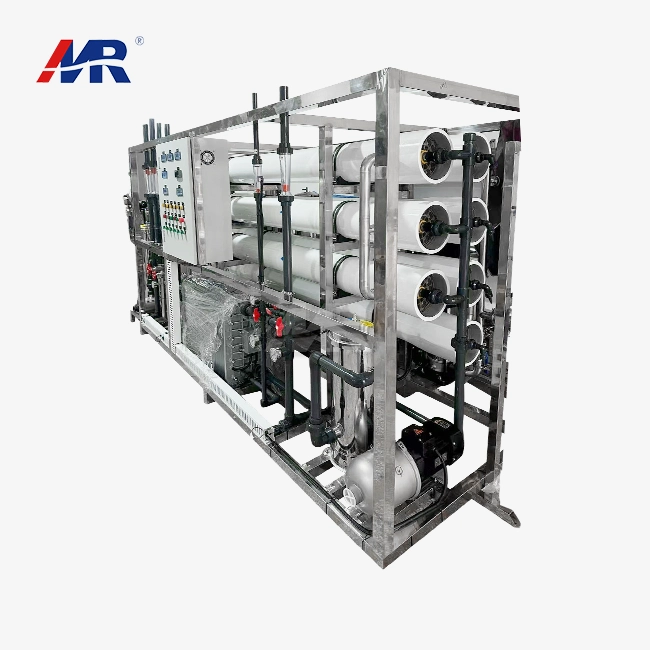
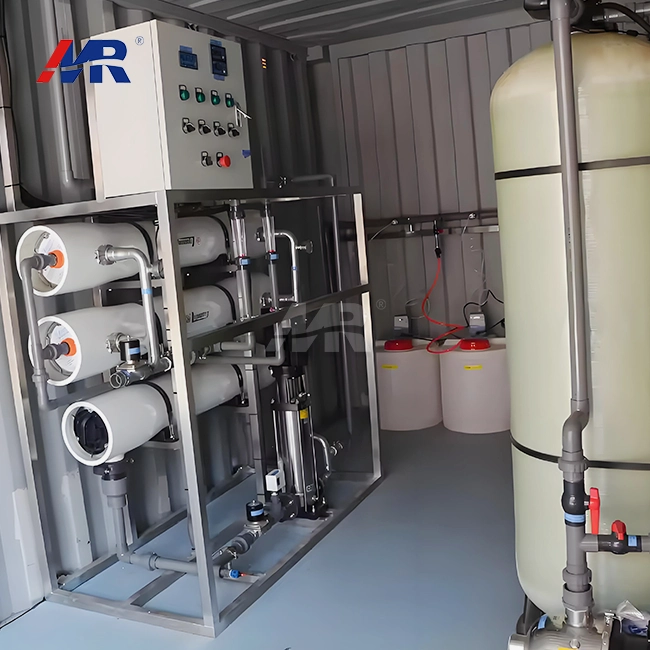
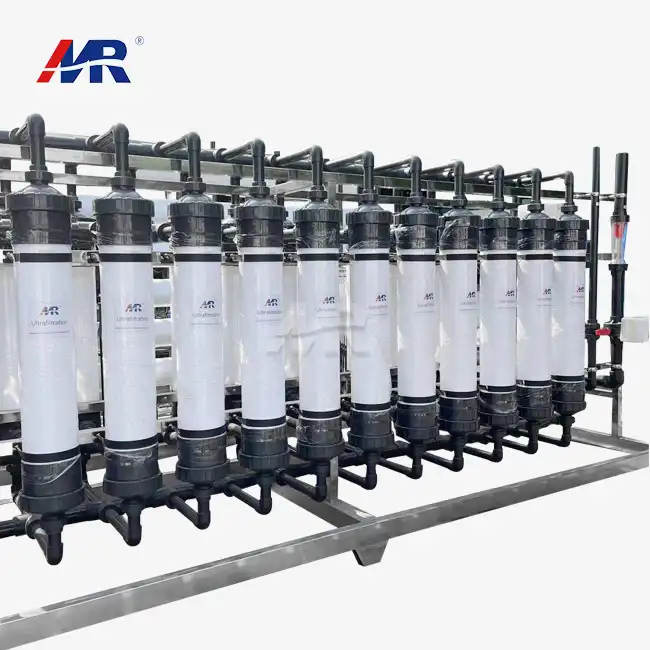
Our cutting-edge MBR systems combine activated sludge treatment with microfiltration and ultrafiltration membranes to remove pollutants and make water reusable in ways that are truly impressive. Our systems can handle anywhere from 50 to 10,000 cubic meters of treatment each day, which means they can meet a wide range of municipal needs. They also use between 0.5 and 0.8 kWh of energy per cubic meter. Our systems come in both hollow fiber and flat sheet membrane styles. They are modular, which means that they may easily be expanded to meet changing municipal needs.
Comprehensive Service and Support
Morui's dedication goes beyond only providing equipment; they also offer full project lifecycle support. We have 20 engineers and 500 staff in 14 branches across Europe. They can quickly respond to any problems and provide local experience. We have our own membrane production facilities and equipment processing centers, which help us keep an eye on quality and make sure the supply chain is reliable. We also represent top component companies like Shimge Water Pumps, Runxin Valves, and Createc Instruments, which lets us offer integrated system solutions that have been proved to work.
Conclusion
Membrane bioreactor technology is a game-changer for European cities' wastewater treatment since it solves the problems of limited area and strict environmental rules. Combining biological treatment with sophisticated membrane filtration results in better effluent quality while taking up less space and being easier to run. As regulations get stricter and the need for water reuse grows, more and more European cities are seeing the advantages of MBR technology. Choosing the right system, having it professionally installed, and getting help from knowledgeable vendors to keep it running smoothly are all important for success.
Frequently Asked Questions
Q1: How long do MBR membranes usually last in municipal settings?
A: mbr membranes usually work well for 5 to 10 years in municipal settings, although this depends on the properties of the influent, how the system is run, and how it is maintained. Cleaning the membrane regularly and managing its functioning properly can make it last longer. Keeping an eye on the transmembrane pressure and flux rates can also help you figure out when to replace it.
Q2: What makes MBR technology better for the environment than regular treatment?
A: MBR systems have less of an effect on the environment because they produce less sludge (20–30% less), the effluent is of higher quality, which allows water to be reused, and they take up less area. Compared to standard treatment procedures, the technology also makes it possible to recover nutrients and use less chemicals.
Q3: Is it possible to add MBR technology to current wastewater treatment plants?
A: Yes, MBR technology may be added to many existing plants to improve their capacity and the quality of the wastewater they release. Installing membrane modules in existing bioreactors and improving control systems are common steps in retrofitting. These steps generally lead to big performance gains without having to completely rebuild the facility.
Partner with Morui for Advanced MBR Solutions
Municipal leaders looking for reliable membrane bioreactor MBR supplier relationships can benefit from Morui's extensive knowledge and successful history in treating wastewater in Europe. Our skilled engineering staff offers personalized evaluations, in-depth technical advice, and clear project quotes that fit your needs and budget. We invite you to learn more about our cutting-edge MBR technology solutions that are built to handle the toughest municipal wastewater problems in Europe. Email us at benson@guangdongmorui.com to talk about what you need for your project and learn how our cutting-edge membrane bioreactor systems can change the way you treat wastewater.
References
1. European Environment Agency. "Urban Wastewater Treatment in Europe: State of Play and Challenges." EEA Technical Report on Municipal Wastewater Management, 2023.
2. Water Europe. "Membrane Bioreactor Technology for Municipal Wastewater Treatment: European Implementation Guidelines." Water Technology Platform Publication, 2022.
3. International Water Association. "MBR Technology in European Cities: Performance Analysis and Best Practices." IWA Municipal Water Management Report, 2023.
4. European Commission. "EU Water Framework Directive Implementation: Advanced Treatment Technologies Assessment." EC Environmental Policy Document, 2022.
5. German Water Partnership. "Membrane Bioreactor Applications in German Municipal Wastewater Treatment." GWP Technical Assessment Report, 2023.
6. Nordic Water Association. "Cold Climate Performance of MBR Systems in Scandinavian Municipal Applications." NWA Research Publication, 2022.