

_1745823981883.webp)

ROI Water System Maintenance Tips to Maximize Purified Water Quality
To keep the water quality from your ROI Water System at its best, you need to do planned maintenance that protects both your investment and production standards. ROI (Reverse Osmosis & Ion Exchange) water systems clean water very well if they are kept up properly. This makes sure that the quality of the result is always the same in manufacturing, pharmaceuticals, electronics, and other important industries. Knowing these basic maintenance tasks helps building managers make the most of a system's performance while lowering costs and preventing unplanned downtime.
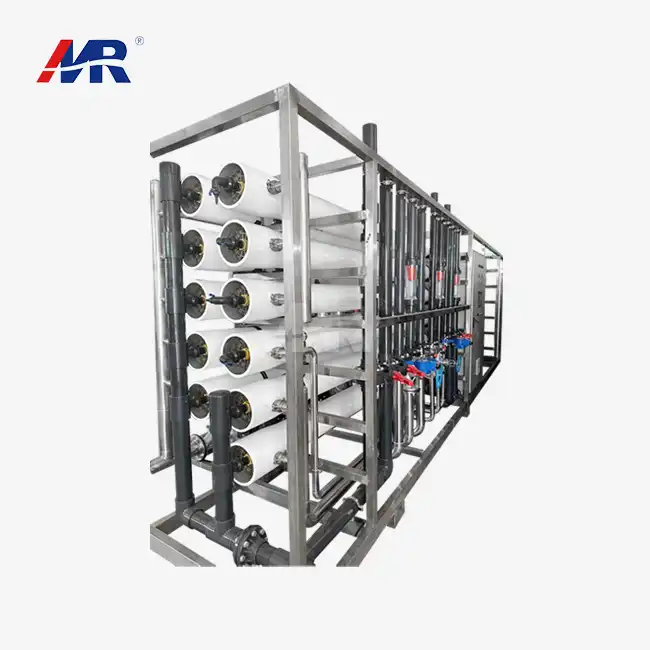
Understanding ROI Water System Maintenance Essentials
Modern industrial water treatment relies on reverse osmosis and ion exchange technologies, which need to be maintained by people who know a lot about them to keep the water clean. These all-in-one systems use membrane filtering and advanced ion removal techniques to make sure the water quality meets the highest standards for commercial use.
Core Components Requiring Regular Attention
There are a few important parts in ROI water systems that need to be maintained regularly. Through semi-permeable barriers, reverse osmosis membranes remove dissolved solids and toxins as the main filtering barrier. Ion exchange resins remove any leftover ionic contaminants, making the water very clean. Pre-filtration systems keep these delicate parts safe from sediment and chlorine damage, and high-pressure fans make sure the system always has the right flow rates.
Knowing how different parts depend on each other helps maintenance teams decide what care tasks to do first. If pre-filters get clogged, the extra pressure puts stress on membranes further downstream, which could lead to failure before their time. In the same way, ion exchange resins that are worn out let contaminants through, which lowers the quality of the end water. Cascading failures that mess up production plans can be avoided by keeping an eye on these connections on a regular basis.
Common Maintenance Challenges and Risk Factors
When it comes to problems, industrial water systems are different from those used in homes. The most common upkeep problems that slow down a system are scale buildup, biological fouling, and membrane breakdown. Scale forms when minerals that are dissolved in water get too concentrated and stop dissolving. This creates layers that slow down flow rates and use more energy. Biological pollution happens when bacteria make biofilms on barrier surfaces, which makes it harder for water to pass through.
Not following repair procedures for an ROI water system comes with big business risks. Lowering the quality of the water can change the specs of the product, which could lead to expensive batch rejects or problems with following the rules. Loss of system efficiency leads to more energy use and wastewater production, which has a direct effect on running costs. When equipment breaks down during busy production times, it costs a lot to keep the production line from running while new parts are found and installed.
Step-by-Step ROI Water System Maintenance Tips
Systematic repair methods make sure that the system always works well and extend the life of its parts. These tried-and-true methods cover both regular maintenance tasks and troubleshooting steps that keep systems running at their best.
Scheduled Inspection and Cleaning Protocols
Maintenance plans that work are built around dates for regular inspections. Visual checks done once a week find clear problems like leaks, strange noises, or changes in pressure that need to be fixed right away. Inspections are done once a month to look closely at membrane housings, links, and the way the control system works. Performance tests, water quality analyses, and condition ratings of all parts are all part of thorough reviews that happen every three months.
Cleaning methods depend on the type of feed water and how the system is set up. Using treatments made just for membrane materials, chemical cleaning gets rid of scale and bacterial deposits. Forward cleaning gets rid of particles that have built up on the sides of pre-filters and membranes. Sanitization processes kill microorganisms that are dangerous and could damage the water quality or the stability of the system.
Keeping records during cleaning tasks gives useful performance trends that help make decisions about future maintenance. Keeping track of pressure differences, flow rates, and chemical use helps find small changes in performance before they become big problems.
Component Replacement Guidelines and Intervals
Depending on the quality of the feed water and how often the system is used, pre-filter elements usually need to be replaced every three to six months. For uses with a lot of sediment, replacements may need to be done every month. For cleaner feed sources, repair times can be longer. Monitoring the difference in pressure between filter housings gives you the correct replacement time, even if you don't use a calendar.
Under standard use, reverse osmosis filters in an ROI water system usually last between two and three years. The quality of the feed water, the working pressure, the temperature, and the consistency of the upkeep all affect the membrane's life. Tracking standardized permeate flow and salt rejection rates helps figure out when to replace something so that water quality isn't affected by poor performance.
Based on their processing ability and water quality needs, ion exchange resins need to be regenerated or replaced. Monitoring conductivity breakthrough lets you know when resins are getting close to their limits of endurance. If you follow the right steps for regrowth, resin can last a lot longer than if you replace it too soon.
Troubleshooting Common Performance Issues
One of the most common problems with systems is a drop in flow rate, which is usually caused by membrane fouling, scale buildup, or a blockage in the pre-filter. Systematic pressure testing finds the problematic part and tells you what to do to fix it. Gradual decline means that dirt has built up and needs to be cleaned, while quick changes mean that a part has broken or a blockage has happened.
When water quality gets worse, it shows up as higher conductivity, changes in pH, or the presence of contamination. Damage to the membrane lets salt pass through, and worn-out ion exchange resins let ions get into the system. Sequential testing at several places in a system finds the source of quality problems so that they can be fixed specifically.
Changes in smell, taste, or look that don't make sense often mean that there has been biological contamination or chemical explosion. These problems need to be looked into right away to keep the system from getting hacked and to keep users safe.
Optimizing ROI Water System Efficiency and Water Quality
By making the system as efficient as possible, costs can be cut while still keeping high standards for water safety. These efficiency techniques help with lowering waste, using less energy, and keeping track of performance better, which is good for the environment and the bottom line.
Energy Conservation and Performance Monitoring Strategies
Managing working pressure and calibrating the system correctly are the first steps in making it use less energy. Running at the lowest possible effective pressure saves energy while keeping flow rates and rejects percentages at a good level. Variable frequency drives on pump motors change how much power they use naturally based on demand. This saves a lot of energy when demand is low.
Performance tracking tools in an ROI water system keep an eye on key metrics that show where improvements can be made. Specific energy usage, measured in kWh per gallon created, lets you compare how efficient different systems are. Recovery rate optimization finds the best working points for each application by balancing the need to save water with the cost of getting rid of concentrate.
Temperature compensation changes the working settings based on changes in the seasons that have an effect on how well the membrane works. Higher temperatures make more permeate flow, but they may also make fewer rejects, so it's important to find a balance between quality and output.
Advanced Maintenance Technologies and Predictive Analytics
Internet of Things (IoT) sensors let important system factors be constantly checked without any human action. Sensors that measure pressure, flow, conductivity, and temperature give real-time information that is used by programs that plan preventative maintenance. These systems find patterns in performance that let you know weeks before a part fails that it will fail.
Smart diagnostic tools look at trends in past data to figure out the best time for repair. Machine learning programs look at many variables at once and find small changes that people watching them by hand might miss. Predictive maintenance cuts down on problems that come up out of the blue and lowers the cost of maintenance by precisely timing repairs.
With remote tracking, Technical support teams can figure out what's wrong and offer help without having to visit the site. This feature is especially useful for sites that are in remote areas or that aren't open during normal business hours.
ROI Water System Installation and Setup Best Practices
Once something is installed correctly, it will work reliably for a long time and be easier to maintain. These best practices make sure that systems work well from the first time they are turned on to years of useful service.
Site Assessment and System Placement Considerations
Evaluation of a site includes many things that impact how well the system works and how easy it is to do upkeep. Technicians can do regular maintenance on equipment without stopping other activities if there is enough room around it. The need for ventilation keeps sensitive parts from getting too hot, which could damage them.
The right pre-treatment needs and component specs are found by analyzing the quality of the feed water. Water that is very hard needs equipment to soften it, and water that comes from the city, which has been treated, needs systems to remove the chlorine. Knowing these needs during installation keeps parts from breaking down early and causes performance problems.
Electrical needs include having enough power for starting spikes and the ability to shut down in an emergency. When you ground your electronics properly, you protect them from electrical interference and safety risks.
Training and Documentation Requirements
Comprehensive operator training makes sure that everyone knows how the ROI water system works, how to do regular repairs, and how to shut it down in an emergency. Normal working settings, basic troubleshooting, and knowing when to call technical help are all things that training programs teach. As staff changes happen, regular training classes keep people up to date on their skills.
There are thorough assembly drawings, part specs, and maintenance methods in technical documentation. Troubleshooting guides help figure out what's wrong with common problems, while operation books explain how to do everyday tasks step by step. Keeping paperwork up to date helps with maintenance and cuts down on the number of service calls that need to be made.
Case Study: Successful Maintenance Practices from Leading Brands
There are real-life Cases that show how disciplined maintenance methods can help a wide range of industry settings. These case studies focus on specific methods that worked very well and were very cost-effective.
A pharmaceutical manufacturing plant set up detailed repair plans for their ROI water system 50,000 GPD reverse osmosis system. Cleaning the membrane once a month increased its average life from 18 months to 36 months, which cut the cost of replacing it every year by 60%. Predictive maintenance tracking found a pump bearing that was about to fail three weeks before it did. This kept production from having to shut down during busy times, which would have been expensive.
A company that makes gadgets improved the efficiency of its ultrapure water system in a planned way. Pressure tuning and installing a variable speed drive led to a 25% drop in energy use. Improving the water recovery rate cut down on the cost of dumping trash while keeping the ultrapure quality standards needed for semiconductor processes.
These examples show how proactive repair can get you a good return on your investment by lowering costs, making tools last longer, and making it more reliable. To be successful, you have to stick to a set of steps and be able to spend money on training and tracking tools.
Conclusion
For ROI water system repair to work well, it needs organized methods for taking care of parts, improving performance, and keeping an eye on things ahead of time. Understanding the basics of the system, following tried-and-true repair procedures, and using cutting-edge monitoring tools can help you keep the water quality stable and the equipment as reliable as possible. It is possible to measure the benefits of these practices, which include lower running costs, longer component life, and better operational consistency. Sticking to disciplined repair routines and working with experienced providers who offer ongoing technical help throughout the lifecycle of a system are key to success.
FAQ
Q1: How often should ROI water system membranes be replaced?
When to change the membrane depends on how it is being used, the quality of the feed water, and how regularly it is being maintained. Ion exchange resins may need to be replaced or regenerated every 6 to 12 months, while reverse osmosis membranes should last two to three years in normal conditions. Monitoring performance regularly gia ves more exact replacement time than using a calendar.
Q2: What are the key indicators that professional servicing is needed?
Sudden drops in flow rate, worsening water quality, strange changes in pressure, or system sounds are all important warning signs. Gradual loss of performance over a few weeks could mean that fouling has built up and needs to be cleaned by a professional. Any worries about safety should be looked at right away by a professional.
Q3: How does routine maintenance extend the ROI water system's lifespan?
When you do regular repairs on your equipment, small problems don't get worse and damage expensive parts. Regular cleaning gets rid of deposits that put stress on membranes, and proper operation keeps things in the best shape possible so that parts last as long as possible. Documentation helps find patterns that help predict when replacements will be needed.
Partner with Morui for ROI Water System Excellence
Partnering with Morui, your dedicated ROI water system provider committed to providing exceptional performance and dependability, will help you get the most out of your water purification investment. Through expert advice and genuine substitute parts, our extensive maintenance support programs make sure that systems work at their best and that their lifecycle costs are kept to a minimum.
Get in touch with our technology experts to create repair plans that are specifically designed for your application. Upgrading your water treatment equipment is both sensible and cost-effective when you buy in bulk, have professionals do the work, and have a variety of payment options. Email Our Team at benson@guangdongmorui.com to find out how our knowledge can help your business succeed.
References
1. Water Quality Association. "Industrial Water Treatment Systems: Maintenance and Optimization Guidelines." Technical Bulletin Series, 2023.
2. International Desalination Association. "Membrane System Performance and Maintenance Best Practices." Annual Conference Proceedings, 2022.
3. American Water Works Association. "Reverse Osmosis and Nanofiltration Manual of Practice." AWWA Manual M46, Second Edition.
4. National Institute of Standards and Technology. "Guidelines for Ultrapure Water Systems in Industrial Applications." NIST Special Publication 2021.
5. Environmental Protection Agency. "Industrial Water Treatment Technologies: Performance and Maintenance Standards." EPA Technical Report, 2023.
6. International Association of Water Treatment Professionals. "Ion Exchange Technology: Maintenance and Regeneration Procedures." Technical Manual, 2022.
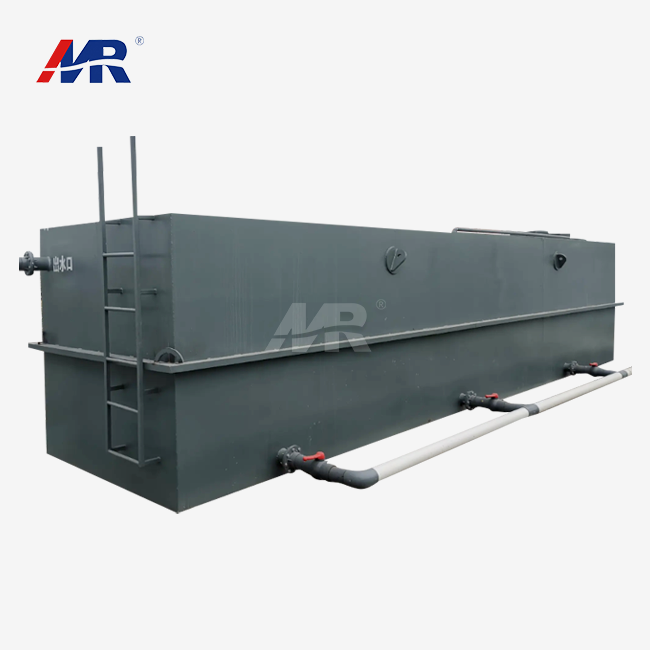 VIEW MOREdomestic wastewater treatment plant
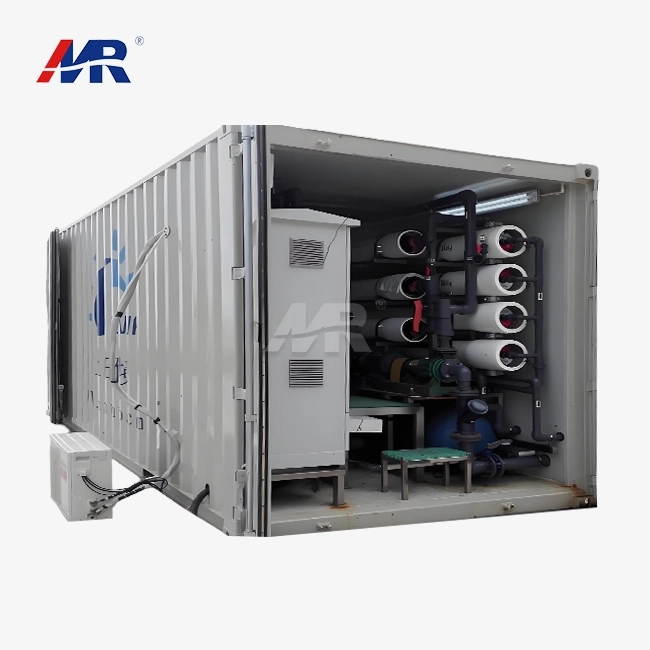 VIEW MOREcontainerized ro systems
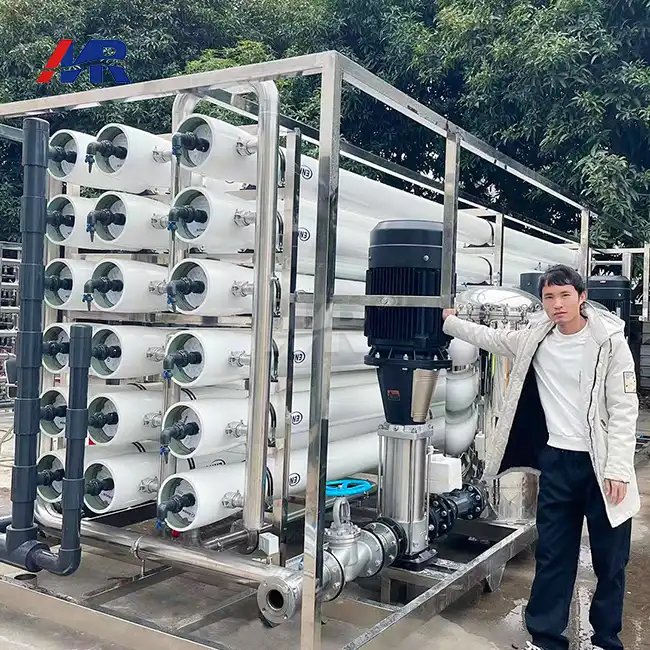 VIEW MORE100m3/hour reverse osmosis system
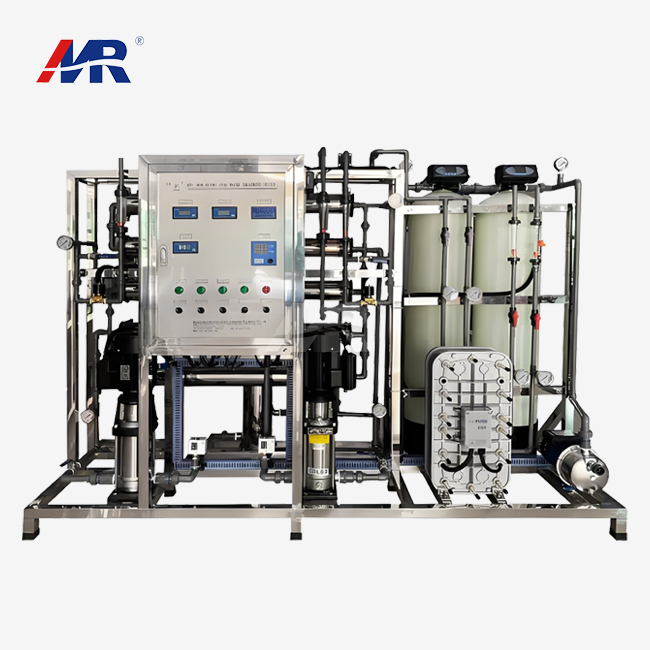 VIEW MORE500LPH EDI equipment
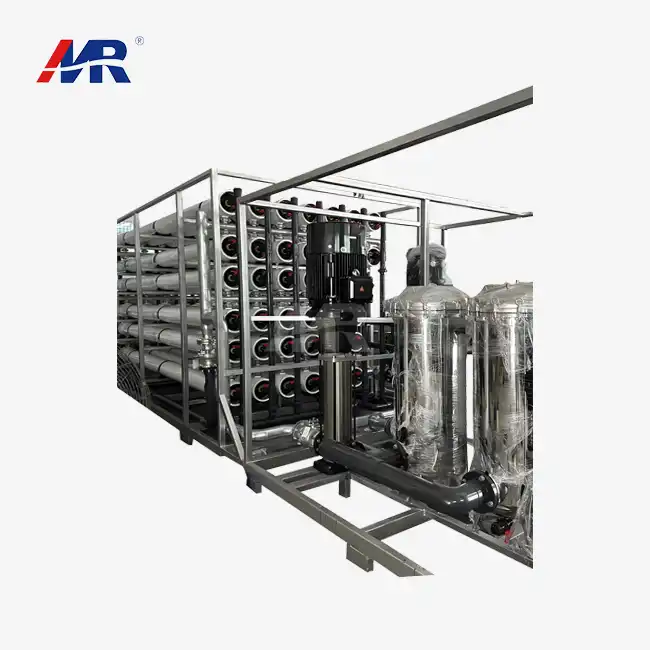 VIEW MORE150m3/hour reverse osmosis plant
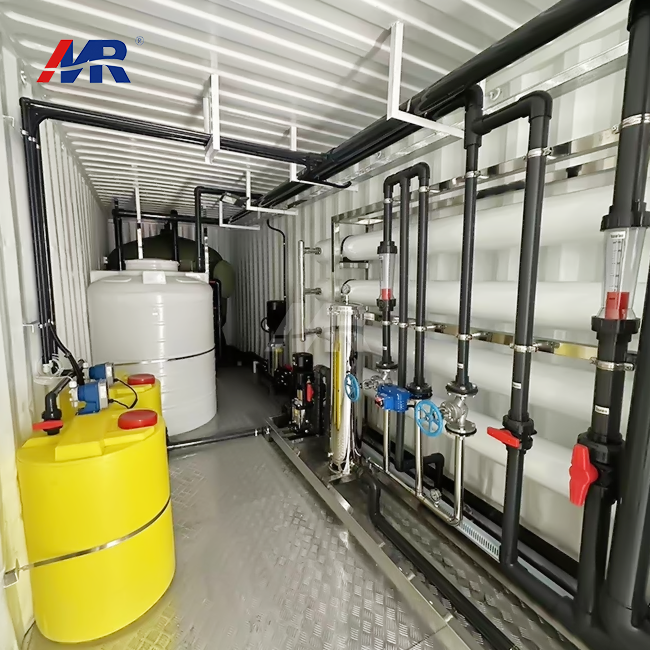 VIEW MOREcontainer reverse osmosis equipment
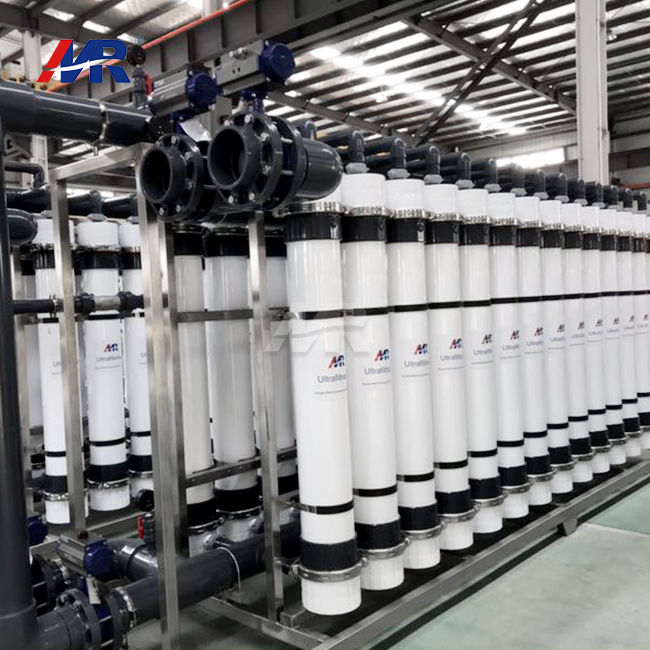 VIEW MOREultrafiltration machine
 VIEW MOREcontainer seawater desalination equipment
