

_1745823981883.webp)

Step-by-Step Maintenance Tips for Reverse Osmosis Wastewater Treatment Plants
To keep reverse osmosis wastewater treatment systems working at their best, the health of the membranes and the operating factors need to be checked on a regular basis. The ro membrane is the main part of these treatment plants; it uses semi-permeable filter technology to get rid of up to 99% of the dissolved contaminants. Following the right upkeep steps will increase the membrane's life, lower its cost, and guarantee stable water quality output. Maintenance practices that work include regular checks, preventative cleaning, and planning when to replace things in a smart way. When facility managers know these basic upkeep skills, they can make sure that systems work as efficiently as possible while minimizing downtime and unplanned fix costs.

Understanding RO Membrane and Its Role in Wastewater Treatment
The Science Behind Reverse Osmosis Filtration
With pores that are about 0.0001 microns across, reverse osmosis membranes work as advanced filter barriers. These very small holes let water molecules through but stop bigger contaminants, dissolved salts, and organic chemicals. To push water through the membrane material against natural osmotic pressure, the process needs a lot of pressure, usually between 150 and 600 PSI.
There are many layers in the membrane structure, but the active layer is only a few hundred nanometers thick. This thin-film hybrid design increases permeability while keeping very high rejection rates for different contaminants. Solution-diffusion processes help water molecules move through the membrane. They dissolve into the polymer material and spread to the penetrated side.
Types of Membranes in Industrial Applications
Two main membrane methods are usually used in industrial wastewater treatment plants. Thin Film Composite membranes are great for tough industrial settings because they are very resistant to chemicals and last a long time. Most of the time, these membranes have rejection rates higher than 98% for most liquid solids, and their performance stays fixed even when the pH changes.
Cellulose Acetate membranes are cheap options for uses that aren't too demanding, but they need more careful pH control and can't handle chlorine as well. The type of membrane to use depends on the features of the feed water, the rejection rates that are needed, and the budget for running the business. For best efficiency and longevity, each type of membrane needs its own set of care steps.
Early Warning Signs of Membrane Degradation
Early detection of performance degradation stops catastrophic system breakdowns and costly emergency fixes. Dropping permeate flow rates are often a sign of RO membrane fouling or scaling, which needs to be fixed right away to avoid lasting damage. If the pressure drop across membrane elements gets bigger, it means that layers are building up and making it harder for water to pass through the membrane surface.
Changes in how well salt is rejected could mean that the membrane is damaged or that the system isn't working right. These signs usually show up slowly, so it's important to take any signs of deterioration into account early. Temperature changes can also affect how well a membrane works. Higher temperatures tend to make it more permeable while also possibly speeding up the breakdown process.
Step-by-Step Maintenance Procedures for RO Membranes
Daily Monitoring and Inspection Protocols
Key performance indicators (KPIs) should be tracked every day as part of thorough repair routines. At regular times during each shift, operators should write down the feed pressure, infiltrate pressure, concentrate pressure, and flow rates. Temperature readings help to level out performance data and find out-of-the-ordinary working conditions that might have an impact on membrane performance.
By looking at pressure tanks, pipe links, and control systems visually, you can find small problems before they get worse. By listening for strange sounds, movements, or leaks, you can find technical problems early on that could damage the system. Writing down these findings makes useful historical data that can be used to look for trends and plan repairs ahead of time.
Testing the quality of the water makes sure that the membranes work and finds ways that they might get clogged. Analyzing the feed water, permeate, and concentrate streams on a regular basis helps workers figure out how well the system is working and spot changes in the features of the source water. These measures help make decisions about cleaning and help make chemical dosing programs work better.
Chemical Cleaning Procedures and Protocols
For cleaning the RO membrane, you need to use a methodical approach that is tailored to the type of gunk and the membrane material. To start the cleaning process, the system is turned off, and the pressure is slowly released so that quick changes in pressure don't damage the membrane. Cleaning Products can reach all membrane surfaces if the membrane parts are properly separated.
Here are the essential steps for effective membrane cleaning:
- When you use high pH solutions, usually sodium hydroxide or special cleaning formulas, alkaline cleaning gets rid of biological fouling, biofilms, and particle matter.
- Using hydrochloric acid or citric acid liquids for cleaning gets rid of mineral scaling, especially calcium carbonate, calcium sulfate, and metal oxides.
- Biocide treatment uses chlorine dioxide, hydrogen peroxide, or other antibacterial agents to stop the growth of microbes and the formation of biofilm.
- Sequential cleaning uses several cleaning steps to handle tough fouling situations with mixed organic and metal buildups.
For these cleaning methods to work best, they need exact chemical ratios, the right amount of touch time, and controlled circulation rates. After cleaning, flushing gets rid of any leftover chemicals that might affect how well the membrane works or hurt the membrane materials. Getting rid of cleaning solutions in the right way saves the earth and the treatment processes that come after.
Preventive Maintenance Strategies
Controlling fouling mechanisms before they affect membrane function is a key part of effective prevention methods. Pre-treatment systems are very important for getting rid of chlorine, suspended solids, and other things in feed water that damage membranes. Upstream membrane elements are kept safe by regularly maintaining cartridge filters, activated carbon units, and water softener equipment.
By getting in the way of crystal growth and development, anti-scalant dose programs stop minerals from sticking to membrane surfaces. These are very specific chemicals that need to be carefully dosed and adjusted on a regular basis based on data from analyzing the feed water and the system's performance. Monitoring the anti-scalant residuals makes sure that there is enough safety without going over the limit, which could lead to membrane damage.
During times when less water is being used or during planned repair sessions, system flushing processes remove deposits that have built up. Flushing with high-quality water at a low pressure helps keep membrane surfaces clean and stops concentration polarization effects from happening. Automated cleaning systems can do these tasks regularly without any help from a person.
Replacement Timing and Criteria
To figure out when to repair RO membrane elements, you have to weigh performance standards against cost factors. When standardized permeate flow drops by 10-15% from the starting values or salt rejection falls below acceptable levels, membrane elements usually need to be replaced. These performance limits change based on the needs of the product and the quality of the water.
Age-based replacement plans make maintenance planning more reliable, but they may cause working membranes to be replaced too soon. Performance-based repair methods make the best use of membranes while keeping the system running smoothly. By comparing the costs of cleaning with the costs of repair, economic analysis can help you find the most cost-effective way to maintain your home.
Comparison and Optimization: Choosing the Right RO Membrane and Maintenance Strategy
Membrane Technology Comparison
To choose the right membrane technology, you need to know the main differences between reverse osmosis and other filter methods. Ultrafiltration systems are great at getting rid of germs, bigger organic molecules, and suspended solids, but they can't get rid of dissolved salts and smaller contaminants. Because of this, UF can't be used in situations where a lot of dissolved solids need to be removed.
Reverse osmosis technology gets rid of all kinds of contaminants, which makes it necessary for situations that need very pure water or strict release standards. Through size restriction and chemical contact, the technology gets rid of dissolved salts, heavy metals, organic molecules, and most microorganisms. These more advanced cleaning methods, on the other hand, use more energy and need more frequent upkeep than simpler filtration methods.
When dealing with complicated wastewater treatment problems, hybrid systems that use more than one filter technology are often the best way to go. These combined methods make the most of the best features of each technology while minimizing its flaws. Pre-treatment with UF or microfiltration can make RO membranes last longer by getting rid of precursors to fouling and lowering the number of times they need to be cleaned.
Performance Optimization Techniques
To get the best performance from membranes, operating factors and how they affect system efficiency need to be carefully studied. Operating pressure has a big effect on both the production of permeate and the life of the membrane. Higher pressures usually increase output while possibly speeding up membrane breakdown. To find the best pressure balance, you need to think about the features of the feed water, the specs of the membrane, and the cost.
Optimization of the recovery rate strikes a balance between the amount of water produced and the chance of membrane fouling. Higher recovery rates lower the amount of trash that is sent through, but they also raise the quantity of contaminants that are refused, which could cause scaling or fouling problems. For each application, the recovery rate is chosen after a careful study of the concentrate concentration levels.
Controlling the temperature has an effect on both the permeability of the membrane and the rate of chemical reactions in the system. Higher temperatures make it easier for water to pass through membranes, but they also speed up the processes of fouling and membrane breakdown. To get the best total system performance, optimal temperature control takes these competing effects into account.
Cost-Effectiveness Analysis
A full cost study looks at the original investment, ongoing costs, and repairs that will need to be done over time. The price of high-quality membranes is usually higher, but they last longer and work better, so the total cost of ownership is usually cheaper. This cost-saving benefit is especially important in tough industrial settings where replacing a membrane costs a lot because of the materials and the time the system has to be shut down.
The choice of maintenance approach has a big effect on operational economics because it changes how long membranes last and how available systems are. Aggressive preventive maintenance programs cost more regularly, but they often stop costly fixes and unexpected downtime. Conservative methods to maintenance may lower short-term costs but increase the chance of major failures that cost a lot more in the long run.
The amount of energy used is a high ongoing cost that changes a lot depending on the type of membrane and how it is operated. The membrane choice and system design choices made during the original purchase have an ongoing effect on the energy costs of the system. For a business to be energy-efficient, production rates and power use must be balanced so that total operating costs are kept as low as possible.
Procurement Considerations for RO Membranes and Maintenance Services
Supplier Evaluation and Selection
A successful membrane purchase starts with a thorough evaluation of the provider that goes beyond just looking at price. Manufacturers with a long history, such as Dow Filmtec, Toray, and Hydranautics, have spent decades developing membranes that work well in tough industrial settings. These businesses offer a lot of expert help, full warranties, and dependable supply lines that make sure products are always available.
The professional skills of the supplier have a big effect on the long-term success of the project because they help with troubleshooting and giving advice that is special to the application. Companies that offer full testing services, sample plant programs, and on-site expert support give customers a lot of value that goes beyond just buying a membrane. This expert relationship is especially helpful when dealing with tough problems in wastewater treatment or making the system work better.
Quality assurance programs and manufacturing Certifications give customers faith in the stability and dependability of RO membrane performance. ISO 9001 certification, validation testing by a third party, and detailed quality control documents all show that the provider is dedicated to making great products. In situations where membrane failure could lead to regulatory violations or production delays, these quality checks become very important.
Procurement Strategy Development
Volume purchasing strategies can save you a lot of money while still making sure you have enough supplies for regular upkeep and refills in case of an emergency. When you buy in bulk, you often get savings for buying more, better payment terms, and faster shipping, all of which lower your total cost of ownership. But these setups need careful inventory management to make sure that the membrane doesn't break down while it's being stored.
Long-term supply deals keep prices stable and make sure that goods are always available. They also let sellers make the best use of their production and delivery schedules. As part of these agreements, companies often agree to provide updates to technology, help with applications, and lower prices on connected goods and services. Strategic ties with suppliers can give you a competitive edge by giving you access to the newest membrane technologies and expert knowledge in your field.
Geographic factors affect both the original cost of delivery and the availability of ongoing assistance. Local or regional suppliers may offer cheaper shipping and faster delivery in an emergency, while global sellers may give you access to unique goods and cutting-edge technologies. To find the right balance between these factors, you need to think about the total costs and the needs of the business.
Technical Support and Service Requirements
Technical support that covers everything includes help with installation, startup, operating improvement, and fixing problems. Suppliers who offer on-site support during the initial system setup help make sure that the system is installed correctly and works at its best right away. This hands-on help can stop early operating problems that could hurt the performance of the membrane or the stability of the system.
Training programs for operating and repair staff teach them the skills they need to get the most out of membranes and make them last as long as possible. Full training includes the right way to use the equipment, how to clean it, how to fix problems, and safety rules. When employees are well-trained, they can spot and fix performance issues before they become big problems that need expensive repairs or replacements.
When power goes out unexpectedly or there are performance issues that threaten production or regulatory compliance, RO membrane emergency support services are very important. Suppliers that offer expert help 24 hours a day, seven days a week, fast delivery of parts, and emergency service response are great ways to protect against business interruptions. During the procurement process, these service skills should be looked at and written down to make sure there is enough help.
Conclusion
Reverse osmosis wastewater treatment plants need to be maintained in a way that puts membrane health first. This can be done by regularly checking the membranes, cleaning them to avoid problems, and deciding when to replace them. To be successful, you need to know the basics of membrane technology, set up strong maintenance plans, and work with dependable providers who offer ongoing expert help.
Putting money into good care habits pays off in a big way: the barrier lasts longer, the water quality stays the same, and emergency repair costs go down. When companies use preventative maintenance strategies, they set themselves up for long-term business success and meet quality and environmental standards that are getting stricter.
FAQ
Q1: How often should RO filters be cleaned to keep them working at their best?
How often you clean it varies depending on the type of membrane, the quality of the feed water, and how the system is being used. In most industrial settings, cleaning is needed every three to six months. Systems that deal with highly dirty wastewater might need to be cleaned once a month, while systems that deal with pre-treated water could go 6 to 12 months without being cleaned. Instead of setting strict plans, it's better to keep an eye on the regulated permeate flow and pressure drop.
Q2: What are the most common reasons why membranes get clogged up in wastewater treatment?
The most common way that wastewater gets fouled is by organic fouling, which includes biological matter, biofilm growth, and dissolved organic chemicals. Hard water has a lot of problems because of mineral cracking from calcium carbonate, calcium sulfate, and silica compounds. If you don't clean the membrane properly first, particulate fouling from suspended solids and liquid matter can quickly lower its performance.
Q3: Can membranes that have been clogged get back to working as well as they did before?
Many clogged membranes can be cleaned properly and returned to 85–95% of their previous performance, but full repair doesn't happen very often. The best chance for cleaning is to act quickly, because membranes that are badly clogged may be permanently damaged. How well cleaning works relies on the type of fouling, the material of the membrane, and how long it's been since fouling started.
Partner with Morui for Superior RO Membrane Solutions and Expert Support
Guangdong Morui Environmental Technology is ready to turn your problems with treating wastewater into practical successes with our complete membrane solutions and unmatched technical know-how. Our manufacturing skills include cutting-edge facilities for making membranes and processing centers for a wide range of equipment. These are backed by over 500 skilled workers and 20 specialized engineers in 14 key sites.
We offer full turnkey solutions that include high-performance RO membranes, advanced cleaning chemicals, automatic control systems, and upkeep plans that are fully customized to meet the needs of your industry. Our relationships with top companies like Shimge Water Pumps, Runxin Valves, and Createc Instruments give us access to high-quality parts and system solutions that work together to give you the best performance and dependability.
Get in touch with our technical experts at benson@guangdongmorui.com to talk about your membrane needs and find out how our knowledge can help your treatment plant work better and cost less.
References
1. American Water Works Association. "Reverse Osmosis and Nanofiltration Manual of Water Supply Practices." 2nd Edition, 2018.
2. Crittenden, John C., et al. "MWH's Water Treatment: Principles and Design." 3rd Edition, John Wiley & Sons, 2012.
3. Membrane Technology Research Institute. "Industrial Membrane Fouling: Mechanisms, Prevention, and Control Strategies." Technical Report Series, 2021.
4. Water Environment Federation. "Operation of Municipal Wastewater Treatment Plants Manual of Practice No. 11." 7th Edition, 2020.
5. International Desalination Association. "Membrane Maintenance Guidelines for Industrial Water Treatment Systems." Best Practices Manual, 2019.
6. National Association of Water Companies. "Reverse Osmosis Membrane Performance and Maintenance Standards." Technical Publication 2022-03, 2022.
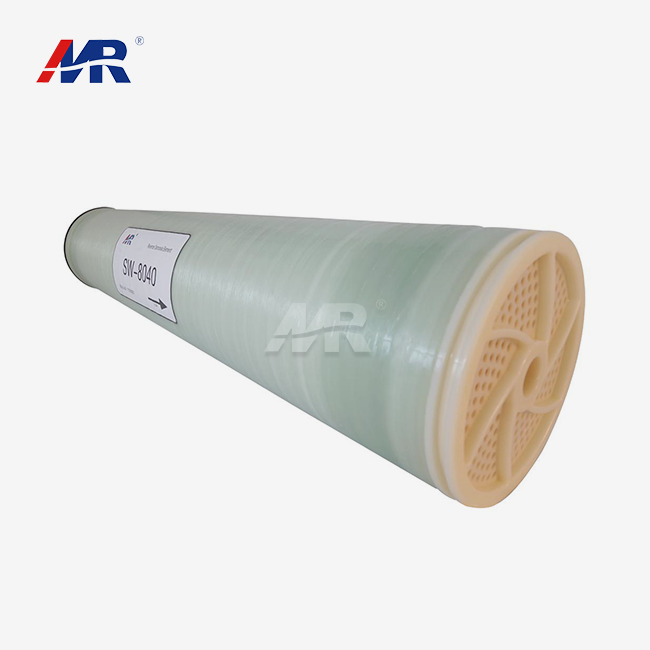 VIEW MOREreverse osmosis membranes
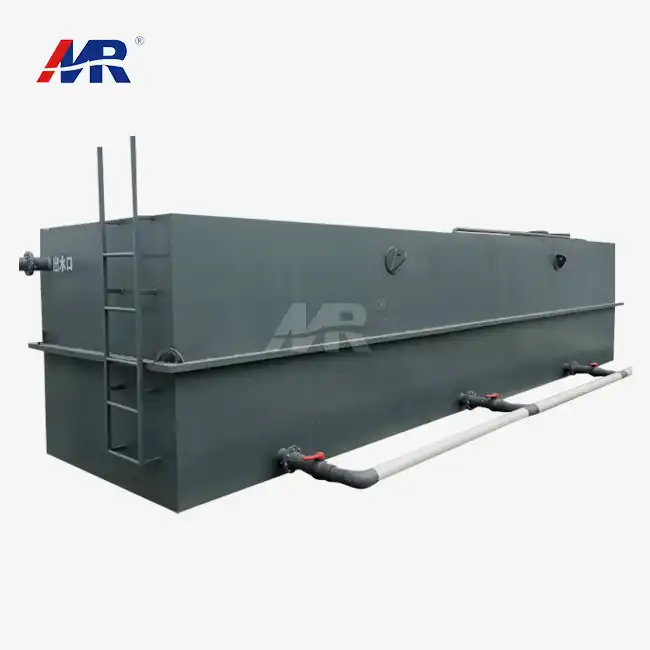 VIEW MOREportable wastewater treatment plant
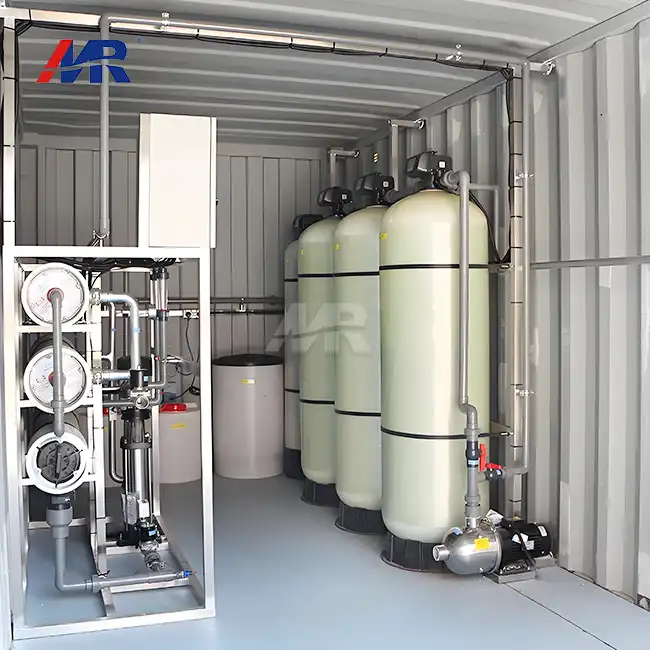 VIEW MOREcontainer type 3m3/hour RO equipment
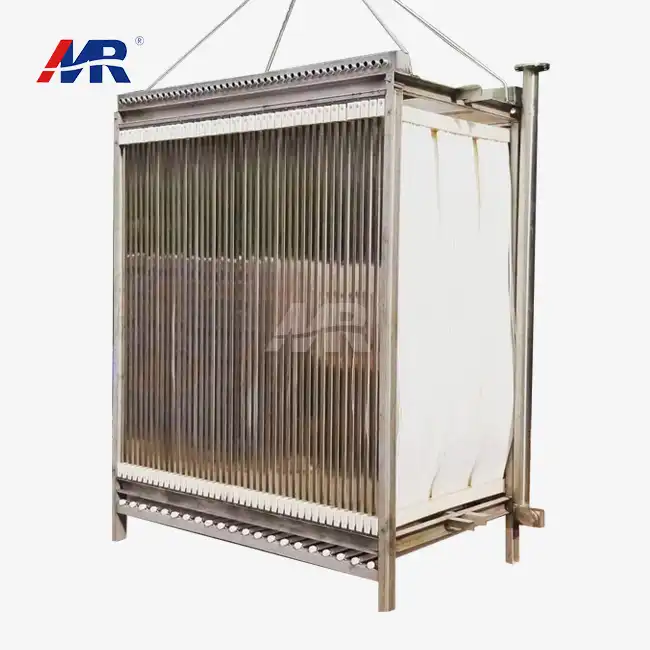 VIEW MOREmembrane bioreactor
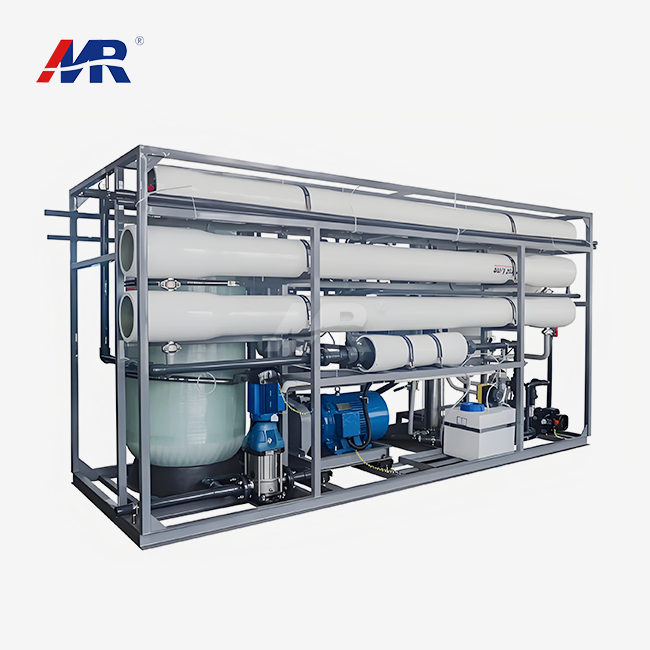 VIEW MOREseawater treatment plant
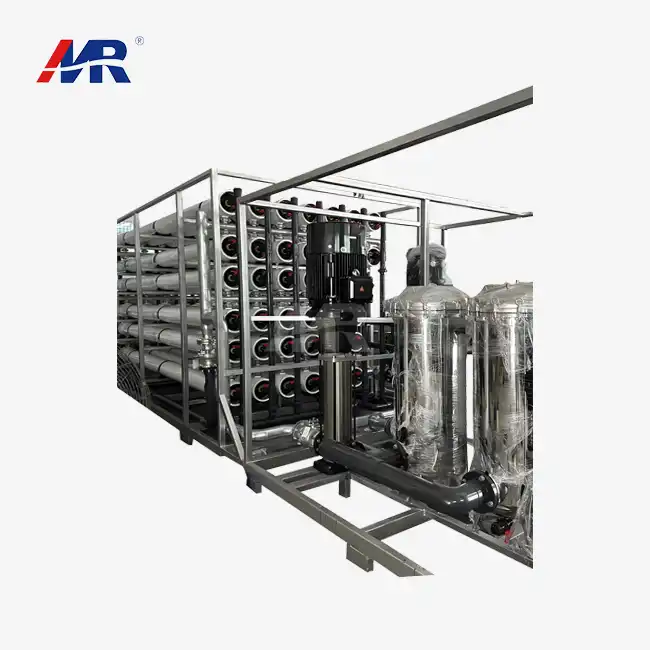 VIEW MORE150m3/hour reverse osmosis plant
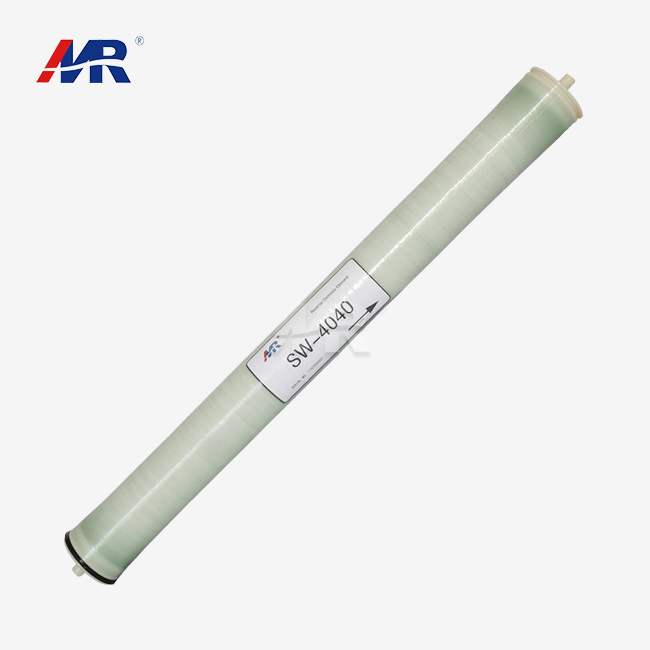 VIEW MORE4040 seawater reverse osmosis membrane
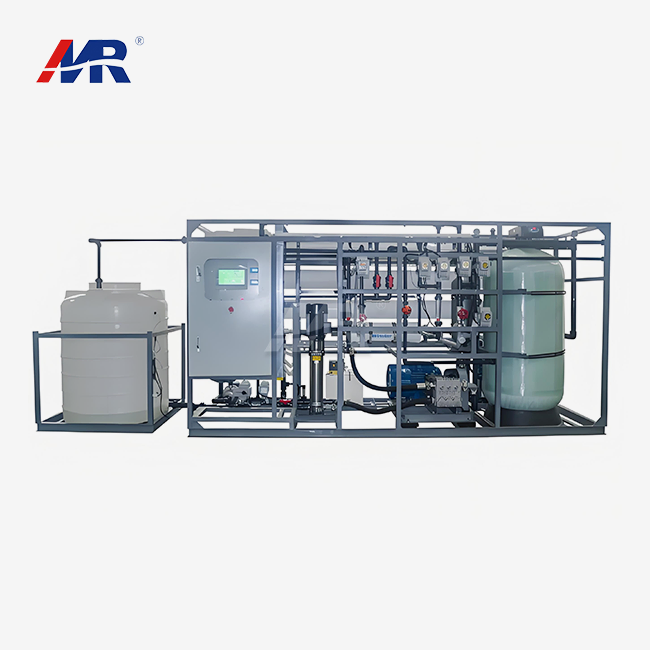 VIEW MOREseawater treatment system
