

_1745823981883.webp)

Cost-Effective RO Solutions for Municipal Wastewater: What You Need to Know
Municipal wastewater treatment presents tricky issues that need advanced answers that strike a balance between usefulness and cost-effectiveness. Modern RO System technology gives cities and towns a tried-and-true way to get better water quality while keeping costs down. When procurement workers know the basics of how reverse osmosis can be used in municipal settings, they can make smart choices about how to adopt cost-effective treatment solutions that meet regulations and long-term sustainability goals.

Understanding Municipal Wastewater and RO Systems
Municipal wastewater has a lot of different contaminants that are hard for standard cleaning methods to get rid of all at once. Some of these toxins are bacteria, medicines, minor chemicals, organic matter, dissolved salts, and suspended solids. They can be very dangerous to human health and the environment.
The Challenge of Municipal Wastewater Composition
Total dissolved solids (TDS) levels in municipal wastewater are usually between 300 and 800 mg/L. Other toxins in wastewater include organic chemicals, nitrogen, phosphorus, and new ones like endocrine disruptors. Usually, the way water was treated in the past didn't get rid of these dissolved substances well enough for it to be reused or to meet strict release standards.
How Reverse Osmosis Technology Addresses These Challenges
Pressure is used in reverse osmosis to separate water molecules from particles across semipermeable barriers. This process is very good at getting rid of contaminants; it usually gets rid of 95–99% of dissolved solids, chemical compounds, and bacteria. The membrane barrier successfully stops contaminants while letting clean water molecules pass through. This makes high-quality permeate that can be used in several different ways.
The way it works is based on pressure-driven separation, where limited amounts of feed water move through specially designed screens. Modern ro membranes are very long-lasting and don't get clogged easily. This makes them perfect for city uses where steady performance over long periods of time is important.
Benefits for Municipal Applications
Using RO systems to clean up wastewater in cities has many benefits that affect both how well the systems work and how well they follow the rules. Better chances to reuse water help cities and towns use less groundwater while still meeting the growing need for clean water. This skill is especially useful in places where water is rare and finding other water sources becomes more important.
Long-term cost savings come from using fewer chemicals, making less sludge, and making sure that the process is more consistent than with traditional methods. The technology helps people follow ever stricter discharge standards and gives them the freedom to adapt to new rules without having to make big changes to their infrastructure.
Evaluating Cost-Effective RO Solutions for Municipal Wastewater
To choose the best reverse osmosis option, you need to carefully look at the performance and cost drivers that affect the total cost of ownership. To get the best value, municipal leaders must balance the original cash investment with the costs of running the business in the long term.
Key Cost Drivers in Municipal RO Systems
The choice of membrane has a big effect on both efficiency and prices. Fouling-resistant mixtures make cleaning more often and the membrane last longer, while high-flux membranes lower the area of the membrane that needs to be used and the costs of the infrastructure that goes with it. Energy use is another big cost factor. High-pressure pumps usually use between 60 and 80 percent of the energy used in operations.
Different types of feed water have different pretreatment needs, but they are all necessary to protect the membrane's structure and keep its performance stable. Effective preparation lowers membrane fouling, increases service life, and lowers the number of times chemicals need to be cleaned, all of which have a direct effect on running costs.
Advanced Multi-Stage Configurations
Multistage reverse osmosis systems get the most water back while also cutting down on the cost of getting rid of concentrate. In these setups, the concentrate from the first stage is used as feed water for later stages. This makes it possible to collect 85–95% of the water, which is higher than the 75–85% rate for single-stage systems.
Better recovery directly leads to less raw water use and smaller amounts of concentrate being thrown away. Municipal owners get lower disposal fees and less damage to the environment while getting the most treated water out of the material they have access to.
Containerized and Modular Solutions
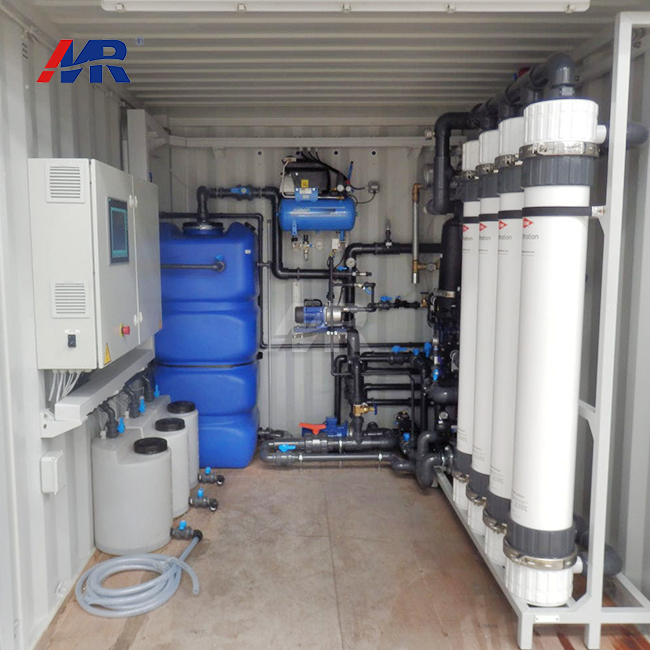
Containerized RO systems are very helpful for cities and towns because they are easy to set up and save a lot of money. All the parts for these systems are built into normal shipping containers, which makes installation quick and lowers the cost of building. The flexible method lets cities and towns increase treatment capacity gradually as need arises, so they don't have to make big investments at the start.
Portable setups are great for short-term treatment needs, emergencies, or pilot testing before a permanent installation. Because the equipment is mobile, cities and towns can move it around as needed or to provide extra treatment capacity while it's being fixed.
How to Select the Right RO System for Municipal Wastewater?
To pick the right reverse osmosis system, you need to carefully consider your treatment goals, the features of the feed water, and the limitations of the system's operation. Teams that buy things for cities have to think about a lot of things to make sure that the methods they choose will meet both current and future needs.
Critical Procurement Criteria
How much treatment space is needed depends on how much water is flowing now and how much it is expected to grow over the system's lifetime. If you make accurate flow estimates, you can avoid undersizing, which could hurt the success of the treatment, or oversizing, which would add costs that are unnecessary. The goals for water quality must be in line with how the treated water is going to be used, whether it's for agriculture, commercial supply, or secondary drinking.
The type of membrane and the amount of preparation needed are based on the contaminants present, such as TDS levels, organic material, and specific pollutants such as fluoride or heavy metals. A thorough study of the water allows for accurate system size and optimization for maximum water removal efficiency.
Comparing RO Technology with Alternative Treatment Methods
While UV cleaning, carbon filtration, and water softeners all achieve different treatment goals, reverse osmosis is the only one that gets rid of all contaminants. UV devices are great at killing pathogens, but they can't get rid of dissolved salts or organic molecules. Carbon filter gets rid of chlorine and some organics well, but it's not very good at getting rid of dissolved solids.
Multi-stage RO systems are better for complicated municipal wastewater uses because they mix the benefits of physical separation and chemical rejection. Multiple treatment goals can be met at the same time by this technology, which often gets rid of the need for multiple specialized treatment methods.
Energy Efficiency and Environmental Considerations
Variable frequency drives, energy recovery devices, and improved working pressures are all parts of energy-conscious system design that work together to cut down on power use. Modern energy recovery machines can cut the amount of energy needed by 30 to 60 percent compared to systems that don't use energy recovery. This makes the economics of operations much better.
Environmental sustainability is more than just reducing energy use. It also involves reducing chemical use, trash production, and carbon emissions. RO systems usually need fewer chemicals than other types of treatment, and they make focused waste streams that make it easier to restore resources.
Maintenance and Troubleshooting for Cost-Effective RO Operation
To get the most out of a reverse osmosis system, it needs regular care and aggressive troubleshooting methods. Systems that are well taken care of keep the water quality stable and reduce the need for sudden repairs and replacements.
Essential Maintenance Parameters and Monitoring
Monitoring a RO system well means keeping an eye on a number of factors that show how healthy the membranes are and how well the system is working. Temperature, permeate flow, feed flow, permeate conductivity, feed conductivity, and system levels all show a lot about how things are working. With these factors, operators can see patterns in behavior and figure out what repairs are needed before they happen.
The permeability of a membrane is greatly affected by temperature. Lower temperatures lower the flow of permeate and require higher working pressures. By comparing performance data to normal temperature conditions, you can accurately look for trends and figure out what's wrong.
Filter Replacement Schedules and Best Practices
Systematic filter change keeps the system running at its best and keeps servicing costs low. Pre-filters, like sediment and carbon filters, usually need to be changed every 6 to 12 months, but this depends on the quality of the feed water and how full the system is. Under normal settings, RO membranes usually keep working well for two to three years.
Keeping an eye on changes in standardized performance helps figure out the best time to replace something. Standards in the industry say that you should move right away if standardized performance changes are more than 15% from the starting point. This method keeps speed from dropping while avoiding the costs of replacing things too soon.
Common Operational Issues and Solutions
In city RO systems, membrane fouling is the most common problem that needs to be fixed. When bacteria make biofilms on membrane surfaces, this is called biological fouling. Scaling, on the other hand, happens when dissolved minerals settle to the top. Monitoring the difference in pressure and standardized permeate flow regularly lets you find fouling problems early.
When done right, chemical cleaning procedures using approved cleaning solutions can bring back membrane function. However, prevention through effective pretreatment and following the right working methods works out cheaper than cleaning processes that happen often.
Professional Installation and Service Support
The performance and life of a system are greatly affected by how well it is installed. When something is professionally installed, the piping, electrical connections, and setting of the control system are all done correctly, and the performance is checked against the design specs. Certified service providers know how complicated systems are and can spot problems before they affect operations.
Comprehensive service plans give you access to professional support, real replacement parts, and the ability to help in an emergency. These relationships reduce the chances of downtime while making sure that warranties are followed and that the system works at its best for as long as it is in use.
Conclusion
The treatment of wastewater in cities needs complex methods that combine how well the treatment works with how much it costs to run. Modern RO System technology has shown that it is possible for cities and towns to get better water quality while keeping costs low by designing the systems more efficiently and keeping them in good shape. Strategic partnerships with experienced solution providers guarantee the smooth running of projects and long-term operating success, allowing cities and towns to follow current rules and prepare for future ones.
FAQ
Q1: What contaminants can RO systems remove from municipal wastewater?
It is possible for reverse osmosis systems to get rid of 95–99% of liquid solids, such as salts, heavy metals, organic substances, and viruses. The technology is very good at getting rid of fluoride, nitrates, phosphates, and new contaminants like drugs that are hard for traditional cleaning methods to get rid of properly.
Q2: How often should RO membranes be replaced in municipal applications?
Under regular working conditions, the RO membrane should be replaced every two to three years. It depends on the quality of the feed water, the number of hours the system is used, the quality of the upkeep, and how full the system is. By keeping an eye on standardized performance factors, you can make replacement choices based on facts that are the best in terms of both performance and cost.
Q3: What factors influence the total cost of ownership for municipal RO systems?
Costs are affected by things like the initial investment in equipment, the amount of energy used, the repair of membranes, the cost of chemicals for cleaning and pretreatment, and the cost of operating work. Energy costs are usually the biggest part of running a business, so recovering energy and designing systems that use it efficiently are very important for keeping costs down.
Q4: How do multi-stage RO systems improve cost-effectiveness?
With multi-stage setups, water recovery goes from 75–85% to 85–95%, which lowers the amount of raw water needed and the cost of getting rid of the concentrate. Higher recycling rates are better for the environment and the business's bottom line because they lower the cost of handling and getting rid of trash.
Q5: What pretreatment is required for municipal wastewater RO systems?
The types of pretreatment needed vary depending on the feed water, but they usually include a multistage filter, chemical dosing for coagulation and pH control, softening to get rid of hardness, disinfecting, and then dechlorinating. When cleaning is done right, membranes are kept from sticking and scaling, which extends their useful life.
Partner with Morui for Your Municipal RO System Needs
When cities have problems with treating water, they need people with a lot of experience who know both technology and how things work in the real world. Morui Environmental Technology offers cost-effective solutions for local wastewater uses by combining its proven RO system manufacturing skills with a wide range of service offerings. Our integrated method includes everything from designing the system from the beginning to providing long-term upkeep support, making sure that it works at its best and follows all regulations. Get in touch with our expert team at benson@guangdongmorui.com to talk about your unique needs and find out how our RO system supplier can help your city's water treatment problems.
References
1. Water Environment Federation. "Membrane Bioreactors for Wastewater Treatment: Principles and Applications." WEF Press, 2018.
2. American Water Works Association. "Reverse Osmosis and Nanofiltration: Manual of Water Supply Practices M46." AWWA Publications, 2017.
3. Metcalf & Eddy, Inc. "Wastewater Engineering: Treatment and Resource Recovery, 5th Edition." McGraw-Hill Education, 2014.
4. National Research Council. "Water Reuse: Potential for Expanding the Nation's Water Supply Through Reuse of Municipal Wastewater." The National Academies Press, 2012.
5. International Water Association. "Membrane Technology in Water and Wastewater Treatment: 2nd Edition." IWA Publishing, 2019.
6. U.S. Environmental Protection Agency. "Guidelines for Water Reuse: EPA/600/R-12/618." Office of Research and Development, 2012.
 VIEW MOREcontainerized ultrafiltration equipment
 VIEW MOREDTRO Water Treatment
 VIEW MOREswro desalination plant
 VIEW MORE60m3/hour reverse osmosis plant
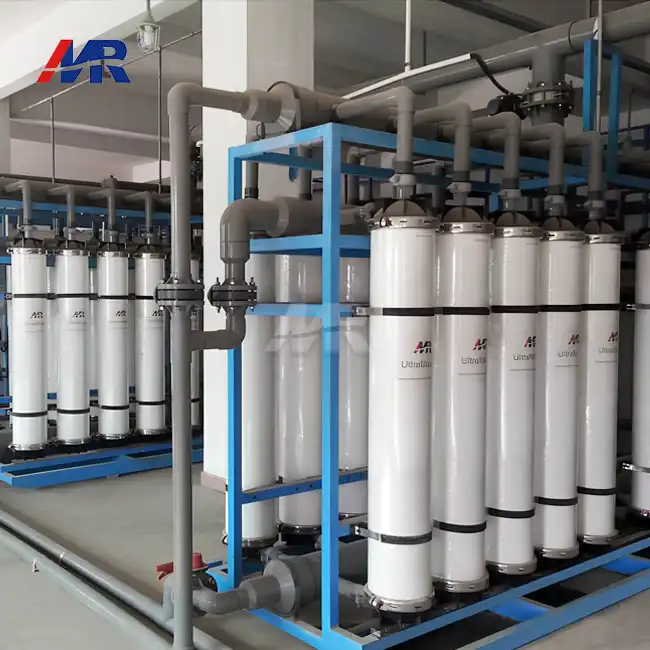 VIEW MORE200m3/hour ultrafiltration equipment
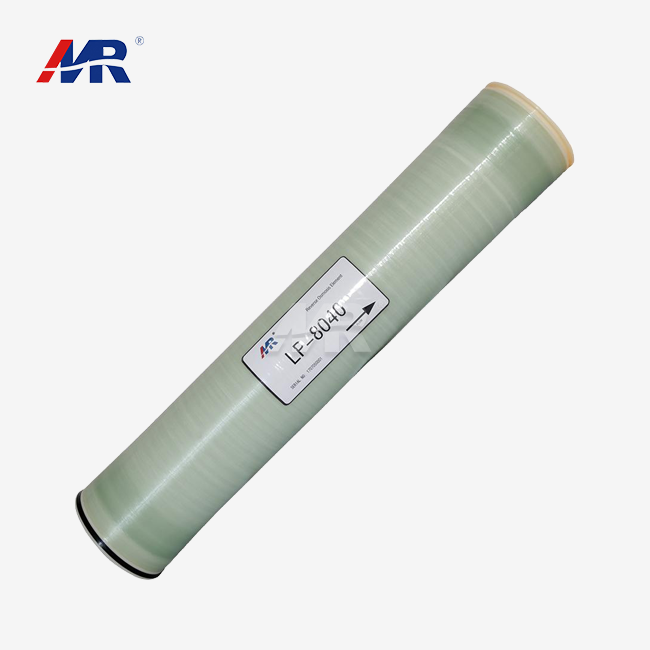 VIEW MOREreverse osmosis membrane
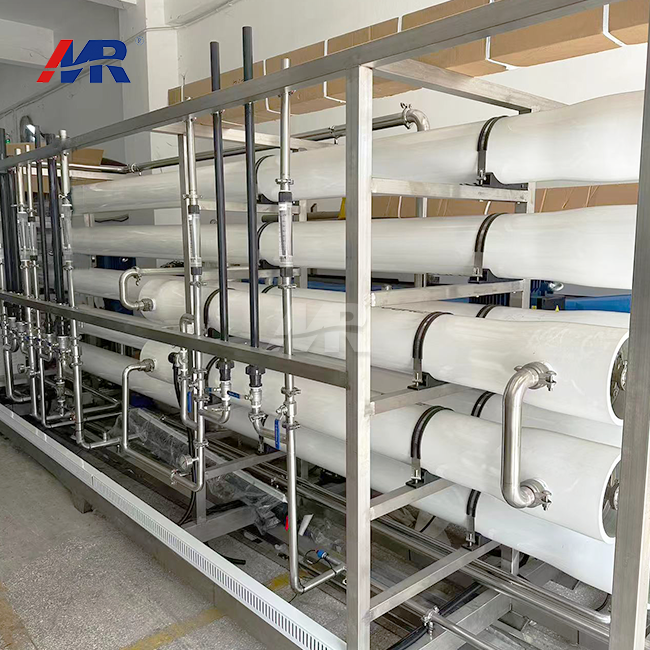 VIEW MOREosmosis drinking water system
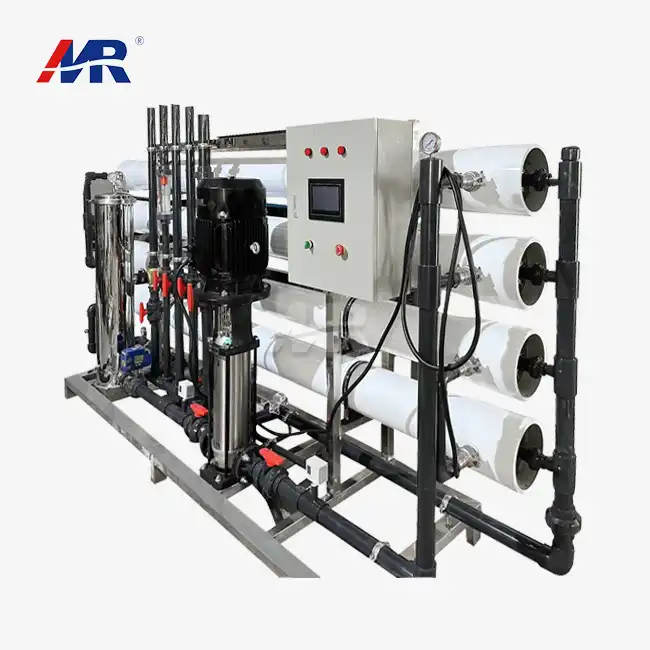 VIEW MORE12m3/hour reverse osmosis BWRO system
