_1745823981883.webp)

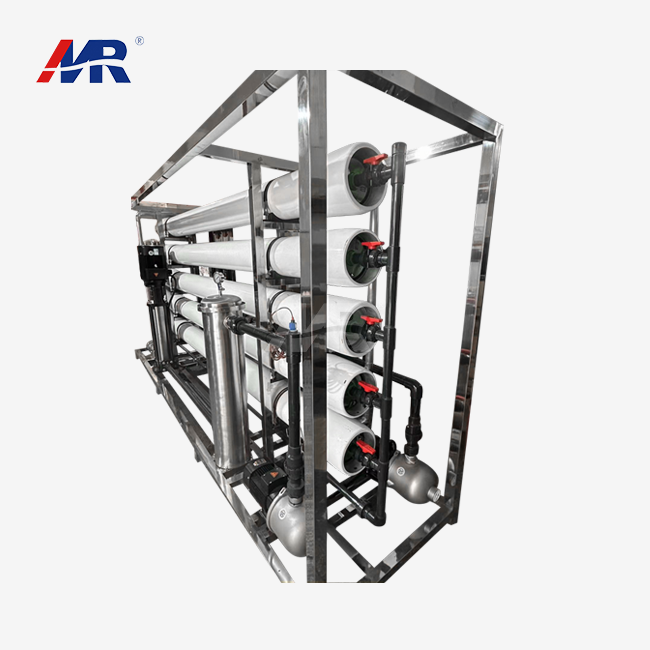
A reverse osmosis system uses a complex membrane-based method that pushes water molecules through walls that aren't fully porous and keep contaminants out. Using pressure to fight natural osmotic forces, this technology separates clean water from salts, chemicals, and bacteria that are already dissolved in the water. The process includes many steps, such as pre-treatment, high-pressure filtration, and post-treatment. This ensures the water meets strict quality standards. These practical principles help businesses in the industrial, pharmaceutical, food processing, and municipal sectors make smart choices about how to spend money on water treatment. Reverse osmosis is a new way to purify water that solves problems that older methods can't. RO plants use modern semipermeable membranes to get rid of contaminants that other filter methods have a hard time removing. Because the technology is so flexible, companies that want to follow the rules about water cleaning while also keeping costs down can't imagine working without it.
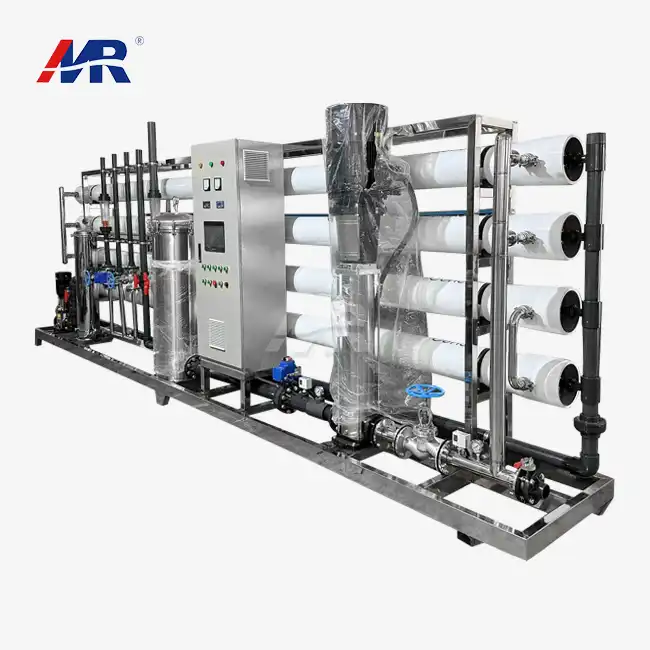
Understanding the Basics of Reverse Osmosis Systems
When reverse osmosis is used, pressure higher than the tainted water's natural osmotic pressure is applied from the outside. This pushes the clean water molecules through filters made for this purpose and keeps the larger particles from getting through. This membrane-based filtration technology is different from traditional ways because it can separate at the molecular level.
Core Technology Principles
Reverse osmosis technology is based on filters that only allow particles of certain sizes (from 0.0001 to 0.001 microns) to pass through. These barriers let only pure water molecules through while blocking heavy metals, bacteria, viruses, organic substances, and salts that are dissolved in water. The process needs between 150 and 600 PSI of pressure, based on the feedwater and the quality of the output that is wanted.
Advantages Over Traditional Filtration Methods
Reverse osmosis is different from UV cleaning, carbon filtration, or sediment screens because it can remove all types of contamination. The technology has several important perks that make it better than other ways to treat the same problem:
- Thorough Contaminant Removal: Reverse osmosis systems remove 99.9% of most liquid solids, germs, viruses, and chemicals, which is much better than what standard filters can do.
- Energy Efficiency: Modern RO plants use only 3 to 6 kWh per cubic meter of cleaned water, so they are cheaper than thermal distillation methods when they are used all the time.
- Scalability: The systems range from homes to factories that process 100,000 gallons a day, which meets a wide range of business needs.
For businesses that need to make high-quality water consistently and don't want to deal with the difficulties of other technologies, reverse osmosis is the best choice because of these benefits.
Step-by-Step Working Process of a Reverse Osmosis Water Purification Plant
An RO water treatment plant works in an orderly way that protects sensitive membrane parts and makes the process as efficient as possible. Each step has a certain role in providing the best water quality and making the system last longer.
Stage 1: Pre-Treatment Process
Pre-treatment is an important base for a good RO process. This step uses multimedia filtration, activated carbon treatment, and water cooling to get rid of sediments, chlorine, and minerals that make scale. Filters for sediment catch bits bigger than 5 microns, and activated carbon gets rid of chlorine that could hurt ro membranes. Water softening lowers the amounts of calcium and magnesium in water in order to stop membrane cracking.
Stage 2: High-Pressure Pumping
When using reverse osmosis, water is pushed through the membranes by high-pressure pumps, which create enough force to go against the osmotic pressure. For saltwater, these pumps usually work at pressures between 600 and 900 PSI, and for water that is neither fresh nor salt, they work at 200 to 400 PSI. Variable frequency drives adjust the way a pump works based on the conditions of the feedwater and the needs of the production.
Stage 3: Membrane Filtration
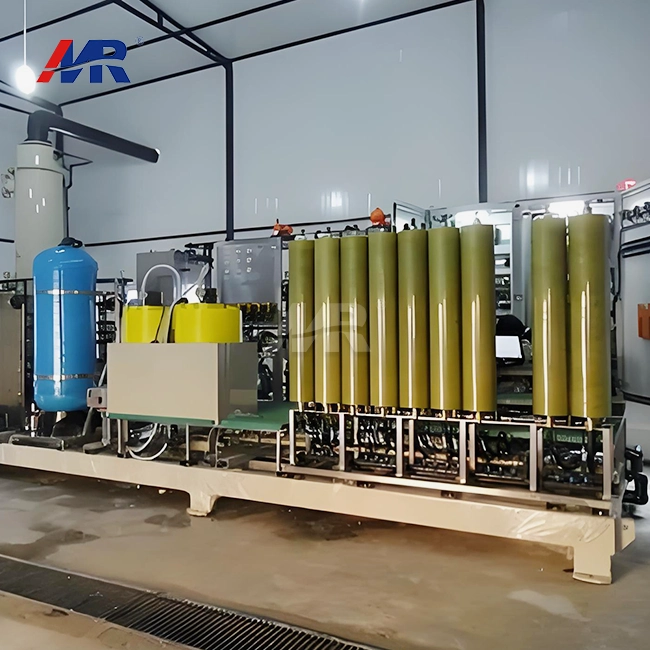
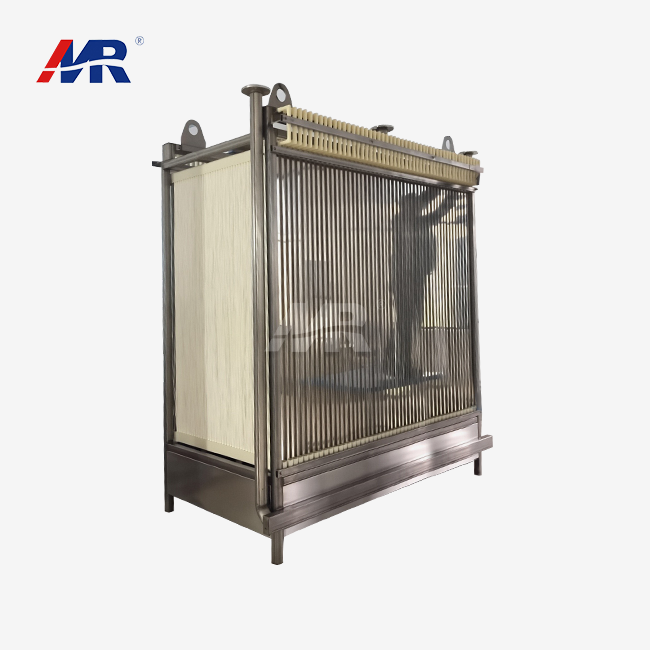
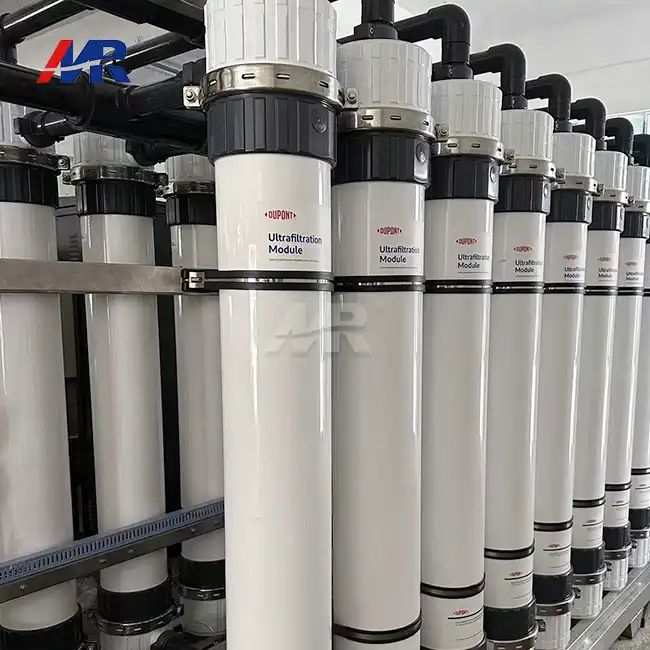
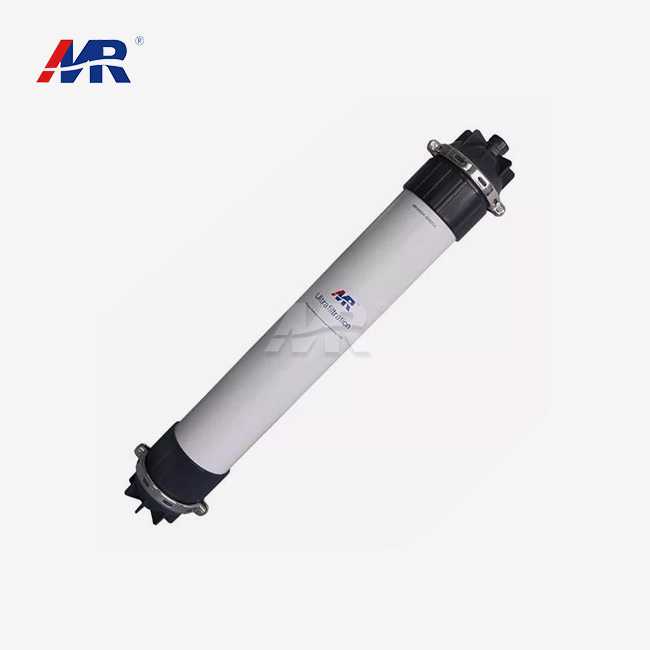
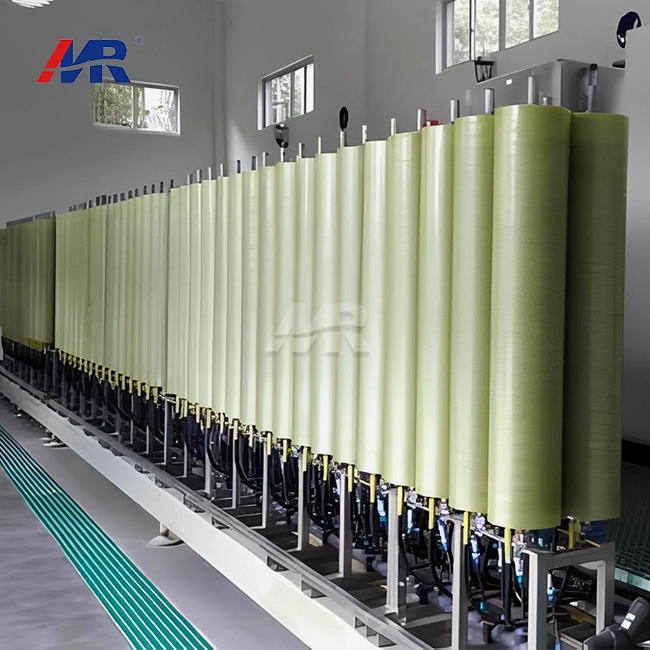
Its high-rejection thin-film composite (TFC) membranes are what make a reverse osmosis system work. These membranes are made up of three different layers: a polyester support layer, a polysulfone middle layer, and an ultra-thin polyamide active layer. While toxins are pushed out and washed away as a concentrate, water molecules go through the active layer.
Stage 4: Post-Treatment and Storage
The evaporated water is polished after cleaning to meet certain quality standards. UV cleaning gets rid of any germs that are left, and remineralization adds minerals that are good for taste and stability. The water that has been treated is kept in tanks that are clean and have tracking systems and delivery pumps.
Today’s RO plants have recovery rates of up to 75%. This means that three-quarters of the water that goes into the system ends up as a clean product, and one-quarter of it stays dirty and takes away the contaminants that were rejected. Because it is so efficient, the technology can be used for large-scale water cleaning without losing money.
Maintenance and Troubleshooting of Reverse Osmosis Systems
Proper repair keeps technology working well, saves money on operations, and makes it last longer. Businesses that make water all the time understand upkeep and fixing.
Regular Maintenance Schedule
Based on how often you use it and the quality of the feedwater, you need to change the pre-filters every 6 to 12 months. Under normal conditions, RO membranes last about 2 to 3 years, but they may need to be replaced more often when water conditions are bad. Using allowed chemicals to clean the membrane regularly gets rid of buildup and returns flux rates.
Common Issues and Solutions
Filters need to be cleaned or changed when the pressure drops because of clogged filters or fouled membranes in a reverse osmosis system. Membrane scaling can cause lower flow rates, which means that either acid cleaning or membrane repair has to be done. When the product water has a bad taste, it usually means that organics have gotten through or that the carbon filters are used up.
Performance Monitoring
Advanced tracking systems keep an eye on key performance markers like pressure differentials, flux rates, and conductivity readings. These systems let you know early when there might be a problem and let you plan maintenance based on predictions to keep the system up and running.
Choosing the Right Reverse Osmosis System for Your Business Needs
It is important to think about volume needs, water quality goals, and practical issues when choosing the right RO equipment. The needs of different businesses affect how systems are built and which parts are used.
System Sizing and Capacity Planning
The capacity needed varies from small systems that make dozens of gallons a day right where the water will be used, to big factories that make 100,000 gallons a day or more. Pharmaceutical plants often need systems with extra parts and proof of confirmation, but food processing applications put the most emphasis on making sure that quality stays the same and the design is clean.
Procurement Considerations
When looking for a RO system provider, companies should think about these important things that will help them succeed in the long run:
- Technical Knowledge: If a supplier has a lot of experience in engineering, they can make unique solutions that will meet your exact water quality needs as well as the rules you have to follow.
- Service help: All-in-one service networks offer installation, setup, training, and ongoing maintenance help to make sure the system works well.
- Component Quality: Membranes, pumps, and control systems of high quality keep the system performing well, cut down on upkeep costs, and extend its lifespan.
These things help companies find providers that can provide good, affordable water cleaning options that meet the needs of the business now and in the future.
Application Areas and Industry Use Cases
In a range of industries and businesses that need to ensure water quality for product quality, operating efficiency, and compliance with rules, a reverse osmosis system is used. Businesses can find RO solution possibilities when they understand these apps.
Industrial Manufacturing Applications
Electronics and microchip manufacturing need water that is ultra-pure for handling and cleaning chips. When electrodeionization (EDI) technology is used with RO systems, the water produced has a resistance of over 18 megohm-cm. Pharmaceutical companies need RO equipment to make clean water that meets Good Manufacturing Practice (GMP) guidelines for making drugs and cleaning equipment.
Food and Beverage Industry
To make sure that the quality and taste of their water is always the same and to get rid of things that might be dirty, bottled water companies use reverse osmosis (RO) technology on their source water. To make sure that water has the same makeup at different production sites, beverage companies use RO systems. This helps keep the taste of the drinks the same.
Municipal and Utility Applications
During droughts or times of population growth, coastal areas use large-scale saltwater purification plants to get more freshwater. Municipal water treatment plants use RO technology to improve the way they treat water and meet the standards for drinking water that keep getting stricter.
Morui Water Treatment Solutions
The name of a province in southern China. Morui Environmental Technology specializes in water treatment systems that are made to meet a wide range of needs in businesses and industries. We have a lot of experience in many areas, including commercial wastewater treatment, handling sewage from homes, desalinating seawater, and making drinking water using modern membrane technologies.
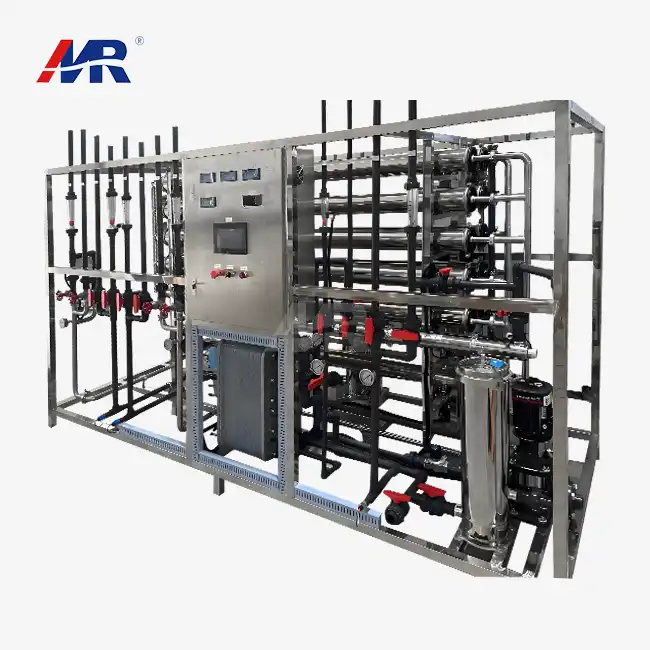
Our reverse osmosis systems work great because of new technology and unique engineering. Our systems remove 99.9% of contaminants while only using 3 to 6 kWh of energy per cubic meter, with recovery rates of up to 75% and capacities from 1,000 to 100,000 gallons per day. The flexible design makes it easy to add on when the business needs it, and the advanced tracking systems make sure that performance is steady and problems are found early.
Our full-service method includes making equipment, installing it all at once, starting it up, and giving ongoing technical help. We run our own membrane production plant and equipment processing companies. With 14 branches, 500 workers, and 20 engineers, we oversee their operation. We are also approved distributors for top names like Shimge Water Pumps, Runxin Valves, and Createc Instruments. This way, you can be sure that you have access to high-quality parts and dependable supply lines.
Conclusion
Reverse osmosis water treatment plants use complex multi-stage systems that provide very high water quality for a range of business and industrial uses. Businesses can make smart choices about water treatment assets when they know how the technology works, why it works that way, and how to keep it working. The step-by-step process from pre-treatment to post-treatment makes sure that the system works the same way every time and keeps important membrane parts safe. With the right system selection and upkeep, RO technology offers reliable, low-cost ways to meet strict water quality standards in fields from making drugs to processing food.
FAQ
Q1: How often should I replace the filters and membranes in an RO system?
A: Pre-filters typically require replacement every 6-12 months, depending on feedwater quality and usage patterns. RO membranes generally last 2-3 years under normal operating conditions, though challenging water conditions may necessitate more frequent replacement. Regular performance monitoring helps determine optimal replacement schedules.
Q2: Can reverse osmosis remove all types of contaminants?
A: RO technology removes 99.9% of dissolved salts, bacteria, viruses, heavy metals, and most organic compounds. However, certain gases and very small molecules may require additional treatment methods such as activated carbon or UV sterilization for complete removal.
Q3: What are the energy requirements for operating an RO system?
A: Modern RO systems consume 3-6 kWh per cubic meter of treated water, making them energy-efficient compared to thermal distillation methods. Energy recovery devices in larger systems can reduce power consumption by recovering pressure energy from the concentrate stream.
Partner with Morui for Your Water Treatment Needs
Ready to implement a reliable water purification solution for your business? Morui offers comprehensive reverse osmosis systems designed to meet your specific requirements with our proven track record in water treatment technology. Our experienced engineering team provides customized solutions backed by complete installation and ongoing support services. As a leading reverse osmosis system manufacturer, we deliver cutting-edge technology with competitive pricing and sustainable operational benefits. Contact us at benson@guangdongmorui.com to discuss your water treatment requirements and discover how our advanced RO systems can optimize your operations. Visit moruiwater.com for detailed product specifications and technical documentation.
References
1. Greenlee, L.F., Lawler, D.F., Freeman, B.D., Marrot, B., & Moulin, P. (2009). Reverse osmosis desalination: Water sources, technology, and today's challenges. Water Research, 43(9), 2317-2348.
2. Fritzmann, C., Löwenberg, J., Wintgens, T., & Melin, T. (2007). State-of-the-art of reverse osmosis desalination. Desalination, 216(1-3), 1-76.
3. Lee, K.P., Arnot, T.C., & Mattia, D. (2011). A review of reverse osmosis membrane materials for desalination—development to date and future potential. Journal of Membrane Science, 370(1-2), 1-22.
4. Elimelech, M., & Phillip, W.A. (2011). The future of seawater desalination: energy, technology, and the environment. Science, 333(6043), 712-717.
5. Macedonio, F., Drioli, E., Gusev, A.A., Bardow, A., Semiat, R., & Kurihara, M. (2012). Efficient technologies for worldwide clean water supply. Chemical Engineering and Processing: Process Intensification, 51, 2-17.
6. Qasim, M., Badrelzaman, M., Darwish, N.N., Darwish, N.A., & Hilal, N. (2019). Reverse osmosis desalination: A state-of-the-art review. Desalination, 459, 59-104.