_1745823981883.webp)

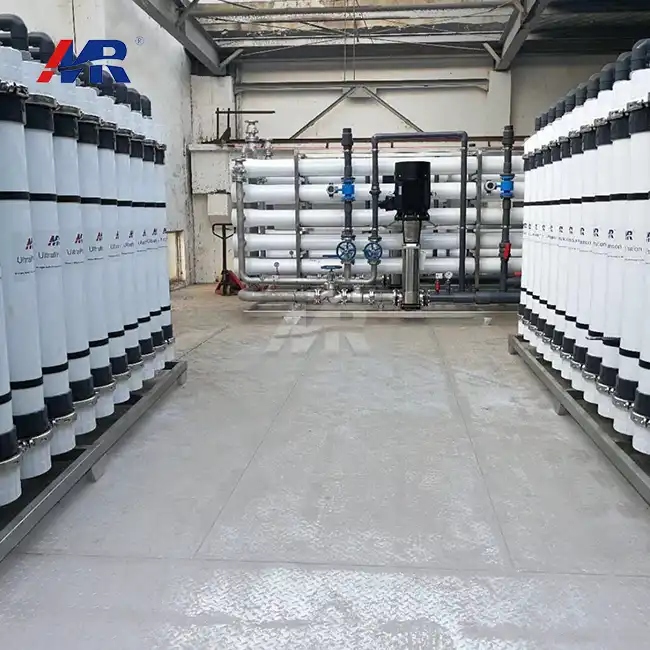
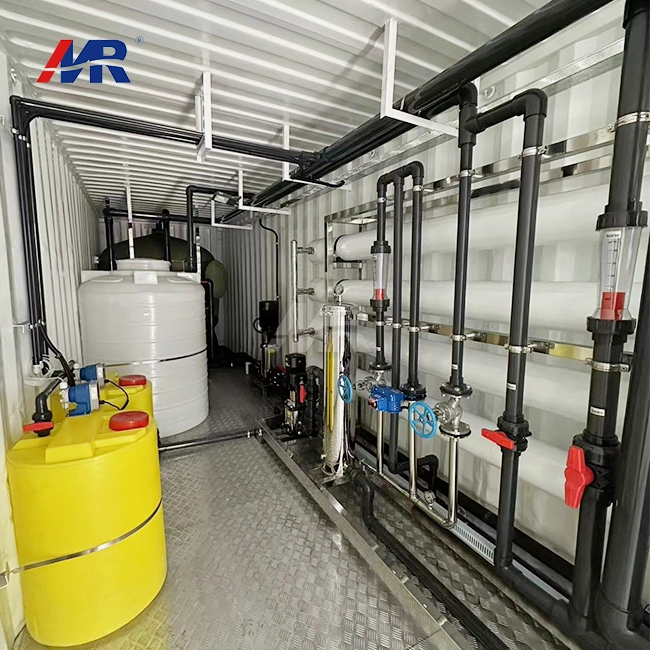
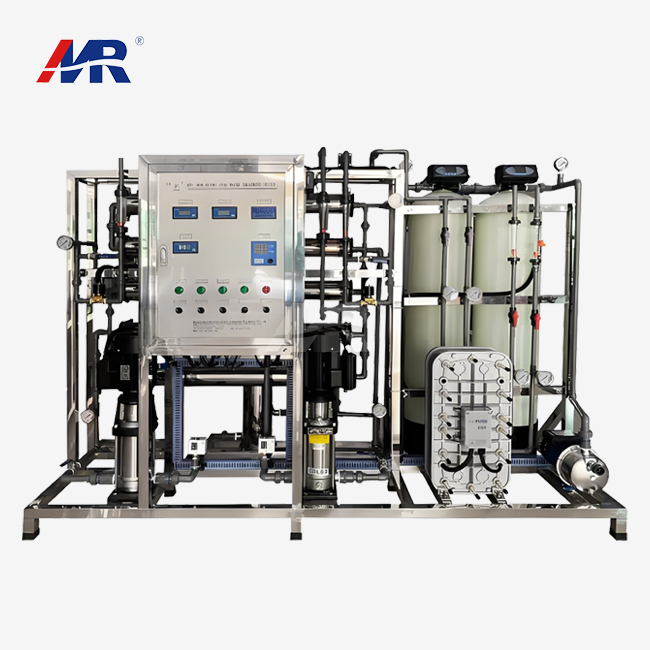
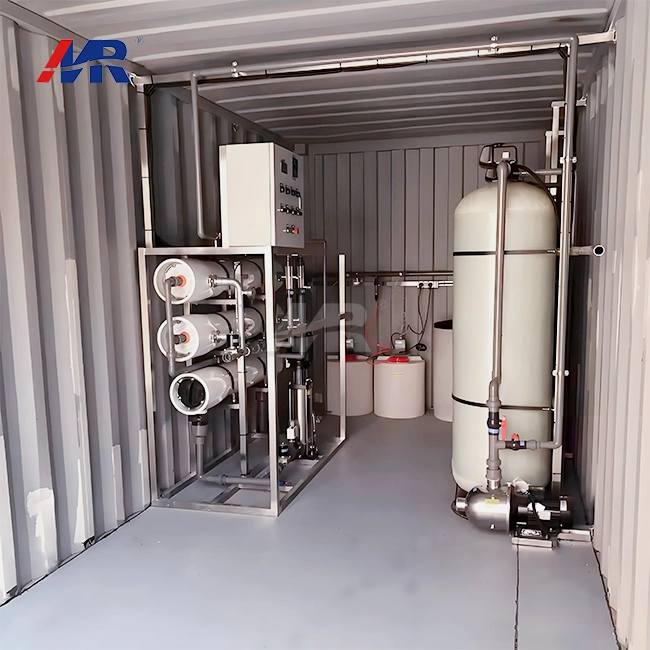
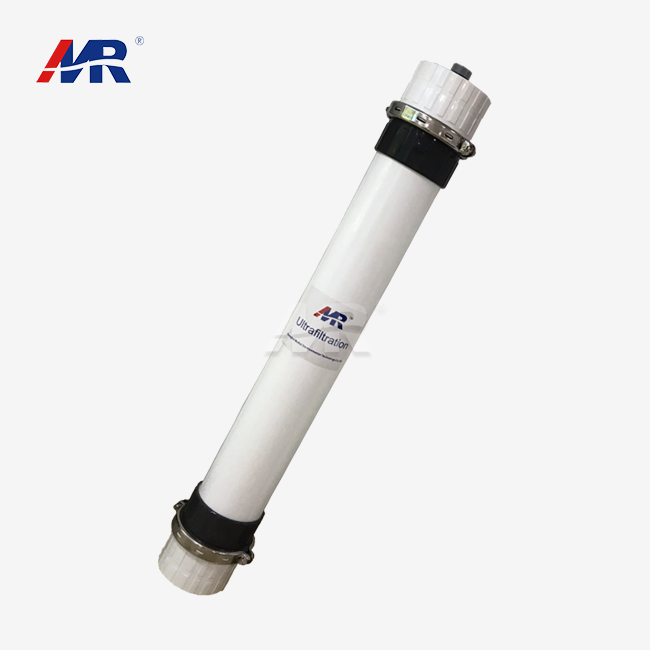
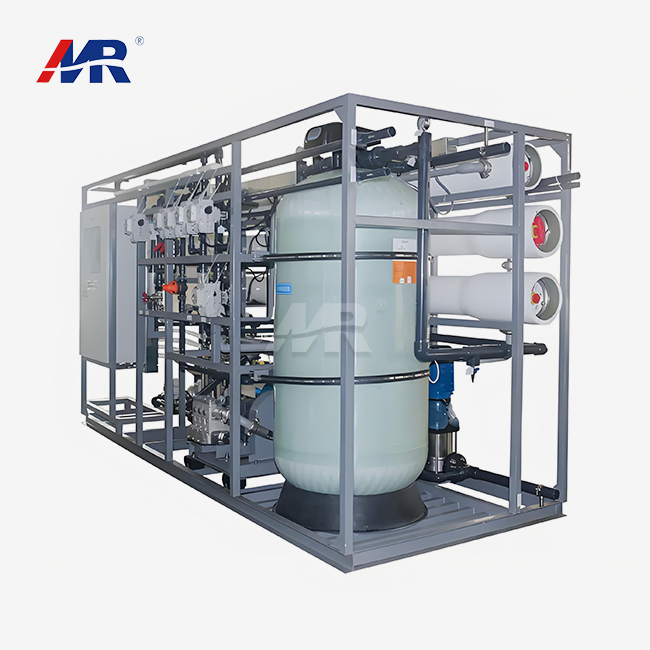
Due to its exceptional capacity to remove suspended solids, germs, and viruses while keeping cost-effective operations, B2B buyers frequently choose an membrane/ultrafiltration-membrane-for-wastewater-treatment">ultrafiltration membrane for wastewater treatment. This advanced membrane technology uses very little energy while filtering much better than other methods. This makes it perfect for industries that need to be sure that their water is clean. The technology can be used in many areas, such as manufacturing, medicine, food processing, and city treatment plants. It provides scalable answers that comply with strict rules and cut costs.
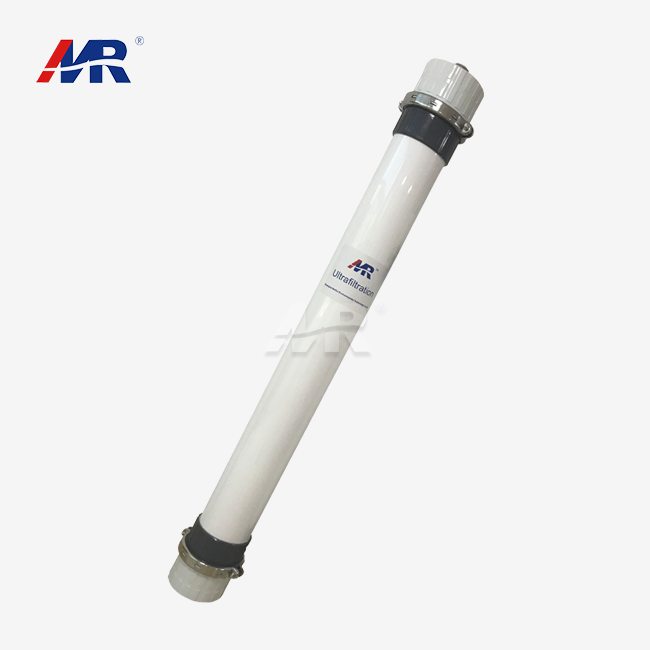
Understanding Ultrafiltration Membranes for Wastewater Treatment
Ultrafiltration membranes are a very important new way to clean water. To sort wastewater toxins, they use selected barriers with holes that are between 0.01 and 0.1 microns wide. Based on pressure-driven filtering, these membranes form a wall that stops big molecules, particles, viruses, and germs from getting through but lets clean water through.
What Are Ultrafiltration Membranes and How Do They Work?
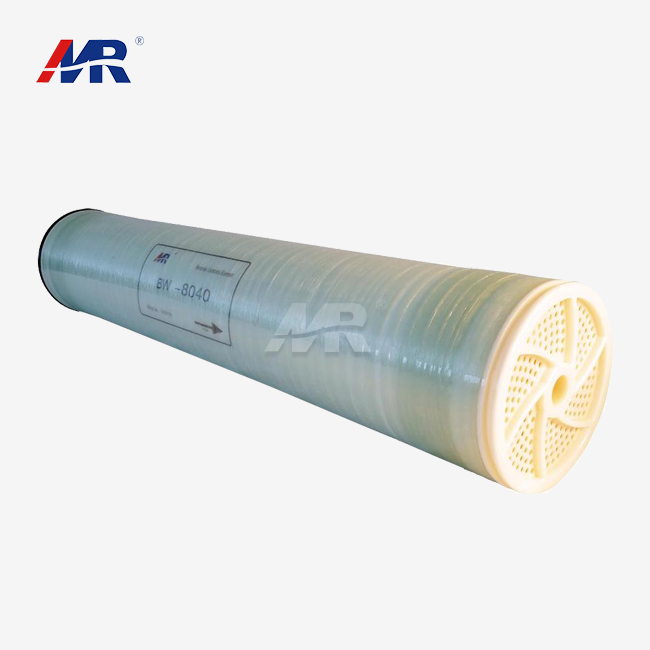
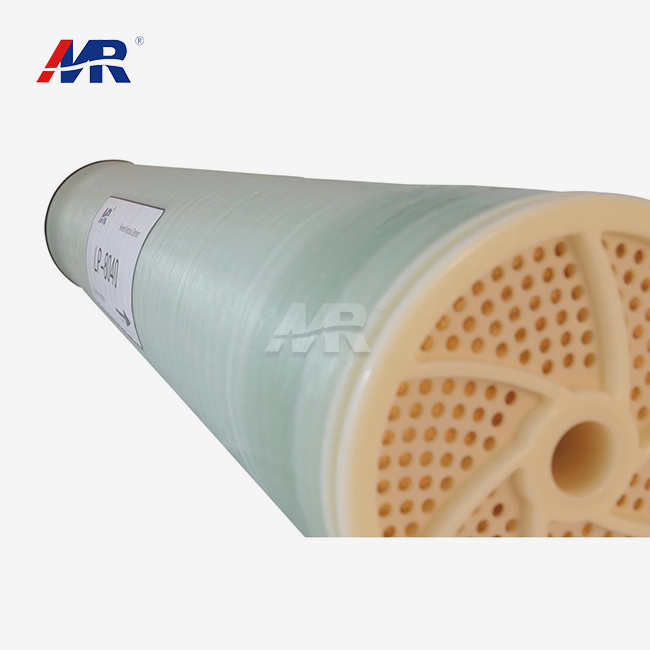
Membrane filtration devices use advanced materials science and accurate pore size engineering. Today’s ultrafiltration systems use PVDF (polyvinylidene fluoride) membranes, which are very good at resisting chemicals and lasting a long time in tough industrial settings.
Ultrafiltration technology works in these basic ways:
- Selective Filtration: The membrane's exact hole structure lets water molecules and salts that are dissolved pass through while keeping bigger impurities out. This removes more than 99% of bacteria and solids that are suspended.
- Pressure-Driven Process: The system keeps stable flow rates of up to 80 L/m²/h and uses less energy than reverse osmosis systems while working at pressures of 0.1–0.3 MPa.
- Cross-Flow Design: Advanced membrane settings stop particles from building up by constantly cleaning the surface. This extends operating cycles and lowers the need for upkeep.
Ultrafiltration's ease of use makes it especially good for fields that need steady water quality but can't use a lot of energy, which high-pressure membrane systems do.
Key Benefits of Ultrafiltration Membranes in Wastewater Treatment
Ultrafiltration technology, such as an ultrafiltration membrane for wastewater treatment, is very helpful for industrial sites because it is good at removing a wide range of contaminants and is efficient when it comes to running operations. The system keeps long-term prices low and deals with important water quality issues.
The main perks are that it always cleans the wastewater well enough to meet the release standards because it removes more pollutants; it also doesn't use much energy, so it costs 30–40% less to run than other technologies; and it handles many kinds of wastewater well. This technology can handle different amounts of contamination without changing how well it works, which makes it very interesting to factories.
Choosing the Right Ultrafiltration Membrane for Your Industrial Needs
Choosing the right membrane technology needs a close look at the performance goals, the way it will be used, and the types of contaminants. To get the best treatment results, industrial users need to think about membrane materials, module designs, and how well the system can be integrated.
Key Factors to Consider When Selecting Ultrafiltration Membranes
Choosing the right material for membranes used in industry is very important for how well they work and how long they last. PVDF films are better at protecting chemicals in pH ranges from 2 to 11. While they are being used, they can handle strong cleaning chemicals and temperatures up to 40°C (104°F).
Important things to look at when choosing are:
- PVDF construction is compatible with membranes because it resists chlorine, acids, and bases that are often found in industrial wastewater. This guarantees a longer operating life and steady performance.
- Module Configuration Optimization: Hollow fiber designs increase surface area per unit volume, which leads to higher flux rates and better space usage in places where there isn't much room available.
- Specificity of Pore Size: Exact pore sizes make sure that the right contaminants are blocked while keeping high permeate flow rates. This strikes a balance between treatment effectiveness and operating efficiency.
These things have a direct impact on the long-term success of the operations and the return on investment for industrial water treatment uses.
Cost and Performance Comparison: Ultrafiltration vs Alternative Technologies
Economic research shows that an ultrafiltration membrane for wastewater treatment has the best performance and lowest costs over its entire lifetime. Compared to standard ways of doing things, membrane systems provide better water quality while using fewer chemicals and making processes easier.
It takes 40–60% less energy to use an ultrafiltration system than a reverse osmosis system, and they both work equally well to get rid of solids and living material in a liquid. The modular design makes it possible to build in a scalable way that lets you add more capacity without having to make big changes to the infrastructure. This gives you the operating freedom that growing industrial businesses need.
Common Challenges and Best Practices in Ultrafiltration Membrane Maintenance
A membrane can keep working well if it is regularly cleaned and cared for in a way that prevents fouling and makes the membrane last longer. Knowing common management issues helps facilities avoid these problems so that systems stay up and running and performance stays consistent.
Typical Operational Issues and How to Avoid Them
In industrial uses, membrane fouling is the most important thing that can go wrong. It happens when particles, chemicals, and living matter build up on the surface of the membrane. A thorough pre-treatment and fine-tuning of working factors are needed for effective fouling avoidance.
Key ways to avoid this include:
- Before Treatment Optimization: Proper screening, clotting, and pH change before membrane systems lower the fouling potential and greatly lengthen the time between cleanings.
- Flux Management: When you operate at the best flux rates below the critical fouling levels, you keep stable performance, and this means you don't have to clean or use chemicals as often.
- Water Quality Monitoring: By constantly checking the turbidity, pH, and conductivity, changes in the working conditions that might affect the membrane's performance can be spotted right away.
These preventive steps keep the treatment performance steady, greatly lowering both upkeep costs and working downtime.
Effective Maintenance and Cleaning Methods
Systematic cleaning procedures restore membrane permeability and extend operating life by getting rid of built-up dirt in an ultrafiltration membrane for wastewater treatment. Chemical cleaning methods use specific chemicals to remove deposits caused by different processes while keeping the membrane intact.
Cleaning-in-Place (CIP) systems allow for automatic cleaning processes that make sure the cleaning is always effective and downtime is minimal. Regular backwashing processes get rid of particles that build up, and chemical cleaning does away with organic and mineral fouling that can't be physically removed.
Uses for Ultrafiltration Membranes Across Industries
Membrane technology is used in many different industries, and each one gets tailored solutions that help with its own unique problems. Because the technology is adaptable, it can be successfully used in a wide range of situations and legal settings.
Industrial Sectors Benefiting from Ultrafiltration Technology
Manufacturing plants use an ultrafiltration membrane for wastewater treatment to clean wastewater that has biological materials, oils, and solids that are floating in the water. Ultrafiltration is an important part of bacterial control and production efficiency for food and beverage businesses that reuse water.
Pharmaceutical production benefits from membrane technology's ability to make water that meets GMP standards while using fewer chemicals than traditional cleaning methods. Chemical processing plants like this technology can handle different amounts of harsh chemicals and contaminants.
Integration with Other Treatment Processes for Enhanced Outcomes
Ultrafiltration, biological processes, improved oxidation, and reverse osmosis are all used in combined treatment systems to get rid of all kinds of contaminants. These combined methods make it possible to use advanced water reuse tools and perform zero liquid discharge.
More and more, municipal wastewater treatment plants are using membrane bioreactor setups that combine biological treatment with membrane separation. This makes high-quality sewage that can be reused directly and also makes the facilities' footprints smaller.
Navigating Procurement: How to Source Ultrafiltration Membranes Efficiently
If you want to buy things strategically, you need to know how the market works, what your suppliers can do, and what your long-term support needs are. When choosing membrane vendors, successful buyers look at technical specs, service skills, and financial stability.
Market Overview and Leading Ultrafiltration Membrane Suppliers
The global membrane market has well-known providers with a wide range of Products and specialized industry solutions. Top makers offer a lot of help, such as system design, installation, and ongoing expert support.
Guangdong Morui Environmental Technology Co., Ltd. is an example of a company that offers complete membrane solutions. They can make products themselves and have a lot of experience working in a variety of industries. Our PVDF membrane systems have been shown to work well in difficult situations, and they are reasonably priced when you consider the entire lifecycle.
Procurement Tips: Cost, Delivery, and Installation Considerations
Good purchase methods find a balance between the cost of buying something and its usefulness over time, such as an ultrafiltration membrane for wastewater treatment. They take things like membrane lifespan, cleaning needs, and seller support into account. Buyers should look at the total cost of ownership, which includes assistance for installation, commissioning, and ongoing upkeep.
Managing lead time is very important for planning projects, especially when unique setups are needed that require special materials or changes to the design. Getting to know suppliers who can help you locally and respond quickly lowers organizational risks and makes sure that technology problems are fixed right away.
Conclusion
If B2B buyers want a reliable, cost-effective way to treat wastewater, ultrafiltration membrane technology is a great choice. Because the technology is better at removing contaminants, uses less energy, and can be used in many different ways, it is perfect for a wide range of business purposes. When the right ultrafiltration system is chosen, installed, and properly maintained, it consistently performs well and lowers operating costs. This helps industries comply with regulations and meet sustainability goals.
FAQ
Q1: How long do ultrafiltration membranes usually last in systems that treat wastewater?
A: If they are used and cared for correctly, ultrafiltration membranes usually last between 3 and 7 years. The quality of the feedwater and the cleaning schedule affect how long they last. PVDF membranes usually last longer because they are resistant to chemicals and are strong enough to last through tough conditions.
Q2: How does the hole size of the ultrafiltration membrane affect how well the treatment works?
A: Ultrafiltration membranes with pores that are 0.01 to 0.1 microns wide keep high flux rates while getting rid of solids, bacteria, and some viruses. It is easier to get rid of more contaminants in smaller pores, but this may mean that higher working pressures are needed.
Q3: Can you use ultrafiltration screens with other ways of treating wastewater?
A: Yes, ultrafiltration membranes work well with biological treatment, reverse osmosis, and improved oxidation methods. These combos make it possible to fully clean complicated wastewater streams and use them again in more advanced ways.
Partner with Morui for Advanced Ultrafiltration Solutions
Morui Environmental Technology delivers cutting-edge ultrafiltration membranes for wastewater treatment systems designed specifically for industrial applications. Our comprehensive solutions include PVDF membrane systems, professional installation services, and ongoing Technical support backed by over 14 years of industry experience. With manufacturing facilities, 500 dedicated employees, and 20 specialized engineers, we provide reliable membrane technology that meets your specific treatment requirements. Ready to optimize your wastewater treatment operations with proven ultrafiltration membrane for wastewater treatment supplier expertise? Contact us at benson@guangdongmorui.com to discuss customized solutions that deliver superior performance and long-term value for your facility.
References
1. Zhang, H., & Liu, M. (2023). Advanced Membrane Technologies for Industrial Wastewater Treatment: Performance and Economic Analysis. Journal of Environmental Engineering, 149(8), 045-058.
2. Smith, J.A., et al. (2022). Ultrafiltration Membrane Fouling Mechanisms and Mitigation Strategies in Industrial Applications. Water Research, 198, 117-132.
3. Johnson, K.R., & Chen, L. (2023). Comparative Life Cycle Assessment of Membrane Technologies for Wastewater Treatment. Environmental Science & Technology, 57(12), 4892-4903.
4. Brown, D.M., et al. (2022). Integration of Ultrafiltration with Biological Treatment Systems: Design Considerations and Performance Optimization. Chemical Engineering Journal, 445, 136-149.
5. Lee, S.W., & Park, H.J. (2023). Economic Evaluation of Membrane-Based Water Treatment Technologies for Industrial Applications. Desalination, 558, 116-127.
6. Williams, R.T., et al. (2022). Membrane Material Selection and Performance Characteristics in Industrial Wastewater Treatment. Separation and Purification Technology, 289, 120-134.