_1745823981883.webp)

Businesses that want to make sure they have a reliable, high-quality water treatment option should buy cost-effective reverse osmosis water purification plants. In order to remove contaminants, dissolved solids, and impurities from different water sources, these cutting-edge systems use a complex reverse osmosis unit with semipermeable membranes. Modern RO plants provide great performance for industry, business, and city uses while also being cost-effective. They need only 3–6 kWh/m³ of energy and can remove 99.9% of contaminants.
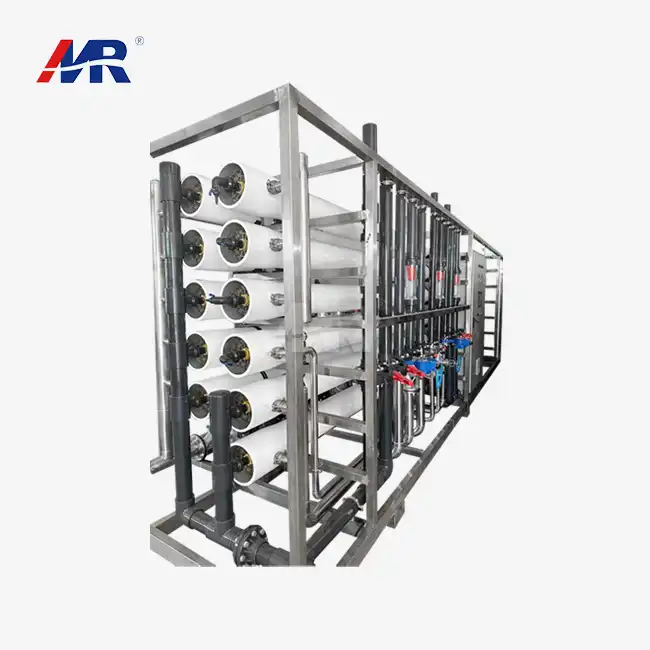
Understanding Reverse Osmosis Units and Their Benefits
As companies have realized how important water quality is for their growth, the need for industrial water treatment has grown. In many different areas, from making medicines to preparing food, reverse osmosis has become the best method for purifying water.
What is a Reverse Osmosis Water Purification Unit?
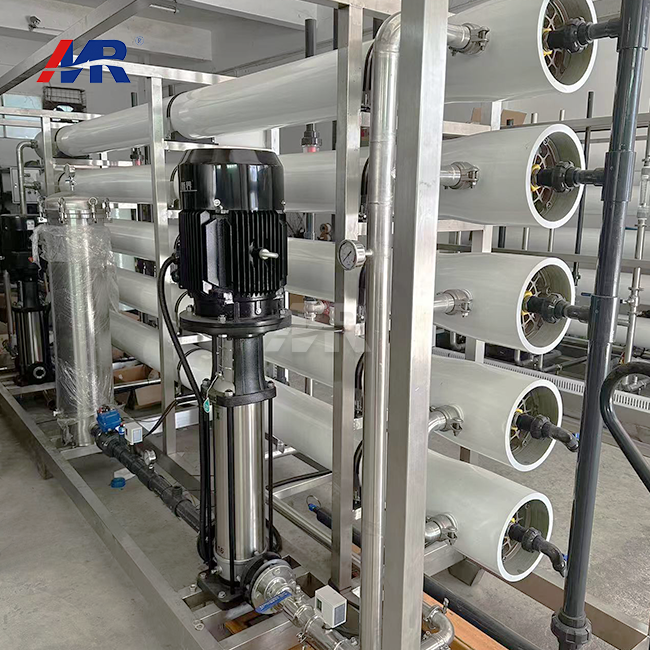
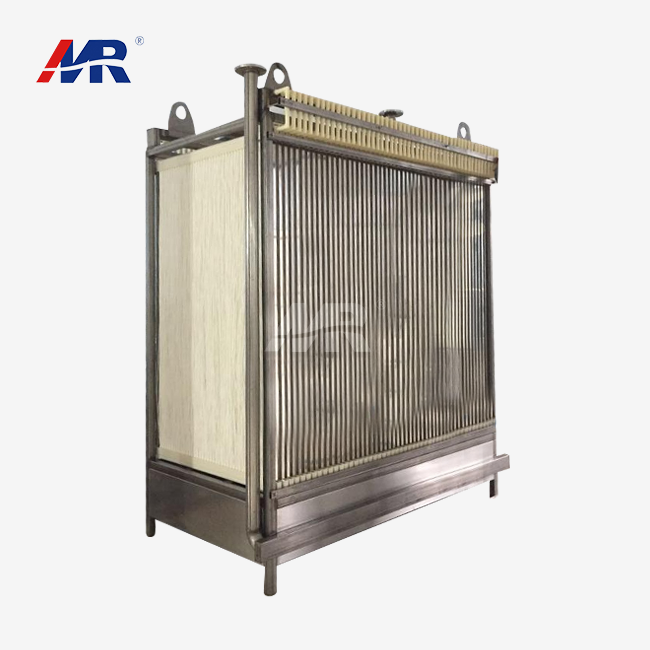
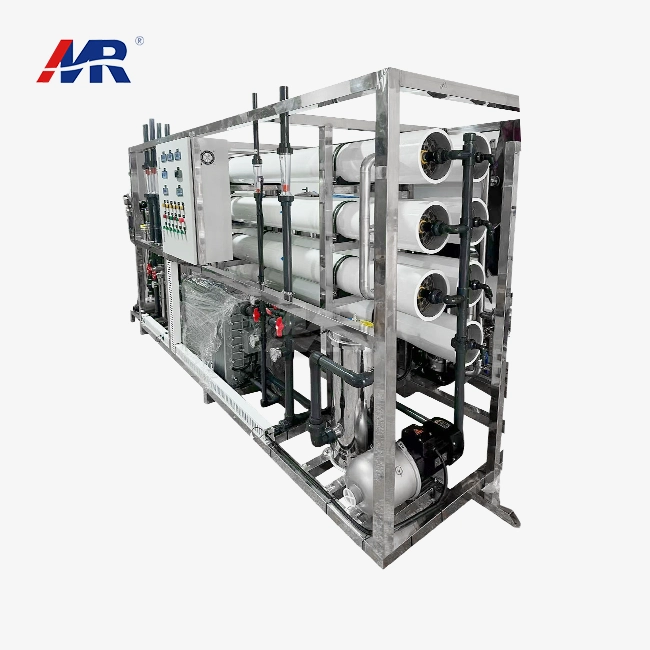
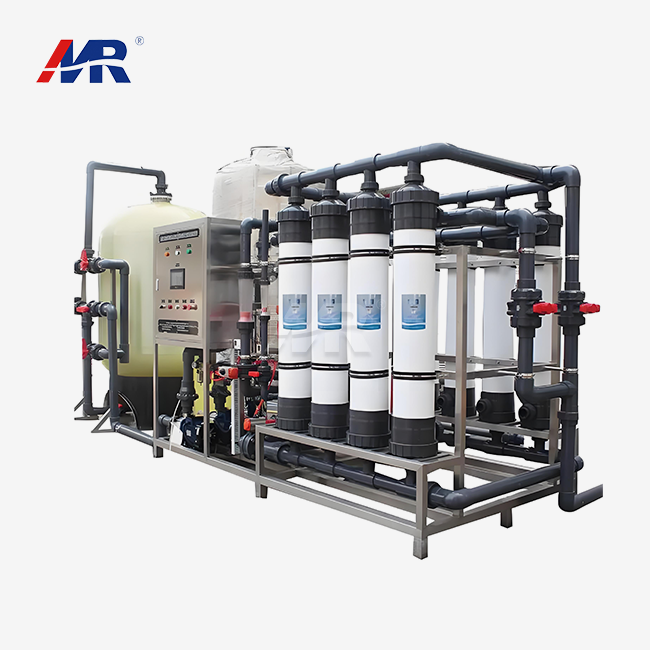
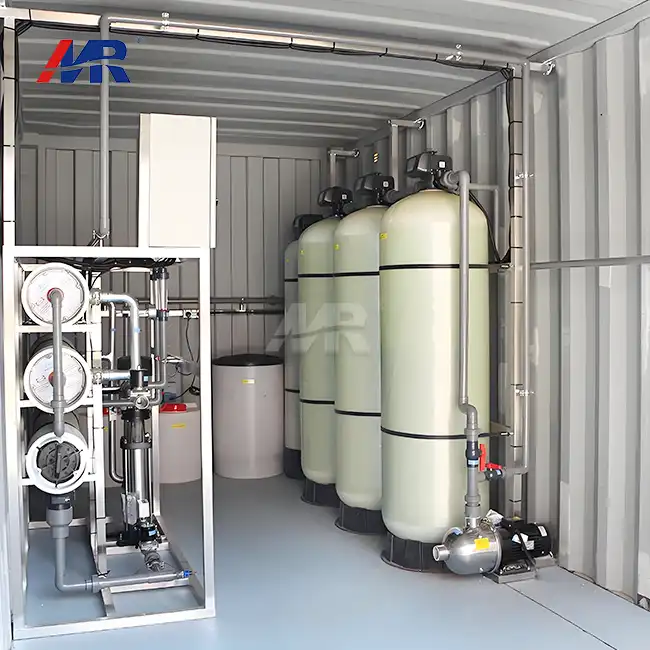
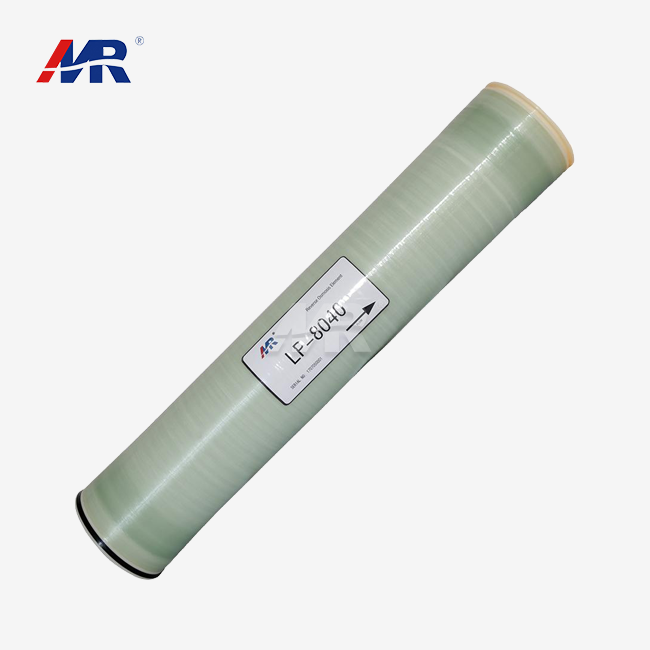
A reverse osmosis water purification machine is an advanced filter that uses high-rejection TFC (thin film composite) screens to keep things out at the molecular level. These systems work by putting pressure on water so that its molecules can get through membranes that are only partially permeable. These membranes block bigger particles, germs, dissolved salts, and other impurities. The technology works through a multi-step process that includes pre-treatment, high-pressure pumping, membrane filtering, post-treatment, and final storage and delivery.
Today’s reverse osmosis unit designs have flexible configurations and can hold anywhere from 1,000 to 100,000 gallons a day. This makes them useful for a wide range of settings, from small labs to large-scale factories. Businesses can make the most of their water treatment systems without losing floor space or the ability to change how they work because of the system's small size and adjustable settings.
How Does a Reverse Osmosis Unit Work?
Reverse osmosis systems work in several important steps that make sure the water quality is as good as possible. Before treatment, multimedia filtration, activated carbon treatment, and water softeners can be used to keep membranes downstream from fouling and make them last longer. Reverse osmosis membranes are pushed through by water using high-pressure pumps. The pressure usually ranges from 150 to 600 PSI, based on the use and the quality of the feedwater.
The recovery rate can be as high as 75%. This means that three-quarters of the feedwater turns into clean product water, while the rest of it, called reject water, takes away concentrated impurities. After-treatment choices like UV cleaning and remineralization can make water even better for specific uses, like making it pharmaceutical-grade or food-grade processing water.
Key Benefits of Using Reverse Osmosis Units in Industrial & Commercial Settings
The benefits of RO technology go beyond just making water cleaner. Here are the main perks that make these systems necessary for today's businesses:
- High-efficiency filtration: 99.9% of contaminants are removed, which guarantees that the water quality is constant and meets strict industry standards. This is very important when making medicines or cooking food.
- Low energy use: High throughput rates are maintained with advanced membrane technology and improved system design. This lowers running costs.
- Advanced tracking systems: These systems for automated control and real-time water quality monitoring make sure that performance is uniform with little human involvement.
- Modular expandability: Scalable designs let businesses raise their capacity as processes grow without having to update the whole system.
These benefits lead to real practical improvements, such as less downtime in production, better quality of goods, and better compliance with rules in areas from making electronics to treating city water when using a reverse osmosis unit.
Analyzing Cost-Effectiveness: Factors Influencing RO Plant Investment
To understand the total cost of ownership for reverse osmosis systems, one must look at both the initial costs and the long-term costs of running the system. Smart buying choices combine the money that needs to be spent upfront with ongoing costs in order to get the best return on investment.
Initial Purchase and Installation Costs
Capital investment for RO plants changes a lot depending on the capability, application needs, and system complexity. For smaller setups, entry-level business units usually start at about $15,000, but on the high end, big industrial systems can cost over $500,000. The cost of installation usually takes up 15–25% of the price of the equipment. It includes things like preparing the spot, pipes, making electrical connections, and starting up the equipment.
The needs before and after treatment have a big impact on the overall cost of a job. It costs a lot more to install and maintain systems that can handle difficult feedwater conditions or that are used to make ultra-pure water. However, they work much better, and the membranes last longer.
Operational and Maintenance Costs
The cost of electricity, replacing membranes, chemicals, and regular upkeep all fall under annual running expenses for a reverse osmosis unit. Newer energy-saving designs that use 3–6 kWh/m³ save a lot of money on power compared to older technologies. Based on the quality of the feedwater and how the system runs, membrane replacement processes usually take 2 to 5 years. This is a big part of the cost that the company has to keep doing.
Preventive repair plans keep equipment running and reduce unexpected downtime. Regularly checking on a system's performance makes it possible for managers to keep everything running smoothly and catch problems before they get too expensive to fix. If you take care of membranes the right way, they can last 30% to 50% longer than if you wait until something breaks and then fix it.
Comparing Reverse Osmosis Units with Alternative Solutions
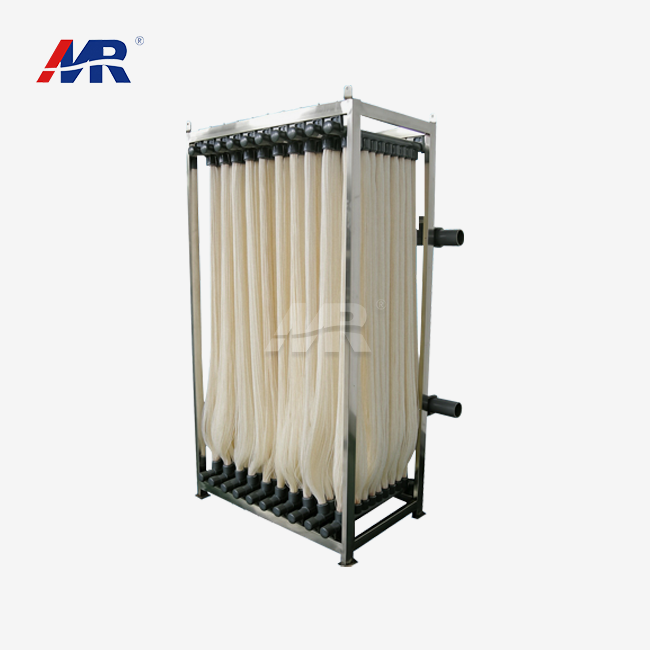
Distillation, ultrafiltration, and ion exchange systems are all examples of alternative water treatment methods. Each one has its own costs and performance levels. Most of the time, RO is much more energy-efficient than distillation systems, which usually use 10–15 kWh/m³. Ultrafiltration can't remove dissolved salts, which makes it less useful for full water cleaning, but it has lower running costs.
Ion exchange systems need to be rebuilt with chemicals pretty often, which means they have to keep spending money to run and think about how to get rid of the waste. RO systems take the most balanced approach because they remove almost all contaminants while not needing many chemicals and not costing too much to run.
Choosing the Right Reverse Osmosis Unit for Your Business Needs
When you choose a RO system, you need to make sure that the technical details and the way you want it to work match up. Understanding the needs of an application guarantees the best performance without over-specifying, which raises costs that aren't needed.
Identifying Procurement Priorities for B2B Clients
Businesses in different businesses have different needs, so it is important to carefully assess wants when selecting a reverse osmosis unit. In most manufacturing settings, consistent water quality and high supply are important. On the other hand, pharmaceutical uses need systems that have been tested and meet cGMP standards. Food and drink makers focus on sanitary safety as well as removing smells and tastes.
Capacity planning needs to think about times of high demand, the future needs of the business, and how much extra capacity is needed. Many places are better off with several smaller systems instead of one big one. This makes operations more flexible and allows the systems to be used as backups during repairs.
How to Evaluate and Compare Suppliers and Brands
When evaluating a supplier, you have to consider more than just the price of the equipment. You should also think about the professional help, service network coverage, and long-term parts availability. Established companies with a local service footprint respond faster and charge less for support. NSF/ANSI 61 for drinking water and FDA compliance for food processing are examples of certification standards that make sure regulations are followed.
Installation references and case studies show that the provider has done similar work before. Performance promises and service terms are extra safety nets for big purchases. During system startup and ongoing optimization efforts, technical help becomes very important.
Budgeting and Price List Insights
The budget should include the costs of the entire project, such as the cost of the tools, installation, startup, training, and an initial extra parts inventory. A lot of companies offer flexible loans or leasing choices that make it easier to control your money. Lifecycle cost analysis finds the cheapest choice over the course of the system's lifetime.
Volume discounts and package deals often provide significant savings for larger installations or multiple units. Annual service contracts can make the cost of regular upkeep less expensive and make sure that the system runs well with help from professionals.
Company Introduction and Our Product Offering
Guangdong Morui Environmental Technology Co., Ltd. is a top company that focuses on commercial wastewater treatment, handling sewage from homes, desalinating seawater, and making drinking water. We have over ten years of experience, so companies looking for reliable, affordable water treatment systems trust us.
About Guangdong Morui Environmental Technology
Our company has more than 14 branches, and over 500 people work for us. This includes 20 skilled engineers who bring a lot of technical knowledge to every project involving a reverse osmosis unit. We run our own membrane production business and several equipment preparation plants. This lets us keep an eye on quality during all stages of production. We are approved agents for well-known names like Shimge Water Pumps, Runxin Valves, and Createc Instruments. We offer complete solutions based on partnerships with other companies that have a history of success.
This unified method helps us provide personalized water treatment systems that meet exact customer needs. At the same time, we keep our prices competitive and performance dependable. Because we are dedicated to new ideas and making our customers happy, we have been recognized in a wide range of fields, from public water treatment to specialized commercial uses.
Our Reverse Osmosis Water Purification Plants & Services
Our reverse osmosis systems use the newest technology to make sure they work great no matter what they're used for. Our systems can be used for anything from small businesses to big factories because they can handle from 1,000 to 100,000 gallons a day and have recovery rates of up to 75%. The flexible design theory makes it easy to add more space when the needs of the business change.
We offer a full range of services, such as providing tools, doing all parts of the installation, and helping with testing. Our expert team collaborates with customers to fine-tune system settings, make sure it works with current infrastructure, and give operators complete training. Preventive upkeep, expert consulting, and quick response services to keep the system running are all parts of post-installation support.
Conclusion
Cost-effective reverse osmosis water purification plants represent essential infrastructure for businesses prioritizing water quality, operational efficiency, and regulatory compliance. The history of this technology's success, along with improvements in membrane technology and designs that save energy, make it a very useful choice for a lot of different situations. A successful application needs a deep understanding of business needs, a full review of the provider, and an in-depth analysis of the lifecycle costs. If you choose the right system and take care of it, current RO systems will give you reliable, high-quality water treatment for decades. They can also adapt to your business's changing needs through modular expansion possibilities.
FAQ
Q1: How long do reverse osmosis units usually last, and how can I make mine last longer?
A: If you take care of them, modern reverse osmosis systems usually work well for 15 to 20 years. Based on the quality of the feedwater and how the system is run, membrane parts need to be replaced every two to five years. To maximize lifespan, one should do the right pre-treatment, keep working pressures steady, clean regularly, and do upkeep according to the manufacturer's suggestions. Keeping an eye on system speed factors lets you find problems early on, before they can hurt the system permanently.
Q2: In an RO machine, how often do membranes and filters need to be changed?
A: How often the membrane is replaced relies on the quality of the feedwater, the number of working hours, and the maintenance practices. Pre-filters usually need to be replaced every 3 to 12 months. ro membranes, on the other hand, last 2 to 5 years in average circumstances. A lot can be done to help membranes last a long time by using good feedwater and the right pre-treatment. Regular checks of filtrate quality, pressure differentials, and normalized flow rates help figure out when it's time to replace the equipment.
Q3: Can reverse osmosis units get rid of all kinds of things that aren't supposed to be there, like germs and chemicals?
A: Reverse osmosis technology gets rid of 99.9% of heavy metals, germs, viruses, chemicals, and salts that are dissolved in water. But some small molecules, like chlorine and certain volatile organic chemicals, may need more help to get rid of them, like filtering with activated carbon. Using both pre- and post-treatment choices makes sure that all of the contaminants are removed from the water for certain uses that require the highest standards of purity.
Partner with Morui for Superior Water Treatment Solutions
Guangdong Morui Environmental Technology delivers proven reverse osmosis solutions that combine advanced membrane technology with reliable performance and competitive pricing. Our experienced engineering team works closely with clients to design customized systems meeting specific application requirements while optimizing operational efficiency and total cost of ownership. As a leading reverse osmosis unit manufacturer with comprehensive service capabilities, we provide complete project support from initial consultation through ongoing maintenance. Visit moruiwater.com to explore our full range of water treatment solutions and discover how our expertise can enhance your operations. Contact us at benson@guangdongmorui.com for detailed technical consultation and customized quotations tailored to your specific requirements.
References
1. Williams, R. "Industrial Water Treatment: Reverse Osmosis Technology and Applications." Water Technology International, 2023.
2. Chen, M. and Rodriguez, A. "Cost-Benefit Analysis of Reverse Osmosis Systems in Manufacturing Industries." Journal of Industrial Water Management, Vol. 45, 2023.
3. Thompson, K. "Membrane Technology Advances in Commercial Water Purification." International Water Treatment Review, 2024.
4. Martinez, S. "Energy Efficiency in Modern Reverse Osmosis Plant Design." Water Engineering Quarterly, Issue 3, 2023.
5. Anderson, J. "Regulatory Compliance and Quality Standards for Industrial Water Treatment Systems." Water Quality Association Technical Bulletin, 2023.
6. Liu, H. "Operational Optimization and Maintenance Best Practices for Reverse Osmosis Systems." Process Water Treatment Handbook, 4th Edition, 2024.