_1745823981883.webp)

Large-scale wastewater recycling has become very important for businesses that have to deal with stricter rules about protecting the environment and problems with not having enough water. A complete wastewater treatment system that uses reverse osmosis (RO) technology turns out to be a game-changing option that provides very efficient and long-lasting treatment of industrial and commercial sewage. RO systems allow high-quality water reuse by efficiently removing impurities through advanced membrane filtering. This lowers the need for new water and minimizes environmental impact.

Understanding Large-Scale Wastewater Recycling with Reverse Osmosis
Reverse osmosis is a pressure-based membrane filter method that removes, one way or another, different types of solids, organic materials, and other unwanted substances from various kinds of wastewater. This advanced method uses semi-permeable screens to block impurities while letting clean water molecules through.
Core Components of Industrial RO Systems
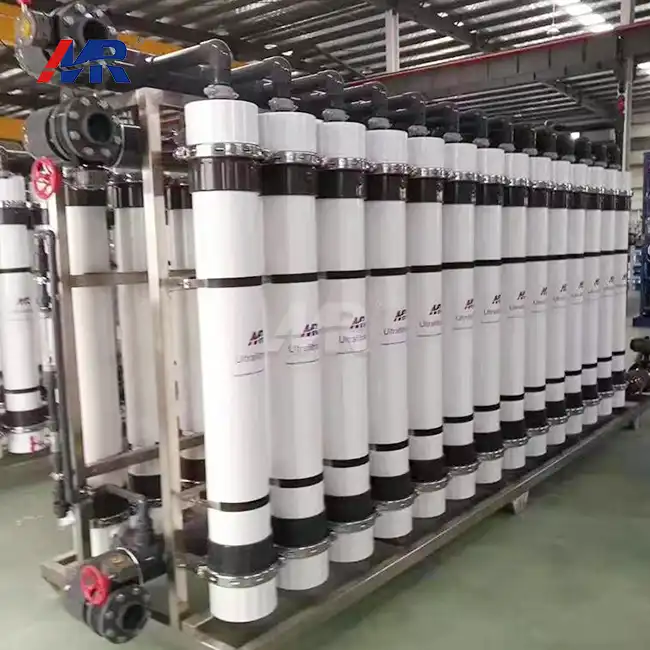
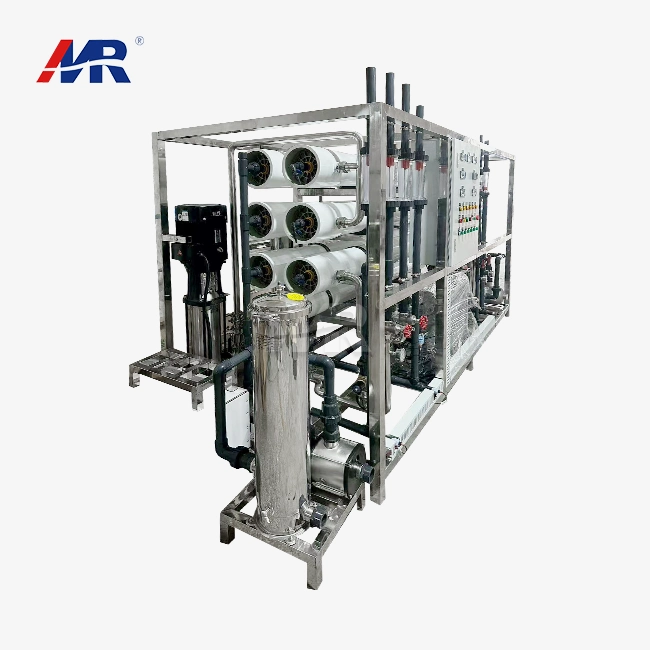
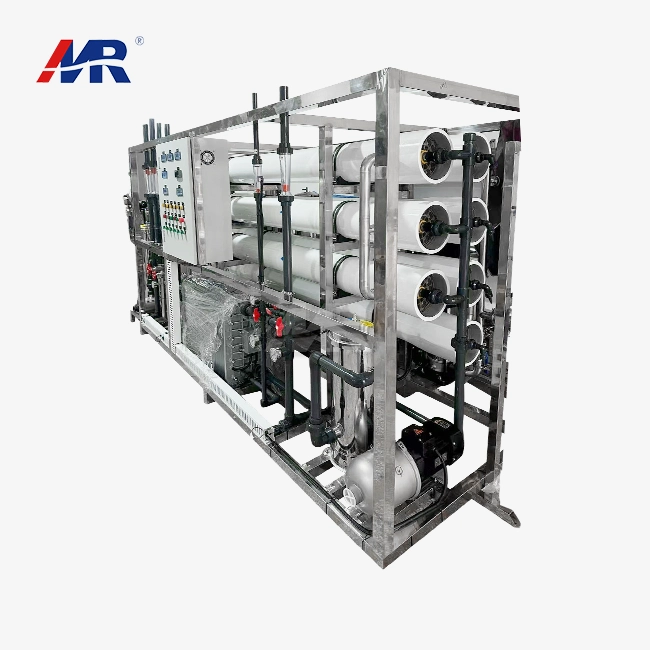
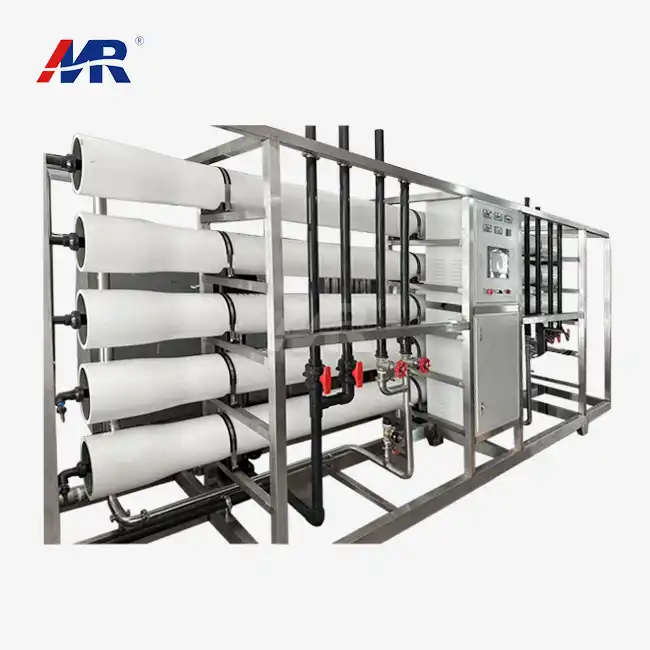
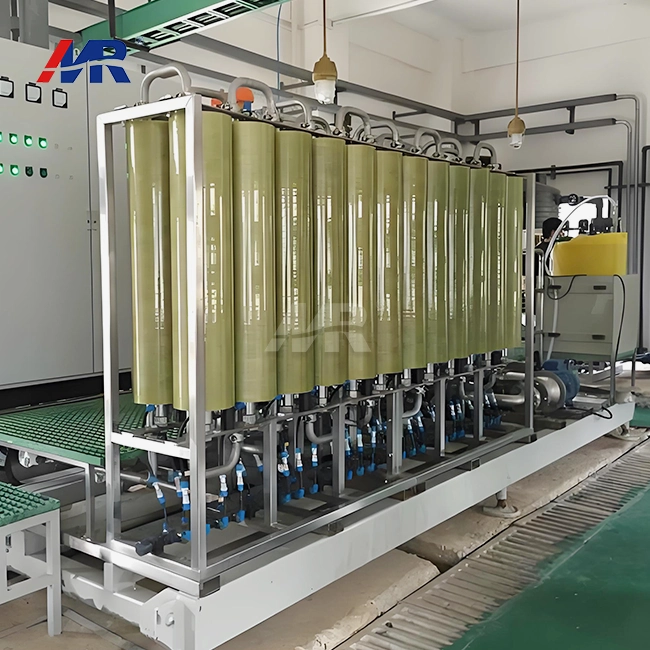
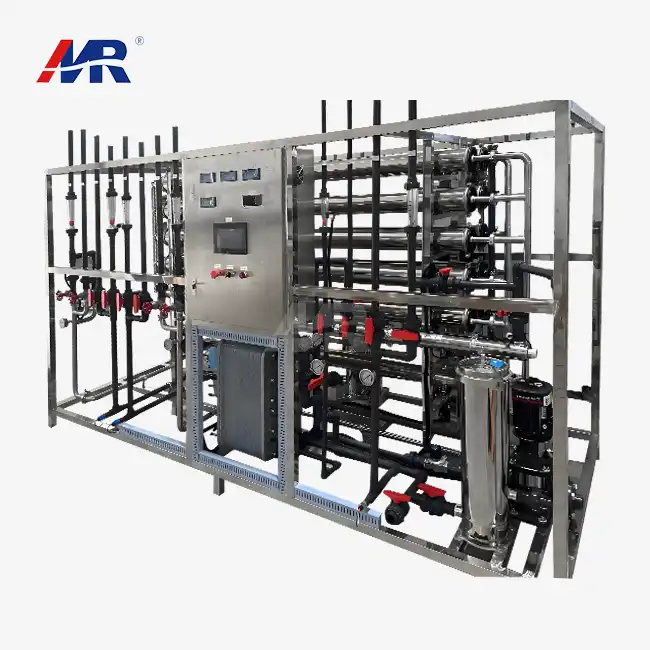
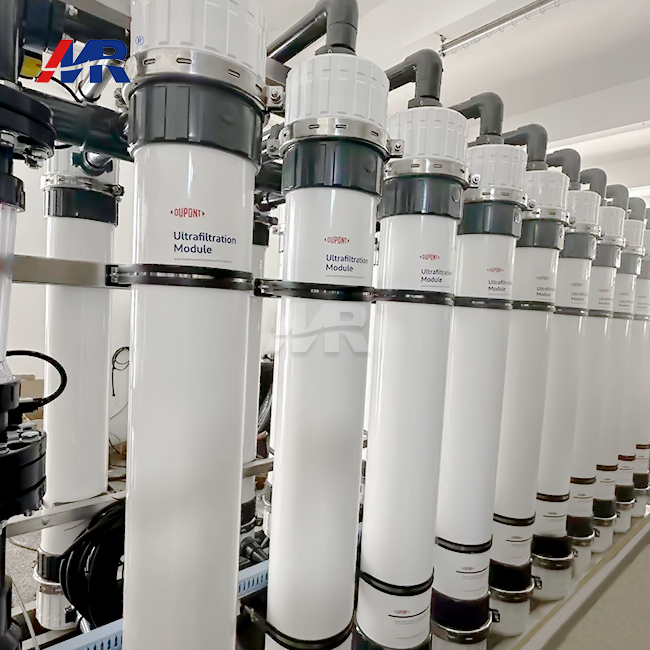
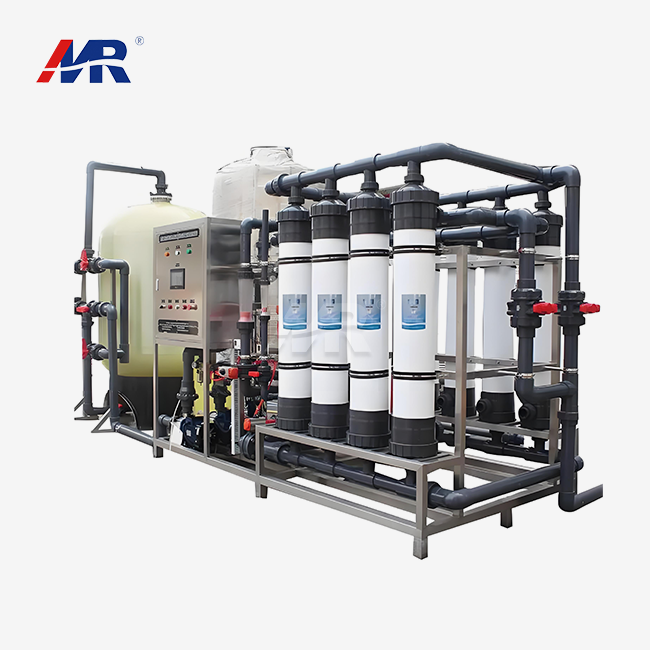
Today’s reverse osmosis systems, as a wastewater treatment system, are made up of many different parts that work together as a whole. Before the membrane process, the pre-treatment stage uses multimedia filtering, activated carbon treatment, and water softening to get the arriving wastewater ready. At the core of the system are high-rejection TFC (Thin Film Composite) membranes, which do a great job of removing contaminants. Options after treatment, like UV cleaning and remineralization, make sure the finished product meets certain quality standards.
Process Flow and Operation Principles
The treatment process starts with a thorough pre-treatment to protect the health of the membrane and get the best performance possible. Then, high-pressure pumping systems push wastewater through the ro membranes. The membranes filter out the impurities and make clean water. Advanced tracking and control systems keep an eye on how well the system is working. This makes sure that the water quality and efficiency of the operation are stable during the whole process.
Advantages and Environmental Benefits of Using RO for Wastewater Recycling
Industrial reverse osmosis systems provide amazing benefits for the environment and the way that they work, which makes them perfect for long-term water management. These systems always remove 99.9% of contaminants, and they use between 3 and 6 kWh of energy for every cubic meter of water that is cleaned.
Superior Contaminant Removal Performance
The membrane technology used in big RO systems, as a wastewater treatment system, gets rid of almost all of the organic molecules, microbial toxins, and solids that are dissolved in wastewater. This amazing performance makes sure that the water that was cleaned meets or goes beyond the rules for reuse in a wide range of businesses. The high-rejection TFC membranes keep working the same way even when they have to deal with tough mixtures of wastewater.
Economic and Environmental Sustainability
Large-scale versions have big savings on costs because they use less freshwater and have lower release fees. Recovery rates of up to 75% increase the ability to reuse water and minimize waste generation. The flexible design lets you easily add more to the system as the business's needs grow. This protects the business's initial investment and makes sure that the system can be used in a variety of ways in the future.
Design Principles and System Integration for Large-Scale RO Wastewater Treatment
To make a good wastewater treatment system, you need to think about things like how much wastewater there is, what it's made of, and how the system will fit in with the rest of the place. A professional check makes sure that each system is set up perfectly for every individual application.
Customization and Scalability Features
Today's RO systems are very flexible because they are built in modules that can be configured in different ways. The capacity goes from 1,000 to 100,000 gallons per day to fit different sizes of businesses, and compact forms make the most out of the room they take up. Advanced tracking systems show performance data in real time, which makes it possible to maintain and optimize systems ahead of time.
Integration with Existing Infrastructure
Good system integration means that new systems can join with old ones for collecting and distributing garbage without any problems. Automated control systems make operations easier and ensure that performance is always the same. Cleaning the membrane and setting a plan for replacements are parts of regular maintenance that keep the system working and the tools lasting longer.
Comparing Reverse Osmosis with Other Wastewater Treatment Methods
Reverse osmosis technology, as a wastewater treatment system, is better than traditional biological and chemical treatments at removing contaminants from liquids. Traditional ways are great at getting rid of biological load, but RO systems give you the best water quality for reuse uses.
Performance Comparison Analysis
Biological cleaning systems do a good job of getting rid of organic material, but they have a hard time with dissolving solids and contaminants that are present in very small amounts. Chemical precipitation methods create even more waste and require a lot of chemical handling. RO technology gets around these problems by using physical separation methods to make uniform, high-quality effluent without adding chemicals.
Lifecycle Cost Considerations
A study of energy use shows that RO systems keep their operating costs low compared to others, especially when the value of reusing water is taken into account. It is economically beneficial because it has lower waste fees, freshwater costs, and chemical needs. Based on how well the system is taken care of and the quality of the feed water, membrane repair plans usually last between 3 and 7 years.
Procurement Guide and Morui Environmental Technology Solutions
There are a lot of things that need to be thought about when choosing the right industrial water treatment equipment, such as system capacity, compliance with rules, the reputation of the seller, and support services. Guangdong Morui Environmental Technology Co., Ltd. focuses in a wide range of water treatment options for different industries.
Morui's Comprehensive Service Portfolio
Morui offers full wastewater treatment system solutions from making to installing and starting up the equipment. They have over 14 sites, 500 workers, and 20 experts who specialize in this area. Quality control is done at every stage of production by our membrane manufacturing plant and several equipment handling plants. To ensure that our systems are stable and perform well, we continue to work with top part providers like Shimge Water Pumps, Runxin Valves, and Createc Instruments.
Application-Specific Solutions
Morui's reverse osmosis systems are used in many different fields, such as healthcare, making drugs, making food and drinks, treating water in cities, manufacturing sectors, and generating power. Each system is specially designed to meet certain rules about water quality and operating limits. This makes sure that the system works well and follows the rules.
Conclusion
Large-scale wastewater treatment using reverse osmosis is a proven, long-term method for managing industrial water. These high-tech systems are great at removing contaminants. They also lower the cost and environmental impact of running. When people want to handle water in an eco-friendly way, RO systems are a smart buy because they use proven technology, flexible design, and extensive support services. As environmental rules get stricter and worries about water shortages grow, reverse osmosis technology gives you the stability and performance you need for long-term operating success.
FAQ
Q1: What types of industries benefit most from large-scale RO wastewater recycling?
A: Industries including chemical manufacturing, food and beverage processing, pharmaceuticals, electronics, and municipal facilities benefit significantly from RO technology due to their high water quality requirements and substantial wastewater volumes requiring advanced treatment and reuse capabilities.
Q2: How often should RO membranes be replaced in a wastewater treatment system?
A: Membrane lifespan typically ranges from 3 to 7 years, depending on feedwater quality, pretreatment effectiveness, and operational conditions. Regular cleaning protocols and performance monitoring can extend membrane longevity and optimize replacement timing.
Q3: Can RO systems handle highly contaminated or industrial hazardous wastewater?
A: RO systems can treat many types of contaminated wastewater but may require specialized pretreatment or hybrid treatment approaches to handle hazardous industrial waste effectively, ensuring membrane protection and compliance with safety standards.
Partner with Morui for Advanced Wastewater Treatment System Solutions
Transform your wastewater management strategy with Morui's advanced reverse osmosis technology. Our experienced engineering team designs custom solutions that maximize water recovery while ensuring regulatory compliance and operational efficiency. As a leading wastewater treatment system manufacturer, we provide comprehensive support from initial consultation through system commissioning and ongoing maintenance. Discover how our proven technology can reduce your environmental footprint while delivering significant cost savings. Contact us at benson@guangdongmorui.com to discuss your specific requirements and request a detailed proposal for your facility.
References
1. Chen, L., & Wang, H. (2023). "Industrial Wastewater Treatment Technologies: A Comprehensive Review of Reverse Osmosis Applications." Journal of Environmental Engineering, 149(8), 04023045.
2. Rodriguez, M., et al. (2022). "Energy Efficiency Analysis of Large-Scale Reverse Osmosis Systems for Industrial Wastewater Recycling." Desalination and Water Treatment, 268, 89-102.
3. Thompson, K. R., & Singh, P. (2023). "Membrane Technology Advances in Sustainable Water Treatment: Economic and Environmental Perspectives." Water Research, 234, 119801.
4. National Water Quality Association. (2022). "Guidelines for Industrial Reverse Osmosis System Design and Implementation." NWQA Technical Bulletin, TB-2022-15.
5. Zhang, Y., et al. (2023). "Performance Optimization of Large-Scale RO Systems: Case Studies from Municipal and Industrial Applications." Journal of Water Process Engineering, 52, 103548.
6. American Water Works Association. (2022). "Reverse Osmosis and Membrane Technology for Water Treatment: Best Practices Manual." AWWA Manual M46, 3rd Edition.