_1745823981883.webp)

A brackish water reverse osmosis system is a specific type of water treatment that gets rid of salts and other things that shouldn't be in the water when it has a moderate amount of salinity, usually 1,000 to 10,000 ppm. This advanced filtration technology uses high-pressure pumps and semi-permeable membranes to separate pure water from dissolved minerals. It makes clean, drinkable water that can be used for industrial, business, and local purposes. The Reverse Osmosis System works by separating molecules. This makes it a great way to treat water sources with salt levels between those of freshwater and saltwater.
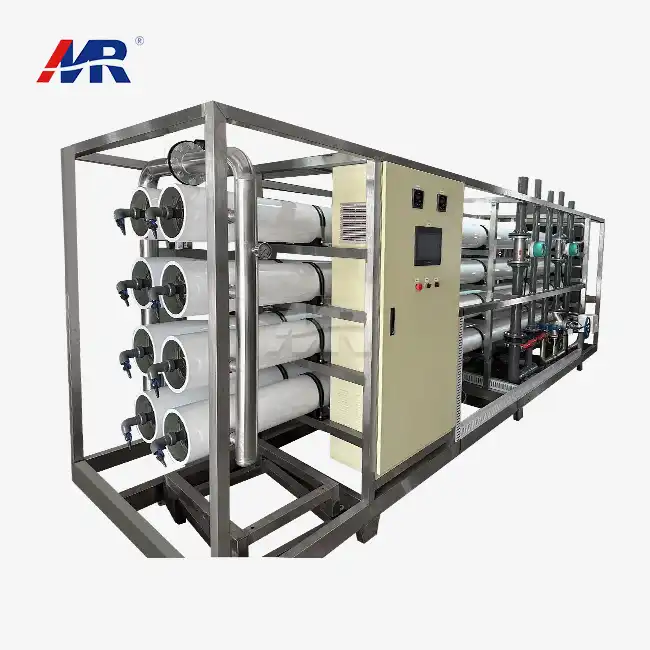
Understanding Brackish Water and Reverse Osmosis Technology
Because its salt levels are moderate, brackish water is especially hard to fix. Brackish water has higher levels of minerals than freshwater sources. These minerals can interfere with the performance of tools and processes used in industry. Waters from estuaries, deep springs in coastal areas, and recycled wastewater streams are all common sources.
Characteristics of Brackish Water Sources
The type of source and the place where the brackish water is found affect its complexity in different ways. When you get water from an aquifer near the coast, the main material that is dissolved in it is salt. When you get water from an aquifer further inland, it might have calcium sulfate, magnesium compounds, and other minerals that are present in very small amounts. It is very important to know about these changes in composition because they help you choose the right treatment methods and make the system run better.
When industrial sites lose access to freshwater sources or when they become too expensive, they often have to deal with the problems that come with brackish water treated by a reverse osmosis system. Brackish sources need to be treated because consistent water quality standards in manufacturing plants, power generation sites, and food processing activities can't be met.
Reverse Osmosis Technology Fundamentals
Membrane filter technology is based on selective permeability. This means that water molecules can get through specific membranes, but larger impurities can't. A lot of pressure has to be applied for this process to work. For brackish water uses, the pressure is usually between 150 and 400 psi, but for seawater desalination, it has to be more than 800 psi.
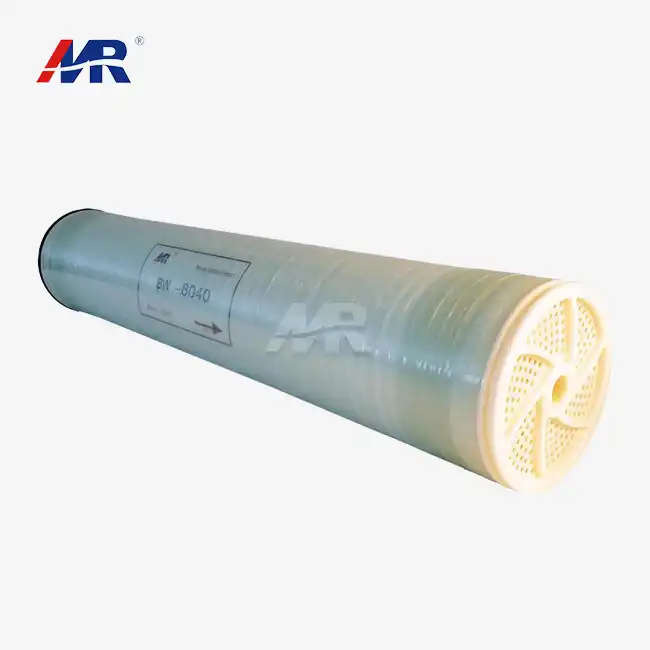
The barriers that can be passed through by some substances but not others in these systems are made with thin-film composites that have high rejection rates and low fouling properties. While using a fair amount of energy (2.5–3.5 kWh/m³), these high-tech screens can keep 99% of dissolved salts.
How Does a Brackish Water Reverse Osmosis System Work?
The brackish water treatment system's operating process has several steps that are meant to make the system as efficient as possible and protect important parts from damage. Each step is very important for maintaining long-term water quality and system life.
Pre-Treatment and Feed Water Preparation
Effective pre-treatment stops membrane fouling and greatly extends the life of the reverse osmosis system. The input and pre-treatment stage gets rid of suspended particles, chlorine leftovers, and pH levels that could harm barrier materials. Multimedia filtration, water softener, and chemical dosing systems all work together to get feed water ready for the high-pressure membrane step.
Cartridge filter, antiscalant injection, and antimicrobial treatment are all advanced pre-treatments that can be used to deal with specific problems related to water quality. These steps are needed to keep recovery rates at 85%, which is what current systems can do, and to keep upkeep needs low.
High-Pressure Membrane Separation Process
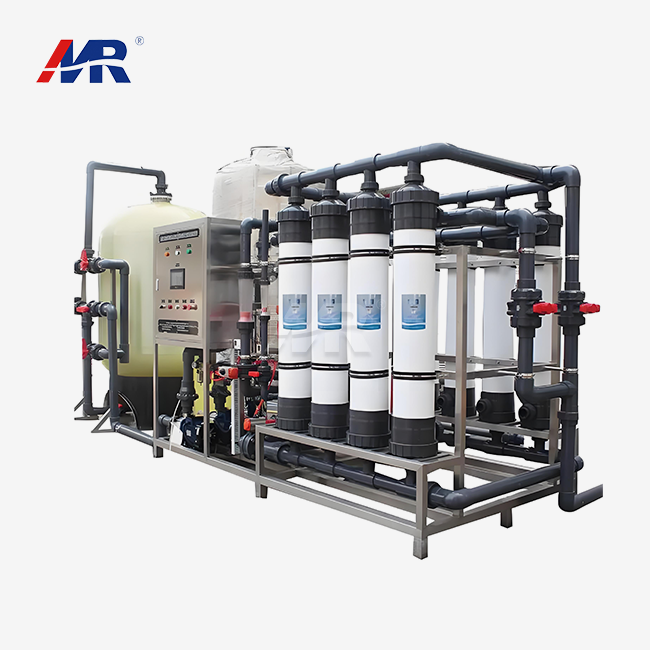
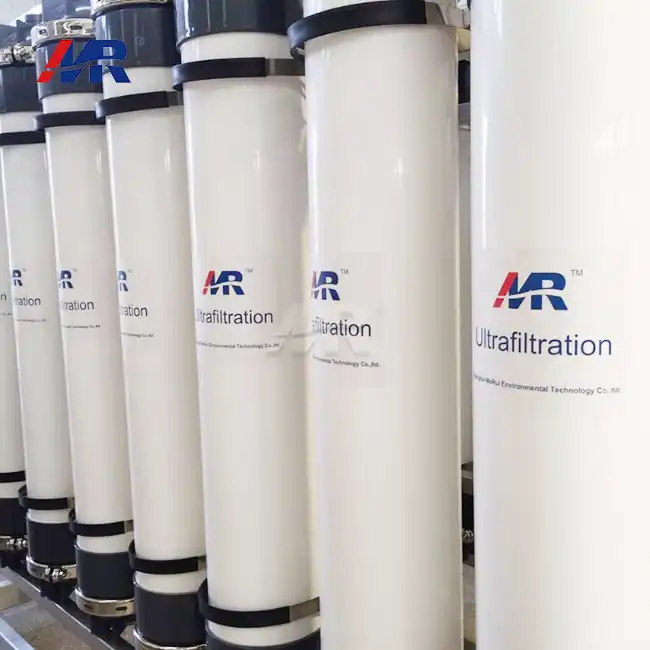
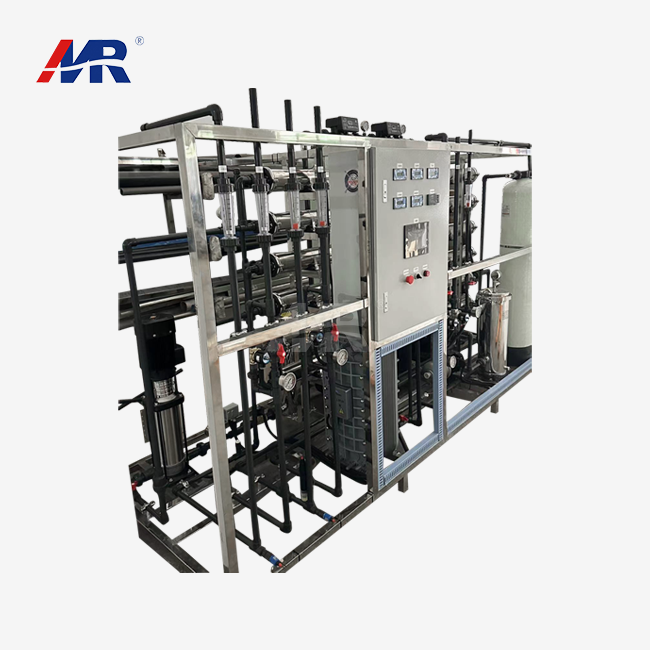
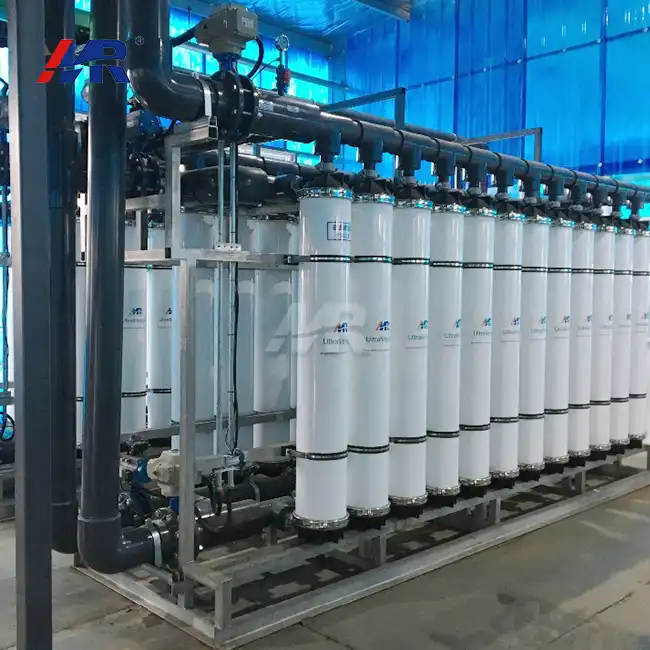
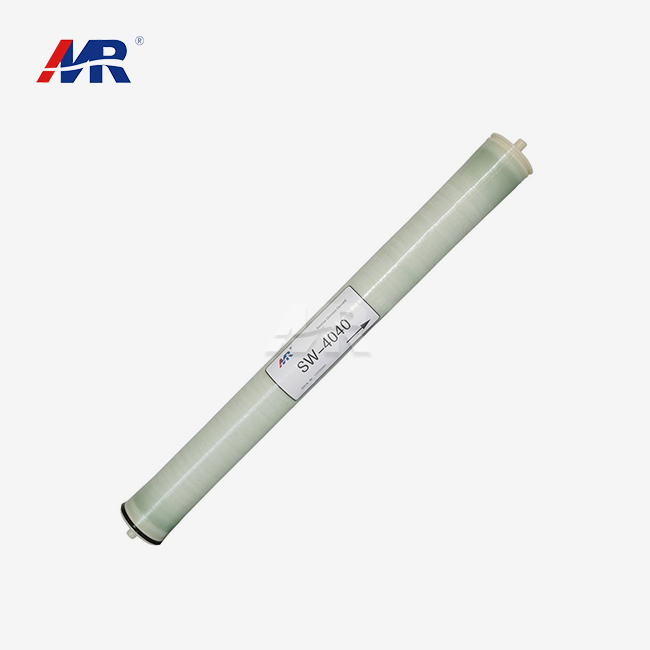
The core membrane filtration method forces water that has already been treated through several membrane elements that are set up in pressure tanks. The high-pressure pumping systems give water molecules the force they need to go through the membrane barrier while keeping any contaminants that are dissolved out.
These days, PLC-based control systems with remote tracking are used, which lets workers see how they're performing in real time. This automation makes sure that the system always works the same way while using the least amount of energy and maximizing recovery rates, even when the feed water conditions change.
Post-Treatment and Water Conditioning
After-treatment methods change the water quality so that it meets certain standards for use. The pH adjustment, remineralization, and disinfection steps make sure that the water that has been cleaned meets the rules and requirements for how it will be used. When water is transported to end-use users, the storage and distribution methods keep the water clean.
With the modular building method, a reverse osmosis system can handle anywhere from 100 m³/day to 10,000 m³/day. This makes it possible for businesses to easily expand their systems as they grow. Because it is so easy to use, brackish water treatment can be applied to a wide range of industries, from small factories to big city installations.
Benefits and Challenges of Brackish Water Treatment Systems
When industrial operators use brackish water treatment options, they get solid sources of water and help the environment at the same time. The technology has very strong benefits for B2B users who want to save money on ways to get water that are better than the ones they usually use.
Operational Advantages and Cost Benefits
Here are the main reasons why treating salty water is good for use in industries:
- High rates of recovery after flooding: Modern systems can restore up to 85% of resources, which reduces waste and increases the overall effectiveness of resource use.
- Energy-saving operation: Lowered prices of operations by improving pump design and using devices that recover energy
- The compact size design Vertical system layouts, and modular building help setups that don't have a lot of space.
- Strong choices for pre-treatment: Better system lifespan through extensive feed water treatment and membrane protection
These benefits of the reverse osmosis system lead to lower costs and better operations for businesses in a range of industry areas. The high effectiveness and dependability of brackish water treatment make it a good investment for long-term water security planning.
Technical Challenges and Mitigation Strategies
Membrane fouling is still the most important operating problem, so upkeep and monitoring must be done ahead of time. If you don't regularly clean the system and make sure that pre-treatment is working as well as it can, scaling, biofouling, and organic fouling can make the system work worse and use more energy.
The amount of energy that is used affects the total cost of ownership, especially for big systems. But progress in high-efficiency pumps, energy recovery devices, and smart control systems keeps making the overall system more cost-effective and environmentally friendly.
Comparison and Decision-Making for System Selection
Choosing the right brackish water treatment option means carefully thinking about a lot of different things that affect both the cost and the long-term success of the operation. Procurement workers make smart choices when they know how different platforms work.
Technology Comparison and Performance Metrics
When compared to other methods, such as distillation, ion exchange, or electrodialysis, membrane-based devices are more efficient and easier to use. They are especially useful for sensitive uses in the food, electronics, and pharmaceutical industries because they have constant output quality and don't need many chemicals.
When it comes to reverse osmosis system sizing, there are things that run from small business units to big setups for industry. The best system setup depends on a lot of things, like how much room you have, how much capacity you need, and whether you plan to grow in the future. Modular designs let you apply them in stages and raise capacity without having to change the infrastructure a lot.
Supplier Evaluation and Quality Assurance
Working with makers who know what they're doing makes sure you can get access to reliable technology and a wide range of support services. Control system dependability, membrane quality standards, and the ability to get repair help in your area are all important factors for evaluation. Established providers such as Guangdong Morui Environmental Technology offer full systems that include pre-treatment, membrane systems, and post-treatment parts.
Quality assurance goes beyond choosing the right tools at the start; it also includes ongoing upkeep, support, making sure spare parts are available, and offering professional training programs. These things help a lot with long-term system stability and business success.
Procurement and Installation Considerations
Brackish water treatment methods will work best if they are planned out carefully and coordinated with many different people. Knowing how to buy and put things together helps make sure that a project goes well and that the system works as it should.
Budgeting and Cost Analysis
The total cost of the job includes the tools needed, setting everything up, making sure it works, and teaching the operators. The amount of money that is invested depends on the system's level of complexity, how much work has to be done on the spot, and how a local utility connects to the system. Getting accurate cost figures and help with planning project timelines are two benefits of working with sellers who know what they're doing.
Warranty protections and payment plans for the reverse osmosis system are different for each seller. This makes a full review necessary for long-term budget planning. Energy-efficient designs help the environment and comply with rules while also lowering the cost of running a business.
Installation and Commissioning Process
Installation by a professional makes sure that the system starts up correctly and runs well. To reduce installation risks and starting delays, as well as to ensure proper site evaluation, equipment placement, utility connections, and control system integration, very knowledgeable people must be involved.
Performance testing, user training, and paperwork handover are all parts of comprehensive commissioning. These services lay the groundwork for long-term success and help workers learn how to fix issues and do routine maintenance.
Conclusion
Brackish water reverse osmosis systems are a proven way to deal with tough water quality problems in a wide range of industries. These systems are appealing to groups that want long-lasting ways to treat water because they are very efficient, dependable, and inexpensive. An informed choice can be made and a system can be successfully put into action if the person knows how it works, its benefits, and how to choose among the various options. Today's systems have high-tech technology, use less energy, and have flexible scalability that helps with both present and future needs. Partnerships with professional suppliers make sure you get good tools, full support services, and long-term success in your business.
FAQ
Q1: What maintenance schedule is required for optimal system performance?
A: Regular maintenance includes weekly pre-filter inspections, monthly membrane performance monitoring, quarterly chemical cleaning cycles, and annual comprehensive system audits. Proper maintenance extends membrane life to 3-5 years and ensures consistent water quality output.
Q2: Can these systems handle varying feed water quality conditions?
A: Yes, modern systems include automated controls and pre-treatment adjustments that accommodate seasonal water quality variations and changing operational conditions. PLC-based control systems optimize performance parameters in real-time.
Q3: What are the typical energy consumption levels for brackish water treatment?
A: Energy consumption ranges from 2.5-3.5 kWh/m³ for most brackish water applications, significantly lower than seawater desalination systems. Energy recovery devices and high-efficiency pumps further reduce operational costs.
Partner with Morui for Advanced Water Treatment Solutions
Ready to implement a reliable brackish water treatment solution for your facility? Guangdong Morui Environmental Technology offers comprehensive Reverse Osmosis System solutions designed specifically for industrial and commercial applications. Our experienced engineering team provides customized designs, professional installation, and ongoing Technical support to ensure optimal system performance. As a trusted reverse osmosis system supplier, we deliver proven technology backed by extensive industry experience and comprehensive warranty protection. Contact us at benson@guangdongmorui.com to discuss your water treatment requirements and receive a detailed system proposal. Visit moruiwater.com to explore our complete range of water treatment solutions and discover how Morui can help optimize your facility's water quality and operational efficiency.
References
1. American Water Works Association. "Reverse Osmosis and Nanofiltration Manual of Practice M46." AWWA Press, 2019.
2. Greenlee, L.F., Lawler, D.F., Freeman, B.D., Marrot, B., and Moulin, P. "Reverse osmosis desalination: Water sources, technology, and today's challenges." Water Research, vol. 43, no. 9, 2009.
3. Fritzmann, C., Löwenberg, J., Wintgens, T., and Melin, T. "State-of-the-art of reverse osmosis desalination." Desalination, vol. 216, no. 1-3, 2007.
4. Membrane Technology Research Institute. "Brackish Water Treatment Technologies: Performance and Economic Analysis." Technical Report MTR-2020-003, 2020.
5. International Desalination Association. "Brackish Water Desalination Guidelines and Best Practices." IDA Technical Manual Series, 2018.
6. Water Environment Federation. "Membrane Systems for Water and Wastewater Treatment: Design Guidelines." WEF Manual of Practice No. 36, 2021.