_1745823981883.webp)

For an installation of a brackish water reverse osmosis system to get the best performance in business and factory settings, it needs to be well thought out and done exactly right. A reverse osmosis system made for brackish water removes salts and other harmful substances from water that has between 1,000 and 10,000 ppm total dissolved solids. This all-inclusive installation guide gives technical experts, procurement managers, and facility workers the information they need to get these important water treatment solutions up and running correctly. It also helps make sure that they work well and last a long time.
Understanding Brackish Water Reverse Osmosis Systems
System Components and Technology
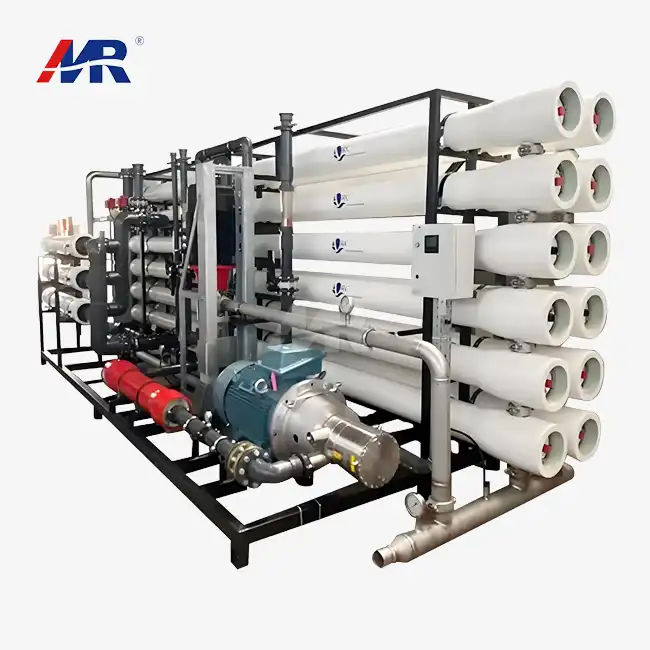
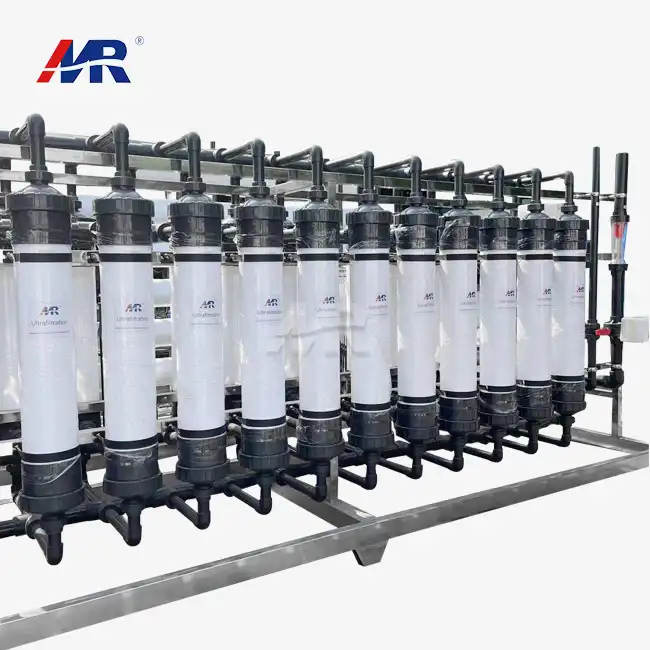
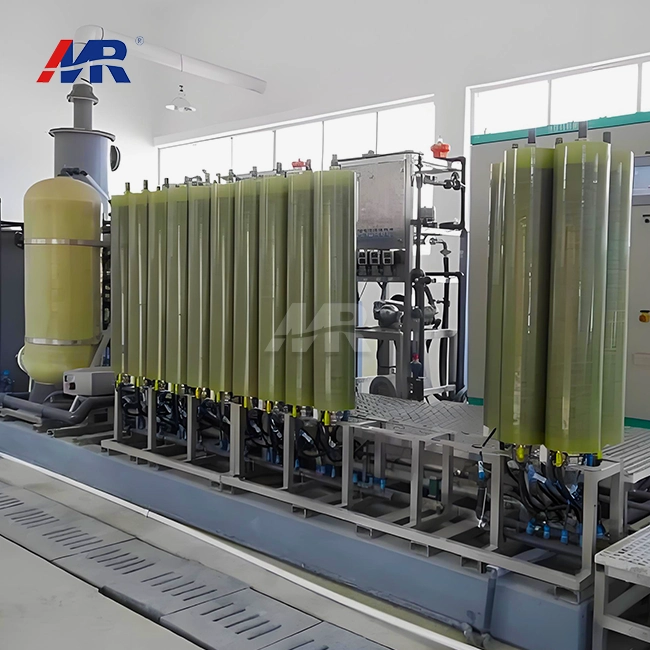
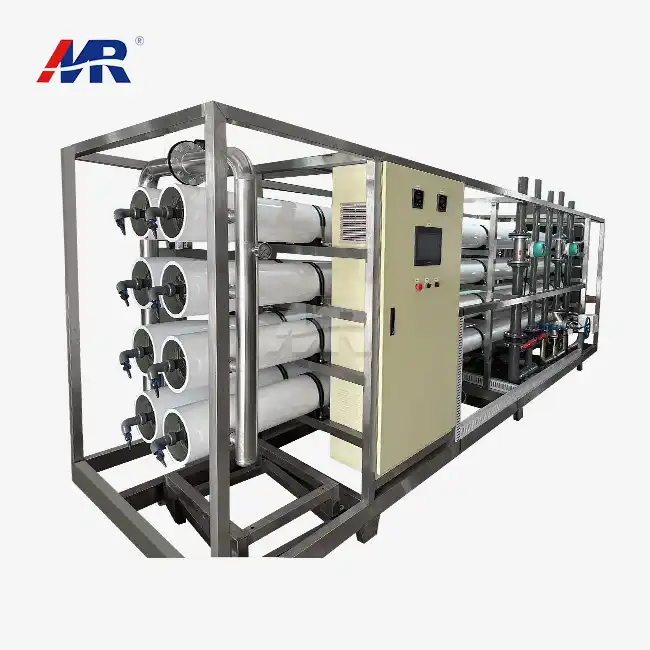
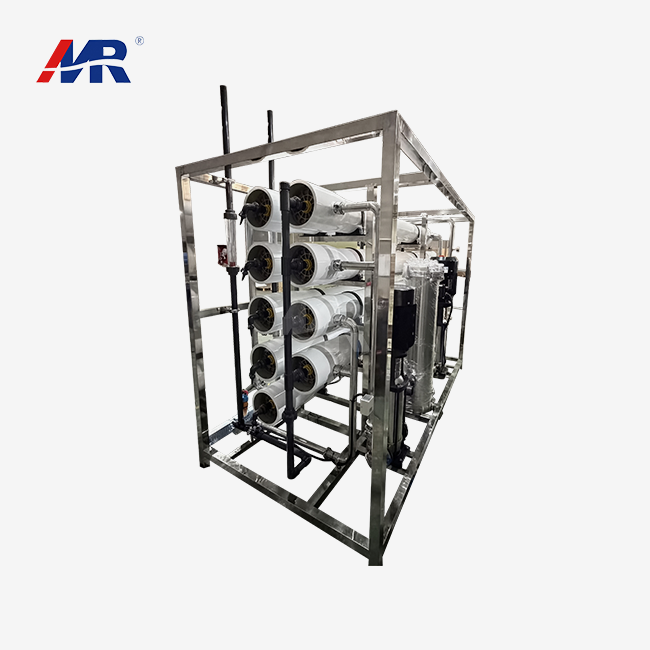
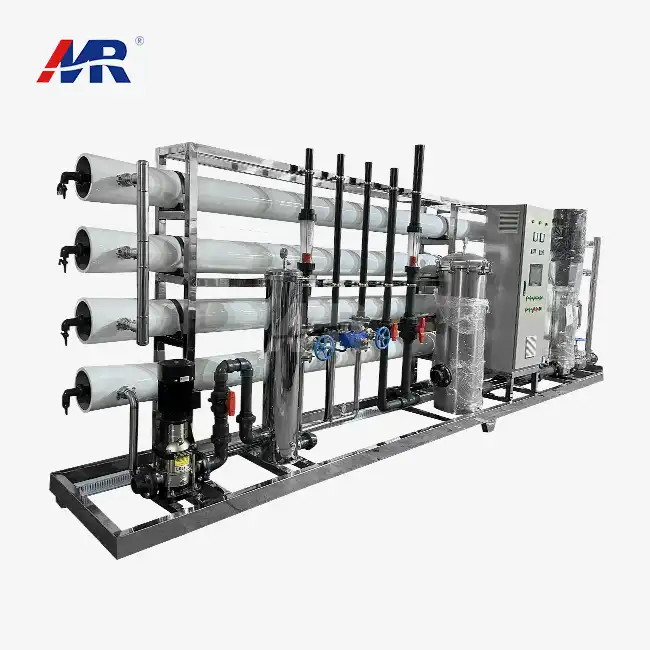
Brackish water RO systems use advanced membrane technology that has been designed to deal with levels of saltiness that are between those of freshwater and seawater. High-rejection thin-film composite membranes, high-pressure pumps, pre-treatment filtration stages, and automatic control systems are some of the main parts. In contrast to seawater desalination units, these systems work at lower pressures. They usually need between 150 and 400 psi to keep the ideal flow rate and get rid of most of the contaminants.
Industrial Applications and Benefits
These reverse osmosis system water cleaning methods are used in many different areas, such as making drugs, generating electricity, and working on farms and in food and drink production. The technology makes the water quality better all the time and lowers the cost of running the business by being energy-efficient and having high return rates of up to 85%. Modular construction is very helpful for manufacturing plants because it makes it easy to scale up and add on to the building in the future without having to make big changes to the way the building is already set up.
Pre-Installation Preparations and System Requirements
Site Assessment and Water Quality Analysis
A solid base for choosing and installing the right system is thorough testing of the water quality. The pH level, turbidity, total dissolved solids content, and certain pollutants like iron, manganese, and organic substances must be tested. This study figures out the right pre-treatment steps and membrane specs needed to get the water quality you want while also making the system last as long as possible.
Infrastructure Requirements
Proper site planning makes sure that the reverse osmosis system works well and that it is easy to get to for upkeep. The place where the system will be installed needs to have enough room for all of the parts and for the electrical work to meet local rules. It also needs to be able to drain properly so that waste can flow. Here are the most important infrastructure factors to think about:
- A concrete base that can absorb vibrations and hold up several tons of equipment. An electrical source that meets the needs of the system, usually 220–480V three-phase power for use in industry
- The size of the inlet and exit pipes is based on their flow rate, which can be anywhere from 100 m³/day to 10,000 m³/day.
- Chemical feed systems for storing cleaning liquids and pre-treatment
When these parts of infrastructure are used together, they create a stable working environment that makes sure tools can be relied on and operational efficiency is maximized, even in difficult industrial settings.
Step-by-Step Installation Process
System Positioning and Mechanical Installation
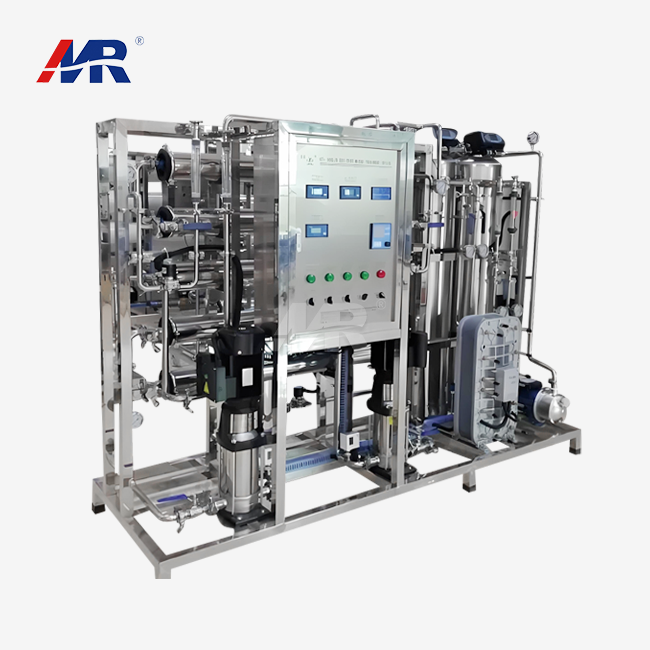
Start by putting the main parts of the system in the places that the maker and your area's safety rules say they should go. The RO skid needs to be put on a level base with enough space around it for upkeep to get to it. Connect the pipe that brings water to the house to the parts that treat it first, like filters for sediment, units for carbon adsorption, and systems for chemical doses.
Electrical and Control System Integration
Put in the PLC-based control system for the reverse osmosis system with the ability to watch from afar. Make sure that grounding and electrical separation are done correctly. The automatic system handles pressure regulation, flow control, and membrane cleaning processes and shows performance data in real time. As shown in the electrical schematic, connect all of the sensors, pumps, and valves. Then, do a full test of the safety interlocks and emergency stop processes.
Membrane Installation and System Commissioning
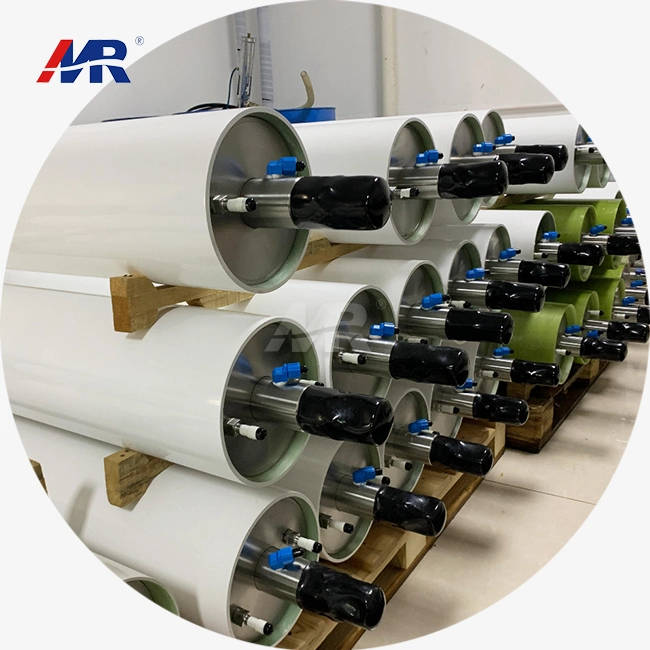
Be very careful when installing RO filters so they don't get damaged. Take off the protected package just before installation, and make sure that the correct orientation is used within pressure vessels. Once everything is connected, you can start up the system for the first time using the manufacturer's start-up process. This includes flushing the system, testing the pressure, and checking the water quality to make sure everything was done correctly.
Post-Installation Maintenance and Troubleshooting
Preventive Maintenance Protocols
Setting up regular repair plans makes sure that the system keeps working well and that the equipment lasts longer. Pressure data, flow rates, and water quality factors should be checked every day. Weekly checks look at the conditions before the filter and how the chemical feed system works. As part of monthly maintenance, the performance is closely analyzed, and the membrane is cleaned if the differential pressure goes up or the flow declines.
Common Issues and Solutions
Knowing about common problems with operations helps you keep the reverse osmosis system running smoothly and avoid expensive downtime. Membrane fouling is the most common problem, and it is usually caused by poor pre-treatment or cleaning processes that are done too late. If the pressure drops in different parts of the system, it might mean that the filter needs to be replaced or that there is scaling buildup that needs to be cleaned with chemicals. Changes in water quality can mean that the membrane is damaged or that there are overflow conditions. These changes need to be looked into right away and fixed.
Procurement and Supplier Guidance for Water Treatment Systems
Supplier Selection Criteria
Choosing the right tools provider affects the long-term success of operations and the total cost of ownership. Rate your providers on how much they know about your Products, how well they can help with installation, and how good their after-sales service plans are. Equipment dependability and performance consistency can be trusted when it comes to industry licenses and proven track records in similar applications. With more than 14 branches, 500 workers, and 20 engineers working on a variety of water treatment projects around the world, Guangdong Morui Environmental Technology Co., Ltd is an example of these traits.
Technology and Performance Advantages
Newer reverse osmosis system brackish water treatment systems are much better than older ones because they are energy-efficient, using only 2.5 to 3.5 kWh/m³, and are small, which makes them perfect for sites where room is limited. The following important points show why this product is useful for industrial applications:
- High rates of healing after a flood waste less and protect the earth
- Modular building that lets you add on in phases to meet the needs of a growing market; high-tech machines that lower the number of people needed to operate them and make sure they always work the same way.
- A lot of choices for pre-treatment increase the lifespan of the machine and lower the cost of upkeep
In a range of industrial settings, these technological benefits lead to clear improvements in how things are done, such as using fewer chemicals, lowering energy costs, and making sure that the quality of the product is consistent.
Conclusion
Installing a brackish water reverse osmosis system correctly takes a lot of planning, following the right steps for installation, and making sure that upkeep is always done. Getting good equipment and hiring professionals to install it will help you in the long run by making the water quality better, lowering the cost of running the system, and making it last longer. If you choose the right suppliers and give expert help to your staff, your factory can meet strict water quality standards, stay environmentally friendly, and follow the rules.
FAQ
Q1: How often should RO membranes be replaced in brackish water applications?
A: Membrane replacement intervals typically range from 2-5 years, depending on water quality, pre-treatment effectiveness, and maintenance practices. Regular performance monitoring and cleaning protocols can extend membrane life significantly.
Q2: What are the main differences between brackish water and seawater RO systems?
A: Brackish water systems operate at lower pressures (150-400 psi vs 800-1000 psi), use different membrane types optimized for moderate salinity, and require less energy consumption per cubic meter of treated water.
Q3: Can these systems be operated remotely without on-site personnel?
A: Modern systems with PLC-based controls and remote monitoring capabilities can operate automatically with minimal supervision. However, periodic on-site inspections and maintenance activities remain necessary for optimal performance.
Partner with Morui for Superior Water Treatment Solutions
Ready to implement a reliable brackish water treatment solution for your facility? Morui specializes in delivering comprehensive water treatment systems with capacities ranging from 100 m³/day to 10,000 m³/day, featuring advanced automation and proven reliability. Our Team of 20 engineers provides complete support from system design through installation and ongoing maintenance. As a leading Reverse Osmosis System supplier, we offer customized solutions tailored to your specific industrial requirements. Discover how our cutting-edge technology can optimize your water treatment operations by visiting moruiwater.com or contacting us at benson@guangdongmorui.com today.
References
1. American Water Works Association. "Reverse Osmosis and Nanofiltration Manual of Water Supply Practices." Second Edition, 2020.
2. Membrane Technology Research Institute. "Industrial Brackish Water Treatment: Design and Operation Guidelines." Technical Publication Series, 2021.
3. International Desalination Association. "Best Practices for Reverse Osmosis System Installation and Commissioning." Industry Standards Manual, 2022.
4. Water Quality Association. "Commercial and Industrial Water Treatment System Installation Protocols." Professional Guidelines, 2020.
5. National Association of Water Companies. "Membrane System Performance Optimization in Industrial Applications." Research Report, 2021.
6. American Society of Civil Engineers. "Water Treatment Plant Design and Installation Standards for Reverse Osmosis Systems." Engineering Manual, 2022.