

_1745823981883.webp)

Commercial Reverse Osmosis Water Treatment Solutions for Businesses
In today's cutthroat business world, making sure that people can get high-quality water is important for a lot of different companies. Reverse osmosis water purification plants have become a game-changing solution that gives businesses an easy and cheap way to meet their water treatment needs. These modern water treatment systems use the latest technology to break up solids, clear contaminants, and make water safe for a variety of uses. Commercial RO systems are changing the way companies clean and handle water for making goods, for healthcare, and for general use.

Why Businesses Choose RO Water Purification Plants?
The appropriation of reverse osmosis innovation in commercial settings has developed exponentially in later a long time, and for good reason. RO systems offer a bunch of benefits that make them an appealing choice for businesses across different sectors:
Superior Water Quality
One of the most important reasons companies choose RO water purification plants is that they make the water better than any other method. These frameworks can get rid of up to 99% of solids, bacteria, and other contaminants that have been broken down. This makes sure that the water meets the highest quality standards. This level of honesty is normal for companies like medicine companies, tool makers, and food and drink makers, where the quality of the water has a direct effect on the quality and safety of the Products.
Cost-Effectiveness
While the introductory venture in a reverse osmosis water purification plant may appear considerable, the long-term investment funds are critical. By creating high-quality water on-site, businesses can diminish their dependence on bottled water or other costly water sources. Moreover, the proficient nature of RO systems implies lower energy utilization and decreased water waste, encourage contributing to taken a toll investment funds over time.
Versatility and Scalability
Commercial RO plants are very adaptable and can be tailored to suit the needs of different businesses and uses. RO innovation can be scaled to fit any company's needs, from a small framework for one office to a big plan for multiple places. This flexibility lets companies change how they treat water as their needs change, making sure the investment will last.
Environmental Benefits
In an age where sustainability is a key need for numerous businesses, RO water refinement plants offer critical environmental benefits. By lessening dependence on bottled water and making strides in water productivity, these frameworks offer assistance in minimising plastic waste and conserving important water resources. Besides, the capacity to treat and reuse wastewater can contribute to a company's by and large maintainability objectives and reduce its environmental footprint.
Commercial-Grade RO Plant Features and Capabilities
Modern commercial reverse osmosis water purification plants are prepared with progressed highlights and capabilities that set them separated from private or small-scale systems. Understanding these highlights is significant for businesses looking to contribute to a water treatment arrangement that meets their particular needs:
High Capacity and Flow Rates
Commercial RO plants are designed to handle huge volumes of water, with capacities extending from thousands to millions of gallons per day. This high-capacity plan guarantees a steady supply of decontaminated water for indeed the most demanding mechanical applications. Progressed frameworks can accomplish stream rates of up to 100,000 gallons per day or more, making them reasonable for large-scale operations in divisions such as manufacturing, control era, and metropolitan water treatment.
Multi-Stage Filtration
While reverse osmosis is the core technology, commercial-grade plants often incorporate multiple stages of filtration to enhance water quality and system efficiency. These may include:
- Pre-filtration: Evacuates bigger particles and silt to ensure the RO membranes
- Activated carbon filtration: Kills chlorine and natural compounds
- Microfiltration or ultrafiltration: Gives extra expulsion of fine particles and microorganisms
- Post-treatment: May incorporate UV sanitisation or remineralisation, depending on the application
This multi-stage approach ensures comprehensive water treatment in the reverse osmosis water purification plant and extends the lifespan of the RO membranes, reducing maintenance requirements and operational costs.
Advanced Monitoring and Control Systems
Commercial RO plants are equipped with sophisticated monitoring and control systems that allow for real-time performance tracking and adjustment. These systems typically include:
- Touchscreen interfacing for simple operation and monitoring
- Remote checking capabilities for off-site management
- Automated alarms for framework issues or upkeep requirements
- Data logging and detailing highlights for compliance and quality control
These advanced controls ensure optimal system performance, minimise downtime, and provide valuable insights into water usage and quality trends.
Energy Recovery and Efficiency Features
To address the energy-intensive nature of reverse osmosis, modern commercial plants incorporate various energy recovery and efficiency features. These may include:
- Energy recovery devices (ERDs) that capture and reuse waste from the concentrate stream
- Variable frequency drives (VFDs) for optimised pump operation
- High-efficiency layers that require less weight to operate
- Smart control frameworks that alter operations based on request and water quality
These features can significantly reduce energy consumption, lowering operational costs and improving the overall sustainability of the water treatment process.
Tailored Water Treatment Solutions Using RO Technology
The versatility of reverse osmosis technology allows for the development of tailored water treatment solutions that cater to the unique requirements of different industries and applications. Here's how RO systems are customised to meet specific business needs:
Industry-Specific Configurations
Different industries have varying water quality requirements and treatment challenges. Reverse osmosis water purification plants can be configured to address these specific needs:
- Pharmaceutical Industry: RO systems for pharmaceutical applications frequently incorporate extra refinement stages, such as electrodeionization (EDI), to create water that meets exacting pharmacopeia standards.
- Food and Refreshment Generation: RO plants for this segment may consolidate specialised pre-treatment to handle tall natural loads and post-treatment for mineral alteration to keep up item taste and quality.
- Electronics Fabricating: Ultrapure water frameworks for hardware regularly combine RO with extra innovations like UV oxidation and mixed-bed particle trade to accomplish the greatly low conductivity levels required for semiconductor production.
- Power Era: RO frameworks for control plants are outlined to handle expansive volumes of water and may incorporate specialised pre-treatment to address issues like silica expulsion for evaporator feed water applications.
Modular Design for Scalability
Many commercial RO plants feature a modular design that allows for easy expansion or reconfiguration as business needs change. This modularity offers several advantages:
- Flexibility to begin with a smaller framework and extend capacity over time
- Ability to include or exclude treatment stages based on changing water quality or administrative requirements
- Easier upkeep and overhauling, as person modules can be taken offline without closing down the whole system
- Reduced downtime amid overhauls or repairs
This scalable approach ensures that businesses can adapt their water treatment capabilities to match growth or changes in demand, without the need for complete system overhauls.
Integration with Existing Infrastructure
For many businesses, integrating a new water treatment system into existing infrastructure is a key consideration. Commercial RO plants can be designed to seamlessly integrate with:
- Existing pre-treatment systems
- Water capacity and dissemination networks
- Process control and SCADA systems
- Wastewater treatment and reusing facilities
This integration ensures minimal disruption to ongoing operations and maximises the efficiency of the overall water management system.
Customised Pre and Post-Treatment Options
While the reverse osmosis water purification plant is highly effective at removing a wide range of contaminants, some applications may require additional pre or post-treatment steps. Customised options may include:
- Specialised media filtration for the evacuation of particular contaminants like arsenic or fluoride
- Advanced oxidation forms for breaking down complex natural compounds
- Remineralisation systems for altering mineral substances in the treated water
- Disinfection systems, such as UV or chlorination, for extra microbial control
These customised treatment options ensure that the final water quality meets the exact specifications required for each unique application.
Conclusion
A well-designed reverse osmosis water purification plant has become an irreplaceable resource for present-day businesses looking for dependable, high-quality water and long-term cost-effectiveness. By combining progressive film innovation, multi-stage filtration, and shrewd control frameworks, commercial RO plants provide reliable refinement execution over assorted businesses. Their adaptability, energy-efficient operation, and natural benefits make them a feasible arrangement for developing operational requests. When customised to industry-specific prerequisites and coordinates with existing foundation, reverse osmosis water purification plants not only defend item quality and administrative compliance but also back trade versatility, maintainability objectives, and competitive advantage in a progressively water-conscious world.
FAQ
Q1: What is the typical lifespan of a commercial reverse osmosis system?
A: The lifetime of a business RO system can change based on the quality of the water, how the system is built, and how it is taken care of. If you take care of it and do regular upkeep, a well-designed industrial RO plant can last 15–20 years or more. Membranes and filters are important parts that need to be replaced every few years, usually 3 to 5 years for membranes and more often for pre-filters.
Q2: How does the recovery rate of commercial RO plants compare to smaller systems?
A: Larger commercial reverse osmosis plants are usually better at recovery than smaller home systems. The recovery rate for home RO systems may be as low as 50–75%, but for business systems, it can be as high as 75–85% or even more with newer designs. For large-scale uses, this better efficiency is very important for saving water and lowering the cost of running the system.
Q3: Can a reverse osmosis system remove all contaminants from water?
A: While reverse osmosis is highly effective at removing a wide range of contaminants, including dissolved solids, bacteria, and many chemical pollutants, it may not remove 100% of all substances. Some volatile organic compounds (VOCs) and certain gases can pass through ro membranes. For this reason, commercial systems often incorporate additional treatment steps, such as activated carbon filtration or UV disinfection, to address specific contaminants and ensure comprehensive water purification.
Experience Unparalleled Water Purification with Morui's Reverse Osmosis Solutions | Morui
Ready to revolutionise your business's water treatment processes? Look no further than Guangdong Morui Environmental Technology Co., Ltd. As industry leaders in water treatment solutions, we offer cutting-edge reverse osmosis water purification plants tailored to meet the unique needs of businesses across various sectors. Our comprehensive services cover everything from industrial wastewater treatment and seawater desalination to drinking water production and more.
With our state-of-the-art membrane production facilities and equipment processing factories, we ensure the highest quality and efficiency in every system we deliver. Our Team of over 20 experienced engineers is dedicated to providing you with customised solutions that address your specific water purification challenges.
Don't let water quality issues hold your business back. Contact us today at benson@guangdongmorui.com to discuss how our advanced RO systems can transform your water treatment processes. Experience the Morui difference – where innovation meets reliability in water purification technology.
References
1. Johnson, A. R., & Smith, B. T. (2021). Advanced Reverse Osmosis Technologies for Industrial Water Treatment. Water Science and Technology, 83(5), 1001-1015.
2. Zhang, L., et al. (2020). Energy-efficient reverse osmosis desalination: Current status and future directions. Desalination, 491, 114556.
3. Brown, C. D., & Miller, G. W. (2019). The impact of reverse osmosis water purification in the food and beverage industry. Food Engineering Reviews, 11(4), 244-257.
4. Greenlee, L. F., et al. (2018). Reverse osmosis desalination: Water sources, technology, and today's challenges. Water Research, 43(9), 2317-2348.
5. Voutchkov, N. (2017). Energy use for membrane seawater desalination – current status and trends. Desalination, 431, 2-14.
6. World Health Organization. (2022). Guidelines for Drinking-water Quality: Fourth Edition Incorporating the First and Second Addenda. WHO Press.
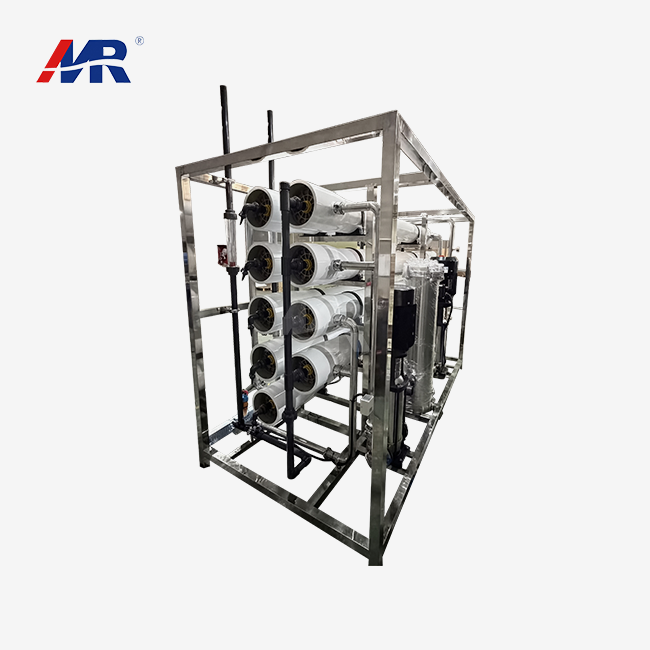 VIEW MOREro reverse osmosis water filter
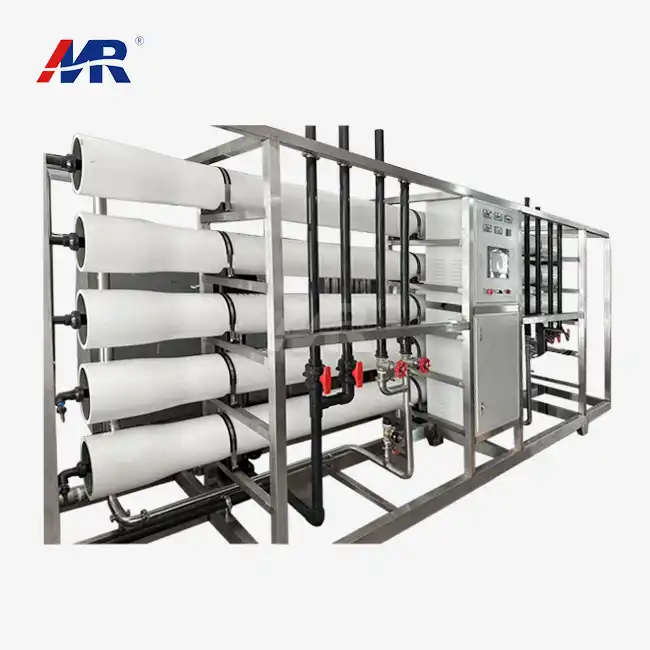 VIEW MORE25m3/hour reverse osmosis equipment
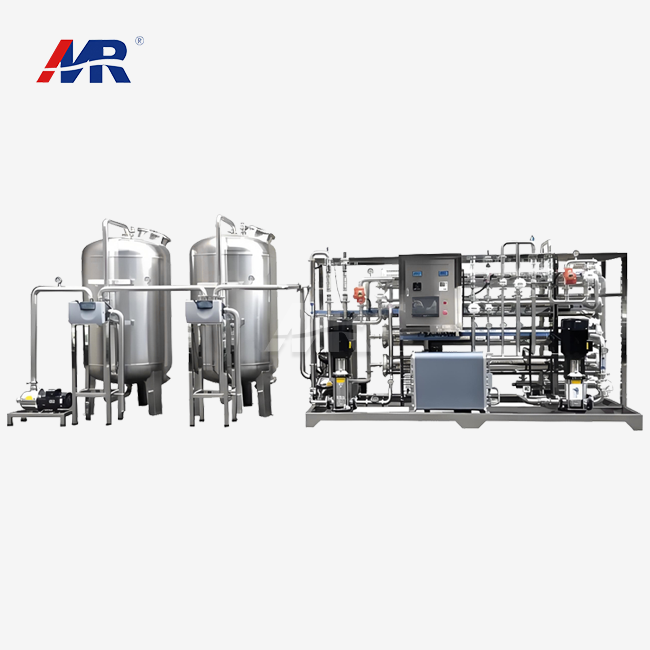 VIEW MORE2000LPH EDI system
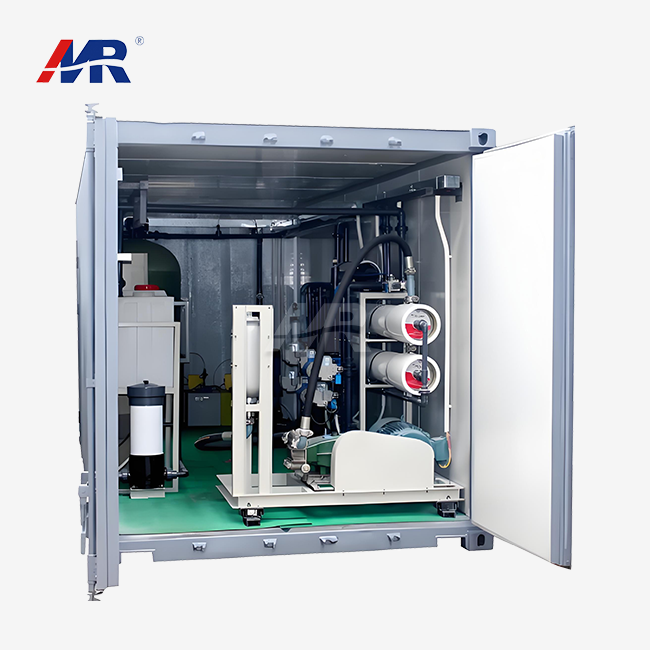 VIEW MOREcontainerized UF+RO system
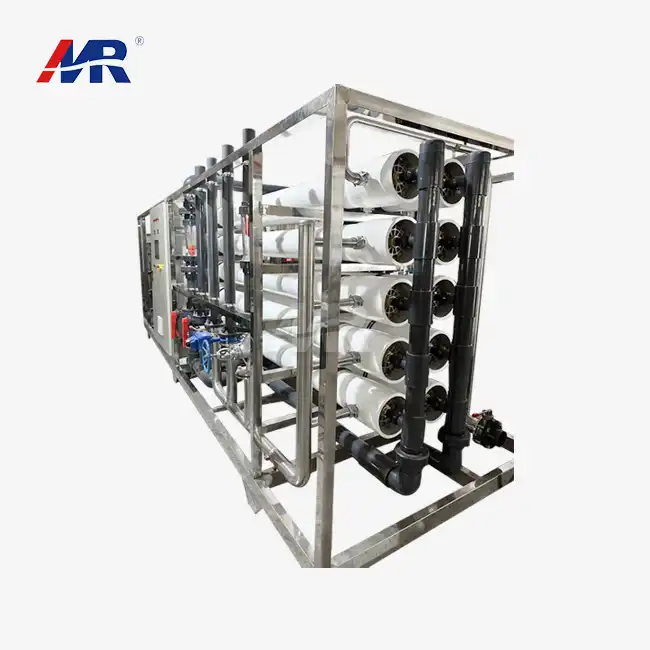 VIEW MORE50m3/hour reverse osmosis equipment
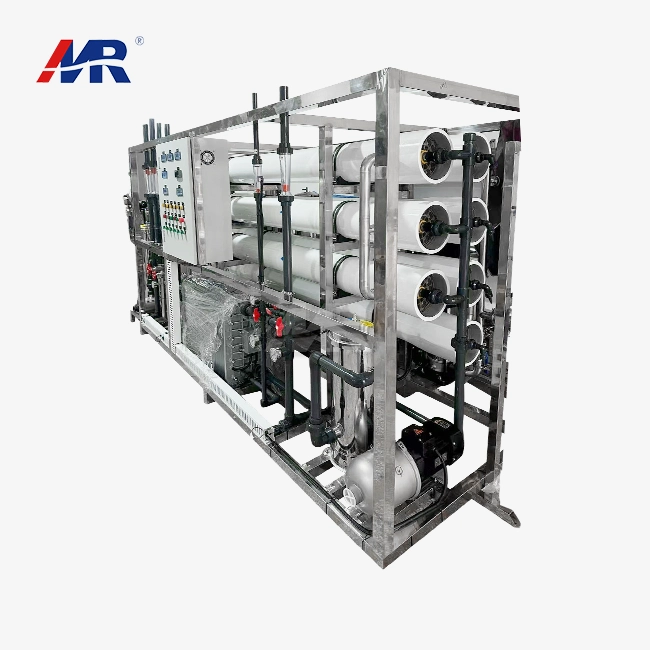 VIEW MOREedi module water treatment
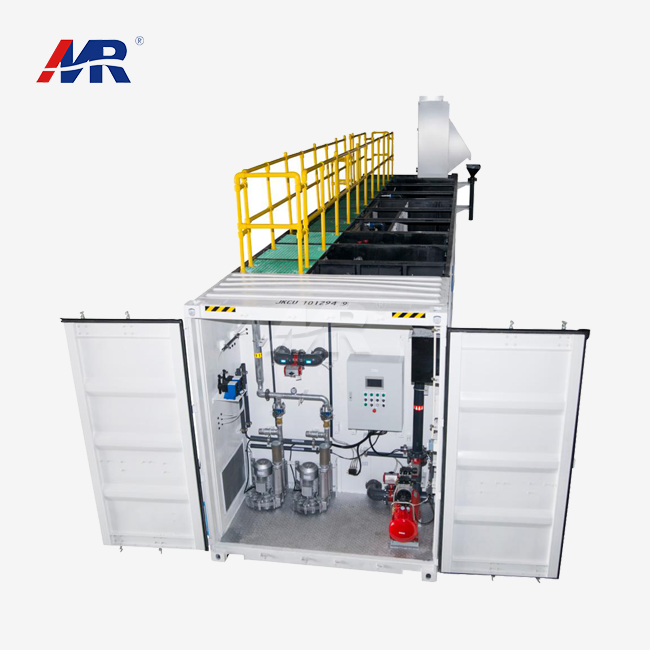 VIEW MOREhome sewage treatment plant
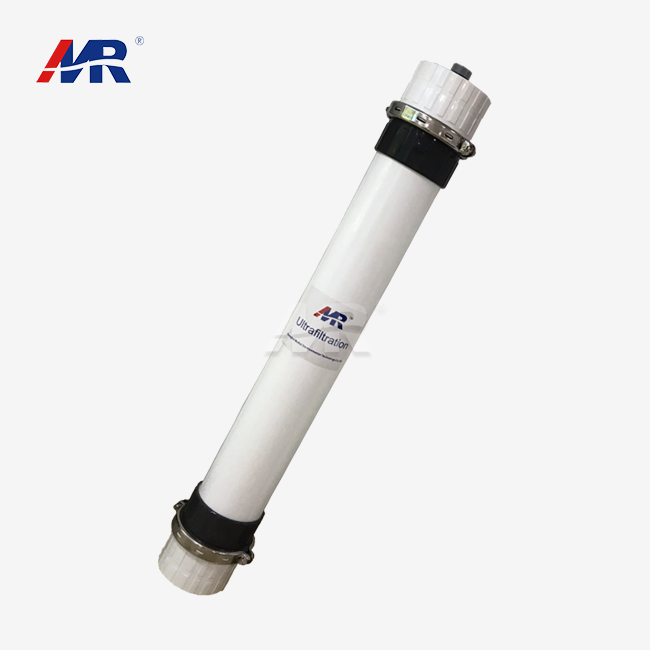 VIEW MOREultrafiltration membrane system
