_1745823981883.webp)

The Benefits of Reverse Osmosis Water Purification: Why Choose RO Technology?
Reverse osmosis (RO) technology is the most reliable water purification and cost-effective way to clean water for industrial and business uses. It is possible for RO systems to remove up to 99.9% of contaminants while still using only 3 to 6 kWh/m³ of energy. This high-tech membrane technology gets rid of dissolved solids, heavy metals, bacteria, and chemical impurities very well. It is essential for many industries, from making medicines to processing food, because consistent water quality affects both product safety and following the rules.
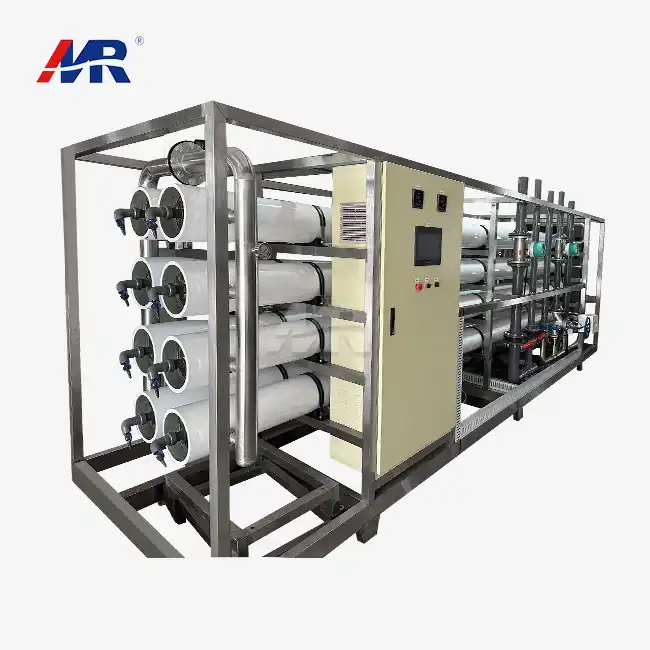
Understanding Reverse Osmosis Water Purification
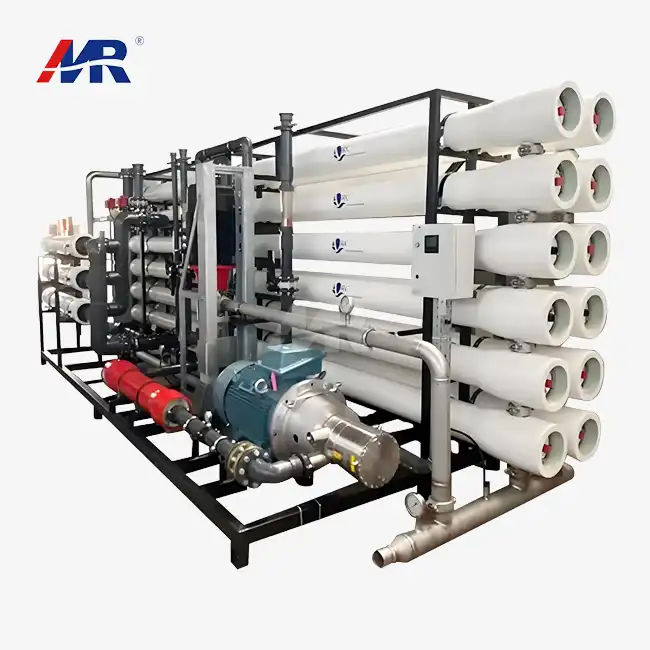
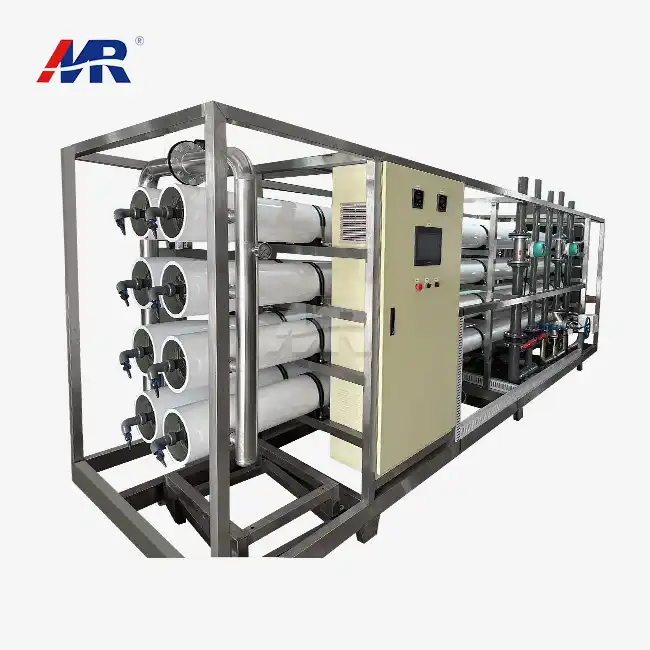
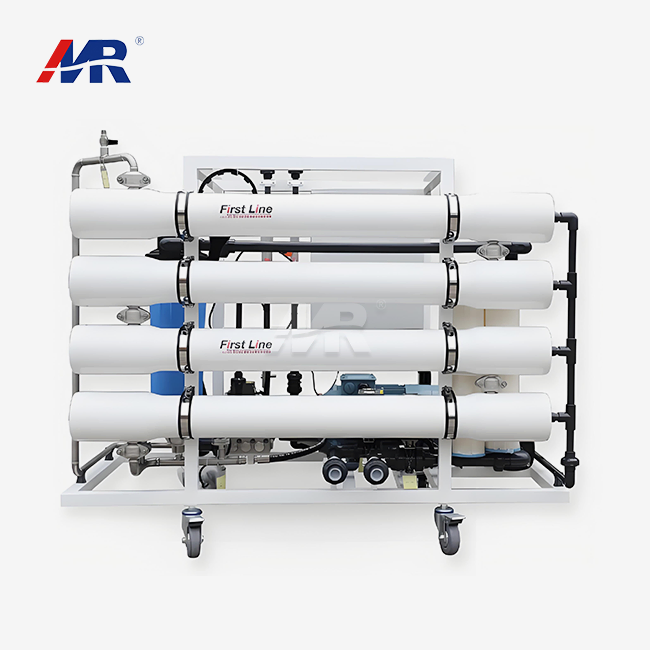
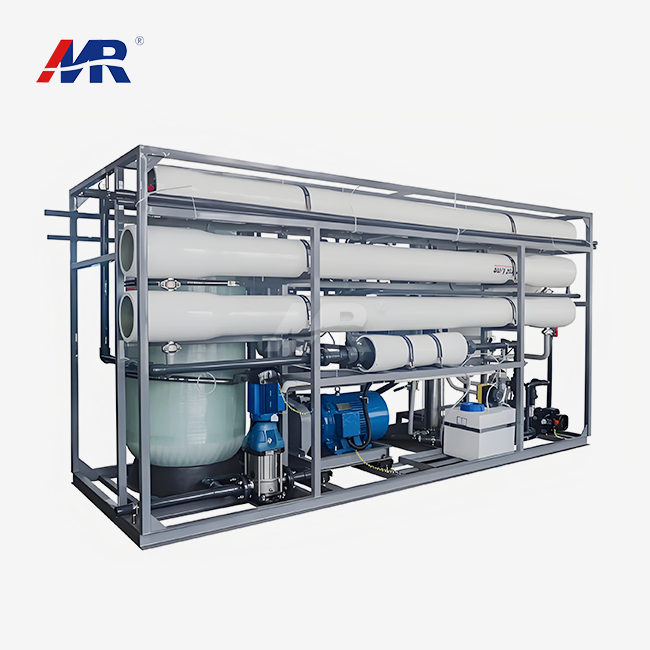
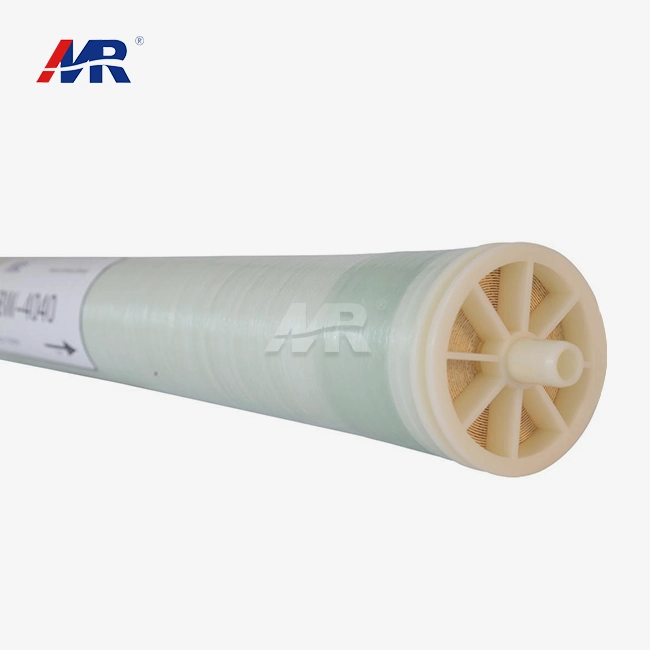
Reverse osmosis represents a breakthrough in membrane-based filtration technology that operates through a semipermeable barrier system. The process forces contaminated water through high-rejection TFC (Thin Film Composite) membranes under pressure, physically separating impurities at the molecular level. Unlike conventional filtration methods that rely on particle size exclusion, RO technology removes contaminants through diffusion and solubility mechanisms.
How RO Technology Works
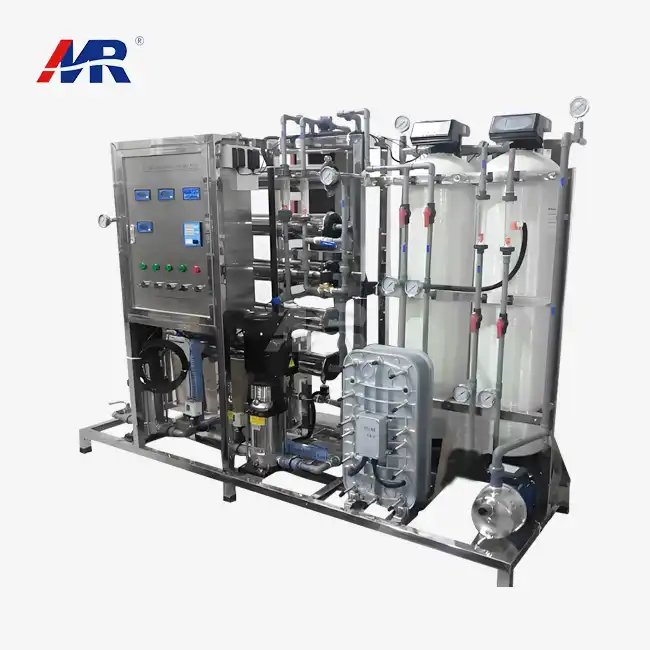
The five-stage routine of the reverse osmosis process makes sure that the water is completely cleaned. During pre-treatment, water that comes in goes through steps of softening, activated carbon adsorption, and multimedia filtration to get rid of bigger particles and chlorine that could hurt the ro membranes. The water is then pushed through the semipermeable membranes by high-pressure pumping systems that use 150 to 600 PSI of force, based on the needs of the application. In the membrane filtration step of the RO process, salts, heavy metals, bacteria, viruses, and organic substances that have been dissolved are thrown out while only water molecules pass through. After treatment, you can use UV sterilisation to kill even more microbes and remineralisation to add back minerals that are good for certain uses. After being cleaned, the water is put into storage and transportation systems that are meant to keep the quality of the water until it is used.
RO vs. Traditional Water Treatment Methods
Traditional ways of cleaning water, like chlorination, sand filtration, and ion exchange systems, only get rid of certain types of contaminants. RO technology, on the other hand, can get rid of all of them. While chlorine does a good job of killing germs, it also makes harmful disinfectant byProducts and cannot get rid of dissolved solids. Sand filtration gets rid of small particles but lets contaminants that are dissolved through unaltered. Ion exchange systems are good at going after certain ionic species, but they need to be regenerated often with chemicals that are hard to get rid of. RO technology gets around these problems because it removes a wide range of contaminants without using chemicals. This makes it very useful for businesses that need to keep water quality standards high, like electronics and pharmaceutical manufacturing.
Key Benefits of Reverse Osmosis for Industrial and Commercial Clients
Industrial and commercial facilities choosing RO technology gain access to multiple operational advantages that directly impact their bottom line and product quality. The technology's versatility allows customization for specific industry requirements while maintaining consistent performance across varying source water conditions.
Superior Water Quality and Compliance Standards
RO systems regularly make water that is better than reverse osmosis water purification units than strict industry standards, such as FDA rules for making food and drinks, USP standards for pharmaceutical uses, and ASTM standards for making electronics. The 99.9% contaminant removal efficiency makes sure that even very small impurities are gone, saving delicate manufacturing processes and making sure that the quality of the final product stays the same. Companies that use RO technology say that their product results have gone up significantly and that fewer products are being rejected because of problems with the quality of the water. Pharmaceutical businesses benefit a lot from RO systems because they make water that meets Good Manufacturing Practice (GMP) standards without being as hard to run as distillation systems.
Cost Savings and Operational Efficiency
Here are the primary cost advantages that make RO technology attractive for commercial operations:
- Reduced chemical consumption: RO systems eliminate the need for costly chemical additives used in conventional treatment methods, reducing operational expenses and simplifying inventory management
- Lower maintenance requirements: Modern RO systems with advanced monitoring capabilities provide predictive maintenance alerts, reducing unplanned downtime and extending equipment lifespan
- Energy efficiency: Advanced membrane designs and pressure recovery systems minimize energy consumption compared to thermal distillation processes
- Waste reduction: High recovery rates up to 75% maximize water utilization while minimizing wastewater disposal costs
- These operational improvements translate to substantial long-term savings, with many facilities reporting 30-50% reductions in water treatment costs within the initial three years of RO system implementation. The modular design of modern RO systems also allows capacity expansion without complete system replacement, protecting capital investments as business needs evolve.
Environmental Benefits and Sustainability
RO technology supports corporate sustainability initiatives through multiple environmental advantages. The process eliminates the need for chemical disinfectants that create harmful byproducts, reducing environmental impact while improving worker safety. Water recovery rates of up to 75% significantly reduce freshwater consumption, particularly important for facilities in water-stressed regions. The technology's ability to treat and recycle process water supports circular economy principles, allowing industries to reduce their environmental footprint while maintaining operational efficiency. Many companies integrate RO systems into zero liquid discharge programs, where treated water is recycled indefinitely within their operations.
Modern Advances and Technological Innovations in RO Systems
Contemporary RO systems incorporate cutting-edge technologies that enhance performance while simplifying operation and maintenance. These innovations address traditional challenges associated with membrane fouling, energy consumption, and system monitoring.
Energy Efficiency and Smart Monitoring
Advanced RO systems now feature variable frequency drives (VFDs) that automatically adjust pump speeds based on water demand, reducing energy consumption during low-demand periods. Pressure recovery devices capture hydraulic energy from concentrate streams, improving overall system efficiency by up to 35%. Smart monitoring systems continuously track key performance indicators, including membrane differential pressure, conductivity, and flow rates. Real-time data analytics help operators optimize system performance and predict maintenance needs before problems occur. Cloud-based monitoring platforms allow remote system oversight, enabling proactive maintenance scheduling and performance optimization. These technological advances reduce operational complexity while ensuring consistent water quality output.
Sustainable Water Management Solutions
Modern RO innovations focus heavily on minimizing environmental impact through improved water recovery and waste reduction. Advanced pre-treatment systems extend membrane life by preventing fouling, reducing replacement frequency, and associated waste. Concentrate minimization technologies allow facilities to achieve higher recovery reverse osmosis water purification unit rates while maintaining membrane performance. Integration capabilities with renewable energy systems enable RO operations powered by solar or wind energy, particularly valuable for remote installations or facilities committed to carbon neutrality. These sustainable water purification approaches align with corporate environmental goals while maintaining operational effectiveness.
How to Choose the Right Reverse Osmosis System for Your Business
Selecting an appropriate RO system requires careful evaluation of multiple technical and operational factors. Understanding your specific water quality requirements, capacity needs, and long-term objectives ensures optimal system performance and return on investment.
Capacity and Performance Requirements
Determining the correct system capacity involves analyzing both current and projected water demands. Systems ranging from 1,000 to 100,000 gallons per day accommodate most commercial and light industrial applications. Peak demand periods, storage requirements, and redundancy needs influence capacity selection decisions. Water quality testing reveals specific contaminants requiring removal, informing membrane selection and pre-treatment requirements. Industries with stringent quality standards, like pharmaceuticals, may require additional post-treatment options, including UV sterilization or electrodeionization for ultrapure water production.
Supplier Selection and Support Services
Choosing a reliable supplier involves evaluating technical expertise, manufacturing capabilities, and long-term support commitments. Suppliers with extensive industry experience understand specific application requirements and can provide customized solutions that integrate seamlessly with existing infrastructure. Comprehensive support services, including installation, commissioning, training, and ongoing maintenance, ensure optimal system performance throughout its operational life. Suppliers offering 24/7 Technical support and rapid parts availability minimize potential downtime impacts on critical operations.
Budget Considerations and ROI Analysis
When investing in an RO system, you should think about the total cost of ownership, not just the initial capital costs. Long-term operational costs are affected by how much energy is used, how often membranes need to be replaced, and how much upkeep is needed. Systems that cost more at first often pay for themselves in the long run by being more efficient and needing less upkeep. Businesses can use modern water purification technology without having to spend a lot of money on capital. They can do this by leasing equipment or signing performance-based contracts. When figuring out ROI, you should include the money you save from lower chemical prices, better product quality, and better compliance with regulations.
Case Studies: Successful RO Deployments in B2B Settings
Real-world implementations demonstrate the practical benefits of RO technology across diverse industrial applications. These examples illustrate how proper system selection and implementation deliver measurable improvements in operational efficiency and product quality.
Manufacturing Industry Success Story
A big company that makes car parts had problems with the quality of the water that was corroding precision parts and shortening the life of their products. The old ways of treating water weren't good enough to get rid of the dissolved minerals that were causing the rust. The building has a custom RO system that can handle 50,000 gallons of water per day and was made just for cooling and washing. Within six months of putting the new system into place, the company saw a 40% drop in the number of rejected parts and no more customer complaints about parts breaking too soon. The RO system got rid of 99.9% of the minerals that were causing problems, and it also cut down on the cost of maintaining production equipment. Better product quality and less equipment upkeep saved more than $200,000 a year.
Food and Beverage Processing Application
A local company that makes drinks had trouble with uneven water quality, which hurt the taste of their products and shortened their shelf life. Seasonal changes in the quality of municipal water made it hard to keep product formulations constant. The company put in a modular RO system with advanced water purification tracking features to make sure that the water quality would stay the same even if the source water changed. The RO system got rid of compounds that gave things their taste and smell and kept the mineral content stable for product formulas. Consistency in product quality has gotten a lot better, which has cut down on customer complaints and returns. The company also saved money by using fewer chemical additives and making production more efficient. Within 18 months, the system paid for itself.
Pharmaceutical Industry Implementation
In order to do study and production, a biotechnology company needed ultrapure water that met strict USP standards. Their old distillation system used a lot of energy and needed to be serviced often. The business updated to a RO system with electrodeionization (EDI) technology to get the water quality they needed while also cutting costs. Compared to distillation, the new system used 60% less energy and regularly made water that was better than USP standards. Automated tracking and control systems cut down on the need for workers while making sure that regulatory standards were always met. The implementation helps the business grow while keeping the water quality at the best level.
Conclusion
In industrial and business settings that need consistent, high-quality water, reverse osmosis technology is the best and most flexible way to clean water. RO systems are very useful for many businesses, from making medicines to processing food, because they remove 99.9% of contaminants, use as little as 3–6 kWh/m³ of energy, and have recovery rates of up to 75%. Modern improvements in membrane technology, smart monitoring, and energy savings keep making RO systems more valuable and helping to reach sustainability goals. Reverse osmosis is the best option for businesses that care about water quality, operating efficiency, and being environmentally friendly. The technology has been used successfully in many different situations and meets strict government standards.
FAQ
1. Is reverse osmosis water safe for all industrial applications?
RO-purified water meets safety standards for virtually all industrial applications, including pharmaceutical manufacturing, food processing, and electronics production. The technology removes harmful contaminants, including bacteria, viruses, heavy metals, and chemical pollutants, while maintaining consistent quality. Post-treatment options like remineralization ensure water suitability for specific applications requiring particular mineral content.
2. What maintenance schedule should I follow for RO systems?
Regular maintenance schedules depend on source water quality and system capacity, but typically include daily monitoring of pressure and flow rates, weekly cleaning of pre-filters, monthly membrane performance checks, and quarterly comprehensive system inspections. Membrane replacement intervals range from 1-3 years, depending on water conditions and pre-treatment effectiveness. Advanced monitoring systems provide automated alerts for maintenance requirements.
3. Can RO systems be combined with other water treatment methods?
RO technology integrates effectively with complementary treatment methods to achieve specific water quality objectives. Pre-treatment systems, including multimedia filtration and activated carbon, improve RO performance and extend membrane life. Post-treatment options like UV sterilization provide additional microbial protection, while electrodeionization (EDI) produces ultrapure water for electronics and pharmaceutical applications.
Partner with Morui for Advanced Water Purification Solutions
Guangdong Morui Environmental Technology Co., Ltd. delivers comprehensive RO system solutions designed specifically for water purification for industrial and commercial applications. Our advanced reverse osmosis systems feature high-rejection TFC membranes, modular designs for easy expansion, and smart monitoring capabilities that ensure optimal performance. As a leading water purification supplier with over 500 employees, 20 engineers, and 14 branches nationwide, Morui provides complete turnkey solutions, including equipment manufacturing, installation, and commissioning services. Contact our technical team at benson@guangdongmorui.com to discuss your specific water treatment requirements and discover how our customized RO systems can enhance your operational efficiency while ensuring consistent water quality compliance.
References
1. Greenlee, L.F., Lawler, D.F., Freeman, B.D., Marrot, B., & Moulin, P. "Reverse osmosis desalination: Water sources, technology, and today's challenges." Water Research, 43(9), 2317-2348.
2. Fritzmann, C., Löwenberg, J., Wintgens, T., & Melin, T. "State-of-the-art of reverse osmosis desalination." Desalination, 216(1-3), 1-76.
3. Lee, K.P., Arnot, T.C., & Mattia, D. "A review of reverse osmosis membrane materials for desalination—development to date and future potential." Journal of Membrane Science, 370(1-2), 1-22.
4. Elimelech, M., & Phillip, W.A. "The future of seawater desalination: Energy, technology, and the environment." Science, 333(6043), 712-717.
5. Shaffer, D.L., Werber, J.R., Jaramillo, H., Lin, S., & Elimelech, M. "Forward osmosis: Where are we now?" Desalination, 356, 271-284.
6. Pendergast, M.M., & Hoek, E.M. "A review of water treatment membrane nanotechnologies." Energy & Environmental Science, 4(6), 1946-1971.