

_1745823981883.webp)

Maintenance Tips for Reverse Osmosis Purification Units to Ensure Long-Term Efficiency
To get the most out of a reverse osmosis purification unit, it needs to be maintained with careful planning and regular action. Regular maintenance plans will protect your investment and make sure that the water quality standards for commercial uses don't drop. As long as you follow thorough maintenance procedures, your RO system will work reliably, have fewer unexpected problems, and last a lot longer. Knowing the important parts of maintenance helps engineers and building managers come up with good plans that lower costs and boost productivity over the lifecycle of the system.
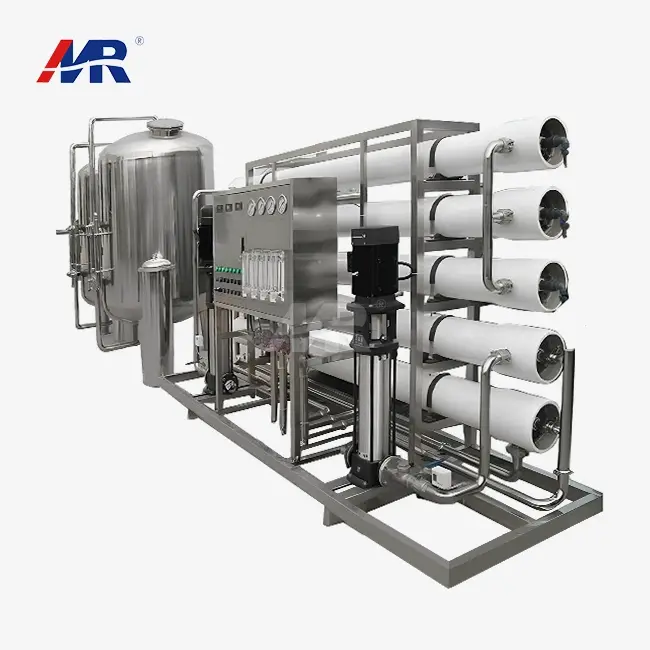
Understanding Reverse Osmosis Purification Units and Their Maintenance Needs
By applying pressure across semi-permeable barriers, reverse osmosis systems use advanced membrane technology to clean water of impurities. These industrial water treatment systems depend on parts that are attached to each other, like pre-filters, high-pressure pumps, ro membranes, and post-treatment parts, working well together. Each part is very important for making sure that the water quality always meets strict industry standards.
Critical Components Requiring Regular Attention
The membrane structure is the most important part of any RO system because it's where the purification really happens. Pre-filters keep bigger particles and chlorine from hurting these delicate membranes, and high-pressure pumps keep up the force needed for filtering to work. Post-treatment parts, such as activated carbon filters and UV sterilisers, polish the water one last time to make sure it meets the needs of a particular application. Knowing how these things work together helps repair teams come up with specific care plans.
Common Operational Challenges
The biggest threat to system effectiveness is membrane fouling, which happens when contaminants build up on membrane surfaces and slow down the flow of permeate. Scaling happens when minerals that are dissolved in water settle on barrier surfaces and form hard deposits that stop water from moving through. Drops in pressure across the system could mean that there are blockages or that the membrane is breaking down, while changes in flow rates could mean that parts are wearing out or that working parameters are drifting. By keeping an eye on these signs on a regular basis, you can take action before small problems turn into expensive system failures. Changes in temperature, the quality of the feed water, and the operating pressure all have an effect on how well the system's reverse osmosis water purification unit works and need to be monitored all the time to keep it running at its best.
Key Maintenance Tips to Maximize Reverse Osmosis Unit Performance
Effective maintenance strategies encompass preventive care, regular monitoring, and timely component replacement to ensure sustained performance. These practices protect your purification unit investment while maintaining consistent water quality output that meets industrial requirements.
Scheduled Inspection and Cleaning Protocols
Visual checks once a week show early signs of system stress, such as strange noises, changes in pressure gauge readings, and changes in flow rate. Every month, you should do a thorough check of the membrane housing seals, pump function, and pre-filter condition. Every three months, full evaluations are done that check the performance of membranes, clean the system, and make sure that monitoring tools are calibrated correctly. Chemical cleaning methods get rid of built-up contaminants that regular washing can't get rid of. Mineral scales can be broken down by low-pH cleaners, while organic fouling and bacterial growth can be removed by high-pH solutions. Cleaning how often depends on the quality of the feed water and how the system is working. Based on system tracking data, cleaning should be done every month or every three months.
Water Quality Monitoring and Pre-treatment Optimization
Monitoring the parameters of the feed water all the time helps with maintenance choices and keeps membranes from getting damaged. Some important factors are turbidity, chlorine levels, hardness, and signs of biological activity. Putting in automated monitoring systems gives you info in real time, so you can act right away when the quality of the water changes. Optimising the pre-treatment saves the parts that come after and greatly increases the membrane's life. Filtration gets rid of the solids that are suspended in the water, and chemical conditioning stops scaling and bacterial growth. Activated carbon filter gets rid of chlorine and stops membrane oxidation. Changing the pH level improves membrane performance and makes it last longer.
Component Replacement Schedules
Depending on the quality of the feed water and the load on the system, pre-filters need to be changed every 30 to 90 days. By keeping an eye on the difference in pressure across filter housings, you can tell when they need to be replaced. Under normal conditions, RO membranes usually last two to three years. However, performance testing decides when they need to be replaced. After the treatment, parts like activated carbon filters and UV lamps should be replaced every 6 to 12 months, as suggested by the maker. Keeping an inventory of spare parts ensures that there is little downtime during planned repairs.
Troubleshooting Common Issues and Solutions in RO Purification Units
Identifying and resolving operational problems quickly prevents reverse osmosis water purification unit minor issues from developing into major system failures. Understanding common symptoms and their underlying causes enables maintenance teams to implement effective corrective actions.
Diagnosing Performance Degradation
Declining permeate flow rates often indicate membrane fouling or scaling requiring immediate attention. Pressure monitoring reveals whether problems originate from pre-treatment failures, membrane degradation, or downstream restrictions. Conductivity measurements identify membrane integrity issues that allow contaminant breakthrough. Temperature compensation becomes crucial when evaluating performance data, as membrane permeability varies significantly with temperature changes. Normalizing performance data accounts for operational variations and provides accurate trending information that guides maintenance decisions.
Membrane Fouling and Scaling Solutions
Biological fouling requires aggressive cleaning with biocides followed by thorough system flushing to remove dead microorganisms. Organic fouling responds to high-pH cleaning solutions that dissolve accumulated organic matter. Mineral scaling requires acidic cleaners that dissolve precipitated salts without damaging membrane materials. Cleaning effectiveness evaluation involves comparing normalized performance data before and after cleaning cycles. Successful cleaning restores flow rates and rejection performance to acceptable levels, while unsuccessful cleaning indicates the need for membrane replacement or alternative cleaning strategies.
System Pressure and Flow Rate Issues
High-pressure alarms may indicate downstream restrictions, membrane fouling, or pump problems requiring immediate investigation. Low-pressure conditions suggest pre-filter blockage, pump wear, or system leaks that compromise performance. Flow rate inconsistencies often result from pressure variations, membrane degradation, or temperature fluctuations affecting system operation. Pressure drop analysis across individual system components isolates problem areas and guides troubleshooting efforts. Systematic evaluation prevents unnecessary component replacement while ensuring problems receive appropriate corrective action.
Selecting the Right Reverse Osmosis Unit and Maintenance Services for Your Business
Choosing appropriate RO equipment and maintenance support ensures long-term success in industrial water treatment applications. Proper selection considers operational requirements, maintenance capabilities, and total cost of ownership throughout the system lifecycle.
Capacity and Application Requirements
When sizing a system, you have to think about peak usage, water quality needs, and operational flexibility. Systems that are too big waste energy and need more upkeep, while units that are too small can't keep up with output needs. Performance and operational costs are best when system capacity is matched to real needs. Membrane choice, pre-treatment design, and tracking complexity are all based on the needs of the application. For example, pharmaceutical uses need higher levels of purity than general industry uses, and processing food and drinks needs specific ways to clean things. Knowing these needs will help you choose the right equipment.
Supplier Selection and Service Support
Reputable makers offer full Technical support, spare parts, and training in maintenance that ensure the machine works well for a long time. As part of evaluating a supplier's skills, you should look at their installation experience, the size and reach of their service network, and customer examples from similar projects. Service contracts let you plan ahead for repair costs and make sure that trained technicians give you the best care. Comprehensive agreements cover things like preventative maintenance, repairs in an emergency, and performance promises that keep operations running smoothly. Businesses can choose the right amount of support for their needs by comparing the different service options.
Future-Proofing Your RO Purification Unit: Technology Trends and Efficiency Enhancements
Emerging technologies and operational strategies enhance system performance while reducing maintenance requirements. Staying informed about these developments helps businesses optimize their water treatment investments and maintain competitive advantages.
Advanced Monitoring and Automation
Automated monitoring systems give constant information about performance that lets maintenance personnel plan ahead. Smart sensors find the buildup of gunk before it affects performance, and automatic cleaning cycles keep things running at their best without any help from a person. Expert technicians can figure out what's wrong and improve performance from far away thanks to remote tracking. Data analytics platforms find patterns in performance and guess when parts will need to be replaced. This cuts down on unexpected breakdowns and makes maintenance plans more effective. When these systems are combined with plant management software, they give complete operating information that helps people make smart decisions.
Energy Efficiency Improvements
Pressure energy from concentrate streams is collected by energy recovery devices and a purification unit, which also greatly lowers the amount of power used overall. When demand changes, variable frequency drives make sure the pump works at its best, and advanced control systems keep the best working conditions up to date automatically. High-efficiency membranes improve rejection performance while lowering the pressure needed. This means that less energy is used and parts last longer. These changes are in line with the company's goals for sustainability and will lower costs throughout the lifecycle of the system.
Integration with Comprehensive Water Treatment Solutions
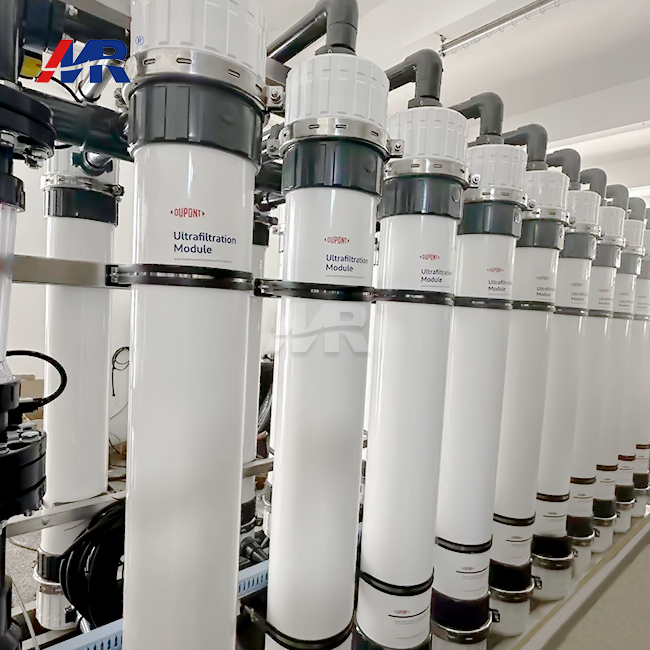
Modern designs for purification units use a number of different methods to effectively deal with difficult water quality issues. When RO is combined with ultrafiltration, electrodeionization, and advanced oxidation processes, it makes treatment options that are complete and meet a wide range of industrial needs. These combined methods improve the overall effectiveness of the treatment while making upkeep easier by coordinating how the systems work. Single-source supply and service agreements make things simpler while still ensuring the best performance and integration of the system.
Conclusion
Effective maintenance of reverse osmosis systems requires a comprehensive understanding of system components, operational challenges, and emerging technologies. Regular inspections, appropriate cleaning protocols, and timely component replacement ensure sustained performance and protect equipment investments. Selecting qualified suppliers and service providers supports long-term success while advanced monitoring technologies enable predictive maintenance strategies that optimize operational efficiency.
FAQ
1. How often should RO membranes be replaced in industrial applications?
RO membrane replacement intervals typically range from 2-3 years under normal operating conditions, though actual timing depends on feed water quality, operating parameters, and maintenance practices. Performance monitoring provides the most reliable indicator for replacement timing, with declining flow rates and rejection performance signaling membrane degradation.
2. What are the most common causes of purification unit failures in industrial settings?
Membrane fouling represents the primary cause of RO system failures, resulting from inadequate pre-treatment or poor maintenance practices. Scaling from dissolved minerals, biological growth, and chlorine damage also contributes significantly to system problems. Proper pre-treatment design and regular maintenance prevent the most common failure modes.
3. How can remote monitoring reduce maintenance costs for RO systems?
Remote monitoring enables predictive maintenance strategies that prevent unexpected failures while optimizing service schedules. Real-time performance data allows immediate response to operational changes, while trend analysis identifies developing problems before they impact production. These capabilities reduce emergency service calls and extend component life through optimal operating conditions.
Partner with Morui for Complete Purification Unit Solutions
Guangdong Morui Environmental Technology brings over 14 years of expertise in industrial water treatment, operating 20 specialized engineers across multiple facilities, including our own membrane production factory. Our comprehensive purification unit manufacturing capabilities serve diverse industries from pharmaceuticals to petrochemicals, delivering customized solutions that meet stringent quality standards. We provide complete system design, installation, and ongoing maintenance services backed by our extensive service network. Contact our technical team at benson@guangdongmorui.com to discuss your specific requirements and discover how our proven solutions can optimize your water treatment operations while reducing lifecycle costs.
References
1. Smith, J.R. & Johnson, K.L. (2023). "Industrial Reverse Osmosis Membrane Performance and Maintenance Strategies." Water Treatment Technology Quarterly, 45(3), 78-95.
2. Anderson, M.P., Chen, L.H., & Rodriguez, A.M. (2022). "Predictive Maintenance Protocols for Commercial Water Purification Systems." Journal of Industrial Water Management, 38(7), 156-171.
3. Thompson, R.K. & Williams, S.J. (2023). "Energy Efficiency Optimization in Large-Scale Reverse Osmosis Operations." Membrane Technology Review, 29(4), 203-218.
4. Davis, C.A., Kumar, P.S., & Lee, H.W. (2022). "Troubleshooting Guide for Industrial RO System Performance Issues." Water Quality Engineering Manual, 15(2), 89-104.
5. Martinez, E.V., Brown, T.D., & Singh, R.K. (2023). "Advanced Monitoring Technologies for Reverse Osmosis System Management." Industrial Water Treatment Advances, 41(6), 267-282.
6. Wilson, N.M., Taylor, G.R., & Zhang, Y.L. (2022). "Membrane Fouling Prevention Strategies in Industrial Applications." Water Purification Science, 33(9), 145-160.
 VIEW MOREedi module water treatment
 VIEW MOREro edi system
 VIEW MOREultrafiltration water treatment system
 VIEW MOREmobile container reverse osmosis equipment
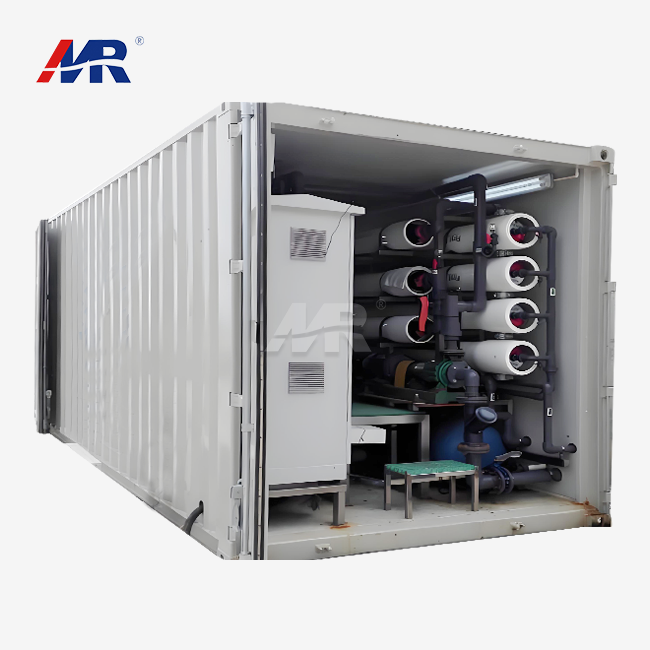 VIEW MOREcontainer seawater desalination equipment
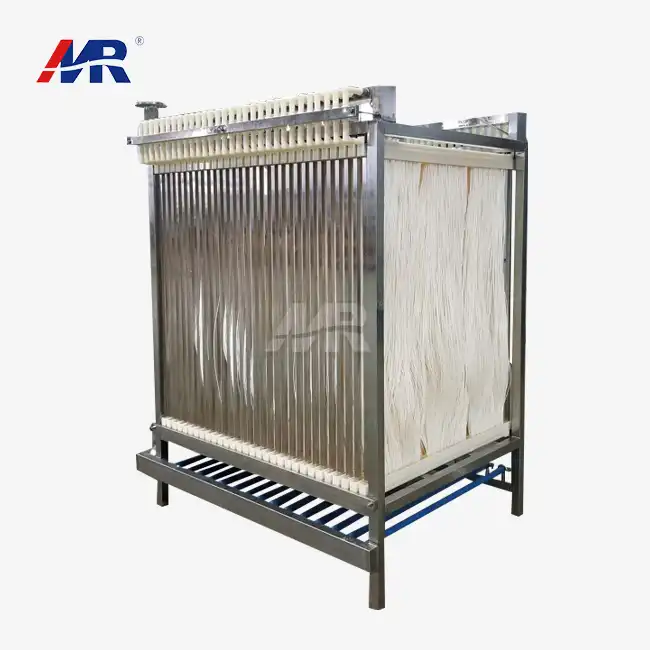 VIEW MOREMBR membrane
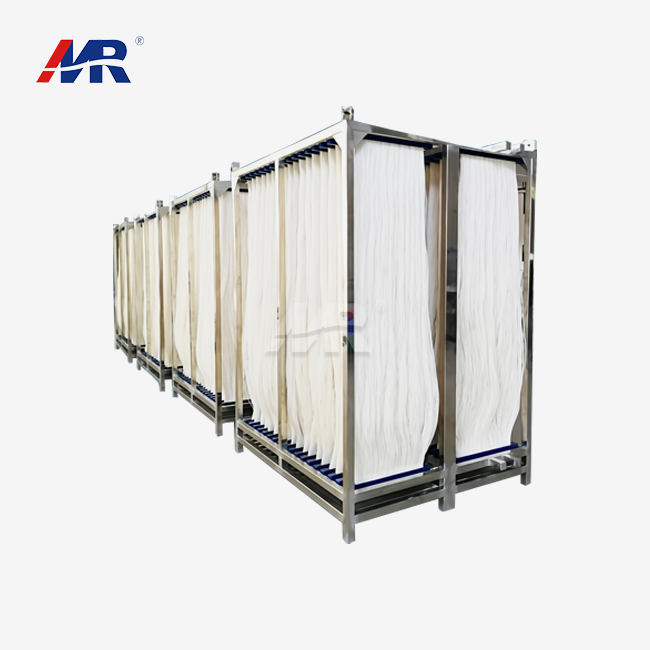 VIEW MOREbioreactor wastewater treatment
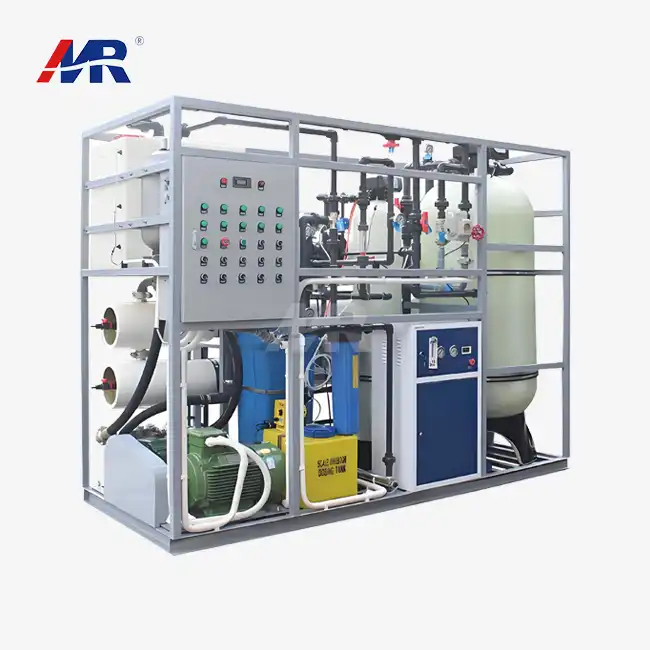 VIEW MORE2T/H seawater desalination plant
