

_1745823981883.webp)

How to size a 3 T/H reverse osmosis system for your facility?
Measuring a 3 T/H (tons per hour) reverse osmosis system for your office requires cautious thought of different variables to guarantee ideal execution and productivity. The handle includes analyzing your water request, assessing affecting variables, and arranging for future needs. A legitimately measured RO system can altogether improve water quality, diminish operational costs, and upgrade in general efficiency in businesses extending from manufacturing to food and beverage processing. To decide the right measure for your 3 T/H reverse osmosis plant, you'll need to evaluate your facility's particular necessities, water quality, and operational conditions. This comprehensive direct will walk you through the basic steps and considerations for measuring your RO system, making a difference you make an educated choice when contributing to discount 3T/H reverse osmosis equipment.
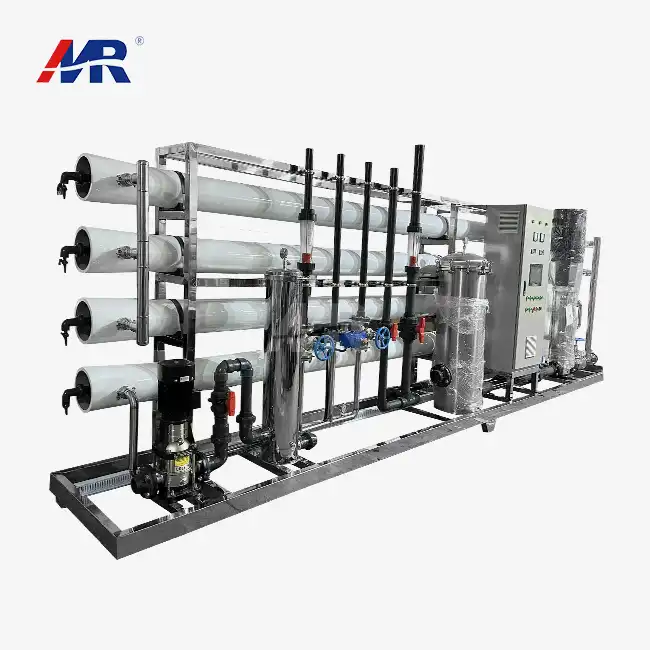
Calculating Water Demand and Flow Requirements
The to begin with step in measuring your reverse osmosis system is to precisely calculate your facility's water demand and stream requirements. This includes an exhaustive investigation of your current and anticipated water utilization patterns.
Assessing Daily Water Consumption
Begin by assessing your facility's everyday water utilization. Consider all water-intensive forms, including generation lines, cleaning operations, and auxiliary frameworks. Degree the water utilization for each application and total the amount by day.
Determining Peak Flow Rates
Identify top utilization periods and calculate the greatest stream rate required during these times. This data is pivotal for guaranteeing your RO system can handle sudden surges in demand without compromising water quality or generation efficiency.
Accounting for Seasonal Variations
Consider any regular variances in water requests that may influence your facility's operations. For illustration, a few businesses may encounter higher water utilization during summer months or particular generation cycles.
Factoring in Recovery Rate
The recuperation rate of your reverse osmosis system plays a critical part in deciding the required support water stream. An ordinary RO system may have a recuperation rate of 75%, meaning for each 100 gallons of nourish water, 75 gallons of decontaminated water is delivered. Calculate your nourish water requirements based on your desired saturate stream and the anticipated recuperation rate.
Factors Influencing Sizing Decisions and Customization
Several components can impact the measuring and customization of your reverse osmosis plant. Consider these components to guarantee your system meets your particular needs and works efficiently.
Feed Water Quality
The quality of your source water essentially impacts the planning and measuring of your RO system. Analyze your water source for variables such as:
- Total Dissolved Solids (TDS)
- Hardness
- pH levels
- Temperature
- Presence of specific contaminants
These parameters will impact the choice of layer sorts, pre-treatment prerequisites, and generally framework configuration.
Space Constraints
Evaluate the accessible space in your office for introducing the RO system. Consider not as it were the fundamental components but moreover pre-treatment hardware, capacity tanks, and support access zones. A compact plan may be fundamental for offices with constrained space.
Energy Efficiency
Energy utilization is a noteworthy figure in the operational costs of an RO system. See for energy-efficient plans that highlight such as:
- High-efficiency pumps
- Energy recovery devices
- Variable frequency drives (VFDs)
These components can help reduce power consumption and lower long-term operational expenses.
Automation and Control Systems
Consider the level of robotization required for your office. Progressed control frameworks in the wholesale 3T/H reverse osmosis equipment can optimize execution, screen water quality, and give real-time information for productive operation and maintenance.
Guidelines for Future-Proofing Your RO Investment
When measuring your reverse osmosis system, it's basic to arrange for future needs and potential changes in your facility's operations.
Scalability
Choose a framework plan that permits simple development or updates. Measured frameworks can give adaptability to increase capacity as your water demand develops over time.
Membrane Technology Advancements
Stay educated on developing film innovations that may offer advanced execution or proficiency. Select a framework that can suit future film updates without major modifications.
Regulatory Compliance
Anticipate potential changes in water quality controls or industry measures. Guarantee your RO system can meet current and anticipated future necessities to maintain a strategic distance from expensive overhauls or replacements.
Integration with Existing Infrastructure
Consider how the RO system will coordinate with your existing water treatment framework. Arrange for potential updates or alterations to other components of your water framework to guarantee consistent operation.
By carefully considering these components and rules, you can successfully estimate a 3 T/H reverse osmosis system in the reverse osmosis plant that meets your current needs while giving adaptability for future development and mechanical advancements.
FAQ
Q1: What is the typical lifespan of a 3 T/H reverse osmosis system?
A: The life expectancy of a 3 T/H reverse osmosis system can change depending on components such as water quality, upkeep hours, and working conditions. With legitimate care and standard support, a well-designed RO framework can final 10-15 a long time or more. Be that as it may, personal components like films and channels may require replacement more regularly, ordinarily every 3-5 years.
Q2: How often should I perform maintenance on my reverse osmosis plant?
A: Normal upkeep is pivotal for ideal execution and the life span of your RO system. Every day checks of working parameters, week after week cleaning of pre-filters, and month-to-month review of major components are prescribed. More comprehensive support, including film cleaning or substitution, ought to be performed every year or as demonstrated by framework execution metrics.
Q3: Can a 3 T/H reverse osmosis system be customized for specific industry requirements?
A: Yes, 3 T/H reverse osmosis systems can be customized to meet particular industry prerequisites. Producers can tailor the framework plan, layer determination, pre-treatment alternatives, and control frameworks to address special water quality needs, space limitations, and administrative compliance for different businesses such as pharmaceuticals, food and refreshment, or hardware manufacturing.
Expert Reverse Osmosis System Solutions for Your Facility | Morui
Are you prepared to optimize your facility's water treatment with a high-performance reverse osmosis system? Guangdong Morui Environmental Technology Co., Ltd is your trusted accomplice for inventive and proficient water filtration arrangements. Our group of experienced engineers specializes in planning and fabricating custom RO systems custom custom-fitted to your particular needs.
Don't let water quality issues hold back your operations. Contact us today at benson@guangdongmorui.com to discuss how our state-of-the-art reverse osmosis plants can elevate your water treatment capabilities. With Morui's expertise and commitment to excellence, you can ensure a reliable supply of high-quality purified water for your facility's critical processes.
References
1. Johnson, A. R., & Smith, B. T. (2021). Advanced Reverse Osmosis System Design for Industrial Applications. Journal of Water Treatment Technologies, 15(3), 245-260.
2. Chen, X., & Wang, Y. (2020). Optimization Strategies for Sizing Reverse Osmosis Plants in Manufacturing Facilities. Industrial Water Management Review, 8(2), 112-128.
3. Patel, S., & Kumar, R. (2022). Energy-Efficient Reverse Osmosis Systems: A Comprehensive Guide for Plant Engineers. Sustainable Water Solutions Magazine, 12(4), 78-95.
4. Thompson, E. L., & Rodriguez, M. (2019). Future-Proofing Industrial Water Treatment: Emerging Trends in Reverse Osmosis Technology. Water Industry Innovations Quarterly, 7(1), 33-49.
5. Lee, H. K., & Nguyen, T. (2023). Customizing Reverse Osmosis Plants for Diverse Industrial Applications: Case Studies and Best Practices. Journal of Applied Water Engineering, 18(2), 180-197.
6. Anderson, C. M., & Wilson, D. R. (2022). Maintenance Strategies for Maximizing Reverse Osmosis System Lifespan in Industrial Settings. Industrial Equipment Maintenance Journal, 9(3), 67-84.
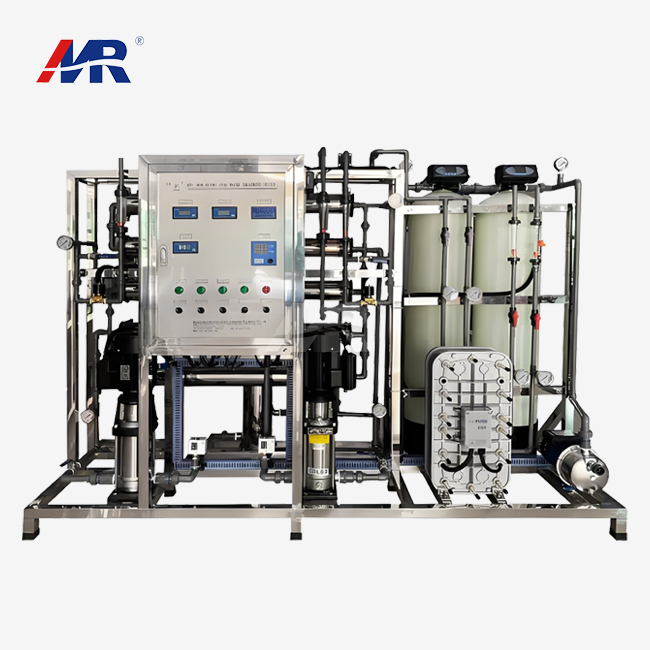 VIEW MORE500LPH EDI equipment
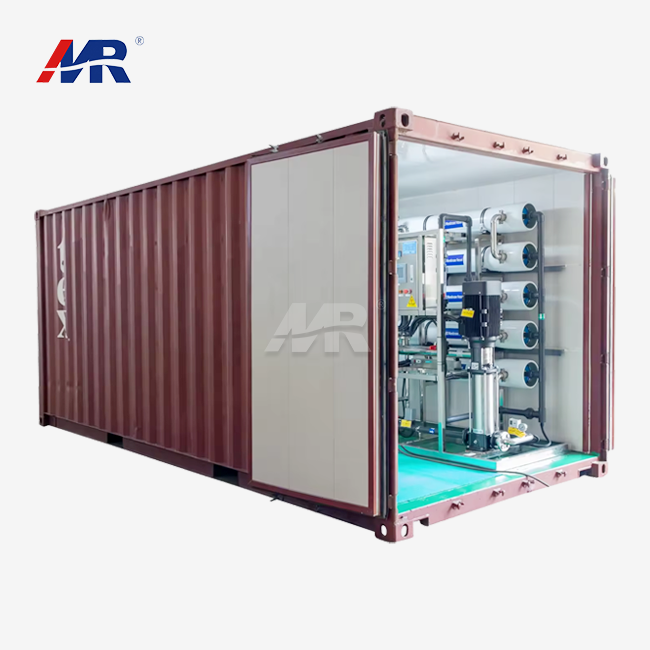 VIEW MOREmobile container reverse osmosis equipment
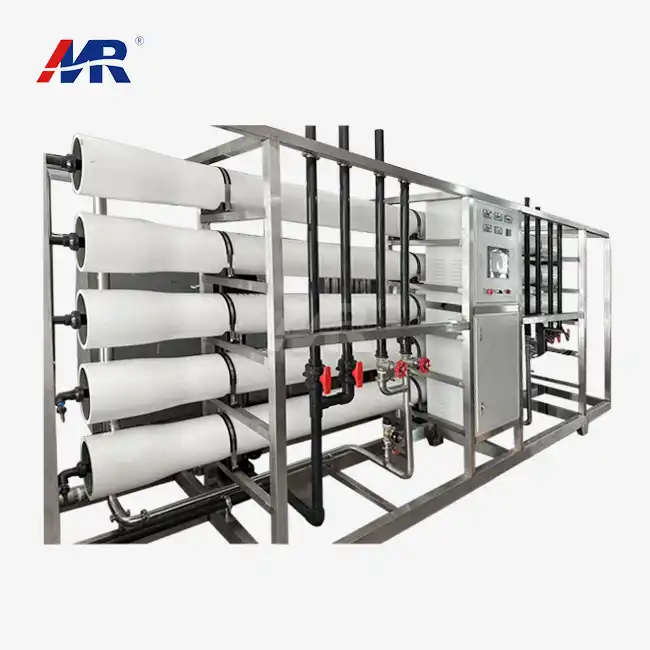 VIEW MORE25m3/hour reverse osmosis equipment
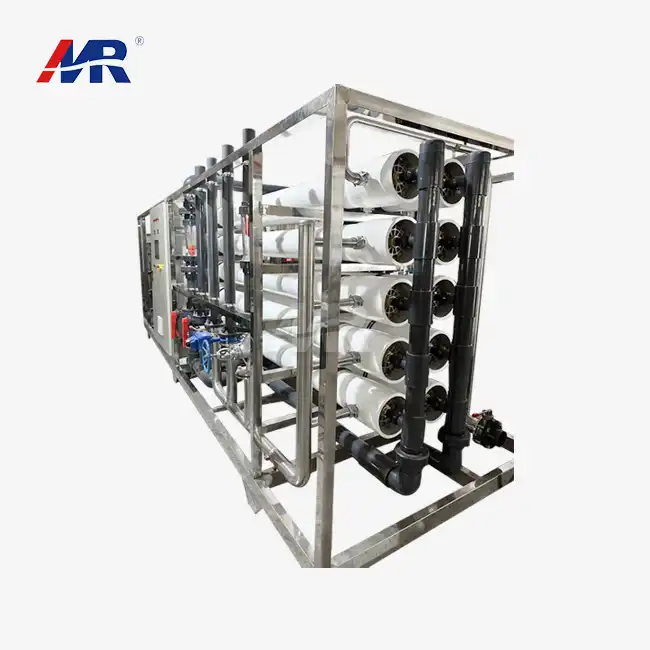 VIEW MORE50m3/hour reverse osmosis equipment
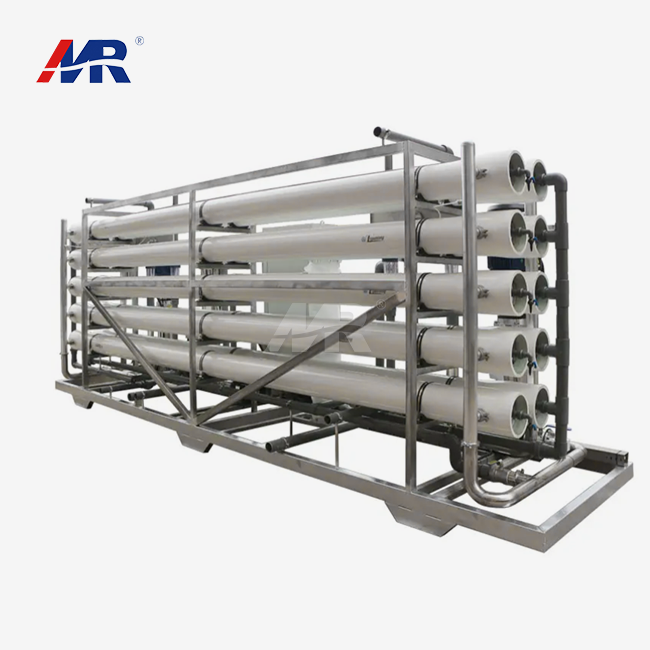 VIEW MOREbrackish water reverse osmosis systems
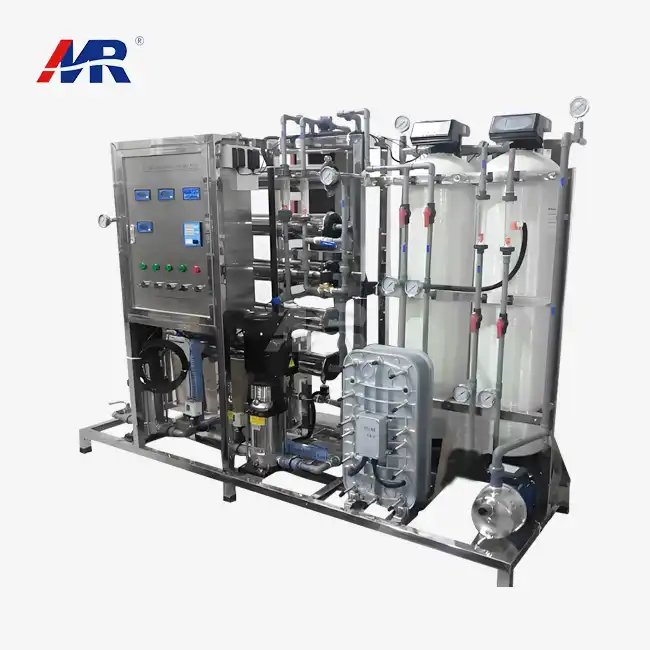 VIEW MORE1T/H EDI system
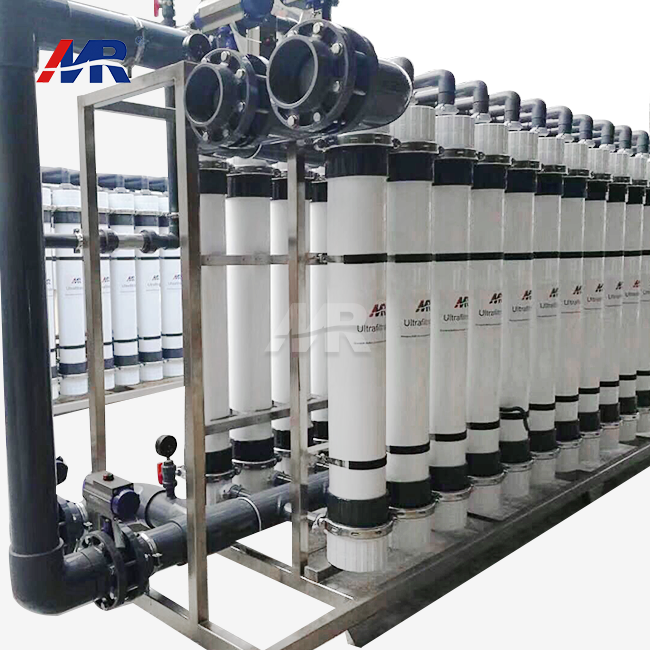 VIEW MOREultrafiltration water system
 VIEW MOREadvanced wastewater treatment system
