_1745823981883.webp)

How is the reject or concentrate stream managed in 3 T/H RO systems?
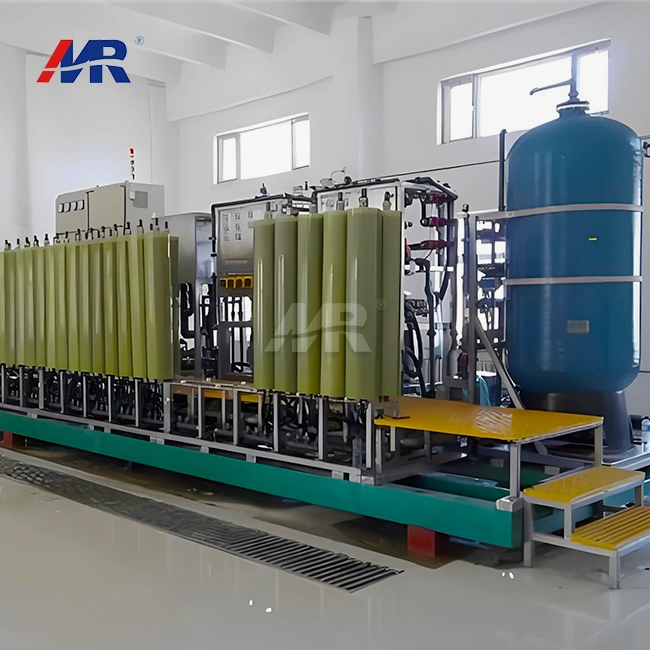
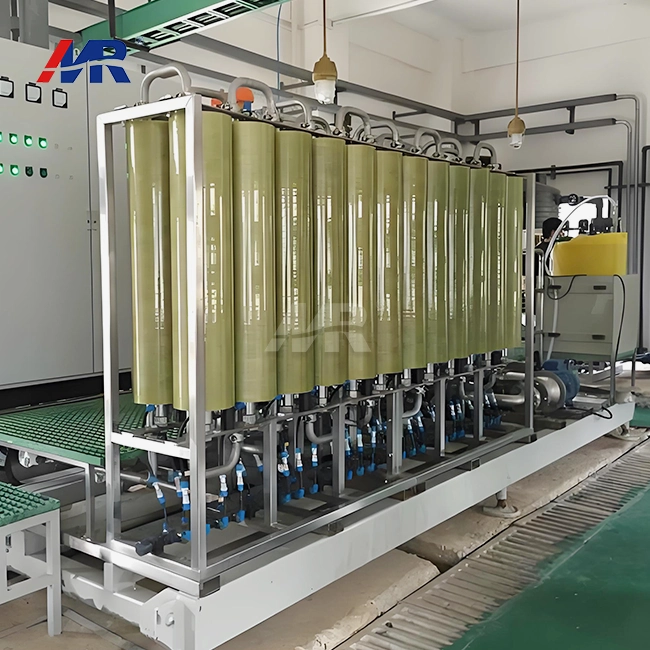
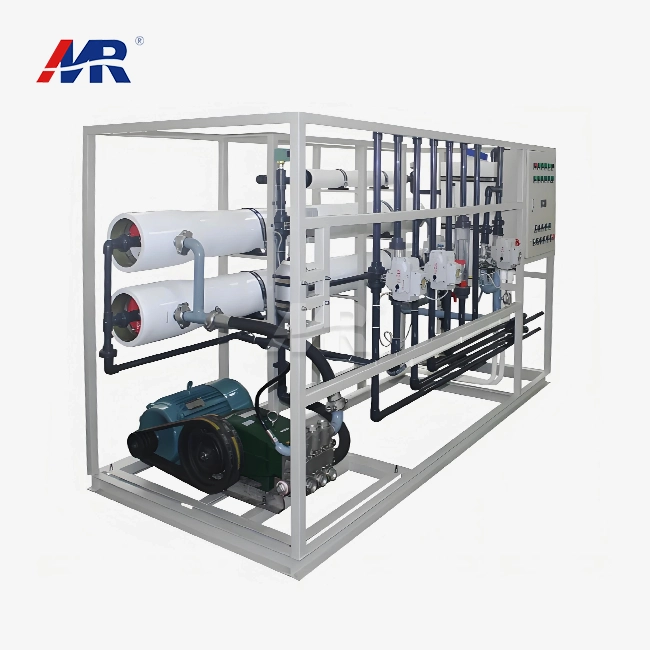
In a 3 T/H (tons per hour) reverse osmosis system, overseeing the dismiss or concentrate stream is pivotal for both natural sustainability and operational productivity. The dismiss stream, also known as brine or concentrate, is the parcel of water that contains concentrated, broken-down solids and pollutants evacuated during the filtration process. Regularly, in a 3 T/H RO system, the dismiss stream accounts for around 25-30% of the add up to bolster water volume, depending on the system's recovery rate. Legitimate administration of this concentrate is fundamental to minimize environmental impact, comply with directions, and possibly recover valuable resources. In a 3 T/H RO system, effective concentrate management includes a number of steps, such as lowering, treatment, and transfer methods that are tailored to the application and local guidelines. Some common methods include mixing the concentrate with other wastewater streams, cleaning it in other ways, such as by dissolving or crystallization, or disposing of it in a legal way, such as by injecting it deep underground or letting it flow into open waters after taking the necessary steps. Sometimes, the concentrate is focused on getting back valuable minerals or used in ways that benefit from its high saltiness, like cleaning control or some mechanical processes.
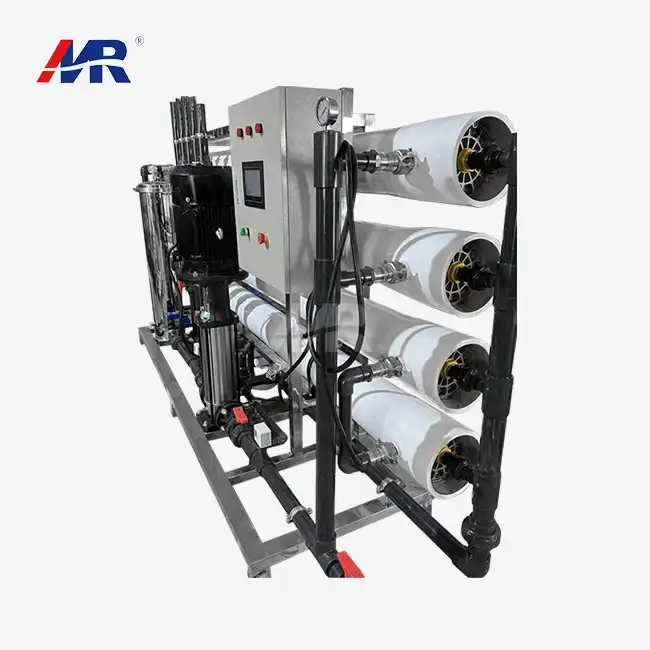
Basics of the concentrate stream and its environmental impact
The concentrate stream from a reverse osmosis plant has high amounts of minerals, broken-up solids, and potentially dangerous contaminants that the RO membranes did not accept. Understanding the parts and features of this stream is important for coming up with good management plans.
Composition of the concentrate stream
The concentrate typically contains:
- High concentrations of broken-down salts (2-5 times higher than the bolster water)
- Elevated levels of minerals like calcium, magnesium, and silica
- Potentially hurtful contaminants, such as overwhelming metals or natural compounds
- Chemical-added substances utilized in the RO prepare (e.g., antiscalants, cleaning agents)
Environmental concerns
Improper management of the concentrate stream can lead to several environmental issues:
- Soil salinization, if discharged onto land
- Disruption of aquatic ecosystems if released into surface waters
- Groundwater contamination, if not properly contained
- Increased salt load in wastewater treatment plants
To relieve these impacts in the reverse osmosis plant, it's fundamental to actualize fitting concentration administration procedures that align with neighborhood environmental directions and best practices.
Techniques for safe disposal and resource recovery
Managing the concentrate stream from a 3 T/H RO system requires cautious thought of transfer strategies and potential asset recovery opportunities. Here are a few compelling techniques:
Dilution and discharge
In a few Cases, the concentrate can be securely weakened with other wastewater streams that some time sometimes released, given it meets neighborhood administrative necessities. This strategy is frequently utilized when the concentrate volume is moderately small compared to the available weakening water.
Evaporation ponds
For ranges with tall vanishing rates and accessible arrival, vanishing lakes can be a successful way to manage concentration. The water dissipates, clearing out behind strong buildups that can be intermittently evacuated and arranged of properly arranged.
Deep well injection
In a few topographical arrangements, it may be conceivable to infuse the concentrate into deep underground wells. This strategy requires cautious location choice and continuous observation to anticipate groundwater contamination.
Zero Liquid Discharge (ZLD) systems
ZLD systems point to dispel fluid squander by treating the concentrate through a series of vanishing and crystallization forms. Whereas energy-intensive, this approach can recoup important minerals and deliver strong squander that's less demanding to manage.
Beneficial reuse
Depending on its composition, the concentrate stream may be suitable for beneficial reuse in applications such as:
- Dust control on unpaved roads
- Cooling water in power plants
- Mixing water for concrete production
- Irrigation of salt-tolerant crops
Resource recovery
Advanced treatment technologies can be employed to recover valuable resources from the concentrate stream, including:
- Mineral extraction (e.g., magnesium, calcium, and uncommon soil elements)
- Salt generation for mechanical use
- Recovery of metals like copper or gold in mining applications
By executing these strategies, administrators of 3 T/H RO systems in the reverse osmosis system can minimize natural effects while possibly creating extra revenue streams.
Regulatory considerations and best practices
Proper administration of the concentrate stream from a reverse osmosis system must follow different administrative necessities and industry best practices. Understanding and complying with these rules is basic for economic operation and natural protection.
Regulatory framework
Concentrate disposal is subject to regulations at the federal, state, and local levels. Key considerations include:
- Clean Water Act (CWA) requirements for surface water discharges
- Safe Drinking Water Act (SDWA) directions for underground injection
- Resource Conservation and Recovery Act (RCRA) for strong squander management
- State-specific water quality benchmarks and release permits
- Local statutes overseeing mechanical wastewater disposal
Best practices for concentrate management
To ensure compliance and minimize environmental impact, consider the following best practices:
- Conduct an intensive characterization of the concentrate stream
- Implement source control measures to diminish contaminant levels in the nourish water
- Optimize RO framework operation to maximize recuperation and minimize concentrate volume
- Explore openings for concentrate reuse or asset recovery
- Develop a comprehensive concentration administration plan
- Regularly screen and report on concentrate quality and transfer methods
- Stay educated on advancing directions and treatment technologies
Monitoring and reporting
Implementing a strong observing and detailing framework is pivotal for administrative compliance and persistent advancement. This ought to include:
- Regular testing of the concentrate composition
- Tracking of transfer volumes and methods
- Maintenance of point-by-point records for administrative inspections
- Periodic survey and optimization of concentrate administration strategies
By following these administrative contemplations and best practices, administrators can guarantee capable administration of the concentrate stream from their wholesale 4T/H reverse osmosis equipment, minimizing environmental impact and potential liability.
FAQ
Q1: What is the typical recovery rate for a 3 T/H reverse osmosis system?
A: The normal recuperation rate for a 3 T/H reverse osmosis system ranges from 70% to 85%, depending on the source water quality and framework plan. This implies that for each 3 tons of nourish water, roughly 2.1 to 2.55 tons of decontaminated water is created, with the remaining 0.45 to 0.9 tons getting to be concentrate.
Q2: Can the concentrate from an RO system be used for irrigation?
A: In a few cases, the concentrate from an RO system can be utilized for a water system, especially for salt-tolerant crops. In any case, this depends on the concentrate's composition, local directions, and soil conditions. It's fundamental to conduct careful examination and get essential grants some time recently utilizing RO concentrate for water system purposes.
Q3: How often should the concentrate management system be monitored in a 3 T/H RO plant?
A: The concentrate administration framework in a 3 T/H RO plant ought to be checked frequently, regularly every day or week after week, depending on administrative necessities and operational needs. This incorporates checking concentrate quality, transfer volumes, and hardware execution. Furthermore, more comprehensive appraisals ought to be conducted month to monthly or quarterly to guarantee continuous compliance and efficiency.
Expert Solutions for Reverse Osmosis Concentrate Management | Morui
Are you looking for productive and naturally inviting arrangements for overseeing the concentrate stream from your reverse osmosis system? Guangdong Morui Environmental Technology Co., Ltd specializes in imaginative water treatment advances, including progressed concentrate management systems for RO systems of all sizes.
Our group of experienced engineers can offer assistance to help you plan and actualize a custom-fitted concentrate administration procedure that meets your particular needs and administrative requirements. Whether you're interested in asset recuperation, zero fluid release frameworks, or optimizing your existing forms, we have the ability to direct you towards the most cost-effective and economical solution.
Don't let concentrate management challenges hold back your operations. Contact us today at benson@guangdongmorui.com to discuss how we can help you maximize the efficiency of your 3 T/H RO system while minimizing environmental impact. Let Guangdong Morui be your partner in achieving water treatment excellence and sustainability.
References
1. Smith, J. et al. (2022). "Advanced Techniques for RO Concentrate Management in Industrial Applications." Journal of Water Process Engineering, 45, 102-115.
2. Environmental Protection Agency. (2021). "Guidelines for Water Reuse." EPA/600/R-12/618.
3. Johnson, M. and Brown, L. (2023). "Zero Liquid Discharge Systems: A Comprehensive Review." Desalination, 530, 115-127.
4. World Health Organization. (2022). "Management of Reverse Osmosis Concentrate: Best Practices for Environmental Protection."
5. International Water Association. (2023). "Resource Recovery from RO Concentrate: Opportunities and Challenges."
6. Lee, K. and Park, S. (2021). "Regulatory Framework for Industrial Wastewater Management: A Global Perspective." Water Research, 195, 116985.