

_1745823981883.webp)

What maintenance practices extend life of a 3 T/H RO machine?
Legitimate support is vital for expanding the life expectancy and optimizing the execution of a 3-ton per hour (T/H) reverse osmosis system. In addition to ensuring consistent water quality, routine maintenance also lowers operating expenses and downtime. A thorough maintenance program that includes regular inspections, cleaning practices, and careful documentation is necessary to extend the life of your RO gear. Contaminants, broken-down particles, and pollutants may be effectively removed from water by a well-maintained 3 T/H RO machine, which also conveys high-quality yield for various mechanical applications. You can prevent film fouling, maximize chemical use, and ensure your system operates at its optimum for many years to come by following the finest maintenance procedures.
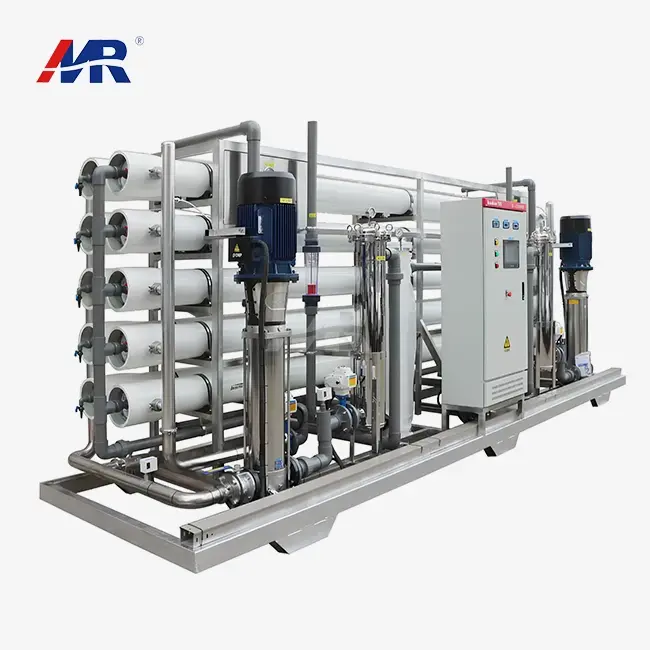
Routine checks to prevent membrane fouling
Regular assessments are the foundation of compelling RO system support. By actualizing a proactive approach, you can recognize and address potential issues some time recently they heighten into major issues. Here are a few key zones to center on amid schedule checks:
Monitor feed water quality
Consistently analyze the bolster water parameters, including pH, temperature, and total dissolved solids (TDS). Variances in these components can affect film execution and lead to fouling. Alter pre-treatment forms as vital to keep up ideal nourish water conditions.
Inspect pre-treatment components
Regularly look at and clean pre-treatment hardware such as dregs channels, carbon channels, and conditioners. Appropriate pre-treatment is fundamental for securing RO membranes from contaminants that can cause fouling or scaling.
Check system pressure and flow rates
Monitor weight differentials over layers and stream rates of nourish, penetrate, and concentrate streams. Abnormal changes in these parameters can demonstrate layer fouling or other framework issues that require attention.
Evaluate membrane performance
Regularly test the dismissal rates and particular flux of ro membranes in the reverse osmosis plant. Declining execution may flag the require for cleaning or substitution. Keep nitty-gritty records of film execution to track changes over time.
Cleaning protocols and chemical usage guidelines
Implementing viable cleaning strategies is pivotal for keeping up the proficiency and life span of your reverse osmosis plant. Appropriate chemical utilization and adherence to producer rules can essentially expand film life and framework performance.
Develop a customized cleaning schedule
Establish a cleaning regimen based on your particular water quality and framework necessities. This may include schedule preventive cleanings as well as responsive cleanings when execution decreases. Counsel with layer producers or water treatment specialists to decide the ideal cleaning recurrence for your application.
Choose appropriate cleaning chemicals
Select cleaning operators that are compatible with your RO membranes and successful against the sorts of fouling or scaling shown in your framework. Common cleaning arrangements include:
- Alkaline cleaners for natural fouling
- Acid cleaners for inorganic scaling
- Specialized cleaners for biofouling or particular contaminants
Always follow after producer's suggestions for chemical determination and concentration to avoid harming the membranes.
Implement proper cleaning procedures
Follow a systematic approach to membrane cleaning:
- Flush the framework with clean water to expel free debris
Circulate the cleaning arrangement at the prescribed temperature and stream rate
Allow for satisfactory splashing time as indicated by the chemical manufacturer
Rinse completely with clean water to evacuate all follows of cleaning agents
Perform a last flush and check framework execution sometimes, then return to ordinary operation
Monitor and adjust chemical dosing
Regularly calibrate chemical dosing hardware in the reverse osmosis system and alter measurements based on water quality changes and framework execution. Overdosing can lead to layer harm, whereas underdosing may result in insufficient treatment.
Scheduling and record-keeping for optimal upkeep
Effective support of a 3 T/H RO system requires fastidious planning and comprehensive record-keeping. These hones guarantee opportune intercessions and gives profitable experiences for optimizing framework performance.
Create a detailed maintenance calendar
Develop a comprehensive schedule that includes:
- Daily, week after week, and month-to-month review tasks
- Preventive upkeep exercises (e.g., channel substitutions, sensor calibrations)
- Scheduled cleaning cycles
- Annual framework reviews and execution evaluations
Use advanced instruments or a program to mechanize updates and track completion of upkeep tasks.
Maintain thorough maintenance logs
Keep detailed records of all maintenance activities, including:
- Inspection comes about, and observations
- Water quality parameters and framework execution data
- Cleaning methods performed and their outcomes
- Component substitutions and repairs
- Chemical utilization and adjustments
These records provide valuable historical data for troubleshooting and optimizing system performance over time.
Analyze trends and optimize maintenance strategies
Regularly audit upkeep logs and execution information to recognize patterns or repeating issues. Utilize this data to refine your upkeep approach, such as:
- Adjusting cleaning frequencies or chemical concentrations
- Implementing extra pre-treatment steps
- Upgrading components to make the Strides framework efficient
Train and empower maintenance personnel
Invest in continuous preparation for your upkeep group in the wholesale 5T/H reverse osmosis equipment to guarantee they remain up-to-date with best practices and developing advances. Empower a culture of proactive upkeep and nonstop improvement.
By actualizing these comprehensive support hours, you can essentially expand the life of your 3 T/H RO machine, minimize downtime, and guarantee reliable, high-quality water generation. Standard assessments, legitimate cleaning conventions, and constant record-keeping are key to maximizing the execution and lifespan of your reverse osmosis system.
Conclusion
A 3 T/H RO machine needs to be maintained in a number of ways, such as through regular checks, strict cleaning rules, and careful planning. By following these best practices, you can make your reverse osmosis system last longer, make sure the water quality is always good, and make it run more efficiently.
Remember that each RO system is special, and upkeep necessities may change based on your particular application and water quality. It's significant to work closely with film producers, water treatment specialists, and your support group to create a custom-made support technique that addresses your specific needs.
Investing in appropriate upkeep not as it were drags out the life of your RO gear but too leads to significant fetched investment funds in the long run. By avoiding layer fouling, optimizing chemical utilization, and tending to issues proactively, you can minimize downtime, decrease substitution costs, and guarantee your framework works at top execution for a long time to come.
Don't let maintenance challenges hinder your water treatment operations. Take action today to implement these proven practices and safeguard the longevity of your 3 T/H RO machine.
FAQ
Q1: How often should I clean my 3 T/H RO membranes?
A: The recurrence of layer cleaning depends on different components, including nourish water quality and framework execution. For the most part, preventive cleanings may be performed each 3-6 months, whereas responsive cleanings ought to be done when execution decays by 10-15% from the pattern. Counsel with film producers or water treatment specialists for proposals particular to your system.
Q2: What are the signs that my RO membranes need cleaning?
A: Some important signs are less permeate flow, more pressure drop across membranes, less salt rejection, and more energy use. Keeping an eye on these factors on a regular basis will help you figure out when cleaning is needed.
Q3: Can I use any cleaning chemicals for my RO system?
A: No, it's crucial to use cleaning chemicals that are compatible with your specific RO membranes and effective against the type of fouling present. Always follow manufacturer recommendations for chemical selection and concentration to avoid membrane damage.
High-Quality Reverse Osmosis Systems for Industrial Applications | Morui
Are you looking for solid and productive turn-around osmosis arrangements in the reverse osmosis system for your mechanical water treatment needs? See no encouragement than Guangdong Morui Environmental Technology Co., Ltd. We specialize in giving top-quality RO systems, including our progressed 3 T/H reverse osmosis equipment, designed to meet the assorted requirements of businesses such as fabricating, nourishment and refreshment, pharmaceuticals, and more.
Our master group is prepared to help you in selecting the idealize RO arrangement for your particular application. With our comprehensive extend of items, including discount 5T/H reverse osmosis equipment, we can tailor a framework to meet your special water decontamination needs. From the introductory interview to establishment, commissioning, and progressing back, we're committed to guaranteeing your total satisfaction.
Don't compromise on water quality or system reliability. Choose Guangdong Morui Environmental Technology Co., Ltd for your reverse osmosis equipment needs. Contact us today at benson@guangdongmorui.com to discuss how we can help optimize your water treatment processes and boost your operational efficiency.
References
1. Johnson, A. R., & Smith, B. T. (2021). Optimizing Reverse Osmosis System Performance through Effective Maintenance Strategies. Journal of Water Treatment Technology, 15(3), 287-302.
2. Lee, C. H., & Park, S. Y. (2020). Membrane Fouling Prevention in Industrial RO Systems: A Comprehensive Review. Desalination and Water Treatment, 178, 1-18.
3. García-Valls, R., & Fernández-Blanco, C. (2019). Chemical Cleaning Protocols for Reverse Osmosis Membranes: Balancing Efficiency and Membrane Longevity. Separation and Purification Technology, 218, 105-114.
4. Thompson, J., & Wilson, K. L. (2022). Predictive Maintenance Approaches for Industrial Reverse Osmosis Plants. Water Research and Technology, 8(2), 412-427.
5. Zhang, M., & Li, Q. (2018). Advanced Monitoring Techniques for RO System Performance Optimization. Membrane Science and Technology, 43(1), 78-92.
6. Brown, E. T., & Davis, R. M. (2020). Best Practices in Record-Keeping and Data Analysis for RO Plant Maintenance. Industrial Water Treatment Journal, 12(4), 231-245.
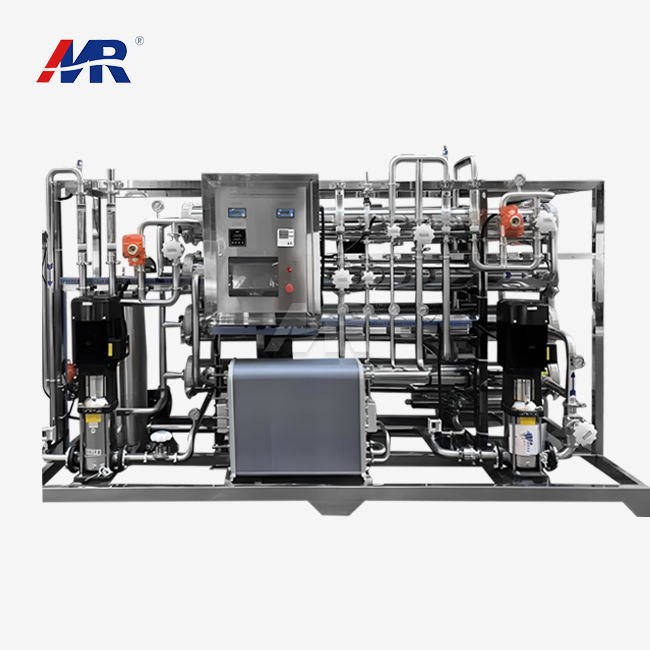 VIEW MOREelectro deionizer system
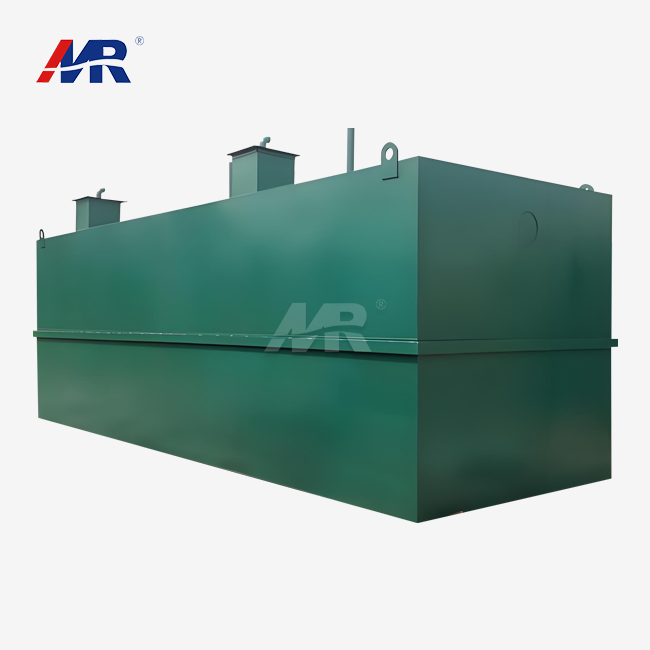 VIEW MOREwaste water treatment system
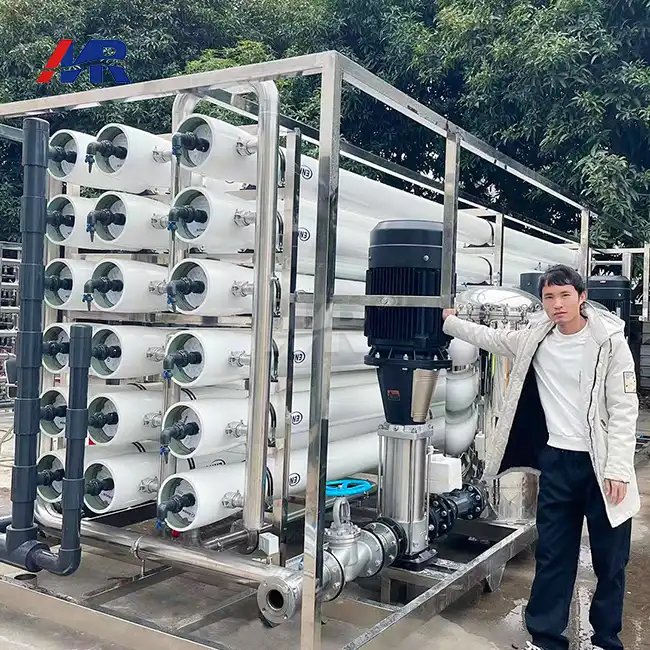 VIEW MORE100m3/hour reverse osmosis system
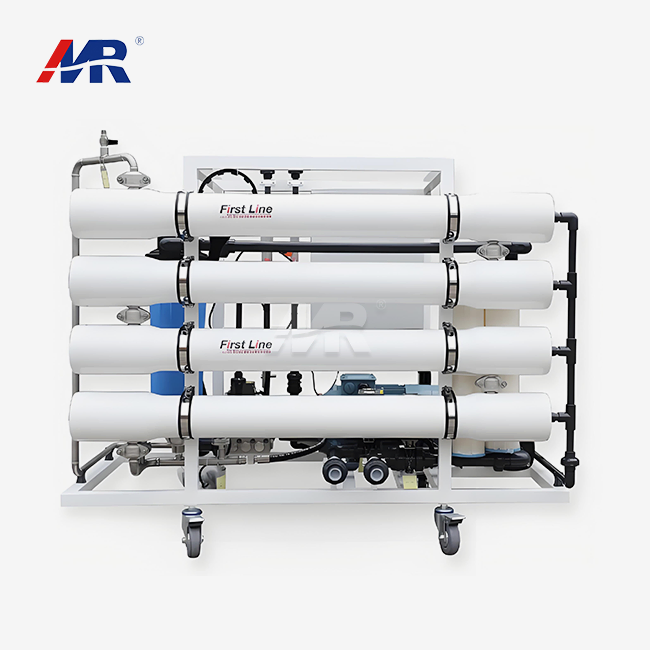 VIEW MOREseawater desalination equipment
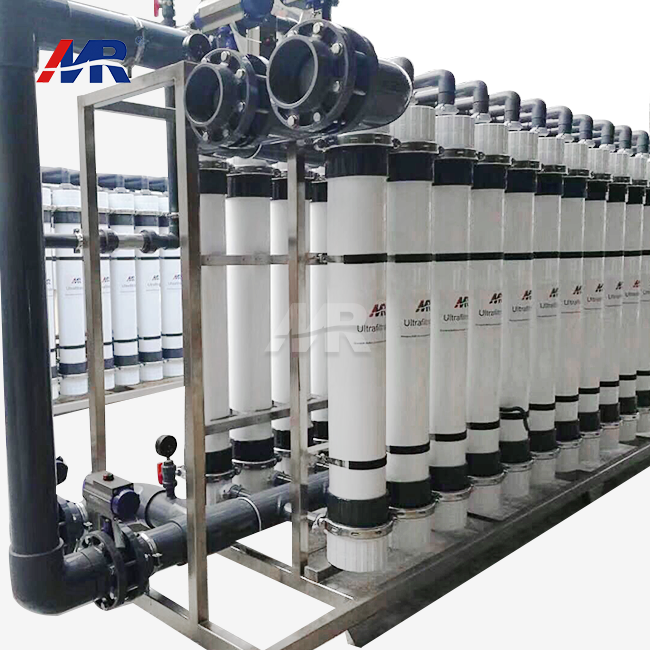 VIEW MOREultrafiltration water system
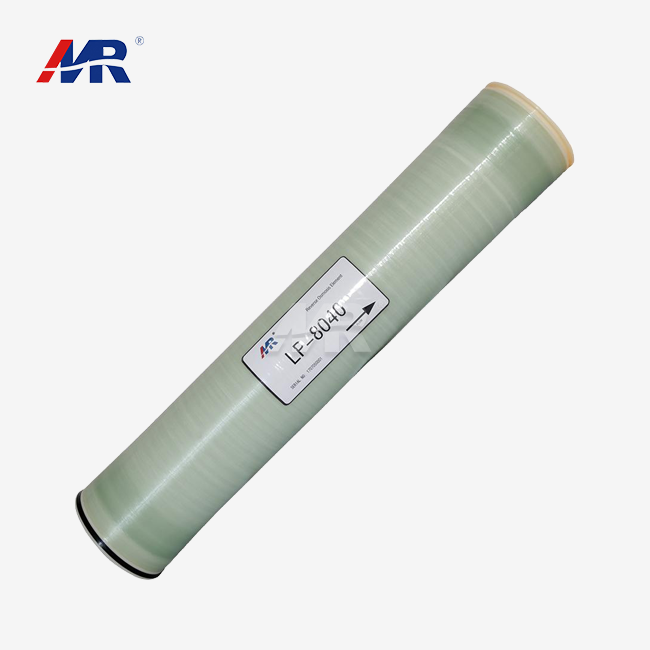 VIEW MOREreverse osmosis membrane
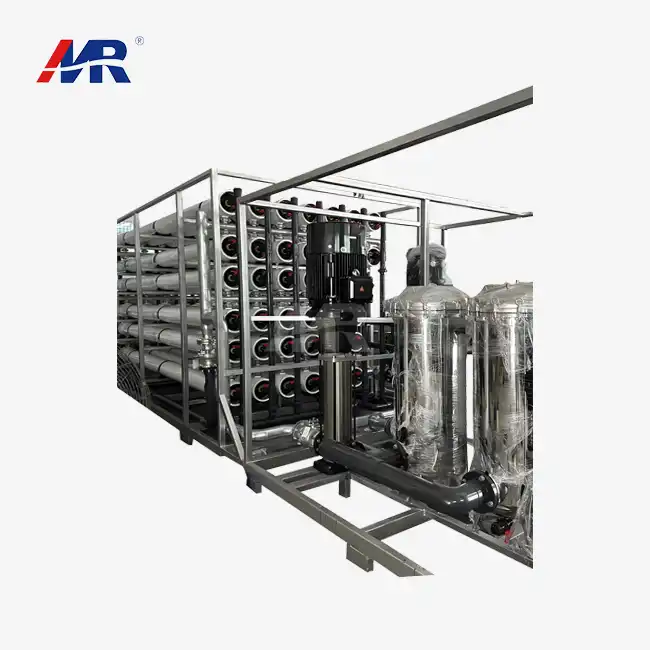 VIEW MORE150m3/hour reverse osmosis plant
 VIEW MOREwastewater treatment plant units
