

_1745823981883.webp)

How Does RO Water Remineralization Technology Work to Improve Water Quality?
RO water remineralisation technology, the remineralisation cartridge works by filtering clean reverse osmosis water through special media that contains minerals like calcium and magnesium that the body needs. The main part is a remineralisation cartridge that slowly adds good minerals back into the water that has been stripped of them, while also changing the pH level from acidic to neutral or slightly alkaline. This process brings back the water's natural mineral balance, makes it taste better, and makes it better for drinking and for use in manufacturing, food processing, and medicinal industries.
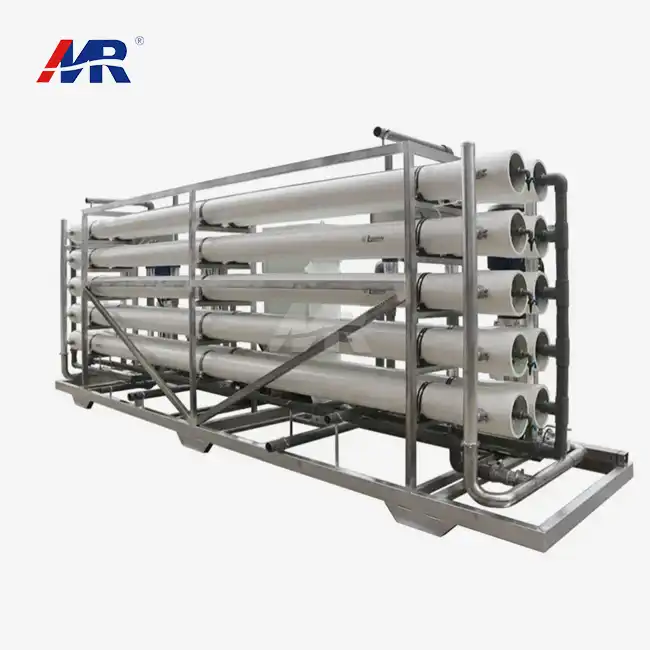
Understanding RO Water Remineralisation Technology
Reverse osmosis systems excel at removing contaminants, but they also eliminate beneficial minerals, leaving water that tastes flat and carries a slightly acidic pH. Remineralisation technology addresses this limitation through sophisticated mineral restoration processes.
The Science Behind Mineral Restoration
The remineralisation process breaks down minerals in a controlled way. Calcium carbonate, magnesium oxide, and other minerals in the cartridge slowly break down when RO-treated water runs through them. This puts back into the water the right amount of minerals that are important. It keeps the right amount of minerals in the water so that it doesn't get too mineralised and still has the quality profile that is needed. When remineralisation is done today, more than one mineral stage is used to balance the water's chemistry. Magnesium makes things taste better and helps our bodies work. Calcium makes water harder and gives us nutrients we need. Potassium and other small minerals finish the process of healing the water, making it more like water that comes from natural sources that are mineralised.
pH Correction Mechanisms
RO water has a pH level of around 5.0 to 6.5, which means it is slightly acidic. Its alkalising minerals bring the pH level up to 7.0 to 8.5, which is the right range for the body's acidity. The pH level has been changed to prevent corrosion in the water distribution systems. The water also tastes better and can be used safely in the technology and pharmaceutical businesses. A careful balance of chemicals is part of the process of lowering the pH. Calcium carbonate is a natural cushion that slowly gives off carbonate ions that balance out the hydrogen ions that are acidic. The pH level stays steady because of this well-thought-out reaction. There are no sudden changes that could harm tools or processes further down the line.
Benefits and Health Impacts of Using Remineralisation Cartridges
Implementing remineralisation technology delivers measurable advantages across health, operational, and economic dimensions. These benefits extend beyond simple mineral addition to encompass comprehensive water quality improvement.
Health and Nutritional Benefits
Remineralised RO water contains minerals that are good for your health and help your body work. Calcium helps bones stay healthy, and muscles work properly, and magnesium is good for the heart and enzymes. These minerals make water more bioavailable, which means it hydrates better than water that has been stripped of minerals. According to research, drinking mineralised water helps keep your electrolytes in balance and may lower your risk of mineral deficiencies that come with drinking demineralised water for a long time. This is especially relevant to ro water mineralisation, important for food and drink companies that are worried about the health benefits and nutritional value of their Products.
Operational and Equipment Benefits
In addition to protecting health, remineralisation technology also protects equipment and makes operations run more smoothly. The pH correction stops pipes from rusting, makes equipment last longer, and lowers the need for upkeep. Manufacturers say that heat exchangers are scaling less and working better in steam generation uses. Cartridge methods for remineralisation also make water more stable while it is being stored and sent out. Mineralised water is better at stopping bacterial growth than demineralised water, so there is less chance of contamination in storage tanks and transportation networks. For uses that need consistent water quality, like making medicines and processing food, this stability is very important.
Taste and Sensory Improvements
Mineral regeneration makes water taste and feel much better. Calcium and magnesium add to the natural flavour of water, which gets rid of the flat, chemical taste that comes with RO water. This change makes customers happier with drinking water and raises the quality of the products used to make drinks. Sensory changes can also be used in cooking and making food. When restaurants and other food service businesses use remineralised water instead of straight RO water, they say it makes coffee extraction better, bread quality better, and flavour development better.
Comparing Remineralisation Cartridges with Alternative Technologies
Understanding the distinctions between remineralisation systems and alternative water treatment technologies helps procurement professionals make informed decisions based on specific application requirements.
Remineralisation vs Alkaline Filters
Both methods change the pH of water, but they do so in different ways and with different results. Alkaline filters raise the pH by making hydroxide ions, and they can usually do this by getting the pH above 9.0. The remineralisation cartridge method focuses on restoring minerals in a balanced way while only slightly changing the pH level, usually keeping it between 7.5 and 8.5. Alkaline filters can make water with a high pH but few minerals. Remineralisation systems, on the other hand, balance the minerals in the water while keeping the pH level right. In industries that need specific water chemistry patterns, like making medicines or high-precision electronics, this difference is very important.
Integration with Existing RO Systems
Remineralisation cartridges offer superior compatibility with existing reverse osmosis infrastructure compared to alternative technologies. Most systems integrate seamlessly as post-treatment stages, requiring minimal modifications to existing installations. This compatibility reduces implementation costs and minimises operational disruption during system upgrades. Alternative technologies like electrolytic mineralisation or inline mineral injectors often require significant infrastructure modifications, electrical connections, and specialised maintenance protocols. Cartridge-based systems provide plug-and-play functionality that appeals to facilities seeking straightforward implementation.
Cost-Effectiveness Analysis
Long-term cost analysis reveals significant advantages for cartridge-based remineralisation systems. While initial cartridge costs may appear higher than some alternatives, the comprehensive mineral restoration and pH correction eliminate the need for multiple treatment stages. This consolidation reduces overall system complexity and operational costs. Maintenance requirements remain minimal, with cartridge replacement intervals typically extending 6-12 months depending on water throughput and quality requirements. This predictable maintenance schedule facilitates budget planning and reduces unexpected service interruptions.
Practical Considerations for Procurement and Replacement
Strategic procurement planning ensures optimal performance of RO water mineralisation and cost-effectiveness from remineralisation systems. Understanding key selection criteria and maintenance requirements guides successful implementation across diverse industrial applications.
Supplier Selection and Quality Assurance
Choosing reliable suppliers involves evaluating multiple factors beyond initial pricing. Quality Certifications, manufacturing standards, and Technical support capabilities significantly impact long-term satisfaction and system performance. Leading suppliers provide comprehensive documentation, including NSF certifications, FDA compliance, and detailed performance specifications. Supply chain reliability becomes crucial for operations requiring consistent water quality. Suppliers with robust inventory management, flexible delivery schedules, and responsive customer service minimise operational risks associated with cartridge availability. This reliability proves especially important for pharmaceutical and food processing applications where water quality interruptions could compromise product quality or regulatory compliance.
Cartridge Lifespan and Performance Monitoring
Remineralisation cartridge performance degrades gradually over time as mineral media depletes. Monitoring systems track flow rates, pH levels, and mineral concentrations to determine optimal replacement intervals. Most industrial applications achieve 6-12 months of service life, though this varies based on water throughput and quality requirements. Implementing performance monitoring protocols helps optimise replacement schedules and prevent quality deterioration. Automated monitoring systems can alert operators when performance parameters approach predetermined limits, enabling proactive maintenance scheduling and consistent water quality.
Bulk Procurement Strategies
Facilities that use a lot of water can often save a lot of money by buying in bulk. By making annual agreements with chosen suppliers, you can get better prices and make sure that your products are always available. Usually, these deals include technical help, training programs, and faster response times from service providers. Instead of just looking at unit prices, procurement pros should look at the total cost of ownership. This study looks at how much cartridges cost, how much it costs to replace them, how much it costs to get rid of them, and how changes in quality or service interruptions might affect output.
Case Studies and Real-World Applications
Industrial implementations demonstrate the practical benefits and return on investment achievable through remineralisation technology across diverse applications and operating environments.
Pharmaceutical Manufacturing Success
A large pharmaceutical company put in remineralisation systems to make the water quality better for making tablets and cleaning equipment. A complicated multi-stage treatment system was replaced with a simpler cartridge-based system. This made the process easier and the water more consistent. The results included a 30% drop in the cost of maintaining the tools, better rates of tablet dissolution, and better cleaning. In comparison to the old system, the facility met all regulatory requirements and cut total treatment costs by 15%. The stability of the water quality got a lot better, and the pH changes went from ±0.8 to ±0.2 units.
Food and Beverage Industry Implementation
A local company that makes drinks improved the taste of their products and kept their equipment from rusting by adding remineralisation filter technology to their water treatment system. The adoption fixed complaints from customers about water that didn't taste good and made equipment last longer in their bottling operations. After the changes were made, a study showed that consumers' taste scores got 25% better, pipes needed to be replaced 40% less often, and 20% less cleaning chemicals were used. The facility also met more regulations and needed less monitoring because the water quality factors stayed the same.
Municipal Water Treatment Enhancement
A coastal city added remineralisation technology to their saltwater desalination remineralisation cartridge plant to make the water supply better for everyone. Customers at homes and businesses were complaining about the taste of demineralised water, and there were also health issues. The system fixed these problems. Most people liked the installation, which led to higher taste scores and less corrosion in the delivery network's infrastructure. Maintenance costs went down by 35% because pipes didn't rust as much, and customer happiness went up a lot. Other coastal towns that are thinking about desalination projects can now use this method as an example.
Conclusion
Through complex mineral restoration methods, RO water remineralisation technology turns reverse osmosis water that has been stripped of its minerals into water that is balanced, healthy, and tastes great. The technology fixes the main problem with RO systems by adding back in important minerals and adjusting the pH levels. This makes water that is safe for people to drink and can also be used in tough industrial settings. The technology is flexible and useful because it has been shown to help with medicine, food processing, and city projects. Putting money into good remineralisation systems pays off in the form of better product quality, lower upkeep costs, and more efficient operations. This is why they are an important part of modern water treatment infrastructure.
FAQ
1. What is the difference between remineralisation and alkaline water cartridges?
Remineralisation cartridges focus on restoring essential minerals like calcium and magnesium while moderately adjusting pH levels to 7.5-8.5. Alkaline cartridges primarily elevate pH levels above 9.0 through hydroxide generation without comprehensive mineral restoration. Remineralisation provides balanced water chemistry suitable for diverse applications, while alkaline filters create high-pH water with limited mineral content.
2. How often should remineralisation cartridges be replaced?
Replacement intervals typically range from 6-12 months, depending on water throughput, quality requirements, and operating conditions. High-volume applications may require more frequent replacement, while low-throughput systems can achieve longer service life. Monitoring pH levels and mineral concentrations helps determine optimal replacement timing to maintain consistent water quality.
3. Are remineralisation cartridges compatible with all RO systems?
Most remineralisation cartridge products offer broad compatibility with standard RO systems through universal mounting configurations. However, verifying flow rate requirements, pressure specifications, and connection types ensures proper integration. Consulting with suppliers or system manufacturers confirms compatibility and optimal performance for specific applications.
Partner with Morui for Premium Remineralisation Solutions
Morui delivers comprehensive remineralisation cartridge solutions backed by over 14 years of water treatment expertise and manufacturing excellence. Our engineering team designs custom systems for pharmaceutical, food processing, and industrial applications, ensuring optimal mineral restoration and pH correction for your specific requirements. As a leading remineralisation cartridge supplier with integrated manufacturing capabilities, we provide competitive pricing, reliable supply chains, and comprehensive technical support. Contact benson@guangdongmorui.com today to discuss your water treatment needs and discover how our proven solutions can enhance your water quality while reducing operational costs. Visit moruiwater.com to explore our complete range of remineralisation technologies and schedule your consultation with our technical specialists.
References
1. World Health Organisation. "Nutrients in Drinking Water: Implications for the Health of Infants and Young Children." Geneva: WHO Press, 2005.
2. Kozisek, Frantisek. "Health Significance of Drinking Water Calcium and Magnesium." European Journal of Water Quality Research, vol. 42, no. 3, 2018.
3. American Water Works Association. "Reverse Osmosis and Nanofiltration Manual of Practice." Denver: AWWA Publications, 2019.
4. National Sanitation Foundation. "NSF/ANSI Standard 58: Reverse Osmosis Drinking Water Treatment Systems." Ann Arbor: NSF International, 2020.
5. International Desalination Association. "Post-Treatment Technologies for Desalinated Water Quality Enhancement." Global Water Intelligence, 2021.
6. Singh, Rajesh and Kumar, Amit. "Mineral Restoration in Reverse Osmosis Systems: Technical and Health Considerations." Water Treatment Technology Review, vol. 15, no. 4, 2022.
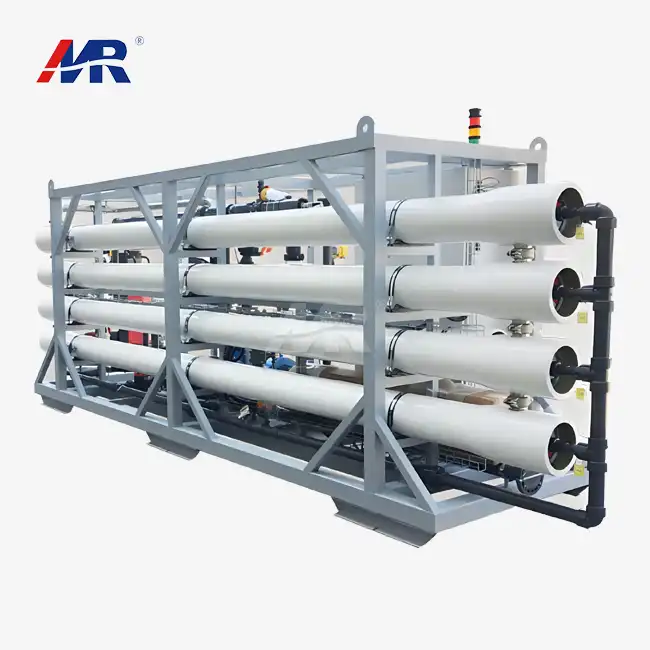 VIEW MORE12m3/hour seawater desalination equipment
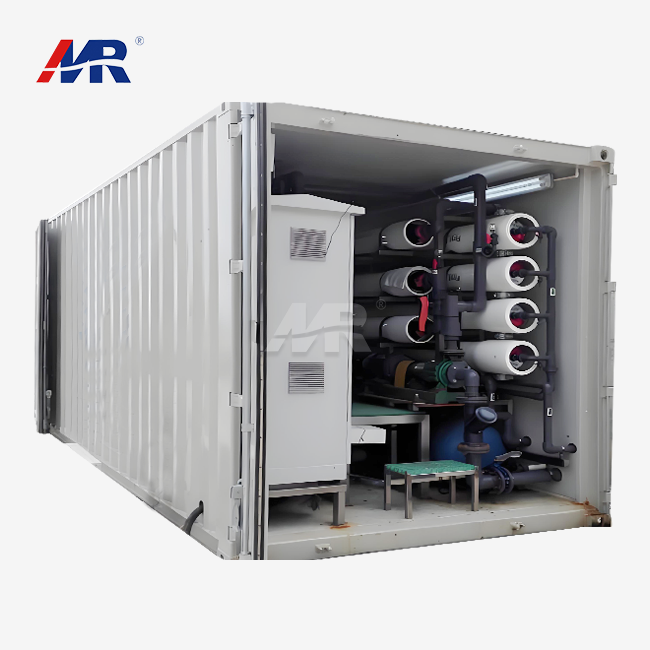 VIEW MOREcontainer seawater desalination equipment
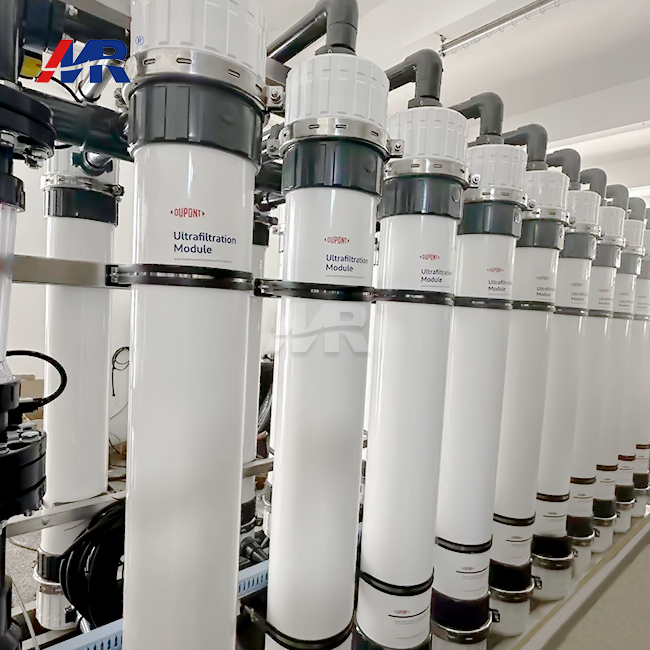 VIEW MOREultrafiltration water treatment system
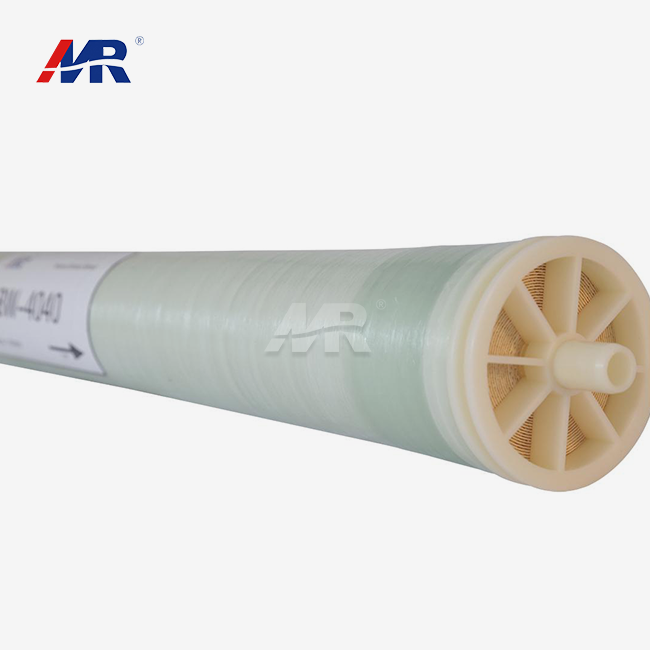 VIEW MOREindustrial reverse osmosis membrane
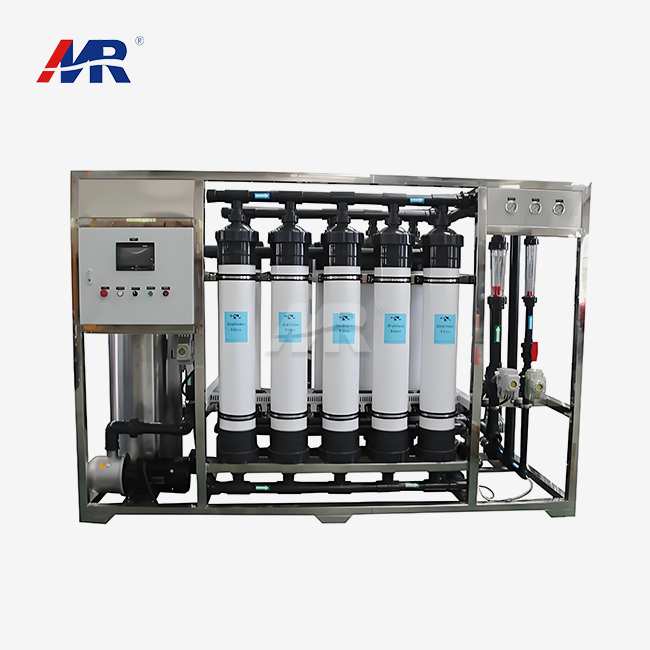 VIEW MOREultrafiltration skid
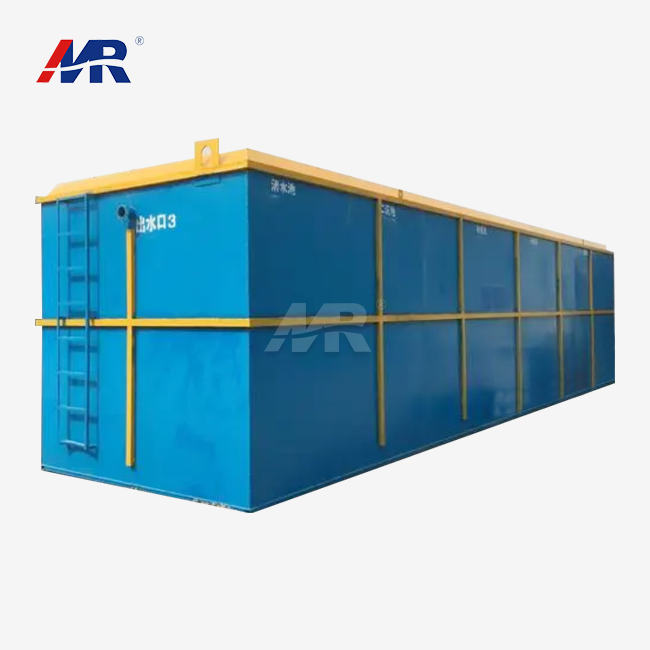 VIEW MOREwaste water treatment plant
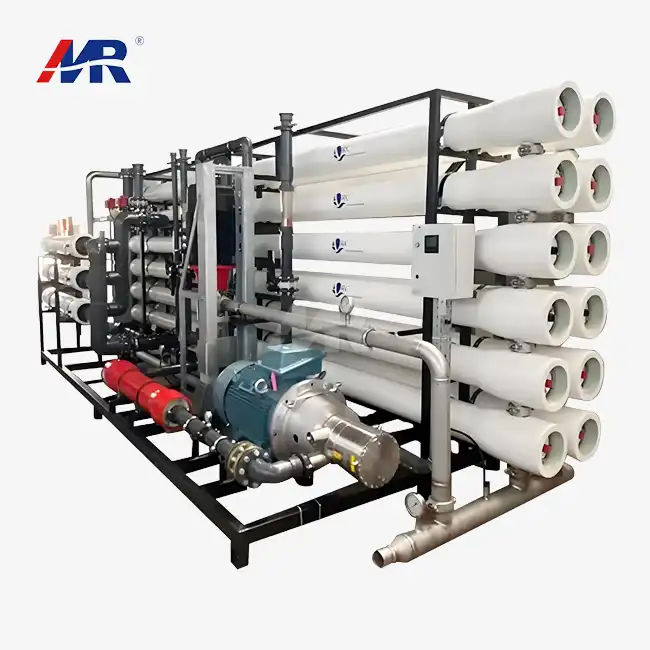 VIEW MORE45m3/hour seawater desalination system
 VIEW MOREbrackish water reverse osmosis
