

_1745823981883.webp)

Fast Installation Compact RO Systems Perfect for Office Use
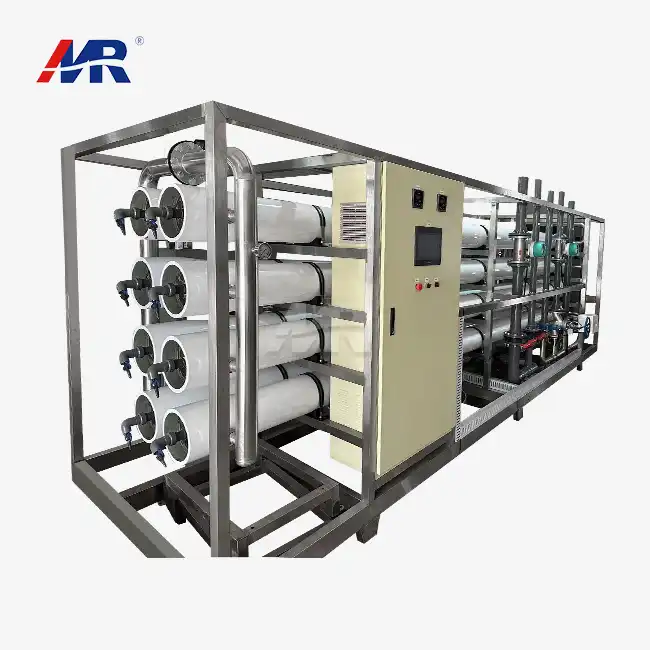
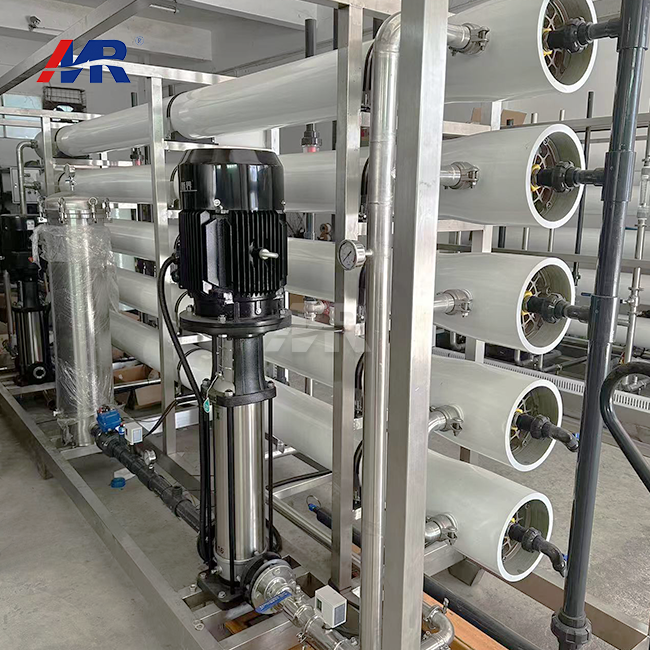
In today's competitive business world, making sure that Compact RO System office workers have clean, safe water to drink has become a top priority for buying managers in many fields. A compact RO system uses advanced water purification technology that is specifically made for modern office settings. Its design saves room and allows it to be set up quickly. These new water treatment systems combine pre-filters, reverse osmosis membranes, and storage tanks in a streamlined design that ensures the water output is always high quality while reducing the time needed for installation and the time that operations are interrupted. The technology meets the growing need for reliable water purification systems that can be easily added to an office's current infrastructure without requiring major renovations or extended downtime.
Understanding Compact RO Systems for Office Use
Water purification systems in modern offices need to be able to balance performance, efficiency, and limited space. By combining several filtration stages into a single, well-designed machine, Compact RO System technology is a big step forward from older ways of treating water. Most of the time, these systems use thin-film composite (TFC) membranes with high flow and low fouling. These membranes can reject 98 to 99.5% of contaminants, dissolved solids, and other impurities from source water.
Advanced Membrane Technology Integration
The science behind the membranes is what makes a reverse osmosis system work. Advanced TFC membranes in our state-of-the-art tools ensure consistent performance even when the water quality changes. When compared to other options, these membranes can keep up high rejection rates while working at lower pressures. This means they use less energy and last longer. Recovery rates of up to 75% are possible with this membrane design, which makes water production more efficient while reducing waste.
Space-Optimized Design Features
Traditional water cleaning systems often can't fit in offices because they don't have enough room. The problems mentioned above can be solved by compact reverse osmosis units, which use new design ideas to combine several parts into a small package. The integrated pretreatment system has antiscalant dosing, multimedia filtering, and activated carbon treatment built into the main unit structure. This consolidation gets rid of the need for different rooms for equipment and makes the installation process easier overall.
User-Friendly Control Systems
Modern methods for treating water in offices must be able to work with people who have different levels of technical knowledge. Our technology has PLC-based control systems with easy-to-use touch screens that make it easier to use and keep an eye on. The control system gives facility managers real-time performance data, maintenance alerts, and system reports, so they can keep the water quality at its best without having to learn a lot of complicated technical terms. Automated operation cycles cut down on the need for human assistance and make sure that performance stays the same throughout the day.
Why Fast Installation Matters for B2B Office Procurement
Procurement professionals consistently identify compact RO system installation speed as a critical factor in water treatment system selection, particularly in office environments where operational continuity cannot be compromised. Traditional water treatment installations often require weeks of planning, extensive plumbing modifications, and significant workflow disruption. Compact RO System solutions address these concerns through modular design principles and pre-assembled components that dramatically reduce deployment time.
Minimized Operational Disruption
Office environments maintain strict productivity schedules that cannot accommodate extended installation periods. Fast installation capabilities ensure that water treatment system deployment occurs with minimal impact on daily operations. Pre-assembled units arrive ready for connection to existing water and electrical infrastructure, reducing on-site construction time from days to hours. Quick-connect fittings and standardized mounting configurations eliminate the need for custom fabrication work that traditionally extends project timelines.
Cost-Effective Deployment Strategies
Extended installation periods directly correlate with increased labor costs and productivity losses. Rapid deployment capabilities significantly reduce these associated expenses by minimizing contractor time requirements and accelerating system commissioning. The streamlined installation process also reduces the likelihood of unexpected complications that can lead to project delays and budget overruns. These cost advantages make compact systems particularly attractive for organizations managing multiple office locations or tight capital budgets.
Reduced Infrastructure Requirements
Traditional water treatment systems often require extensive infrastructure modifications, including dedicated electrical circuits, specialized plumbing connections, and structural reinforcements. Compact systems minimize these requirements through integrated design approaches that utilize standard utility connections and mounting configurations. This compatibility with existing office infrastructure eliminates the need for costly renovations and accelerates regulatory approval processes that can otherwise delay project completion.
Comparing Compact RO Systems with Other Water Purification Solutions
Procurement teams evaluating water purification options must consider multiple factors, including installation speed, operational efficiency, maintenance requirements, and total cost of ownership. Compact RO System technology offers distinct advantages over alternative approaches, including point-of-use filters, traditional reverse osmosis installations, and bottled water services.
Performance Comparison Analysis
When compared to point-of-use filtration systems, compact reverse osmosis units provide superior contaminant removal capabilities and consistent water quality across varying source conditions. The multi-stage filtration process achieves removal efficiencies that exceed 98% for dissolved solids, bacteria, and chemical contaminants. This performance level ensures compliance with strict water quality standards required in pharmaceutical, food processing, and laboratory applications where water purity directly impacts product quality and safety.
Energy Efficiency Considerations
Modern compact systems incorporate energy-efficient design elements that reduce operational costs compared to traditional installations. Our equipment operates with power consumption ranging from 0.8-1.2 kWh/m³, significantly lower than conventional systems of comparable capacity. Variable frequency drives optimize pump operation, a compact RO system based on demand patterns, while high-efficiency membranes reduce the pressure requirements needed for effective filtration. These efficiency improvements translate to measurable reductions in monthly utility expenses.
Maintenance Requirement Differences
Compact systems simplify maintenance procedures through accessible component layouts and automated monitoring capabilities. Traditional installations often require specialized technicians for routine maintenance tasks, while compact units enable facility staff to perform basic upkeep activities. Predictive maintenance alerts provided through the control system help prevent unexpected failures and optimize service scheduling. The integrated design also reduces the number of individual components requiring separate maintenance attention.
Procurement Considerations for B2B Clients
Selecting appropriate water treatment equipment requires careful evaluation of technical specifications, supplier capabilities, and long-term support provisions. Compact RO System procurement involves multiple decision criteria that directly impact system performance, operational costs, and user satisfaction throughout the equipment lifecycle.
Technical Specification Evaluation
Capacity requirements represent the primary technical consideration for office water treatment systems. Our 25m³/hour capacity equipment addresses the needs of medium to large office environments while maintaining compact dimensions suitable for space-constrained installations. The system's ability to maintain consistent output quality under varying demand conditions ensures reliable performance during peak usage periods. Flow rate characteristics, storage capacity, and recovery efficiency must align with specific usage patterns and growth projections.
Supplier Service Quality Assessment
Long-term system success depends a lot on how well the supplier can support it, including how quickly they can help with technical issues and get parts to you. Suppliers that have been around for a while and have local service networks can respond faster and have less downtime during repairs. The terms of the warranty should cover both problems with the equipment and promises of good performance. This way, you'll be protected against unexpected repair costs and poor system performance. Staff training programs make operations more efficient, and tools last longer by teaching the right way to use it.
Financial Considerations and Incentives
The budget for buying things has to include the cost of the technology itself, the cost of setting it up, and the ongoing costs of running it. Advanced water treatment technology is available to businesses of all kinds thanks to incentives for bulk orders and flexible financing choices. To get true cost comparisons, total cost of ownership calculations should include how much energy the equipment uses, how often it needs to be maintained, and how long it is expected to last. Clear pricing structures and thorough cost breakdowns help people make smart decisions and plan their budgets.
Maintenance Tips and Longevity of Compact RO Systems
Effective maintenance practices directly influence system performance, operational costs, and equipment lifespan. Compact RO System maintenance requirements are specifically designed for office environments where specialized technical staff may not be available for complex service procedures.
Routine Maintenance Procedures
Schedules for replacing filters, cleaning membranes, and sanitising the system are all part of regular upkeep. Maintenance alert systems built into our equipment let workers know when service is needed. This keeps performance from dropping and extends the life of parts. When replacing filters, quick-change designs are used to keep the system running as much as possible and cut down on the amount of work that needs to be done. Automatic cleaning processes help keep membranes working well and cut down on the number of times that they need to be cleaned by hand.
Performance Monitoring Strategies
Continuous performance tracking lets you plan maintenance ahead of time and find problems early on. Some important success indicators are the amount of water produced, the efficiency of rejection, the difference in pressure, and the patterns of energy use. Trending analysis helps find slow changes in performance that could mean that a part is wearing out or that the system could be improved. Service technicians can check on the state of a system and Compact RO System plan maintenance tasks without having to go to the site.
Troubleshooting and Support Resources
A lot of the time, simple troubleshooting steps that building staff can do on their own can fix common operational problems. User guides are very detailed and explain how to fix common issues like changing pressures, flow rates, and alarm conditions step by step. Technical support hotlines help with complicated problems that are too big for local resources to handle. Staff at the site are kept up to date on best practices and new maintenance methods through regular training updates.
Conclusion
For modern offices to have clean water, the options need to be high-performing, easy to use, and not require a lot of installation. The best balance of these important factors can be found in compact RO systems, which offer advanced filtration technology in layouts that take up little space and work with current office equipment. When it comes to procurement professionals looking for reliable water treatment options, these systems are perfect because they can be set up quickly, use little energy, and are easy to maintain. Companies that buy compact reverse osmosis technology get better water quality, fewer problems with operations, and long-term cost savings that make up for the initial investment through measurable gains in employee happiness and performance.
FAQ
1. How quickly can a compact RO system be installed in an office environment?
Most compact RO systems can be installed and commissioned within 4-8 hours, depending on existing infrastructure conditions. Pre-assembled units with quick-connect fittings eliminate the need for extensive plumbing modifications, allowing installation to occur during standard business hours with minimal operational disruption.
2. What are the typical energy costs associated with operating a compact RO system?
Energy consumption ranges from 0.8-1.2 kWh/m³ of water produced, translating to approximately $50-100 per month for average office usage patterns. Variable frequency drives and high-efficiency membranes optimize energy usage based on demand, providing additional cost savings compared to traditional systems.
3. How often do compact RO systems require maintenance in office applications?
Routine maintenance typically occurs every 3-6 months and includes filter replacements and performance checks. Automated monitoring systems provide maintenance alerts, while quick-change filter designs enable facility staff to perform basic upkeep without specialized technical training.
4. Compact RO systems meet the water quality requirements for specialized office applications?
Yes, compact RO systems achieve rejection rates of 98-99.5% for dissolved solids and contaminants, meeting water quality standards for pharmaceutical offices, food processing facilities, and laboratory environments. Customizable post-treatment options can address specific purity requirements.
Choose Morui for Your Compact RO System Needs
Guangdong Morui Environmental Technology transforms office water quality through innovative Compact RO System solutions that combine rapid installation with superior performance. Our 14 branches and 500+ employees, including 20 specialized engineers, provide comprehensive support from initial consultation through ongoing maintenance. As a leading compact RO system manufacturer, we offer customizable solutions backed by our membrane production facilities and equipment processing capabilities. Contact our procurement specialists at benson@guangdongmorui.com to discuss bulk pricing options and explore how our energy-efficient systems can enhance your office environment.
References
1. "Industrial Water Treatment Systems: Design and Performance Standards for Commercial Applications." Journal of Water Treatment Technology, 2023.
2. "Energy Efficiency in Commercial Reverse Osmosis Systems: A Comparative Analysis." International Water Association Technical Report, 2022.
3. "Membrane Technology Advances in Compact Water Treatment Systems." Water Technology Magazine, Professional Edition, 2023.
4. "Installation Best Practices for Commercial Water Purification Equipment." Building Systems Engineering Quarterly, 2022.
5. "Cost-Benefit Analysis of Office Water Treatment Solutions: A Procurement Guide." Facilities Management Professional Journal, 2023.
6. "Maintenance Protocols for Commercial Reverse Osmosis Systems in Office Environments." Water Quality Management Handbook, 2022.
 VIEW MOREDTRO for Wastewater Treatment
 VIEW MORE20m3/hour seawater desalination equipment
 VIEW MOREro membrane
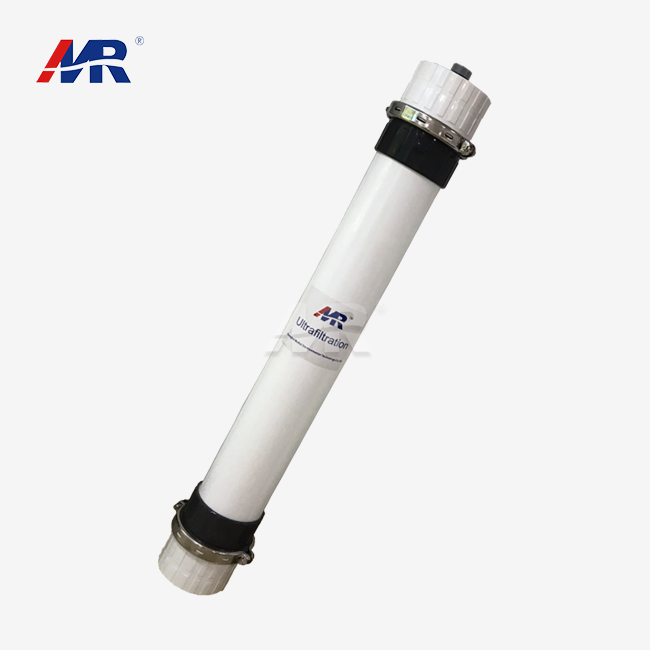 VIEW MOREultrafiltration membrane system
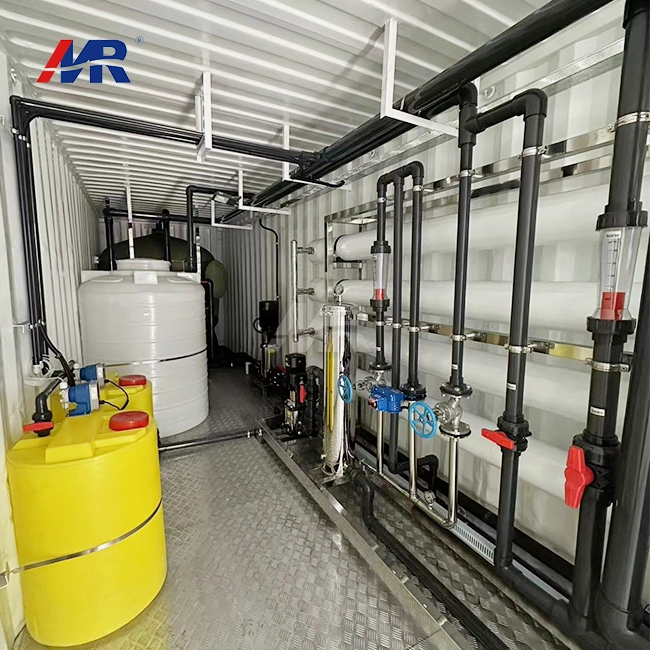 VIEW MOREcontainerized desalination plant
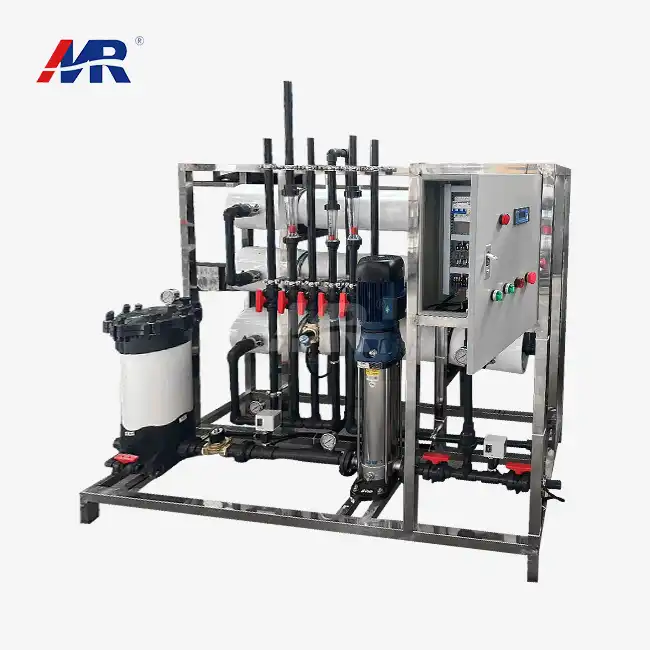 VIEW MORE3T/H reverse osmosis equipment
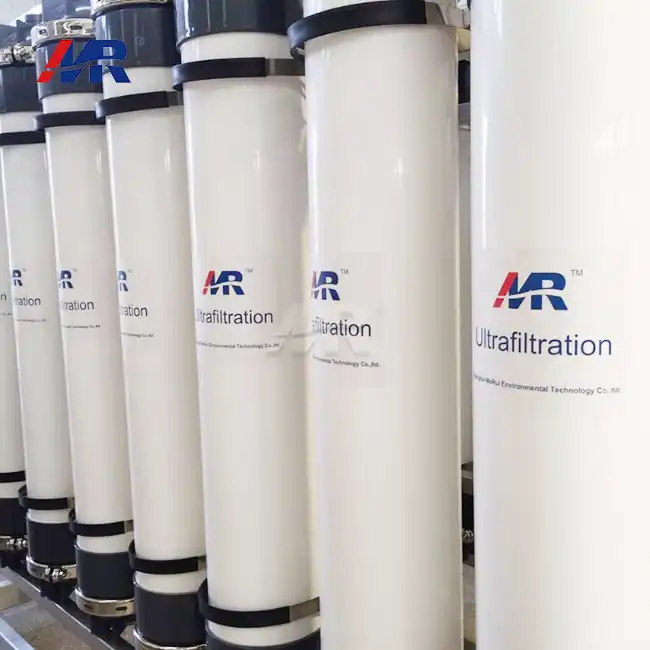 VIEW MORE90T/H ultrafiltration equipment
 VIEW MOREosmosis water purification system
