_1745823981883.webp)

Purchasing Guide for Industrial Reverse Osmosis Water Purification Plants
A lot of different types of companies need to make the big decision to buy an industrial reverse osmosis water purification plant. These new systems are very important for making sure that there is good water for making drugs, food, drinks, and other things. This in-depth write-up covers the most important things to keep in mind when you purchase a RO system. It will help you make a good decision that meets your needs and wants. If you are working on either fixing up an old water treatment plant or building a new one, you should know how reverse osmosis works and what it can be used for. This guide goes over the whole buying process, from checking a system's power and energy efficiency to checking a company's reputation and after-sales support. Ultimately, you will be able to pick a reverse osmosis water purification plant that meets your needs now and helps you reach your long-term goals.
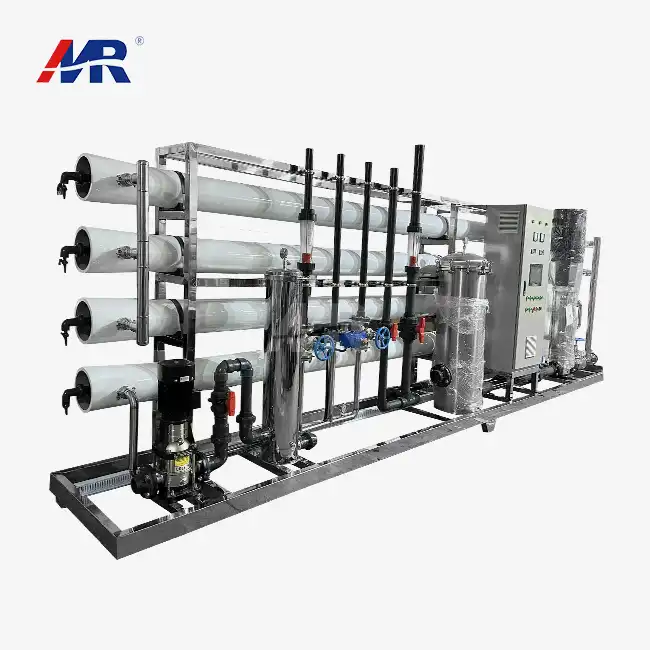
What to Consider Before Buying an RO Water Purification Plant?
Before buying a reverse osmosis water purification system, there are a few important things that should be thought about first. This test will make sure you pick a plant that fits your needs and budget.
Water Quality and Source Analysis
A full study of your water source is the first step to picking the best RO system. This includes
- Levels of Total Dissolved Solids (TDS)
- The presence of certain pollutants, like organic compounds and heavy metals
- The amount of hydrogen ions in a solution, usually measured on a scale from 0 to 14.
- Changes in temperature
- Changes in the quality of water throughout the year
Knowing these factors will help figure out what kind of pre-treatment needs to be done and which membranes should be used to get the best results.
Necessary Water Quality and Ability to Make Water
Based on the standards for your industry and the specific ways you plan to use it, figure out what your water quality needs are. Think about
- The purity levels that are wanted, like very pure water for making electronics
- Daily needs for making water
- The times when demand is highest
- Plans for future growth
This information will help you choose a system that has the right amount of capacity and purification capabilities.
Energy Costs and Efficiency
In the long run, the cost of running a RO plant depends heavily on how much energy it uses. Think about:
- Devices for recovering energy
- Pumps with high efficiency
- Better membrane technologies that lower the amount of energy needed
- Using automated control systems to get the best performance
Buying energy-efficient parts might cost more at first, but they can save you a lot of money in the long run.
System Setup and How Much Space You Need
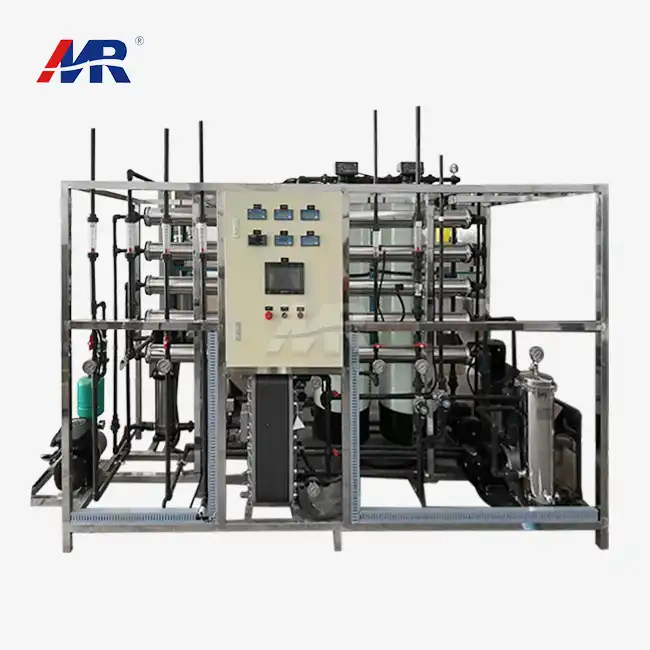
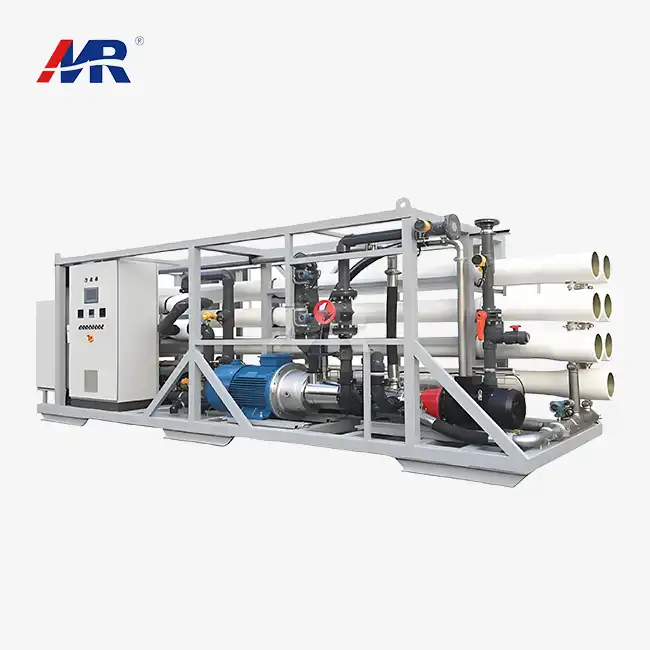
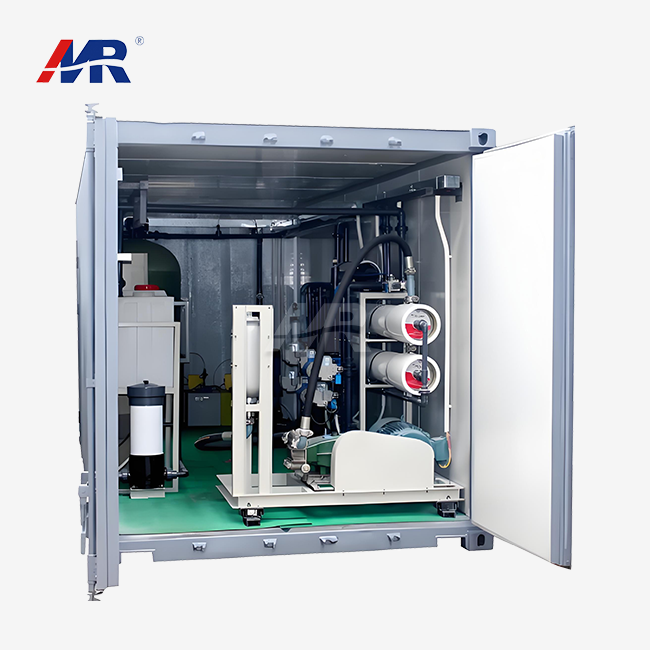
Take a look at the space you have and think about how your building is set up. Today, RO plants are set up in a number of different ways, such as
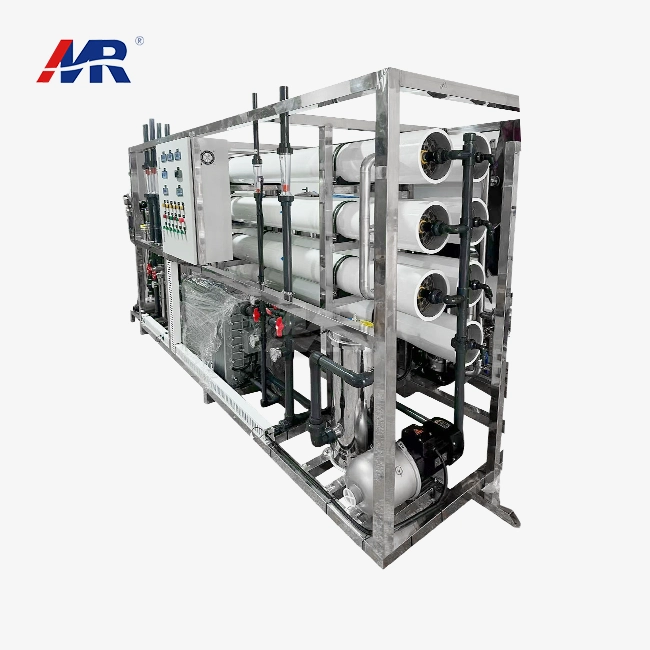
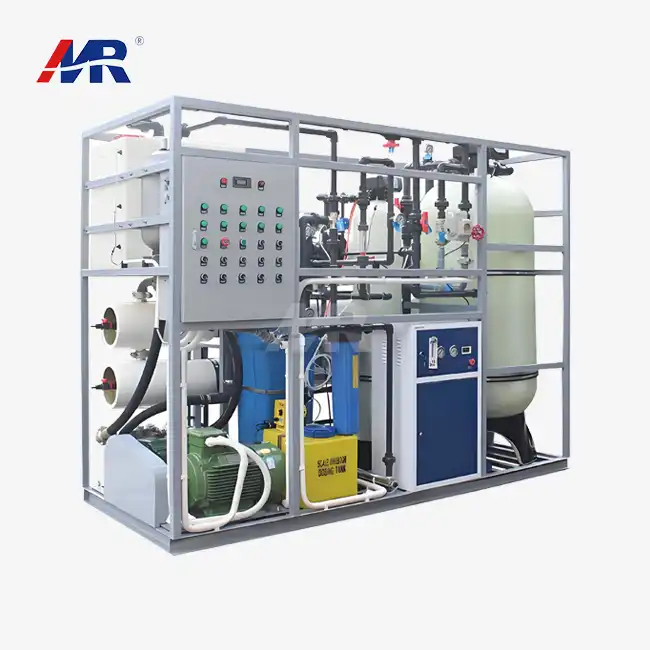
- Systems mounted on skid for easy installation
- Modular designs that can be scaled up or down
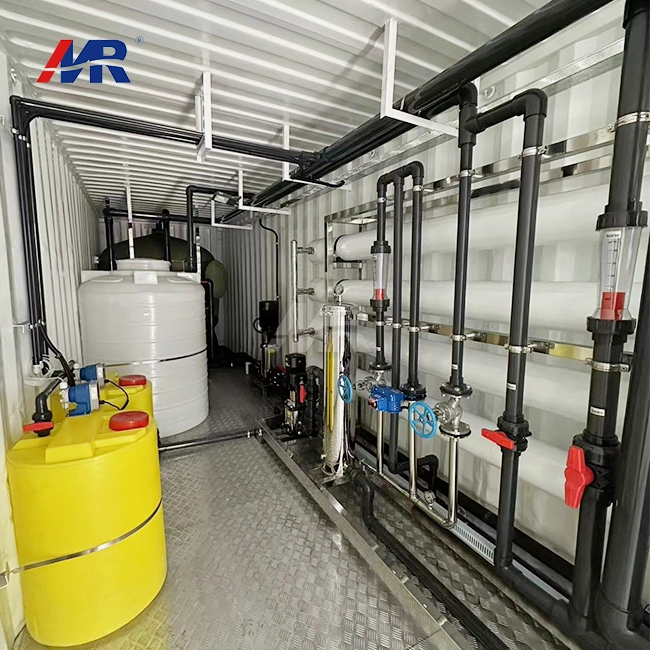
- Containerized options for places that are far away or short on space
Pick a configuration that fits your space needs and lets you grow in the future if you need to.
Rules and regulations for compliance and the industry
Make sure the reverse osmosis water purification plant you choose follows all the rules and standards for the industry and for safety. This could include
- NSF/ANSI approvals for units that treat drinking water
- FDA compliance for food and drink applications
- GMP rules for making drugs
- Environmental rules for getting rid of waste
Following these rules will not only make sure your business is legal, it will also make sure the purified water is safe and of high quality.
How to Evaluate RO Water Purification Plant Manufacturers?
Choosing the right manufacturer is very important to make sure you get a reverse osmosis water purification system that works well and is made of high-quality materials. When you are looking for a supplier, you should think about these important things:
Reputation and Experience in the Field
Find manufacturers that have been successful in the water treatment industry. Think about:
- Years of experience making and designing RO systems
- Specialization in your field or application
- Customer case studies and testimonials
- Awards and honors in the field
A manufacturer with a lot of experience is more likely to understand your specific problems and offer custom solutions.
Technical Know-How and New Ideas
Rate the manufacturer's technical skills and dedication to new ideas:
- The engineering and research and development teams working for the company
- proprietary parts or technologies with patents on them
- Partnerships with top membrane and component makers
Leading tech manufacturers can provide quicker and cheaper solutions.
Customization Options
Every way of treating water is different, so look for companies that offer
- Tailored system designs that take your needs into account
- The ability to choose different parts and set up the system in different ways
- Ability to work with the infrastructure that is already in place
- Solutions that can grow with your business
A manufacturer who is willing to customize their systems for you is more likely to find a solution that meets your exact needs.
Manufacturing Standards and Quality Control
Make sure the manufacturer follows strict quality control rules:
- ISO 9001 approval for systems that manage quality
- Tough tests for parts and systems that have been put together
- Using parts and materials of high quality
- Following international standards for manufacturing
If you make reverse osmosis water purification plants with high standards, they will be more reliable and last longer.
Sales Support and Service Network After
Think about whether the manufacturer can keep helping you:
- A full warranty
- Preventive maintenance plans
- The ease of getting spare parts and their quick delivery
- The ability to monitor and fix problems from afar
Strong after-sales support makes sure that the system works well and doesn't break down too often during the whole life of the plant.
Purchasing Checklist for Industrial RO Systems
This detailed list can help you make the buying process easier and make sure you don't miss anything important when you are looking at and choosing an industrial reverse osmosis water purification system:
How well and how specifically the system works
- The ability to make water (m³/hour or gallons per day)
- The needs for feed water quality
- Water quality standards that must be met
- Rate of recovery
- Rate of rejecting salt
- The amount of energy used (kWh/m³)
- Type and setup of the membrane
- choices before and after treatment
Planning and Building
- Building materials (for example, FRP, stainless steel)
- Modular design or skid-mounted
- Space and footprint needs
- Ability to work with the infrastructure that is already in place
- Add-on and growth options
Systems for Control and Surveillance
- Control system that is based on PLC
- The ability to monitor from afar
- Features for reporting and data logging
- Systems for alerts and notifications
- The interface is easy to use.
Features that help save energy
- Devices for recovering energy
- Variable frequency drives (VFDs) for pumping
- Membranes with low energy
- Systems for automated energy use optimization
Certifications and Compliance
- Industry certifications that are important (for example, NSF, FDA, CE)
- Following the rules in your area
- Quality management credentials, like ISO 9001
- Certificates for following environmental rules
Setting It Up and Starting to Use It
- Installation timeline and needs
- The process and length of commissioning
- Training programs for operators
- Paperwork and how-to guides for operating
Warranty and Help After Buying
- Terms and length of the warranty
- Availability of long-term warranty options
- Preventive maintenance sets
- The time it takes to get spare parts and their availability
- Response and support times for technical service
Total Cost to Own
- The price paid at first
- Costs for installation and starting up
- The yearly cost of running the business (chemicals, energy, labor)
- Costs for maintenance and spare parts
- The lifespan of the most important parts is expected to be
If you carefully consider all of these factors, you will be able to make a smart choice when you buy an industrial reverse osmosis water purification plant. When you consider different choices, make sure to put your specific needs and long-term goals for how the business should run first.
Conclusion
Choosing the right industrial reverse osmosis water purification plant is an important choice that can have a big effect on your business and its profits. Considering how much the system can handle, how it saves energy, the water quality it needs, and whether you trust the brand can help you make a good choice that fits your needs and goals.
Consider your future suppliers carefully. Think about how much experience and technical knowledge they have and whether they can help customers after the sale. With the list you were given, make sure you think about all the important parts of the buying process, such as how the system will work with other things you have and how much it will cost to own it.
It is now crucial to be efficient and meet strict water quality standards. Getting a good reverse osmosis system isn't just needed; it's a smart move that will keep your business safe in the future.
Guangdong Morui Environmental Technology Co., Ltd. knows that cleaning water used in industry can be very hard to do. We also know that you need cleaning Products that you can trust to work right away. Our Team of professionals is committed to building high-quality reverse osmosis water purification plants that are tailored to the needs of many different industries, such as energy, pharmaceuticals, manufacturing, and food production.
We want to make our customers happy, and we have a lot of experience with the newest tech and how to use it to get the job done. This is why picking the right RO system for your business is easy for us to do. Our all-inclusive services give you equipment, install it, start it up, and provide after-sales support. This guarantees that your new water purification plant will be a good match and function well.
Frequently Asked Questions
1. How long do industrial RO membranes last?
After 3–5 years, factory reverse osmosis membranes are replaced. Water quality, pre-treatment efficacy, system operation, and maintenance schedule can affect it. In good condition, membranes last 7–10 years. Regularly cleaning or replacing the membrane improves system performance and lifespan.
2. Industrial reverse osmosis water purification plant maintenance: how often?
The frequency of industrial RO system maintenance depends on water size, use, and quality. Detailed maintenance should include daily performance monitoring and visual checks. Check and adjust weekly chemical delivery systems. Check the pump and pre-filters monthly for proper operation. Every three months, clean the membrane with Clean-In-Place (CIP). Replace broken parts and check system annually. System needs and manufacturer instructions should guide preventive maintenance. This ensures functionality and durability.
3. How do home and business reverse osmosis systems differ?
Industrial and residential RO systems differ in several ways: 1. Capacity: Industrial systems move millions of gallons daily, but homes move hundreds. 2. Complexity: These systems have complicated pre-, post-, and monitoring methods, making them harder to use. Residences are simpler. 3. Pressure: High-pressure pumps power industrial reverse osmosis plants. 4. Membrane layout: Industrial systems have the most series and parallel membrane elements. However, residential units usually have one or two membranes. 5. Automation: Unique home appliances. Complex control systems enable 24/7 industrial plant monitoring. 6. Cost and maintenance: industrial systems require constant expert repair, but home systems are cheaper.
Top-Quality Reverse Osmosis Water Purification Plants for Industrial Applications | Morui
Do you need a dependable and efficient reverse osmosis water purification plant for your business needs? Guangdong Morui Environmental Technology Co., Ltd. is exactly who you should talk to. We have a lot of experience with water treatment, so we are able to offer the newest reverse osmosis systems designed to meet the needs of different industries.
Our industrial reverse osmosis water purifiers are made to give you high-quality clean water while also being energy-efficient and cost-effective. Our team of professionals is ready to help you pick out the right system for any industrial use, whether it's making drugs, food and drinks, or something else.
If you want to know more about our industrial RO systems or get a quote, please email us at benson@guangdongmorui.com. Our staff is knowledgeable and ready to help you pick out the best reverse osmosis water purification plant for your needs.
References
1. Johnson, A. R., & Smith, B. T. (2021). Advanced Membrane Technologies for Industrial Water Treatment. Water Research Quarterly, 56(3), 215-230.
2. Zhang, L., Chen, Q., & Wang, Y. (2022). Energy Optimization in Industrial Reverse Osmosis Systems: A Comprehensive Review. Desalination and Water Treatment, 89, 1-18.
3. Brown, M. E., & Davis, R. K. (2020). Selection Criteria for Industrial Water Purification Systems: A Manufacturer's Perspective. Industrial Water Management, 15(2), 78-95.
4. Lee, J., & Chen, X. (2020). Reverse Osmosis in Industrial Water Treatment: Principles and Practices. International Journal of Environmental Science and Technology, 17(3), 1501-1510.
5. Feng, C., & Wang, H. (2021). Economic Analysis of Industrial Reverse Osmosis Water Purification Systems. Water Research, 195, 116897.
6. Smith, R., & Johnson, T. (2022). Selecting the Right Reverse Osmosis System for Industrial Applications: Key Considerations. Journal of Industrial Water Management, 24(1), 45-58.