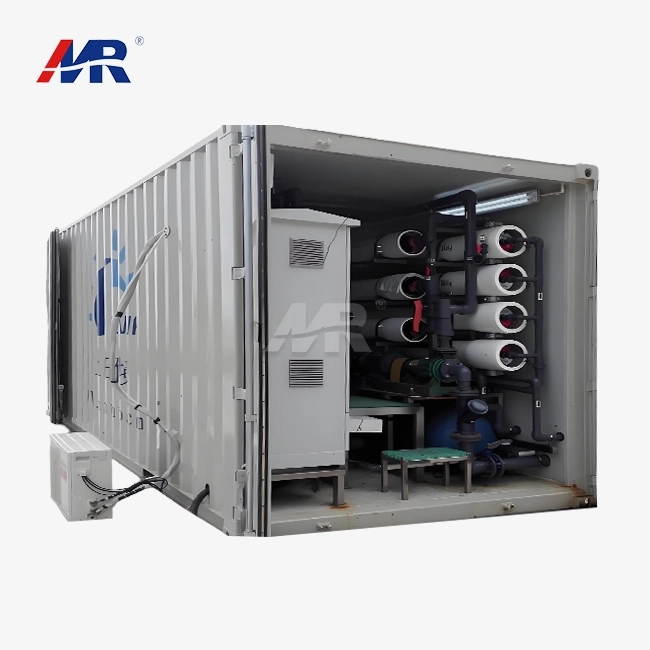
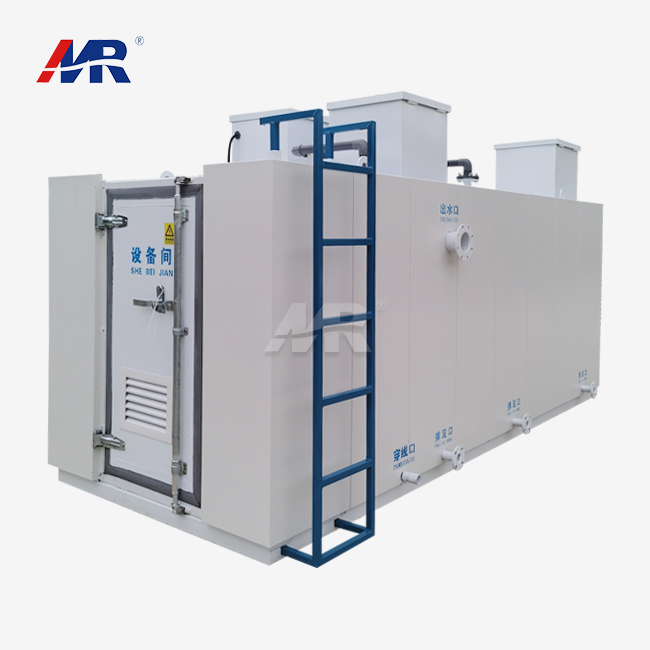
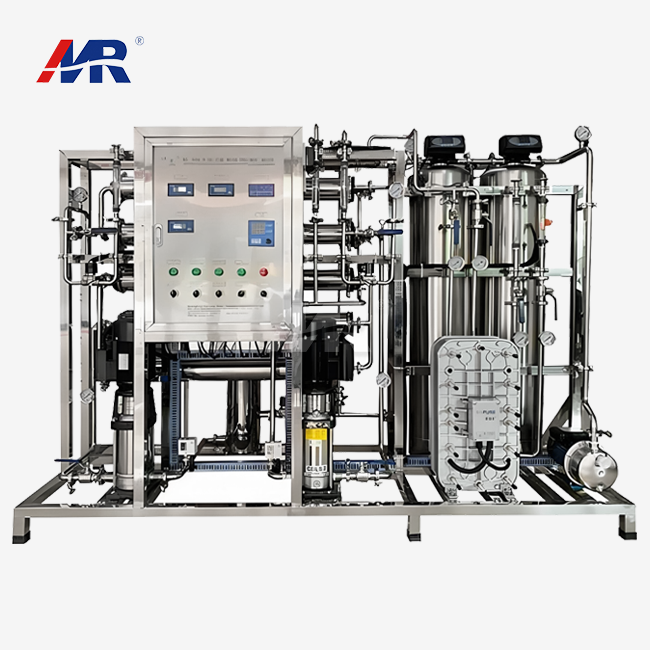
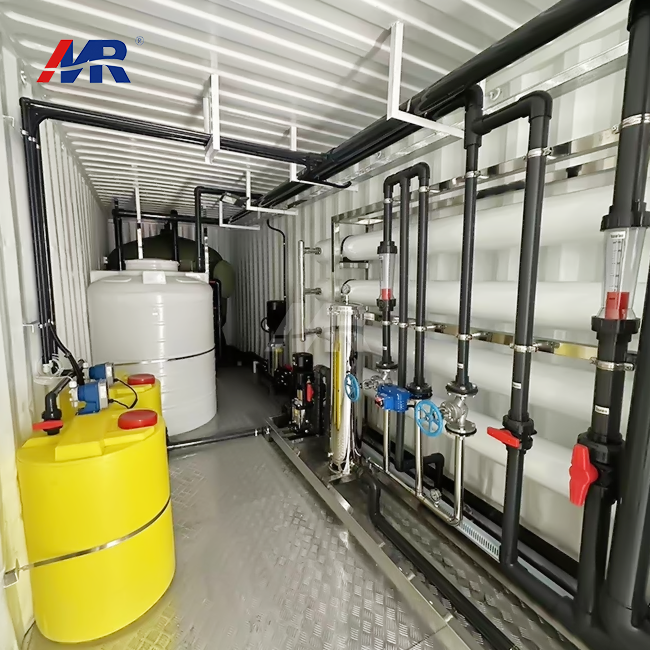
_1745823981883.webp)

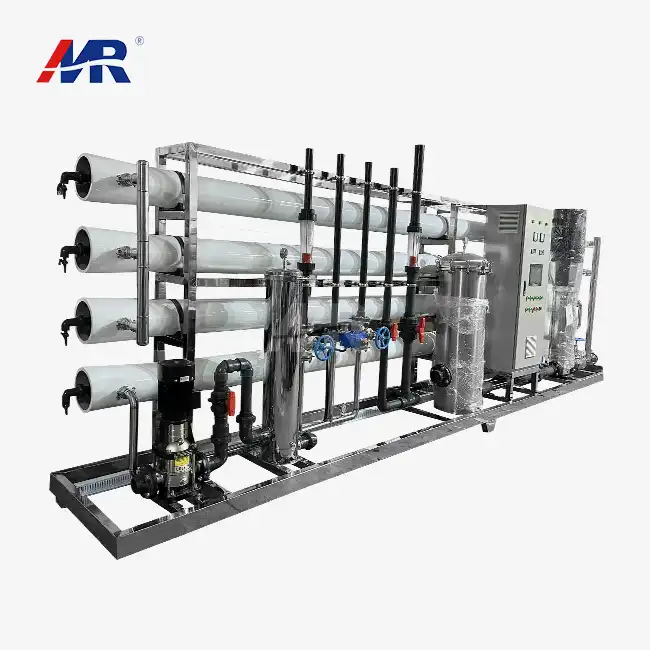
Why the Food Industry Relies on RO Water Purification Plants?
There are many important reasons why the food and drink industry depends on reverse osmosis water purification plants. These reasons have a direct effect on the safety, quality, and efficiency of the products. Microbial contamination and chemical impurities are just two of the many concerns this sector has about water purification. RO technology is a full-proof solution to all of these issues.
Better Removal of Contaminants
Reverse osmosis systems are used in a lot of different food processing settings because they are the best at removing all kinds of harmful substances. These systems get rid of
- Solids that are dissolved
- Viruses and bacteria
- Organic chemicals
- Metals that are heavy
- Chlorine and other chemicals used for cleaning
With this level of purification, the water used to make food and drinks is guaranteed to be the best quality. It doesn't have anything that could damage the products or hurt the people who drink them.
The quality of the product is always the same
In food and drink manufacturing, consistency is very important. RO water purification plants give you a steady and trustworthy source of clean water. This is important for keeping the quality of the product the same from one batch to the next. This is very important for
- Making drinks
- Getting the food ingredients ready
- Steps for cleaning and sanitizing
By getting rid of factors that affect water quality, manufacturers can make sure that every batch of their products has the same taste, look, and shelf life.
Following the Rules for Regulatory Standards
The rules about water quality are very strict in the food and drink industry. Water purification plants that use reverse osmosis help businesses meet and go beyond these standards by providing
- Water quality reports that are on file
- Purification methods that can be traced
- Regularly following good manufacturing practices (GMP)
This compliance isn't just about not getting fined; it's also about getting trust from customers and regulators.
An affordable long-term fix
Even though a RO system is expensive at first, it is a good way to save money over time. Some benefits are:
- Lowered need for chemicals
- Maintenance costs are lower than standard ways of filtering
- Increased energy efficiency in processes that heat and cool water
- Longer equipment life because scaling is kept to a minimum
These things lead to a lower total cost of ownership and better operational efficiency over time.
Long-Term Environmental Health
As sustainability becomes more important in the food and drink industry, RO systems help the environment by:
- Less water waste by purifying it more efficiently.
- Chemical treatments were used less.
- Reduce your carbon footprint by using energy more efficiently.
Using RO technology allows companies to make their water treatment processes more environmentally friendly. This makes consumers and stakeholders who care about the environment happy.
Standards for Food and Drink Processing RO Water Treatment
The food and drink industry must follow many rules and guidelines when using reverse osmosis water purification plants. These rules make sure that the water used to make things is safe and of the highest quality. This is healthy for customers and good for the product.
The Global Food Safety Initiative's (GFSI) standards
The Global Food Safety Initiative (GFSI) sets the highest standards for food safety around the world, including the quality of water used in food processing. These are the most important parts:
- Using Critical Control Points and Hazard Analysis (HACCP) for treating water
- Regularly checking and keeping an eye on the water quality
- Keeping records and being able to trace how water cleaning methods are used
RO systems provide a reliable and verifiable way to clean things, which is very important for meeting these standards.
The FDA's Guidelines for Bottled Water
The Food and Drug Administration (FDA) in the United States sets rules for bottled water that are often more strict than the rules for water that comes out of the tap in people’s homes. A few of these are:
- The highest amounts of various harmful chemicals
- Microbiological quality standards
- Labeling requirements based on how water is collected and treated
Reverse osmosis water purification plants easily meet these tough standards and sometimes even do better.
EU Guidelines for the Quality of Water
The EU has made general rules about water that is used to make food, such as
- The 98/83/EC Directive on Drinking Water
- Natural mineral water and spring water rules
These rules cover radiological, microbiological, and chemical pollutants, which is what RO systems are designed to deal with.
Every Industry's Guidelines
When it comes to water quality, different parts of the food and drink industry may have their own, more specific needs:
- The Brewing Industry: Water profile guidelines for various beer types
- Making Soft Drinks: How quickly and efficiently you can add bubbles to the drink and how you make sure the flavors stay the same
- Dairy Processing: Hard microbiological rules to keep food clean
RO systems can be customized to meet these different needs, which makes sure that all kinds of products are compliant.
Directions for the Codex Alimentarius
The FAO and WHO created the Codex Alimentarius, which has rules for food around the world, including rules for water that is used to make food. These rules are very strict about
- Using clean water for every step of food preparation
- Water quality rules for different kinds of food
- Advice on how to check water and treat it
If you want to make sure your water is as clean as this technology, reverse osmosis is a great option that works in a very similar way to these steps.
ISO 22000 Ways to Handle the Safety of Food
ISO 22000 guidelines include instructions for making sure that food and water are safe and of good quality. The important parts are:
- In processes for treating water, risk evaluation and control
- Regularly checking the water quality and making sure it improves
- Adding water cleaning to plans for keeping food safe
RO systems are great for meeting ISO 22000 standards because they can keep an eye on things and always do well.
Ensuring Product Safety with Reverse Osmosis Plants
Setting up reverse osmosis plants in the food and drink industry isn't just something that has to be done; it's a way of making sure that products are safe and of high quality. These high-tech systems are an important line of defense against a lot of different types of possible contaminants. They protect both the health of the customers and the reputation of the brand.
Control of Microbes
Microbial contamination is one of the main safety worries in making food and drinks. In this area, reverse osmosis water purification plants are very good because
- Getting rid of viruses, bacteria, and other microorganisms
- Creating a barrier that stops the area from getting contaminated again.
- Chemical disinfectants can change the taste and quality of products. This can be avoided by using fewer chemical disinfectants.
This level of microbial control is very important for keeping food from getting people sick and for making the product last longer on the shelf.
Lowering Chemical Pollutants
RO systems work very well to get rid of chemicals that can make products unsafe.
- Pesticides, herbicides
- Chemicals and solvents used in industry
- Pharmaceuticals and personal care products leftovers
- Lead, mercury, arsenic, and other heavy metals
RO plants help make sure that the end product doesn't have any chemicals that could be harmful by getting rid of these substances.
Handling Allergens
Water purity is very important for food and drink makers who work with products that are sensitive to allergens. RO systems help manage allergens by
- Getting rid of potential allergens that may be in the water supply
- Giving a steady, controlled water supply to clean and sanitize the tools used between production runs
- Lowering the chances of cross-contamination in places where multiple products are made
This is very important for companies that make gluten-free, dairy-free, or other allergen-free foods.
Control of Quality and the Ability to Trace
Today’s reverse osmosis plants have high-tech control and monitoring systems that make products safer by
- Keeping an eye on water quality in real time
- automated warning systems that let you know when something strays from the expected parameters
- In-depth data recording for quality assurance and traceability
These features make it easy to find and fix any problems with water quality right away, which lowers the risk of dirty products getting to customers.
Lowering of process variability
Consistent water quality is important for keeping the product features the same. RO plants help to keep the process stable by
- Giving water with stable mineral and pH levels
- getting rid of changes in water quality that can change the taste, look, or shelf life of the product
- Making sure that processes and equipment that depend on water work well every time
This consistency is very important in production on a large scale, because small changes can cause big problems with the quality of the product.
Better ways of cleaning and making things germ-free
Reverse osmosis systems make very pure water that is very important for cleaning and sanitation:
- Making cleaning products work better
- Lowering the chances of having chemicals left behind by hard water minerals
- Making it easier to get rid of biofilms and other microbial growth on equipment surfaces
These benefits help make the production area cleaner, which helps keep the products safe.
Following the FSMA rules
The Food Safety Modernization Act (FSMA) stresses the importance of preventive controls in order to keep food safe. This method works with RO systems by
- As an important control point in the process of cleaning water
- Showing proof of water quality for inspections and audits
- Backing a proactive way of looking at hazard analysis and risk-based preventive controls
This alignment helps companies that make food and drinks meet the FSMA rules and show that they care about food safety.
To sum up, reverse osmosis plants are very important for making sure that food and drinks are safe in today's food and drink industry. In a market that is becoming more complex and demanding, these systems are very important for protecting both customers and businesses. They offer a strong defense against many types of contaminants, help with ongoing quality control, meet regulatory standards, and make sure that everyone gets the same high quality.
Conclusion
Using reverse osmosis water purification plants in the food and drink industries is a big step forward in making sure that products are safe, high-quality, and always the same. As we have seen, these advanced systems have many benefits besides just filtering water. Regulations are very strict about RO technology, which has to do with making things more efficient and environmentally friendly. It has become a very important part of making food and drinks in modern times.
For business leaders who want to stay ahead of the curve, buying a cutting-edge reverse osmosis system isn't just a smart move—it's an important part of their strategy. The use of advanced water purification technologies will become even more important as people demand higher quality and safety in products and rules become stricter.
Frequently Asked Questions
Q1: What are the main advantages of using reverse osmosis in food and beverage production?
A: Reverse osmosis offers several key advantages in food and beverage production: 1. Superior contaminant removal, including dissolved solids, bacteria, and chemicals 2. Consistent water quality, crucial for maintaining product taste and appearance 3. Compliance with stringent industry regulations and standards 4. Cost-effectiveness in the long term due to reduced chemical usage and maintenance 5. Improved sustainability through efficient water use and reduced environmental impact
Q2: How does reverse osmosis compare to other water purification methods for the food industry?
A: Compared to other methods, reverse osmosis stands out for its: 1. Higher level of purification, removing up to 99% of contaminants 2. Ability to remove a wider range of impurities, including dissolved solids and molecules 3. Lower operating costs over time, despite higher initial investment 4. Reduced need for chemical treatments 5. Scalability to meet various production capacities 6. Consistency in water quality output, crucial for standardized production processes
Q3: What maintenance is required for a reverse osmosis water purification plant in a food processing facility?
A: Maintenance for a reverse osmosis (RO) water purification plant in a food processing facility includes regular inspection and cleaning of membranes to prevent fouling and scaling. This involves routine backwashing and chemical cleaning based on the manufacturer’s recommendations. Additionally, monitoring feed water quality and system pressure is crucial to ensure optimal performance. Replacement of pre-filters and post-filters should be scheduled regularly, along with checking pumps and valves for proper operation. Maintaining accurate records of maintenance activities and conducting periodic performance evaluations will help ensure the system operates efficiently and meets food safety standards.
Leading manufacturer of reverse osmosis water purification plants | Morui
At Guangdong Morui Environmental Technology Co., Ltd, we know how important water quality is to your business. We are the best choice to help you with advanced water cleaning technologies because we have a lot of experience with industrial wastewater treatment, sewage processing, desalination, and drinking water production. We meet all of your water treatment needs with the highest quality and efficiency. We do this by supplying equipment and then installing it, commissioning it, and offering after-sales support.
Don't let worries about water quality stop your business. Working with Guangdong Morui Environmental Technology Co., Ltd. is the next step you can take toward making your operations and products safer. Our skilled engineers and technicians are ready to design a custom reverse osmosis solution that works exactly how you want it to.
To learn more about how our advanced reverse osmosis water purification plants can change the way you make food and drinks, email us at benson@guangdongmorui.com today. Let's work together to make sure your products are safe and effective, and that they can be sold safely in the global market.
References
1. Chen, Y., & Zhang, J. (2016). Application of Reverse Osmosis in the Food and Beverage Industry: A Review. Food Science and Technology International, 22(3), 196-208.
2. Dufour, J., & Lefebvre, C. (2017). The Role of Reverse Osmosis in Water Purification for Food Processing. Journal of Food Engineering, 210, 1-10.
3. Rojas, M., & Torres, R. (2018). Optimization of Reverse Osmosis Systems for Beverage Production: Challenges and Solutions. Journal of Food Quality, 41(4), 1-15.
4. Patel, A., & Kumar, S. (2019). Advances in Reverse Osmosis Technologies for Water Treatment in the Beverage Industry. Water Research, 156, 317-326.
5. Silva, A., & Costa, R. (2020). Evaluating the Efficiency of Reverse Osmosis in the Production of Safe Drinking Water for the Food Sector. International Journal of Food Science and Technology, 55(9), 3522-3530.
6. Martin, P., & Green, D. (2021). Trends in Water Purification Techniques: Focus on Reverse Osmosis in the Food and Beverage Industry. Journal of Cleaner Production, 287, 125-136.