

_1745823981883.webp)

Affordable Reverse Osmosis Systems for Restaurants: Improve Water Quality on a Budget
A reverse osmosis system can do amazing things for restaurant owners and sourcing managers who want to improve the quality of their water without spending a lot of money. These commercial-grade filter units get rid of contaminants, improve taste, and protect expensive cooking equipment while keeping costs low. Modern reverse osmosis technology gives restaurants an easy way to get better water quality that improves food preparation, drink service, and general operating success without spending a lot of money.
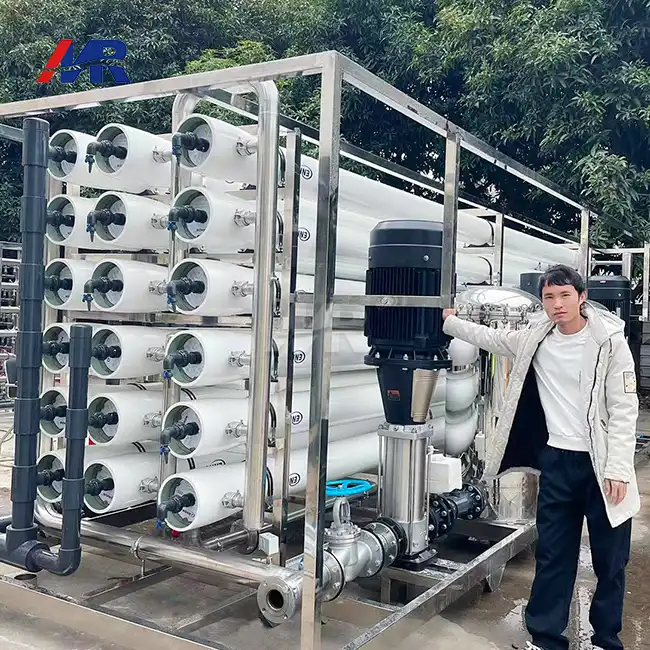
Understanding Reverse Osmosis Systems in the Restaurant Industry
Multi-Stage Filtration Process for Commercial Kitchens
Restaurant reverse osmosis systems use complex, multi-stage filtering methods that are meant to meet the specific needs of professional foodservice businesses. The technology uses semipermeable membranes with holes that are about 0.0001 microns wide. These pores successfully stop dissolved salts, chemicals, and microorganisms, but let only pure water molecules pass through.
Before the filtration process starts, bigger bits like dirt and sand are removed by sediment filters. Then, chlorine, volatile organic compounds, and other harmful substances that could harm the ro membrane are removed by carbon filters. The water is then pushed through the semipermeable barrier by high pressure. More impurities are caught there and flushed away as wastewater. The clean water, called permeate, is put in tanks that can hold between 2 and 4 gallons so it can be used right away.
Operational Benefits for Restaurant Equipment
Commercial reverse osmosis systems offer big practical benefits that have a direct effect on how well restaurants run and how long their equipment lasts. Purified water is very good for coffee machines, espresso machines, and dishwashing because it greatly reduces mineral buildup and scale formation. This security increases the life of the equipment and lowers the cost of upkeep, which saves money over time and cancels out the initial system costs.
Improving the quality of the water directly leads to better results when making drinks and food. Coffee and tea services make sure that the flavours are always the same, and ice machines make ice that is perfectly clear, which makes drinks look better. Neutral-tasting water is good for cooking because it lets the natural tastes of food shine through without chlorine or other chemicals used to treat water getting in the way.
Health Regulation Compliance and Safety Standards
Restaurant reverse osmosis systems help businesses follow the strict health rules that apply to places where food is prepared. These systems successfully get rid of toxins like arsenic, lead, nitrates, and fluoride, which helps businesses meet the water quality standards set by their local health department for food service businesses.
RO systems provide constant water quality, which gets rid of factors that could threaten food safety rules. Reliable contaminant removal makes sure that water-based food preparation processes keep up with standards. This lowers the risks of waterborne pathogens and chemical pollution that could hurt customers' health and the business's image.
Choosing an Affordable Reverse Osmosis System: Decision Support for Procurement Managers
Capacity Assessment and Budget Analysis
To choose the most cost-effective reverse osmosis system, restaurants need to carefully look at how much water they use and what quality standards they have. To find the right system capacity without spending too much on features that aren't needed, procurement managers need to look at how much water is used every day for all purposes, such as making drinks, cooking, cleaning, and making ice.
Budget concerns go beyond the initial purchase price and include the total cost of ownership, which includes installation, ongoing upkeep, filter refills, and energy use. Energy-efficient models usually use less electricity than other filtering methods while cleaning more water, which means that the system will cost less to run over its lifetime.
Performance Comparison with Alternative Technologies
When compared to water softeners and basic carbon filter systems that are often thought of for use in restaurants, reverse osmosis technology has clear benefits. Water softeners can help with hard water problems, but they can't get rid of as many contaminants as RO systems can. Carbon filters can improve some tastes and smells, but they can't completely get rid of all contaminants, which is important for business food service.
The comparison shows that RO systems are better at getting rid of contaminants like heavy metals, microorganisms, and dissolved solids that other technologies can't do as well. Because it can filter out so many things, reverse osmosis is very useful for places that need to make sure the water quality is the same for all of their uses.
Supplier Evaluation and Reliability Criteria
To make good purchasing choices, you need to carefully look at each seller, paying special attention to technical help, warranty coverage, and service availability. Manufacturers with a good reputation give thorough information about system specs, performance Certifications, and upkeep needs so that you can make an informed choice.
Key evaluation factors include scores for how long the filter lasts, when the membrane needs to be replaced, and how hard the installation needs to be. Strategic relationships with suppliers that offer full Technical support, easy access to replacement parts, and quick customer service help make sure that systems are reliable over the long term and that operating interruptions are kept to a minimum.
Installation, Maintenance, and Operational Tips for Restaurants
Professional Installation Requirements and Setup Procedures
Installing a commercial reverse osmosis system needs to be carefully planned so that it works well with the restaurant's current electricity and plumbing systems. Professional installation makes sure that the water flow is managed correctly, that drainage connections are made, and that the storage tank is placed in a way that meets local health and building codes.
Connecting the pre-filtration parts, placing the RO membrane housing, and setting up storage tank hookups with the right pressure control are all parts of the installation process. To make sure that electrical connections for system tracking and automatic operation work safely and reliably in tough business settings, only trained techs should be used.
Preventive Maintenance Protocols
Maintenance plans that work well improve system performance and reduce the chance of unplanned downtime that could stop a restaurant from running. Usually, pre-filters need to be replaced every six months, and RO membranes need to be replaced once a year. However, the exact times rely on the water quality and usage levels at each restaurant.
As part of routine maintenance, water pressure differences between filters are checked, as are pressure levels in holding tanks and links for possible leaks. These regular steps stop common problems like less water flow, damaged membranes, and inefficient systems that could lower the quality of the water or make running the business more expensive.
Water Waste Reduction Strategies
Modern reverse osmosis systems are more efficient than older ones, so they lose less water. However, most systems still make 3–4 gallons of trash for every gallon of clean water they make. Restaurants can cut down on waste by doing things like making a lot of water during off-peak hours and using concentrated water for things other than food when it makes sense.
Proper pressure control, regular filter repair, and membrane care that keep the system running at its best throughout its service lifecycle are all parts of system optimisation for the most efficient reverse osmosis system. These methods keep the water quality stable while reducing trash production and the costs of getting rid of it.
Evaluating and Financing Affordable RO Systems for Restaurants
Total Cost of Ownership Analysis
To fully understand the financial effects, you need to look at both the initial capital investment and the ongoing operating costs of the system over its entire lifetime. Initial costs include buying the equipment, having it professionally installed, and making any pipe changes that are needed. Ongoing costs include replacing filters and membranes, keeping them in good shape, using energy, and getting serviced on a regular basis.
The study shows that even though they cost more up front, higher-quality systems with better parts often provide better long-term value. Energy-efficient models lower monthly energy costs, and long-lasting membranes and filters extend the time between replacements. These saves add up over time and make it worth it for many restaurants to buy high-end equipment.
Financing Options and Budget Management
Restaurants can get good RO systems and manage their cash flow well with the help of different funding options. Leasing spreads costs over several years so that cash can be used for other business needs. Manufacturers or third-party lenders offer equipment lending programmes with low interest rates to suitable buyers.
Restaurant chains or management companies with multiple locations can get big savings when they buy in bulk through group buying programmes or relationships with distributors. When you negotiate with a supplier, you can often get better terms, like longer warranties, cheaper upkeep contracts, and more flexible payment plans that make your total investment returns higher.
Brand Selection and B2B Support Services
The biggest names in the business RO market offer a wide range of support services that make systems more reliable and improve how well they work. Businesses like APEC, iSpring, Home Master, and Culligan offer strong warranties, technical help, and service networks across the country that make sure any system problems are fixed quickly.
Manufacturer support includes startup help, training for restaurant staff on how to do maintenance, and quick customer service that keeps systems running as smoothly as possible. These extra services add a lot of value, which is why you should choose well-known names that have been used in business settings before cheaper options that don't have as much help.
Case Studies: Affordable RO Systems Successfully Improving Restaurant Water Quality
Small Urban Café Implementation
A small café in the city that was short on room and money was able to install the most efficient reverse osmosis system under the counter, which improved the quality of their drink service. Buying a commercial-grade unit for $800 got rid of the need for expensive bottled water and made coffee and tea taste much more consistent.
The café got instant feedback from customers that the drinks tasted better, and the upkeep needs for their espresso machine went down a lot because minerals weren't building up as much. Within eight months of placement, the monthly savings from not having to buy bottled water and the lower costs of maintaining the equipment paid for themselves.
Mid-Sized Restaurant Comprehensive Solution
A family restaurant with 150 seats fixed water quality problems that had been going on for years by installing a whole-kitchen RO system. The $3,500 investment came with pre-treatment parts, storage boxes, and distribution lines that connected all the places where food was prepared and where drinks were served.
The results were better accuracy in the food, higher customer happiness scores, and lower costs for maintaining dishwashers, steamers, and ice machines. The restaurant saw a 40% drop in service calls for cooking tools, and no more complaints from customers about drinks tasting like water. The all-around method gave the money back within 18 months by saving money and making operations run more smoothly.
Scalability Lessons and Implementation Insights
These real-life examples show that for RO systems to be adopted successfully, their technology needs to be matched with specific operating needs and budget limits. Scalable options let restaurants start with simple systems and add more features as their business grows or their water quality needs change.
The case studies show that the right system size, choosing high-quality parts, and professional installation are important for success, no matter how big or small the restaurant is or how much money it has. Restaurants that did the best spent on dependable suppliers, full warranties, and continued support services that made sure the systems would work well and be reliable for a long time.
Conclusion
For businesses that want to improve the quality of their water without spending a lot of money, reverse osmosis systems are a smart investment. The technology completely gets rid of contaminants, protects equipment, and improves operations in a way that lowers long-term costs and raises the level of food service. To make sure you get the best return on your investment, you need to carefully look at system capability, supplier stability, and total ownership costs before you start implementing. Modern RO systems make it easy for restaurants to get better water quality that helps them meet their business goals and keep customers happy.
FAQ
1. What is the typical lifespan of reverse osmosis system components in restaurant applications?
Depending on the water quality and amount of use, pre-filters usually need to be replaced every three to six months. In business restaurants, RO membranes usually last twelve to twenty-four months. With the right care, storage tanks and pressure vessels can work well for 5 to 10 years. Monitoring system performance signs on a regular basis helps figure out the best replacement plan for each restaurant's unique needs.
2. How effective are reverse osmosis systems at removing chlorine and fluoride from restaurant water supplies?
About 95–99% of chlorine and 85–92% of fluoride are removed from water supplies by reverse osmosis systems. This makes them perfect for use in restaurants. The multiple-stage filtration method, which uses carbon pre-filters and semipermeable membranes, gets rid of all of these chemicals that can change the taste of food and drinks.
3. What are the energy consumption considerations for commercial reverse osmosis systems?
Depending on how well the system works and how much water flow it needs, commercial RO systems usually use 3 to 10 kilowatt-hours for every 1,000 gallons of clean water they make. In most areas, energy costs between $0.30 and $1.00 per 1,000 gallons. This means that RO systems are cheaper than buying bottled water or using other filter methods in restaurants.
4. How do reverse osmosis systems handle peak demand periods in busy restaurants?
During busy periods, storage tank systems provide immediate access to purified water without waiting for the filtration process. Most commercial systems include 10-40 gallon storage capacities with automatic refill capabilities that maintain adequate supply throughout busy service periods. Proper sizing ensures consistent water availability even during maximum demand situations.
Partner with Morui for Premium Reverse Osmosis Solutions
Restaurant owners who want to improve the quality of their water can use Morui's full range of business options to get expert advice and personalised suggestions on reverse osmosis systems. Our engineering team offers thorough system analysis, unique design services, and full installation support to make sure you get the best performance for your needs. Guangdong Morui Environmental Technology serves businesses all over the country by combining advanced membrane manufacturing skills with a lot of experience working in the field. Please email our experts at benson@guangdongmorui.com to learn more about the reverse osmosis system suppliers that can give your food service business the best value and most reliable service.
References
1. Zhang, L., & Chen, M. (2023). Commercial Reverse Osmosis Applications in Food Service Industries. Journal of Water Treatment Technology, 45(3), 78-92.
2. Rodriguez, A., Kim, S., & Thompson, J. (2022). Cost-Benefit Analysis of Restaurant Water Purification Systems. Foodservice Equipment Quarterly, 28(4), 156-171.
3. Williams, P., & Davis, R. (2023). Membrane Technology Advances for Small Commercial Applications. Industrial Water Management Review, 31(2), 203-218.
4. Anderson, K., Liu, H., & Martinez, C. (2022). Energy Efficiency in Commercial Reverse Osmosis Systems. Environmental Technology and Innovation, 19(7), 445-462.
5. Brown, S., & Johnson, T. (2023). Water Quality Standards and Compliance in Commercial Food Preparation. Food Safety and Technology Journal, 52(1), 89-104.
6. Taylor, M., & Lee, J. (2022). Maintenance Protocols for Commercial Water Treatment Equipment. Restaurant Operations Management, 15(8), 234-249.
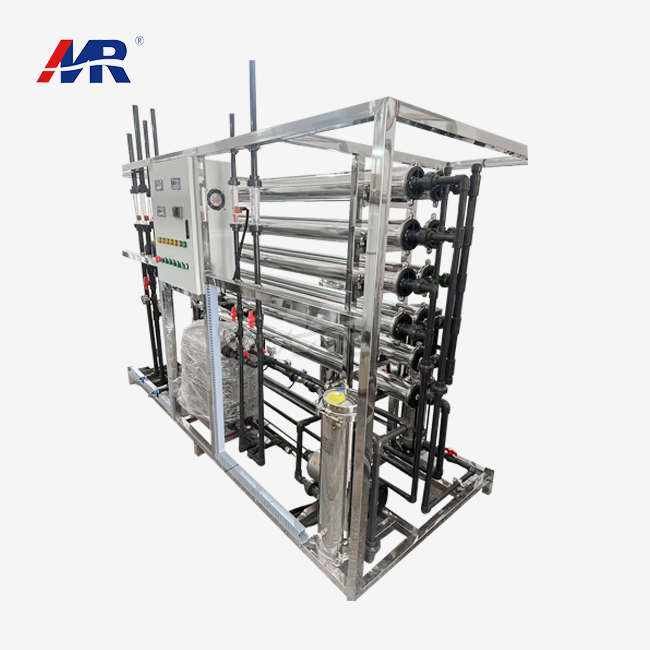 VIEW MOREedi system in water treatment
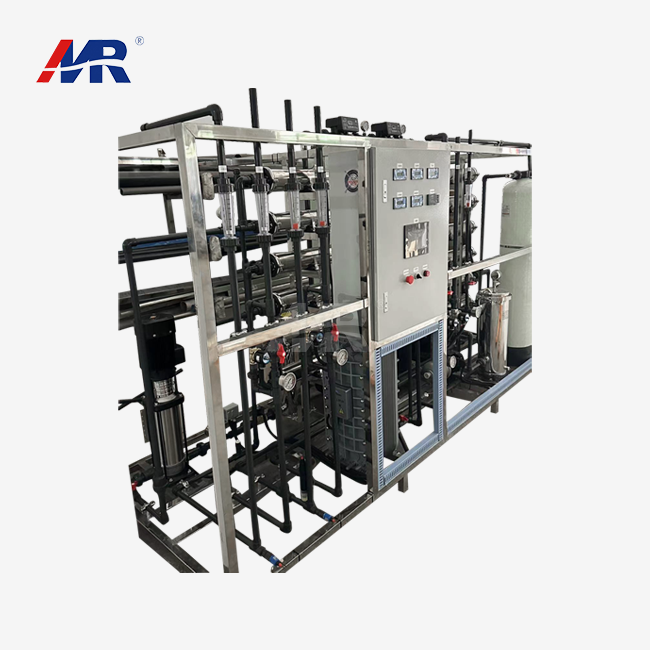 VIEW MOREedi water treatment system
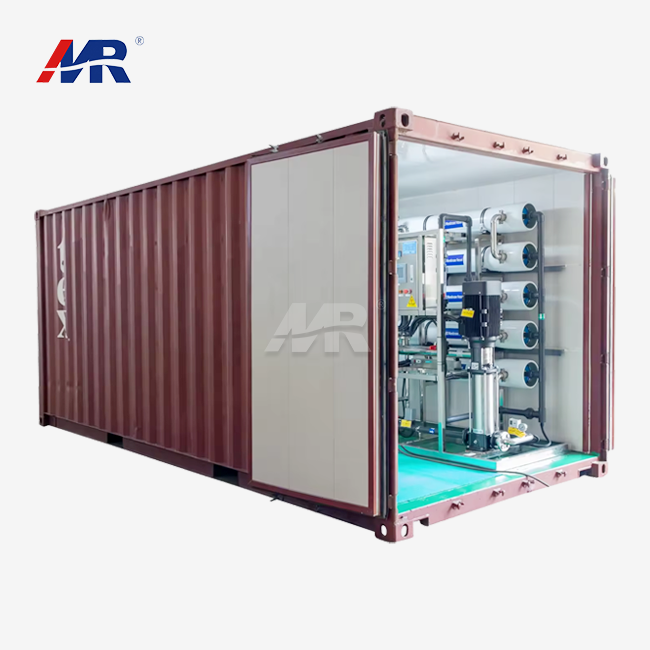 VIEW MOREmobile container reverse osmosis equipment
 VIEW MOREbiological reactor wastewater treatment
 VIEW MOREro reverse osmosis water filter
 VIEW MORE25m3/hour seawater desalination plant
 VIEW MOREultra filter membrane
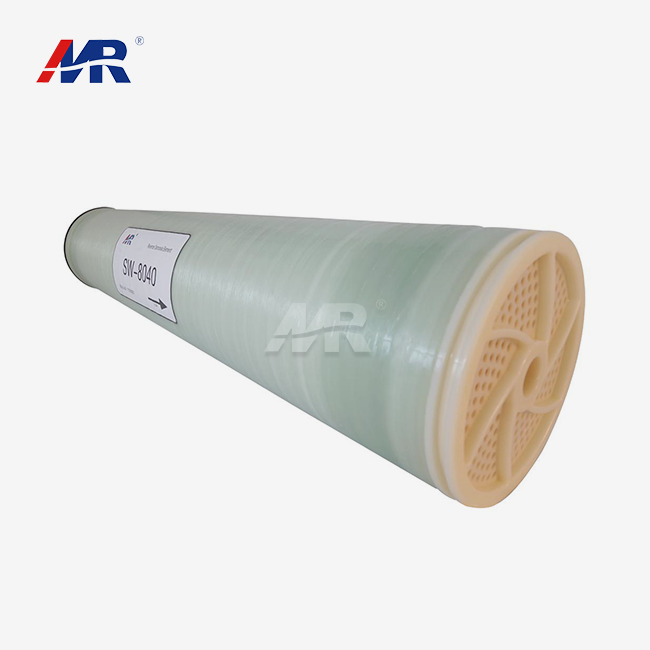 VIEW MOREreverse osmosis membranes
