

_1745823981883.webp)

Most Efficient Reverse Osmosis System for Energy-Saving Operations
The most efficient reverse osmosis system for commercial water purification is a crucial choice that affects both running costs and environmental sustainability. Modern RO systems that use less energy blend modern membrane technology with well-designed parts that work together to provide better water quality while using less energy. Compared to regular models, these systems usually save 30 to 50 per cent of energy. This makes them perfect for industries like manufacturing, pharmaceuticals, and food processing, where clean water and low costs are very important.

Understanding Reverse Osmosis System Efficiency
Fundamental Principles of Energy-Efficient RO Technology
Energy-efficient reverse osmosis systems work on improved principles that get the most water back while using the least amount of power. Semipermeable membranes with pores about 0.0001 microns in size are at the heart of the technology. They remove dissolved salts, chemicals, and bacteria successfully. Modern systems have advanced control systems, high-performance pumps, and energy recovery devices that all work together to make the best use of flow rates and pressure management.
The effectiveness of these systems comes from their ability to keep working well even when the feed water conditions change. Traditional systems have set parameters; energy-efficient models have changeable frequency drives and intelligent pressure control that changes how they work based on real-time data about the water quality. This flexible method makes sure that the best amount of energy is used throughout the filtering process.
Critical Design Elements for Energy Conservation
The most important part of an effective RO system is its advanced membrane technology. Today's spiral-wound membranes have better permeability and surface chemistry, which lets them collect more water at lower working pressures. These membranes are made of thin-film hybrid materials that don't get dirty or scale, so they last longer and keep working the same way.
Energy recovery devices are very important to the performance of the system because they take energy from the concentrate stream and use it again. Up to 95% of the energy in high-pressure reject water can be recovered by pressure exchanges and turbochargers. This greatly reduces the overall power needs. When these parts are put together with variable frequency drives on the feed pumps, they work together to make the system use less energy in all situations.
Key Metrics for Measuring RO System Performance
The water recovery rate, which shows how much of the feed water is turned into clean permeate, is the best way to measure how well a system works. Recovery rates for high-efficiency systems are usually between 75 and 85%, while rates for standard units are between 50 and 65%. This better recovery directly leads to less wastewater being made and lower operating costs.
Metrics for energy use focus on specific energy use, recorded in kilowatt-hours per cubic metre of permeate made. It takes less than 3 kWh/m³ of energy to use the most efficient reverse osmosis systems for brackish water and between 3.5 and 4.5 kWh/m³ to desalinate seawater. These benchmarks give people who are in charge of buying things clear criteria to use when comparing system plans and vendor offers.
Benefits and Performance Optimisation of Efficient RO Systems
Operational and Financial Advantages
Energy-efficient RO systems save a lot of money because they use less power, which usually accounts for 30 to 40 per cent of all running costs. The extra money saved adds up over the life of the system, so the extra money spent on high-efficiency tools and the most efficient reverse osmosis system usually pays for itself in 18 to 24 months. Aside from saving energy directly, systems that work well also keep pumps and motors in better shape, which means they last longer between repair visits and cost less to replace.
The environmental benefits of RO systems that work well are in line with both business goals for sustainability and government rules. Lower carbon impact comes from using less energy, and waste is kept to a minimum by improving water collection rates. Many businesses find that engaging in efficient water treatment technology helps them be better stewards of the environment and also gives them real financial returns.
Maintenance Best Practices for Sustained Performance
Proactive repair plans protect the large investment in efficient RO technology and make sure the system works at its best. Cleaning the membrane regularly, usually every three to six months based on the quality of the feed water, keeps it working well and increases its life. System tracking data must be used to make sure that chemical cleaning procedures are tailored to specific fouling patterns.
When it comes to keeping total performance high, pre-filtration systems need extra care. When the differential pressure hits the manufacturer's recommendations, sediment filters should be changed. On the other hand, chlorine breakthrough testing tells you when to replace carbon filters. Maintaining the pre-treatment parts in the right way keeps the expensive ro membranes safe and the system's energy efficiency scores high for as long as it works.
Performance tracking tools give real-time information on important factors like pressure, flow rates, and the quality of the permeate. Modern systems have built-in alarms and automated data logging that let workers know when performance standards aren't being met. This proactive method lets actions be taken at the right time to stop losses in efficiency and keep water quality stable.
Comparing the Most Efficient RO Systems: Making the Right Choice
Energy-Efficient vs. Traditional RO Systems
On a number of efficiency measures, modern RO systems that use less energy are clearly better than older ones. Normal systems work at set pressures of 150 to 250 psi for brackish water uses. But effective systems use variable pressure control that changes based on membrane state and feed water quality. This flexible method cuts energy use by 25–40% while keeping the quality of the permeate the same.
New barrier materials and better hydraulic design have made it possible for efficient systems to reclaim more water. Recovery rates for traditional systems are usually between 50 and 65%, while recovery rates for efficient designs are always between 75 and 85%. This change means that a lot less wastewater is being made and thrown away, which is especially helpful for sites that are in areas with limited water or that have to follow strict rules about how much they can discharge.
Cost-Effectiveness Analysis and ROI Considerations
For RO systems to work well, investment research needs to look at both the initial cost of the system and its ongoing running costs. Even though efficient systems usually require a 15–25% higher original investment, they have better return on investment profiles because they have lower running costs. The extra cost is usually worth it just for the energy savings. Payback times vary from 18 to 36 months, based on local utility rates and working schedules.
Total cost of ownership research shows what efficient systems are really worth. Maintenance needs are cut down, membranes last longer, and new parts cost less, all of which save money on operations other than energy use. When you add in the possibility of utility rebates and tax breaks for energy-saving equipment, it becomes clear that most industrial uses should use efficient RO systems.
Leading-Edge Features and 2024 Innovations
Modern RO systems have smart technology features that make them more efficient and easier to use. Connectivity to the internet of things allows for online tracking and predictive maintenance. This lets workers improve performance and plan maintenance based on how the system is actually working, not just at random times. Machine learning systems look at practical data to find ways to improve performance and spot problems before they become a problem.
Some of the more advanced automation features are clever pressure optimisation, automatic membrane cleaning cycles, and adaptive recovery rate change based on the traits of the feed water. These improvements cut down on the need for operator input while keeping efficiency at its highest level in a wide range of working situations. Integration with facility management systems lets other business tools work together with precision for the highest level of efficiency.
Procurement Guide: How to Acquire High-Efficiency Reverse Osmosis Systems
Sourcing Reliable Suppliers and Equipment
Finding providers who have a track record of success in industrial water treatment uses is the first step to getting the most efficient reverse osmosis system. Suppliers who are qualified should give full scientific information, such as specific data on how much energy is used, performance guarantees, and case studies from similar uses. Certification from well-known industry groups and following relevant standards like NSF/ANSI and ASME give you even more peace of mind about the quality and dependability of the product.
Companies that have more than one location or plans to grow often find that buying in bulk saves them a lot of money. A lot of sellers offer discounts for buying in bulk and common system configurations that lower both the cost of buying the system and the difficulty of maintaining it over time. By working with preferred vendors, you may be able to get faster delivery times for replacement parts and special expert help.
Installation and After-Sales Considerations
Professional installation services make sure that the system is properly set up and works at its best from the start. Professional installation teams know how to properly connect RO systems to a building's current infrastructure, such as its electricity links, control system interfaces, and waste discharge systems. For a job to be done right, the system must be fully tested, operators must be trained, and standard performance factors must be recorded.
A full guarantee and help after the sale protect the investment in RO technology that works well. Standard warranties usually cover problems with the equipment for 12 to 24 months, but for important uses, you may be able to get an additional guarantee. To lower the risk of downtime, service agreements should cover things like regular preventative maintenance, the ability to respond to emergencies, and access to approved new parts.
Ongoing Technical support ties give you access to programme knowledge and help with fixing problems for as long as the system is up and running. Suppliers with strong technical support can help with improving performance, making process changes, and upgrading equipment in a way that keeps things running smoothly even as working needs change.
Company Introduction and Our RO Solutions
Morui's Expertise in Reverse Osmosis Technology
Guangdong Morui Environmental Technology Co., Ltd. has a lot of experience treating water for commercial uses because we know a lot about reverse osmosis technology and how to make systems that use less energy. Our engineering team has a lot of technical knowledge and real-world experience in a wide range of industrial settings. This lets us create unique solutions that meet specific performance needs while using the least amount of energy possible.
Our company's commitment to sustainable water treatment solutions drives continuous innovation in RO system design and optimisation. We leverage advanced membrane technologies and energy recovery systems to deliver the most efficient reverse osmosis system configurations for each application. This approach ensures our clients receive maximum value from their water treatment investments while supporting their environmental sustainability goals.
Comprehensive Product Portfolio and Services
Our line of reverse osmosis systems includes options for a wide range of business uses, from small lab systems to big water treatment plants for cities. Each system uses energy-saving design principles and high-performance parts that have been carefully chosen to be reliable and last a long time. We can change standard designs to fit specific application needs and work with the infrastructure of a current building because we can customise them.
Professional installation services make sure that the system is properly set up and that the planned performance standards are met right away. Our certified installation teams have a lot of experience with complicated industrial setups, and they work closely with building staff to make sure that there is as little downtime as possible during commissioning. Full operator training and paperwork help the system start up smoothly and work well for a long time.
Our ongoing repair and technical support services keep our clients' investments safe and keep systems running at their best for as long as the equipment is in use. Some of the services we offer are preventative maintenance plans, emergency response help, and advice on how to improve performance, such as upgrading to the most efficient reverse osmosis system. Having access to original new parts and membrane supplies keeps the system running smoothly and protects the manufacturer's guarantee.
Conclusion
Choosing the most efficient reverse osmosis system is a smart investment that pays off in the long run by saving money and improving operations right away. Modern systems that use less energy mix advanced membrane technology with smart settings to get better water quality while using less energy and having less of an impact on the environment. The in-depth look at system efficiency measures, performance optimisation methods, and procurement issues gives industry decision-makers the information they need to choose the right tools. For implementation to go smoothly, you need to work with experienced providers who can offer unique solutions, professional installation, and ongoing technical support to make sure the system keeps running at a high level for as long as it is used.
FAQ
1. What factors determine the energy efficiency of a reverse osmosis system?
Several important things affect how energy-efficient something is, such as the membrane technology, the efficiency of the pump, the energy recovery devices, and the system control algorithms. High-permeability membranes need lower running pressures; variable frequency drives make sure pumps work at their best, and pressure exchanges get energy back from concentrate streams. Intelligent control systems are always changing the working settings to keep the best efficiency even when the feed water conditions change.
2. How often should maintenance be performed on efficient RO systems?
Maintenance plans depend on the quality of the feed water and how the system is being used, but they usually include checking the system once a month, replacing the pre-filter every three months, and cleaning the membrane every six months. Because they are less likely to get clogged and can be monitored automatically, high-efficiency systems often have longer upkeep times. Regularly checking how well something is working lets you use predictive maintenance methods that choose the best time to do maintenance based on how the system is actually working, not on set plans.
3. Can efficient RO systems integrate with existing facility infrastructure?
Modern RO systems are made in a way that lets them be easily integrated with water, electricity, and control systems that are already in place. Standardised connections and flexible design make installation easy in most industrial settings. An expert engineering evaluation makes sure that the system is the right size and that the integration is planned so that it works as efficiently as possible while keeping installation costs and complexity to a minimum.
Partner with Morui for Your Most Efficient Reverse Osmosis System Needs
Find out how Morui's modern water treatment options, which use energy-efficient reverse osmosis technology, can change the way your business works. Our skilled engineers are experts at creating and putting in place custom RO systems that produce high-quality water while using as little energy and money as possible. As one of the best and most efficient reverse osmosis system manufacturers, we offer full solutions that include system design, professional installation, and ongoing technical support to make sure your equipment works at its best for as long as it lasts. Get in touch with our technical experts at benson@guangdongmorui.com to talk about your unique needs and find out how our new way of treating water can help you reach your business goals and support your efforts to be more environmentally friendly.
References
1. American Water Works Association. "Reverse Osmosis and Nanofiltration Manual of Water Supply Practices." Third Edition, 2021.
2. Fritzmann, C., Löwenberg, J., Wintgens, T., & Melin, T. "State-of-the-art of reverse osmosis desalination." Desalination Journal, Volume 216, 2023.
3. International Desalination Association. "Energy Efficiency in Reverse Osmosis Systems: Best Practices and Emerging Technologies." Annual Conference Proceedings, 2024.
4. National Institute of Standards and Technology. "Energy Performance Standards for Industrial Water Treatment Equipment." Technical Publication 1875, 2023.
5. Water Environment Federation. "Industrial Water Reuse and Recycling: Advanced Treatment Technologies." Technical Practice Committee Report, 2024.
6. World Health Organization. "Guidelines for Drinking-water Quality: Chemical Fact Sheets on Reverse Osmosis Treatment." Fourth Edition, 2022.
 VIEW MOREElectrodeionization system
 VIEW MOREedi water treatment
 VIEW MORE1000LPH EDI plant
 VIEW MOREmembrane bioreactor
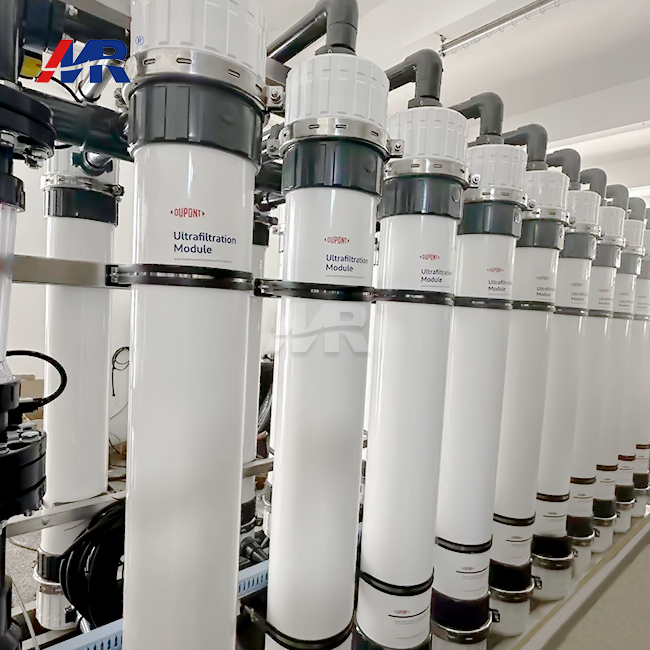 VIEW MOREultrafiltration water treatment system
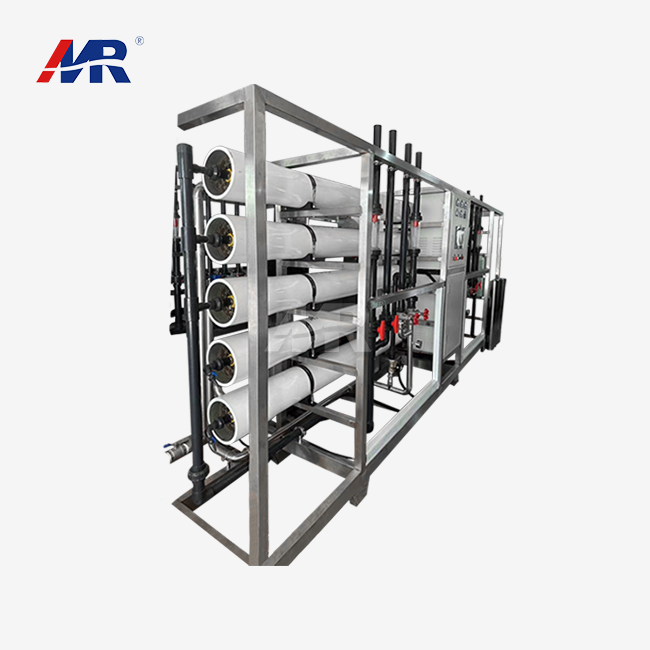 VIEW MOREhighest rated reverse osmosis system
 VIEW MOREadvanced wastewater treatment system
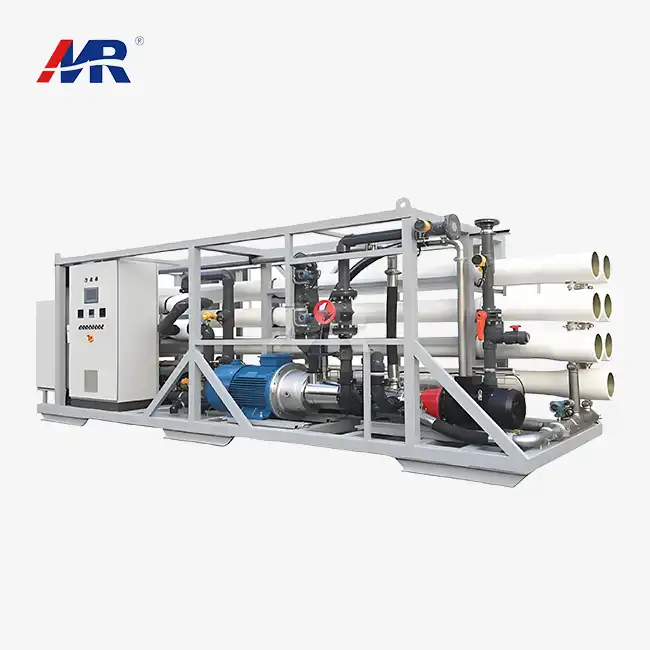 VIEW MORE20m3/hour seawater desalination equipment
