

_1745823981883.webp)

Why Choose a Reverse Osmosis Device Over Carbon Filters for Water Purification?
Procurement experts have to choose between reverse osmosis systems and carbon filtering methods when they are looking at water cleaning technologies for industrial and business uses. A Reverse Osmosis Device uses membrane-based technology to get rid of up to 99% of contaminants, such as dissolved solids, bacteria, viruses, and heavy metals. Carbon filters, on the other hand, mostly use adsorption to get rid of chlorine, volatile organic compounds, and taste problems. Reverse osmosis technology is the best choice for challenging industry settings where water purity standards must be met because it removes contaminants better, produces consistent water quality, and can be scaled up.

Understanding the Fundamentals: Reverse Osmosis vs. Carbon Filtration
Because reverse osmosis and carbon filtering systems use different technologies, they have different benefits for different business uses. A semi-permeable membrane directly stops contaminants at the molecular level in reverse osmosis technology. Carbon filtration, on the other hand, uses adsorption to catch certain types of pollutants.
Membrane-Based Filtration Technology
Thin-film composite membranes are used in reverse osmosis systems to block contaminants that are 0.0001 to 0.001 microns in size. With this technology, dissolved salts, heavy metals, bacteria, viruses, and organic substances can all be removed in one filtering step. Several layers make up the membrane structure. The polyamide active layer controls selectivity, and the polysulfone support layer gives the membrane its strength.
During the filtration process, pressure is used to push water molecules through the barrier while bigger contaminants are pushed back out. This device makes sure that the purification process stays the same, no matter how the water that goes into it changes. This makes it perfect for businesses that need to keep water quality standards stable.
Carbon Adsorption Mechanisms
Carbon filter systems in Reverse Osmosis Devices work because activated carbon has a lot of pores on its surface. These pores attract and hold certain contaminants through chemical adsorption. These systems are very good at getting rid of chlorine, chloramines, volatile organic compounds, and other things that change the smell and taste of water. But carbon filters aren't good at getting rid of minerals, salts, or microorganisms that have dissolved in water.
Over time, carbon filters lose some of their ability to absorb contaminants because the active spots fill up with them. Because of this limitation, replacement processes have to happen often, and it's hard to predict performance when water quality changes.
Performance and Efficiency Comparison of Reverse Osmosis Devices and Carbon Filters
There are big differences between these two methods for cleaning that can be seen in how well they work and how long they last. Knowing these differences helps procurement teams make choices based on facts that meet operational needs and stay within budget.
Contaminant Removal Effectiveness
Here are the main ways that reverse osmosis and carbon filtering systems work differently:
- Complete cleaning: reverse osmosis systems get rid of 95–99% of dissolved solids, bacteria, viruses, and heavy metals, while carbon screens only get rid of 50–90% of chlorine and organic chemicals.
- Stable output quality: Membrane technology keeps purification levels stable even if the water supply changes, while carbon filters change how well they work depending on the amount of contamination and how old the filter is.
- Broader spectrum coverage: RO technology removes both organic and inorganic contaminants at the same time, so there is no need for multiple steps of filtering.
When businesses need high-purity water, like pharmaceutical manufacturing, electronics production, and food preparation facilities, these performance benefits directly help their operations.
Operational Cost Analysis
Long-term operating costs show that reverse osmosis technology is more cost-effective than carbon filtering systems. RO systems may have higher starting costs, but membrane-based solutions often have cheaper total costs of ownership because they last longer and need less maintenance.
Patterns of energy use for Reverse Osmosis Devices are also very different between these systems. When compared to older models, new reverse osmosis systems use up to 40% less power because they have energy recovery devices built in. Carbon filtration devices don't use much energy, but they need to be replaced often, which costs more in terms of work and materials.
Maintenance Requirements and System Longevity
Under normal conditions, reverse osmosis membranes usually work well for two to three years. In some industrial settings, with the right preparation, they can last for five years. Depending on the water quality and usage rate, carbon filters need to be replaced every 3 to 12 months. This causes ongoing problems with operations and managing supplies.
Evaluating Suitability for B2B Procurement: Choosing the Right Solution
The needs for treating industrial water are very different across industries, so choosing the right technology is a very important buying choice. Figuring out the best way to clean up in each operating setting depends on the needs of each application.
Industry-Specific Water Quality Requirements
Different businesses using Reverse Osmosis Devices need different amounts of pure water based on their product quality standards and the rules they have to follow. Pharmaceutical and research businesses need ultrapure water that meets USP standards. Food and drink companies, on the other hand, care more about making sure the water tastes the same and is safe.
For precise manufacturing, the electronics and semiconductor businesses need total dissolved solids amounts that are very low. The complete purification properties of reverse osmosis technology help with these tough uses. When paired with extra polishing steps, it can reach resistivity levels above 18 megohm-cm.
Scalability and Capacity Considerations
Reverse osmosis systems are better for growth businesses because they can be expanded more easily. Modular membrane designs let you raise the system's capacity without replacing the whole thing. On the other hand, carbon filtering systems need to have more filters and more housing facilities.
Thanks to the way the membranes are set up, industrial reverse osmosis plants can handle flow rates of up to several million gallons per day. This adaptability helps the business grow while keeping the water quality standards the same for all output amounts.
Procurement Risk Mitigation
When looking at long-term water treatment agreements for Reverse Osmosis Devices, supply chain dependability becomes very important. Carbon filter companies may have quality differences between batches, but established membrane makers always have Products in stock and can help with technical issues.
International certification compliance, such as NSF, FDA, and CE labels, makes sure that products are accepted on the global market and follow all regulations. These licenses lower the risks of buying things and make it easier for businesses to expand internationally.
Real-World Applications and Case Studies Demonstrating Reverse Osmosis Benefits
Using reverse osmosis technology in industry has real benefits in many areas. These Cases from real life show that operational gains and return on investment goals have been met.
Pharmaceutical Manufacturing Success Stories
A large pharmaceutical plant in New Jersey switched from carbon filter to reverse osmosis technology and cut production delays caused by water by 40%. The stable water quality got rid of batch rejects caused by changes in contaminants, which increased production efficiency and made sure that regulations were followed.
The plant said it saved $850,000 a year by wasting less raw materials and making the process more reliable. These results show that investing in complete water cleaning technology for important industry uses is a good idea from an economic point of view.
Food and Beverage Industry Improvements
Manufacturers of drinks that use Reverse Osmosis Devices reverse osmosis systems say their products are more consistent and last longer than those that use carbon filter systems. Getting rid of dissolving minerals and bacteria makes the base steady for the carbonation and flavoring processes.
After using reverse osmosis technology, an area bottled water company saw a 25% drop in quality control rejects. Getting rid of differences in taste and smell made customers happier and cut down on product returns by a large amount.
Electronics Manufacturing Applications
Ultrapure water is needed for chemical preparation and cleaning of wafers in semiconductor production sites. In these tough situations, reverse osmosis technology is what makes it work. For maximum cleanliness, it is often paired with electrodeionization and laser sterilization.
Performance data from several electronics makers shows that when you switch from carbon filtration to complete reverse osmosis systems, the number of flaws in your products drops by 60%. These changes have a direct effect on high-value manufacturing companies' return rates and profits.
Seamless Integration and Support: Installation, Maintenance, and After-Sales Services
To successfully set up a water cleaning system, you need to do a lot of planning and keep getting help. Understanding the installation standards and upkeep procedures will help the system work at its best for as long as it is in use.
Installation Planning and System Integration
Installing a reverse osmosis system requires a number of important parts, such as preparation tools, high-pressure pumps, membrane housings, and control systems. Professional installation teams make sure that all the parts fit together correctly and that the system works at its best in each type of water.
As part of the site planning requirements for Reverse Osmosis Devices, there must be enough room, power hookups, and ways to get rid of trash. Modern RO systems are small, so they take up little room while still producing a lot. This means they can be used to upgrade existing facilities.
Maintenance Protocols and Service Support
Maintenance plans that work increase the life of membranes and keep the water quality output steady. Monitoring system factors like pressure differences, flow rates, and permeate quality on a regular basis can help find problems before they affect production.
Professional service programs include preventative repair plans, emergency response systems, and professional training for people who work in the building. These all-inclusive support packages make sure that the system works at its best and that operating interruptions are kept to a minimum.
Warranty Coverage and Long-Term Partnership
When businesses invest in water treatment, they get a lot of guarantee coverage and ongoing expert help. Manufacturers with a good reputation back up their membrane performance promises with full service agreements that protect operating investments.
Long-term relationships with water treatment companies that have a lot of experience give you access to new technologies, ways to increase your capacity, and help with following the rules as your business needs change.
Conclusion
Choosing between reverse osmosis and carbon filtration is a smart move that affects how well operations run, the quality of the product, and the long-term costs. Carbon filter systems can't compare to reverse osmosis systems when it comes to getting rid of contaminants, maintaining consistent water quality, and being reliable. Since reverse osmosis can clean a lot of water, it doesn't need to be serviced as often, and it can be expanded; it is the best choice for difficult industry settings where water quality standards are important for running the business.
FAQ
Q1: What makes reverse osmosis more effective than carbon filtration for industrial applications?
When compared to carbon filtration, reverse osmosis technology gets rid of a wider range of contaminants. It can get rid of dissolved solids, bacteria, viruses, and heavy metals with 95–99% success. Through adsorption, carbon filters mostly get rid of chlorine and organic chemicals, but they don't get rid of many other industrial toxins.
Q2: How often do reverse osmosis membranes require replacement compared to carbon filters?
With proper care, Reverse Osmosis Devices' industrial reverse osmosis membranes should work well for two to three years. On the other hand, carbon filters need to be replaced every three to twelve months, based on the quality of the water and the amount of use. This longer service life cuts down on downtime and repair costs.
Q3: Can reverse osmosis systems integrate with existing water treatment infrastructure?
Modern reverse osmosis systems are made up of separate modules that can be easily connected to other systems and tools that are already in place for pretreatment and delivery. Professional installation teams look at the current infrastructure and suggest the best ways to integrate it so that changes don't have to be made.
Q4: What industries benefit most from reverse osmosis technology over carbon filtration?
Due to strict water quality standards and legal requirements, the pharmaceutical, electronics, food and beverage, and chemical manufacturing businesses all gain a lot from reverse osmosis technology. Carbon filtration is not a reliable way to get steady, high-purity water for these industries.
Partner with Morui for Advanced Reverse Osmosis Solutions
Guangdong Morui Environmental Technology has the best reverse osmosis systems on the market and is ready to change the way you clean water. As a reliable company that makes Reverse Osmosis Devices, we use cutting-edge membrane technology and a lot of technical know-how to make sure that our products are perfect for your business. Our global manufacturing skills and local support network make sure that we can supply reliable tools and provide quick service support. Get in touch with our technical experts at benson@guangdongmorui.com to talk about your water treatment needs and get full plan suggestions.
References
1. Smith, J.A., and Williams, R.B. "Industrial Water Treatment Technology Comparison: Reverse Osmosis vs. Carbon Filtration Systems." Journal of Industrial Water Management, Vol. 45, No. 3, 2023.
2. Chen, L., and Martinez, P. "Membrane Technology Performance in Pharmaceutical Manufacturing Applications." International Water Treatment Review, Vol. 28, No. 7, 2023.
3. Johnson, M.K. "Economic Analysis of Water Purification Technologies for Food and Beverage Industries." Industrial Process Engineering Quarterly, Vol. 19, No. 2, 2024.
4. Thompson, S.R., and Davis, A.L. "Contaminant Removal Efficiency in Modern Water Treatment Systems." Environmental Engineering Science, Vol. 41, No. 8, 2023.
5. Rodriguez, C.A. "Operational Cost Comparison of Industrial Water Treatment Technologies." Water Technology Economics, Vol. 15, No. 4, 2023.
6. Anderson, K.J., and Lee, H.S. "Scalability and Performance Optimization in Commercial Water Treatment Systems." Process Technology International, Vol. 33, No. 6, 2024.
 VIEW MORELandfill Leachate Treatment System
 VIEW MORE8m3/hour two pass reverse osmosis system
 VIEW MOREDTRO Water Treatment
 VIEW MORE50m3/hour ultrafiltration plant
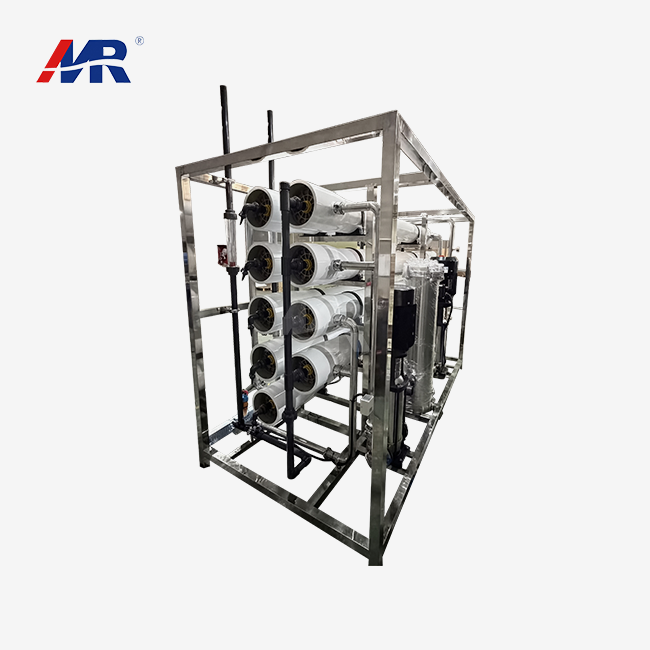 VIEW MOREro reverse osmosis water filter
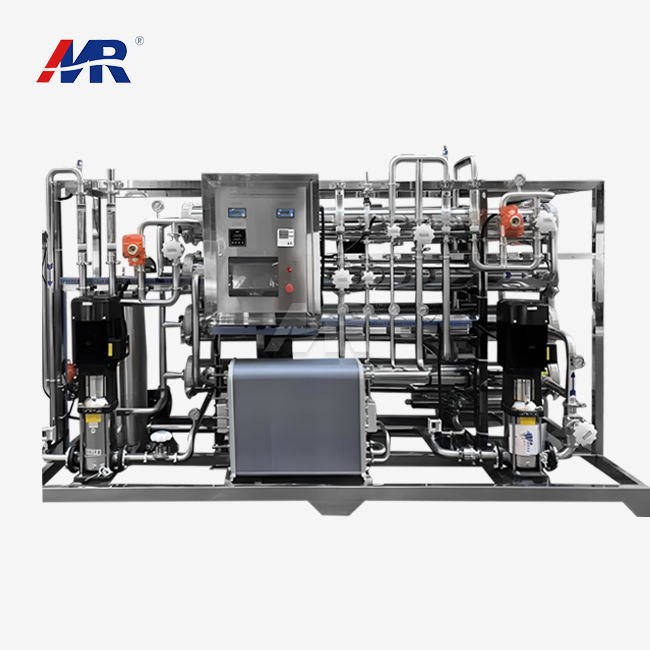 VIEW MOREelectro deionizer system
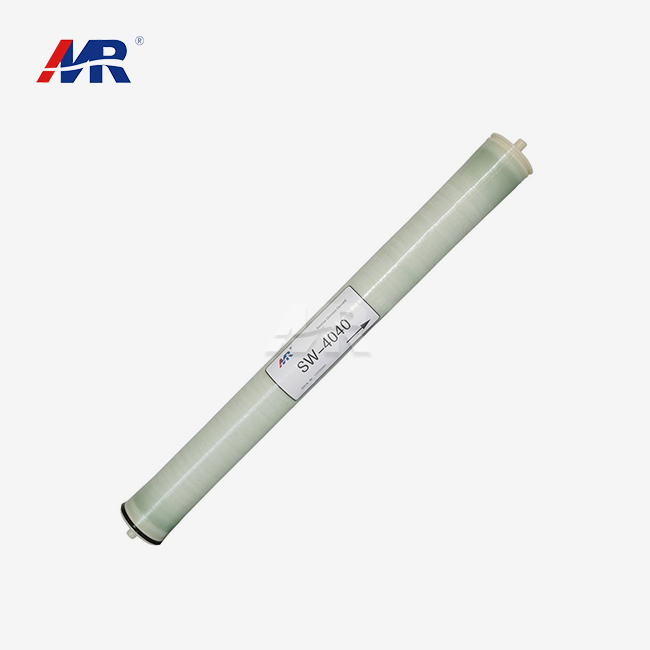 VIEW MOREswro membrane
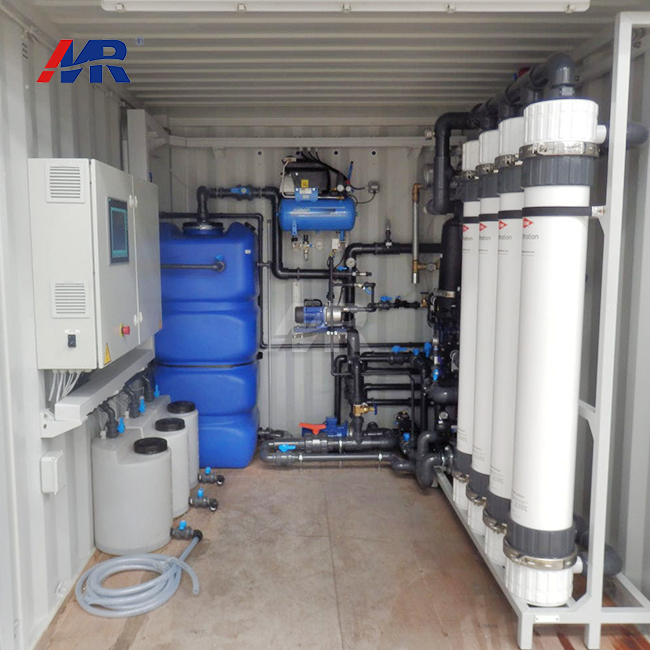 VIEW MOREcontainerized ultrafiltration equipment
