

_1745823981883.webp)

Top 5 Best Reverse Osmosis Wastewater Treatment Systems for Industrial Use
In the last ten years, industrial wastewater treatment has changed a lot. Reverse osmosis technology has become the best way to get rid of all contaminants. The top five reverse osmosis wastewater treatment systems for commercial use are very good at dealing with tough problems like heavy metal contamination, chemical leftovers, and getting rid of dissolved solids. If you set up a reverse osmosis system correctly, it will clean water very well and keep running costs low in the chemical, pharmaceutical, food processing, and manufacturing industries. This makes it an important investment for long-term business operations.

Introduction
When it comes to managing wastewater, modern manufacturing facilities face problems that have never been seen before. This is because regulations are getting stricter and running costs keep going up. Reverse osmosis technology is an important way to clean up industrial wastewater because it removes contaminants more effectively than any other method and supports long-term water reuse projects. It is very important to choose the right reverse osmosis system because these setups have to work in harsh industrial settings with lots of contaminants, changing water chemistry, and need to run all the time.
This complete guide is for procurement managers, expert decision-makers, and engineering workers who want to learn more about industrial reverse osmosis solutions based on facts. We know how hard it is to make choices about business-to-business purchases when technical requirements need to match budget limits while still ensuring long-term operating dependability. The next section looks at the best systems, technologies that can be compared, and useful selection criteria to help you make smart investment choices that will pay off in the long run by improving water quality, following rules, and running your business more efficiently.
Understanding Reverse Osmosis Wastewater Treatment Systems
Fundamental Technology and Core Components
Reverse osmosis is a membrane separation method that works by applying pressure. It successfully gets rid of dissolved salts, organic compounds, and solids from industrial wastewater streams. The technology uses semi-permeable membranes with pores about 0.0001 microns wide. These pores let water molecules pass through but block toxins based on how their size and charge interact. Industrial reverse osmosis systems use complex parts like high-pressure pumps, membrane housings, control systems, and tracking equipment to make sure they work well even when they are put through tough conditions.
The pre-treatment stage is very important for the life of the system. It includes sediment filtration, activated carbon adsorption, and chemical preparation to keep membrane elements from getting clogged up and scaling. Advanced control systems keep an eye on important factors like conductivity, pressure differences, and flow rates. This lets them make changes automatically that improve recovery rates while keeping water quality standards. Energy recovery devices are common in modern industrial installations. These devices take pressure energy from concentrated streams and use it to lower total power usage by up to 30%.
Superior Benefits and Operational Advantages
Industrial reverse osmosis systems are very good at getting rid of contaminants; they regularly get rid of more than 95% of dissolved salts and heavy metals. This performance capability lets sites follow strict rules for water release while also making it possible to reuse water, which greatly lowers the amount of freshwater used. The technology is especially useful in fields like pharmaceuticals, electronics making, and food preparation, where the quality of the Products depends on how pure the water is.
Another big benefit is that RO treatment makes it possible for hospitals to meet release standards that would need more than one type of treatment to achieve otherwise. It is easier to treat or get rid of the concentrated waste stream that is made when RO works because it has fewer contaminants and is more concentrated. It also saves a lot of money to be able to collect and reuse cleaned water, especially in places where the cost of freshwater gets more expensive or where availability remains limited.
Top 5 Reverse Osmosis Wastewater Treatment Systems for Industrial Use
Comprehensive Performance Evaluation Criteria
To choose the best commercial RO equipment, you need to carefully look at a number of performance factors that have a direct effect on how well the equipment works and how much it costs in the long run. The most important thing to think about is how well the contaminants are separated. The best systems consistently reject more than 95% of the pollutants they are looking for, and their performance stays stable even when the feed water conditions change. The facility's throughput ability must match its needs, taking into account both the current amount of production and the expected need for growth in the future.
Power efficiency is an important decision factor because the way an organization uses energy has a big effect on its prices. Modern systems have variable frequency drives, energy recovery devices, and better hydraulic designs that use less power while keeping the process working well. Durability factors include membrane life span, the dependability of system components, and the ability to withstand chemical cleaning methods that are needed for long-term use in harsh industrial settings.
Leading System Technologies and Specifications
There are several great reverse osmosis platforms on the market right now that are built especially for use with industrial wastewater. High-capacity spiral wound membrane systems work great for high-volume tasks because they can be set up in flexible ways that let the facility grow while keeping treatment standards the same. These systems usually have advanced tracking features, automated cleaning processes, and redundant parts that make sure they keep working even when repair is being done.
Specialized industrial setups meet the needs of certain industries. For example, pharmaceutical-grade systems must follow sanitary design principles and have the proof documents needed for GMP compliance. Using systems with special membrane chemicals that can handle harsh chemical conditions is helpful for chemical processes. In food and drink systems, the way things are set up stops bacteria from growing and keeps product safety standards high during the cleaning process.
Comparative Analysis: Reverse Osmosis System vs Alternative Industrial Water Treatment Solutions
Technology Comparison and Application Scope
Knowing how reverse osmosis stacks up against other treatment methods helps you make smart choices based on your application needs and practical limitations. Ultraviolet cleaning is very good at killing pathogens, but it can't get rid of the dissolved salts and chemicals that are common in industrial wastewater streams. Carbon filtration is good at getting rid of organic compounds and chlorine, but it's not good enough for complicated commercial uses that need to reuse water or meet strict discharge requirements.
Membrane bioreactors treat biologically with membrane separation. They work well for biodegradable organic compounds, but need longer treatment times and make biological sludge that needs to be handled more. Ion exchange devices are good at getting rid of certain dissolved species, but they are too expensive to use on the large number of contaminants that are usually found in industrial wastewater. A single step in the reverse osmosis process removes dissolved salts, organics, metals, and particles, making it a complete cleaning method.
Operational Impact and Scalability Considerations
Electric or physical operation has a big effect on how productive a system is, how much upkeep it needs, and how many people are needed to run it. Automated reverse osmosis systems have programmable logic controls, remote tracking, and predictive maintenance features that make treatment more effective with less work from the user. These systems change their working parameters immediately based on changes in the quality of the feed water. They also keep recovery rates at their best and start cleaning cycles when performance signs show that the membranes are getting clogged.
Manual systems need constant attention from the operator and don't have the advanced control features needed to consistently improve performance. They might work better in smaller centers with committed technical staff and less complicated treatment needs, though. When it comes to scalability, electric systems really shine in bigger sites, where consistent operation and the ability to watch from afar make the extra money spent on control infrastructure well worth it.
How to Choose the Right Reverse Osmosis Wastewater Treatment System for Your Industrial Needs?
Critical Evaluation Parameters
Before choosing a system, it's important to do a full study of the water quality to find out what chemicals need to be removed, how concentrated they are, and how the seasons may change treatment needs. The working pressure needs to be very different depending on the membrane design and the recovery rate that is wanted. Usually, industrial systems need to be between 150 and 400 PSI, but this depends on the specifics of the application. Finding the best recovery rate combines goals to save water with concerns about getting rid of concentrates. This needs a thorough study of local discharge rules and dumping costs.
System longevity is based on many things, such as how long the membrane should last in real-world conditions, how reliable each part is, and how well it stands up to chemical cleaning procedures. Leading makers give accurate estimates of how often upkeep and replacements will be needed by sharing thorough performance data from similar installations. Compatibility with current facility infrastructure, such as electricity systems, building layouts, and interaction with processes that come after, has a big effect on the cost of installation and the speed of operations.
Supplier Evaluation and Long-term Support
Supplier dependability goes beyond the quality of the original equipment and includes full expert help, spare parts availability, and support after the sale. Established makers keep up large service networks, offer remote tracking, and provide thorough training programs that make sure systems work at their best. Warranty coverage should include both repair of broken equipment and performance promises that protect against membrane failure before its time or maintenance needs that come up out of the blue.
With customization options, suppliers can meet the specific needs of industrial setups that are different from standard uses, such as those with limited room or special performance requirements. Scalability factors include plans for future capacity growth, the ability to connect to more treatment processes, and the ability to work with changing legal needs. Partnerships with suppliers who really understand the needs of industrial processes and offer ongoing expert help throughout the equipment lifecycle lead to the most successful installations.
Installation, Operation, and Troubleshooting of Industrial Reverse Osmosis Systems
Pre-Installation Planning and System Commissioning
A careful pre-installation site review that looks at room needs, utility availability, and integration points with current building infrastructure is needed for a RO system rollout to go smoothly. A well-prepared site has a good base, good drainage systems, and enough space for upkeep workers to get to it. Electrical needs include not only having a sufficient power source, but also being able to integrate the control system, install monitoring equipment, and shut down in an emergency.
For system commissioning, there are organized start-up steps that make sure all the parts are installed correctly, the control system is calibrated, and the system's first performance is checked. This process includes removing the membrane to preserve it, cleaning the system, and slowly putting pressure on the membrane to protect its parts during the first few hours of operation. Before going back to normal output, thorough performance testing records baseline conditions, sets working parameters, and confirms that the treatment works.
Routine Maintenance and Performance Optimization
Maintaining optimal reverse osmosis system performance requires careful planning of when to change filters, how to clean membranes, and how to keep an eye on system tuning. Depending on the quality of the feed water, pre-filters should be replaced every month to three months. Monitoring the pressure difference can help you figure out when it's time for a replacement early on. Cleaning the membrane can happen more or less often depending on how often it fouls, but it usually happens every three to six months using approved chemical cleaning methods.
Conductivity meters, pressure sensors, and flow measurement devices that give important practical feedback are all part of system calibration. Regular calibration makes sure that tracking data is correct, which lets you make smart choices about maintenance and make the best performance changes. Performance trends find small changes in how well a system works over time. This lets you do preventative maintenance that makes membranes last longer and reduces unplanned downtime.
Common Troubleshooting Challenges and Solutions
Low water flow is usually caused by membrane fouling, scaling, or not enough feed pressure. To find the root reasons, you need to do a thorough diagnosis. Monitoring the difference in pressure between membrane elements can show early signs of fouling, and analyzing the water quality can reveal the specific types of contaminants that are lowering performance. Scaling problems are usually caused by not enough pre-treatment or the wrong amount of chemicals being added, which means that antiscalant addition or pH control systems need to be changed.
Membrane clogging shows up as lower flow rates or worsening permeate quality. This needs to be fixed right away to avoid lasting damage. Biological fouling needs to be cleaned up using approved biocides, while chemical fouling might need special cleaning chemicals chosen based on a study of the contaminants. Leakage problems usually involve membrane housing seals, connection fittings, or the stability of the pressure tank. These need to be fixed right away to keep the system from breaking down and keep the operators safe.
Conclusion
Industrial reverse osmosis technology is the best way to treat wastewater completely. It can get rid of contaminants better than any other method and helps meet long-term water management goals. The five top systems that were looked at all performed exceptionally well in a wide range of industrial settings. The selection process was based on how well they separated materials, how much energy they used, and how reliable they were over time. To be successful, you need to carefully look at the needs of each application, do a full review of each supplier, and commit to using the right installation and upkeep methods that keep the system running at its best for as long as the equipment lasts.
FAQ
Q1: What maintenance intervals optimize industrial RO system performance?
Industrial reverse osmosis systems need regular repair plans that are tailored to their working conditions and the quality of the feed water. Depending on the amount of contamination, the pre-filter should be replaced every 30 to 90 days, and the membrane should be cleaned every three to six months, depending on how often it fouls. Monitoring pressure differences and permeate quality on a regular basis lets you know when maintenance is needed early on. This lets you take action that extends the life of the system and keeps treatment working well.
Q2: What water pressure requirements ensure efficient RO operation?
Pressures in industrial RO systems are usually between 150 and 400 PSI. The exact pressures needed depend on the type of membrane used, the rate of recovery that is wanted, and the saltiness of the feed water. Enough pressure makes sure that water flows properly through the membrane parts and that target contaminants are rejected at rates above 95%. Pressure tracking systems give constant input that lets machines make changes automatically to keep the best working conditions no matter how the feed water changes.
Q3: Can industrial RO systems handle heavily contaminated wastewater streams?
When set up correctly with the right pre-treatment systems, modern industrial reverse osmosis systems can clean up highly polluted wastewater. Pre-filtration gets rid of big particles and solids that are suspended in the fluid, and chemical treatment gets rid of scaling and fouling issues. High recovery rates can be achieved with multistage membrane designs, even when the feed water is difficult. Specialized membrane chemistries can also handle the harsh chemical conditions that are common in industrial settings.
Partner with Morui for Superior Industrial Reverse Osmosis Solutions
Morui is an expert in manufacturing industrial reverse osmosis systems. They can create unique wastewater treatment solutions that work better than expected and stay cost-effective for longer periods of time. Our all-around method blends cutting-edge membrane technology with skilled engineering to make sure that systems work perfectly in a wide range of industrial settings. Get in touch with our expert team at benson@guangdongmorui.com to talk about your unique needs and find out how our tried-and-true RO solutions can improve the way your facility manages water while also meeting regulations and saving you money in the long run.
References
1. Greenlee, L.F., Lawler, D.F., Freeman, B.D., Marrot, B., & Moulin, P. (2019). Industrial Membrane Technology Handbook: Reverse Osmosis Applications in Wastewater Treatment. Water Research Foundation.
2. Malaeb, L., & Ayoub, G.M. (2018). Advanced Reverse Osmosis Systems for Industrial Water Treatment: Performance Analysis and Economic Evaluation. Desalination and Water Treatment Journal.
3 Chen, X., Wang, K., & Liu, Y. (2020). Membrane Fouling Control in Industrial Reverse Osmosis Systems: Strategies and Best Practices. Journal of Environmental Engineering Technology.
4. Roberts, D.A., Johnston, E.L., & Knott, N.A. (2019). Industrial Wastewater Treatment Using Reverse Osmosis: Case Studies and Performance Optimization. Water Science and Technology International.
5. Kumar, M., Shukla, S.P., & Kumar, A. (2021). Energy Efficiency in Industrial Reverse Osmosis Systems: Design Considerations and Operational Strategies. Renewable and Sustainable Energy Reviews.
6. Thompson, R.B., Williams, C.J., & Anderson, M.K. (2020). Comparative Analysis of Industrial Water Treatment Technologies: Reverse Osmosis Performance and Cost-Benefit Assessment. Industrial Water Treatment Quarterly.
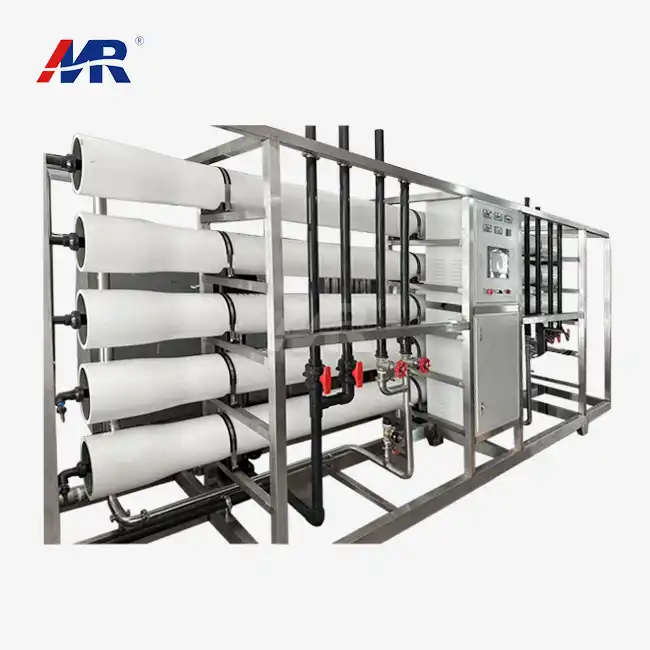 VIEW MORE25m3/hour reverse osmosis equipment
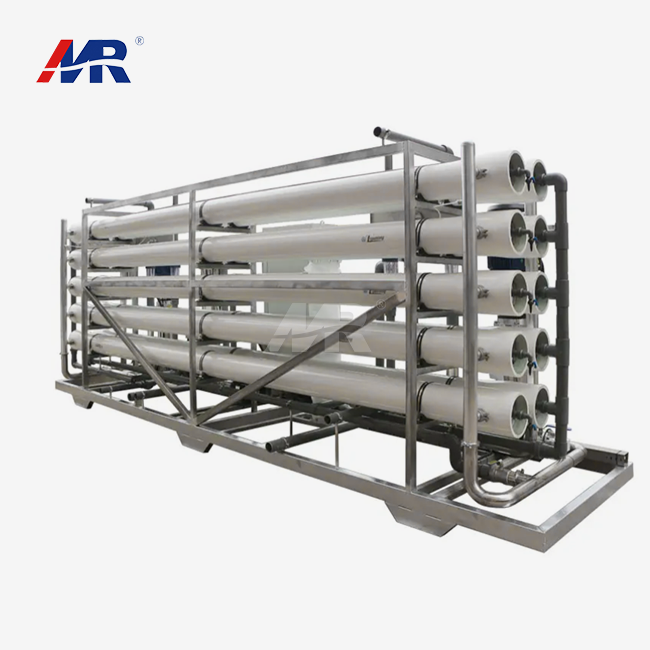 VIEW MOREbrackish water reverse osmosis systems
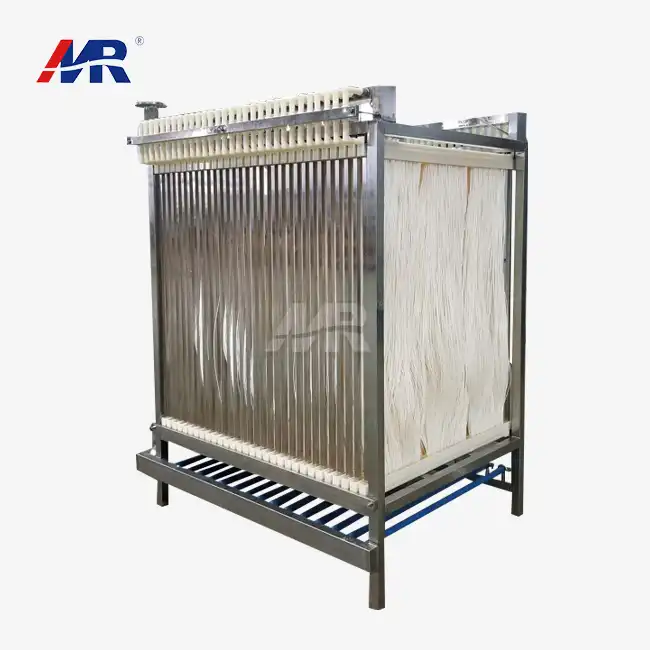 VIEW MOREMBR membrane
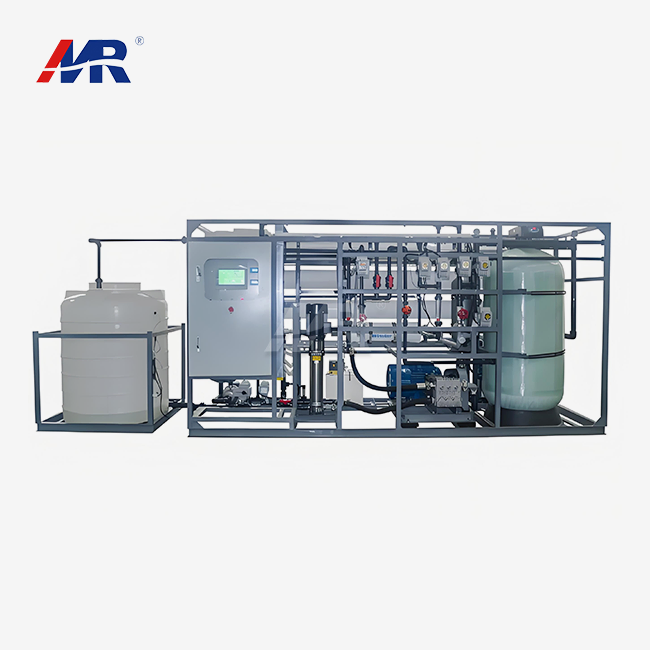 VIEW MOREseawater treatment system
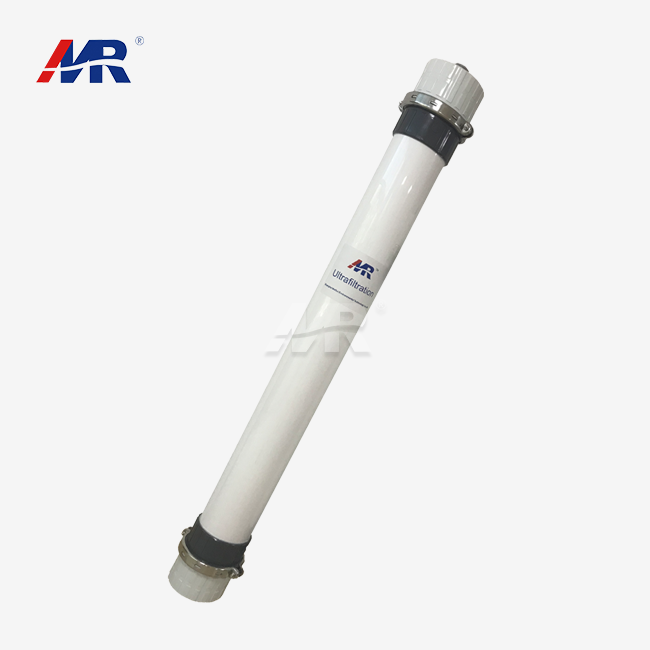 VIEW MOREultrafiltration membrane for wastewater treatment
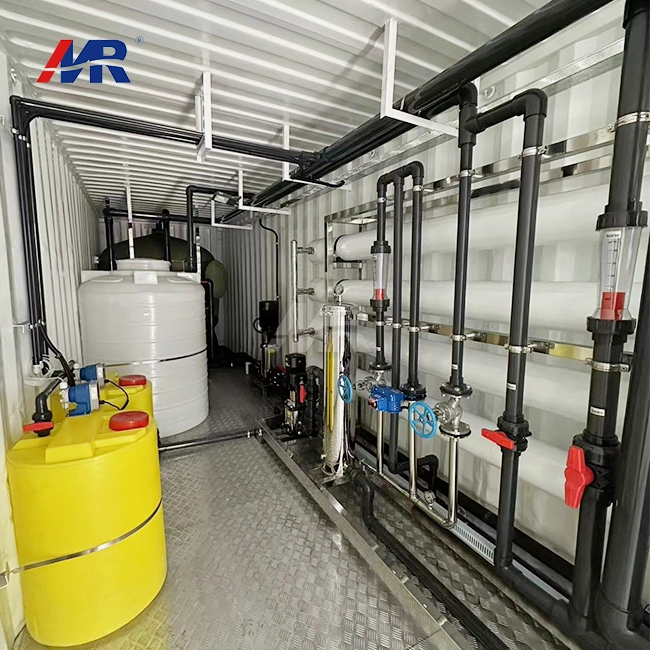 VIEW MOREcontainerized desalination plant
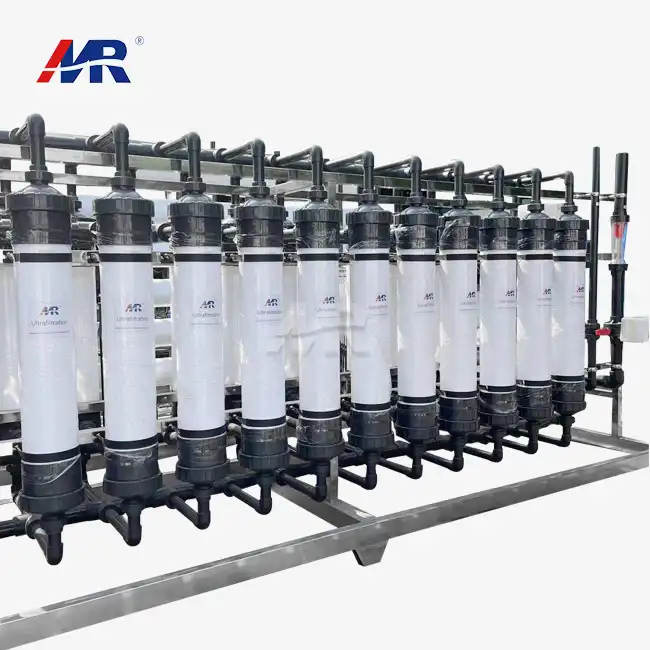 VIEW MORE30m3/hour ultrafiltration equipment
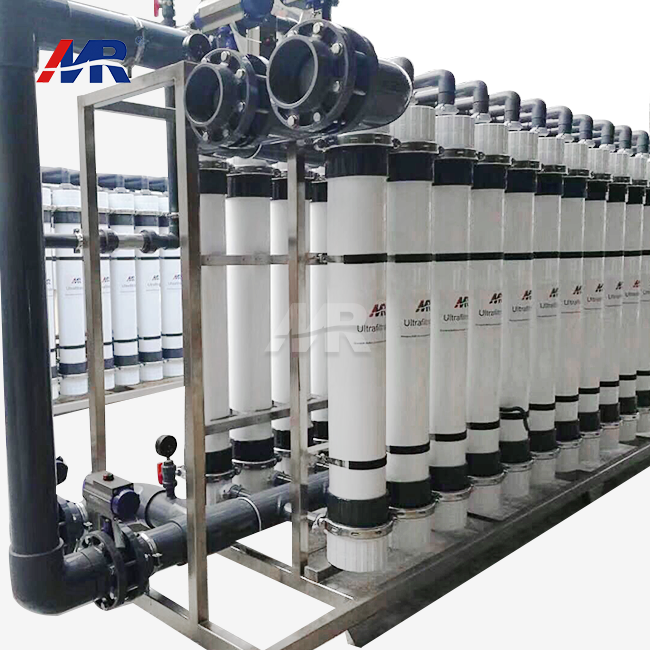 VIEW MOREultrafiltration water system
