

_1745823981883.webp)

Sustainable Water Treatment with EDI Plants: Innovations in Water Purification Technology
Electrodeionization (EDI) plants are a huge step forward in environmentally friendly water treatment technology. Ion exchange membranes and electrical current are used together in these cutting-edge systems to make ultrapure water without the need for chemical renewal. As companies are put under more and more pressure to have less of an effect on the environment, EDI plants provide a great way to clean water while using as few chemicals as possible and making as little waste as possible. By using continuous electrodeionization, these systems can keep the quality of the water good all the time while using less energy than other deionization methods. EDI technology is changing how many industries get the ultrapure water they need, from making medicines to making electricity. This piece talks about the cutting-edge features of EDI plants and how they are helping to make water treatment more environmentally friendly across many industries.

How EDI Reduces Chemical Use Compared with Traditional Mixed-Bed DI?
Chemical use is greatly reduced by electrodeionization systems compared to traditional mixed-bed deionization (DI) methods. This is one of their best features. In traditional mixed-bed systems, harsh chemicals like hydrochloric acid and sodium hydroxide are used for regeneration processes that happen regularly. This not only makes things more expensive, but it also puts people and the world at risk.
EDI technology, on the other hand, is an ongoing process that regenerates itself, so these chemical regenerants are not needed. The key is in the way it's made:
Membrane Configuration
Ion exchange membranes are stacked in a "stack" on top of each other in edi systems. Cation and anion exchange membranes switch places to make different areas for stream concentration and dilution.
Electrical Current
A straight current of electricity is sent through the membrane stack. This current powers the ion exchange process, which takes ions out of the feed water all the time.
Resin Beads
Ion exchange resin beads are in the sections for diluting. These beads help get rid of ions better, and the electrical field keeps them renewed, so there's no need for separate chemical renewal steps.
Chemical reduction at EDI plants can be improved in several important ways by using these parts:
- Elimination of regenerant chemicals: For resin renewal, there is no longer a need for acidic or caustic solutions.
- Less waste is made because used regenerants don't need to be thrown away during chemical regeneration processes.
- Better safety: less handling and keeping of dangerous chemicals on-site.
- Consistent water quality: the operation that never stops keeps output stable, so there are no breaks between regeneration processes.
EDI doesn't use any chemicals, which not only cuts down on direct costs but also meets the needs of stricter environmental laws and business sustainability goals. EDI technology is a great alternative to standard mixed-bed DI systems for businesses that want to reduce the amount of chemicals they use.
Energy and Lifecycle Benefits of Continuous Electrodeionization Systems
EDI plants' main benefit is that they use fewer chemicals. However, these systems also have big energy and lifetime benefits that make them more environmentally friendly. Industries that want to know how their decisions about water treatment will affect things in the long run need to understand these factors.
Energy Efficiency
There are a few reasons why continuous electrodeionization systems naturally use less energy than other deionization methods:
- Modern EDI plants usually need less than 0.1 kWh/m³ of cleaned water, which means they use very little electricity.
- No more downtime for regeneration: EDI works nonstop, while mixed-bed systems need to be offline for regeneration regularly. This makes it more productive.
- Better removal of ions: The electrical field exactly controls the movement of ions, which wastes less energy than chemical regeneration processes.
These energy savings can add up to big savings over the life of the system, especially in situations where a lot of it is used.
Extended Equipment Lifespan
EDI plants have a longer operational lifespan than standard DI systems because of how they are built:
- Less mechanical stress: EDI parts wear out less quickly because they don't have to go through as many backwashing and regeneration processes.
- Minimal chemical exposure: Since there aren't any harmful regenerants, membranes and other system parts don't break down.
- Stable performance: Continuous operation keeps things the same, so there is no stress from having to start up and shut down often.
This longer life not only lowers the cost of replacement, but it also reduces the damage that making and throwing away water treatment equipment does to the earth.
Lifecycle Cost Analysis
When looking at the overall cost of ownership, EDI plants often show better value over the course of their useful life:
- Lower running costs: Less money spent on chemicals, energy, and labor leads to long-term savings.
- Minimized downtime: The general system availability goes up because it runs continuously and needs maintenance less often.
- Simplified logistics: Not having to send and store chemicals cuts down on the costs and risks that come with them.
- Performance that you can count on: stable output quality makes it easier for processes and quality control measures that come after.
An EDI system may cost more to buy at first than a standard mixed-bed DI system, but it usually has a lower total cost of ownership over time because it has more benefits. Because of this, EDI is a good choice for businesses that want to treat water in a way that is good for both the economy and the environment.
Use Cases: Pharma, Power, and Semiconductor Ultrapure Water Streams
Because they are so flexible and reliable, EDI systems are essential in fields that need ultrapure water. Let's look at how EDI technology is used in three important areas: making drugs, making electricity, and making semiconductors.
Pharmaceutical Industry
When making medicines, clean water is very important for ensuring the quality of the Products and the safety of the patients. EDI plants are very important for making Water for Injection (WFI) and clean water that passes strict government standards:
- Consistent quality: EDI systems keep the output resistivity above 18 M··cm, which is higher than what is required by USP and EP.
- Lower chance of microbes: The chemical-free process makes it less likely that bacteria will grow and biofilm will form.
- Compliance benefits: EDI is in line with Good Manufacturing Practice (GMP) rules, which means that fewer chemicals are used and process control is better.
Case Study: A big pharmaceutical business put in place an EDI system for WFI production. This cut their operating costs by 30% while still meeting all the rules set by the government.
Power Generation
Ultrapure water is used in boiler feedwater and cooling systems in the power business. In this case, EDI technology has several benefits, including:
- Protecting important equipment: High-purity water keeps fans and heat exchangers from rusting and building up scale.
- Better efficiency: stable water quality makes heat transfer and steam production work better.
- Less boiler blowdown: EDI-treated water needs less boiler blowdown, which saves water and energy.
Case Study: An EDI system was added to the water treatment train of a coal-fired power plant. This cut the use of chemicals by 95% and made the plant more efficient overall by 2%.
Semiconductor Manufacturing
To keep chip production from going wrong, the semiconductor business needs the purest water possible. EDI systems are perfect for meeting these strict needs:
- Ultrahigh purity: EDI can reach values of resistivity as high as 18.2 M·cm, which is necessary for advanced semiconductor processes.
- Low TOC levels: EDI gets rid of organic contaminants well, which is important for keeping wafers' surfaces clean.
- Controlling particles: The membrane-based method adds another barrier against particle contamination.
Case Study: A top facility for making semiconductors installed a large-scale EDI plant, which cut water use by 20% while keeping important impurities below ppb levels.
These use Cases show how flexible and useful EDI technology is in a wide range of business settings. As rules about water quality get stricter, EDI plants provide a long-lasting and dependable way to make ultrapure water streams that meet the specific needs of each business.
Conclusion
Electrodeionization (EDI) plants are a big step forward in environmentally friendly ways to treat water. EDI systems have many benefits that make them very useful in many fields. They drastically cut down on the use of chemicals, make energy use more efficient, and provide stable ultrapure water quality. Adopting EDI technology is leading to better process efficiency, environmental sustainability, and legal compliance in many industries, from making drugs to making power and semiconductors.
It's very important to come up with new ways to clean water because the world's water needs are growing, and environmental rules are getting stricter. EDI plants are at the forefront of this technological progress because they make ultrapure water without using chemicals and with little energy. EDI is a good investment for industries that want to move forward because it lowers operational costs, has less of an effect on the environment, and makes processes more reliable over time.
Businesses that want to improve the way they treat water should look into the possibilities of EDI technology. This is an important step toward achieving goals for both economic and environmental sustainability. As technology keeps getting better, EDI systems will likely be even more useful and efficient in our quest for cleaner, more environmentally friendly manufacturing processes.
FAQ
Q1: What is the typical lifespan of an EDI plant?
A: An EDI plant's life span depends on how it is used and how often it is maintained, but it usually lasts between 7 and 10 years. Some systems can work well for 15 years or more if they are well taken care of and the membrane is replaced every so often. Regular maintenance and monitoring are important for making sure that an EDI system lasts as long as possible.
Q2: How does the water recovery rate of EDI compare to traditional deionization methods?
A: EDI systems usually get more water back than traditional mixed-bed deionization systems. While mixed-bed systems may have recovery rates around 80-85%, new EDI plants can achieve recovery rates of 90-95% or higher. This increased efficiency means that a lot less water is used, especially in large-scale projects.
Q3: Can EDI technology be added to water treatment systems that are already in place?
A: Yes, EDI technology can often be added to or replaced by traditional deionization units in water treatment systems that are already in place. Because EDI stacks are modular, there are many ways to install them. However, proper pre-treatment, including reverse osmosis, is usually required to ensure optimal EDI performance. A thorough assessment of the existing system and water quality requirements is important to identify the best integration approach.
High-Efficiency EDI Plants for Ultrapure Water Production | Morui
Are you looking to update your water treatment system with cutting-edge EDI technology? Guangdong Morui Environmental Technology Co., Ltd. specializes in providing state-of-the-art EDI plants tailored to your unique industry needs. Our expert team can help you through the selection, installation, and optimization process to ensure you achieve the highest levels of water purity with maximum efficiency.
Whether you're in pharmaceuticals, power generation, or semiconductor manufacturing, our EDI solutions are designed to meet the most demanding water quality standards while lowering your operational costs and environmental footprint. With our complete service options, including equipment supply, installation, commissioning, and ongoing support, we ensure a seamless transition to advanced water purification technology.
Don't let outdated water treatment methods hold back your activities. Contact us today to explore how our EDI plants can change your water purification processes. Email benson@guangdongmorui.com to book a consultation and take the first step towards more sustainable, efficient water treatment.
References
1. Johnson, A. R., & Smith, B. T. (2021). Advances in Electrodeionization Technology for Sustainable Water Treatment. Journal of Environmental Engineering, 147(3), 04021001.
2. Chen, X., Liang, L., & Zhang, Y. (2020). Comparative Analysis of Energy Consumption in EDI and Mixed-Bed Deionization Systems. Desalination and Water Treatment, 184, 131-140.
3. Pharmaceutical Manufacturing Association. (2022). Guidelines for Water Purification in Pharmaceutical Production. 5th Edition.
4. International Association of Power Engineers. (2021). Best Practices for Boiler Feedwater Treatment Using EDI Technology. Technical Report TR-2021-03.
5. Semiconductor Industry Association. (2023). Ultrapure Water Requirements for Advanced Node Manufacturing. Industry Standard IS-2023-UPW.
6. World Water Council. (2022). Global Water Treatment Technology Outlook: 2022-2030. Annual Report.
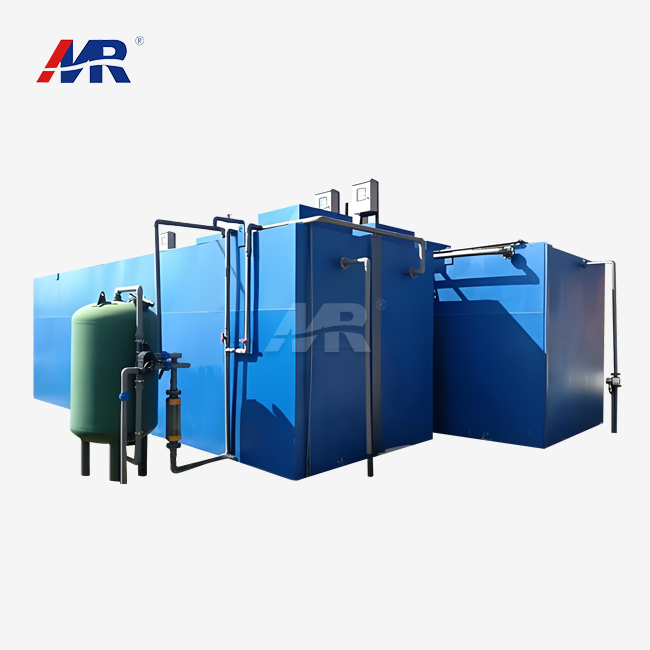 VIEW MOREsewage treatment plant
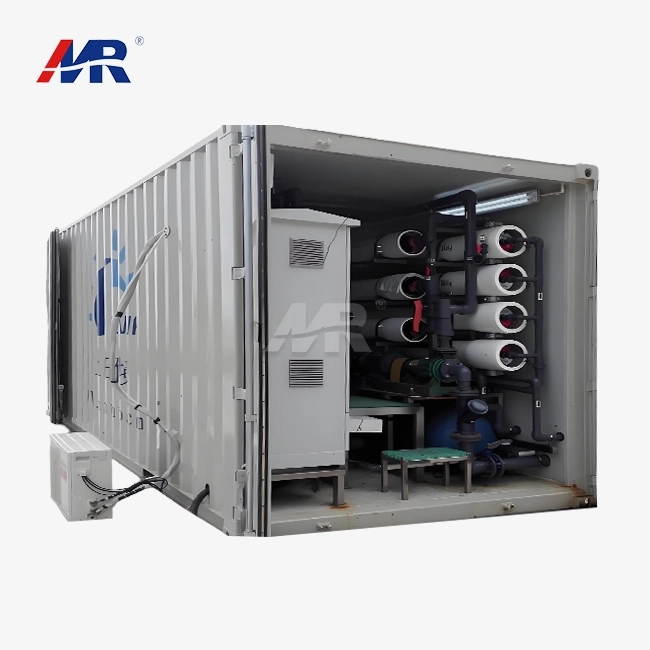 VIEW MOREcontainerized ro systems
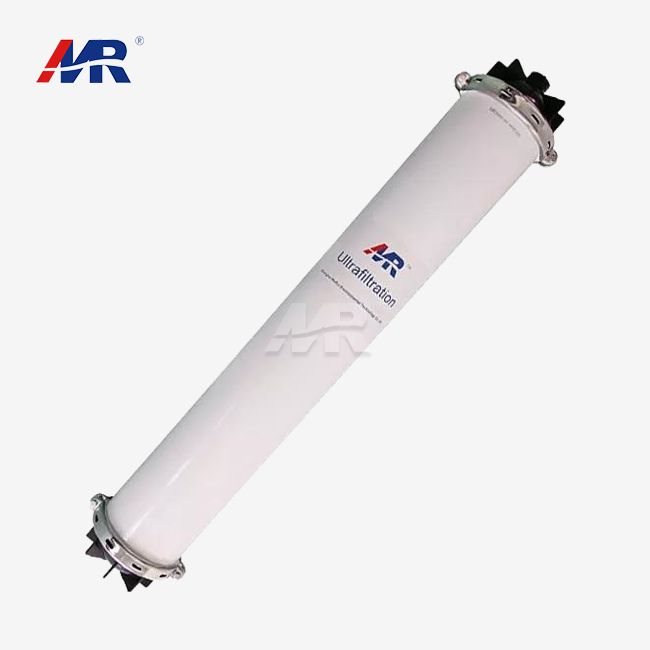 VIEW MOREultrafiltration membranes for water treatment
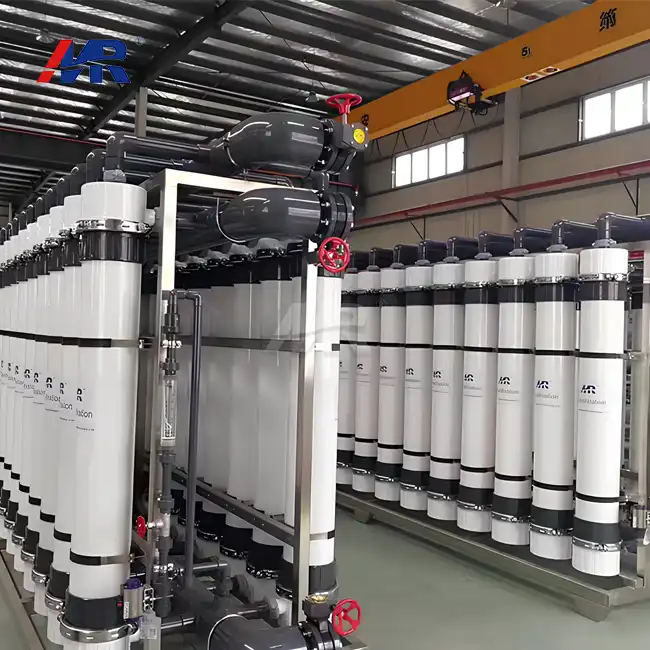 VIEW MORE200m3/hour UF plant
 VIEW MOREindustrial reverse osmosis membrane
 VIEW MOREDisc Tube Reverse Osmosis
 VIEW MORE100T/H ultrafiltration equipment
 VIEW MORE2000m3/day ultrafiltration equipment
