

_1745823981883.webp)

Essential Maintenance Tips to Keep Your Sewage Treatment Plant Running Efficiently
To keep people healthy and the world safe, it's important to keep Sewage Treatment Plant and water treatment plants in good shape. Things work better, last longer, and help businesses meet government standards when they are kept regularly. You can keep your sewage cleaning system in good shape by following the steps in this full guide. The company can cut down on downtime, save money, and make sure that the quality of the water always stays the same this way. Checking your wastewater treatment systems often and planning for preventative repair are two important things you can do to keep them in good shape and avoid breaking down. If you are in charge of a city facility or an industrial plant, these tips from professionals will help you improve the reliability and effectiveness of the way you treat water.

Implementing a Comprehensive Preventive Maintenance Program
To stay in good shape, sewage treatment plants need well-thought-out plans for repairs. You can find and fix small issues before they get too big. So, things are less likely to break down and need pricey repairs out of the blue. Here are some important parts of your plan for preventative maintenance:
Equipment is checked all the time
Check all the important parts of the tools often for damage and to make sure they work. This has control systems, fans, pumps, filters, and clarifiers. Look for signs like wear, rust, leaks, or strange noises to know that something is wrong. Keep track of how things change over time to figure out when they might need to be fixed or replaced. Note down what was found when you checked.
Information on how to clean and grease
A big part of keeping motor parts in good shape is putting oil on them. Make a plan for how to grease all the gears, bearings, and other moving parts based on what the maker says and how they will be used. Clean the surfaces, sensors, and instruments of your tools often to keep them free of dirt and living things that could slow them down.
Putting together things to watch
To stay on top of the process and follow the rules, you need to keep accurate records. Tools like pH monitors, flow meters, dissolved oxygen probes, and more should be adjusted often. This makes sure that reports on operations and compliance are always right.
Replacement of Parts at Set Times
Find the parts that can be fixed and get new ones before they break. Things like filter media, UV light, and membrane parts could be in this group. It can be helpful to have important extra parts on hand for when they need to be changed.
A lot of records and papers
Like, write down everything you check, fix, or update as part of your maintenance. You should keep these papers to show that you're following the rules and to keep track of the past of the hardware. IT-based maintenance management systems (CMMS) might help you keep track of things and make it easier to send out work orders.
Optimizing Biological Treatment Processes
Sewage treatment plant biological treatment methods are the most common way that sewage treatment systems work. Microbes break down organic garbage and extract nutrients out of wastewater during these processes. To handle these biological populations well, it's vital to preserve them in the greatest possible conditions. To make biological processes work better, try these ideas.:
Watching over and managing Important Factors
Check on crucial things like pH, temperature, dissolved oxygen levels, and nutrient concentrations on a regular basis. Change the aeration rates, chemical dosing, and recirculation flows as needed to keep the ideal conditions for microbes to grow. Use automatic control mechanisms whenever you can to keep things running smoothly.
Keeping an eye on how long sludge stays in place
To establish a balance between good treatment and too many solids building up, keep the proper sludge age or solids retention time (SRT). Regularly check the levels of mixed liquor suspended solids (MLSS) and modify the rates at which you throw them away as needed. This is the best technique to get rid of nutrients and keep the proper amount of bacteria.
How to Handle Filamentous Growth?
Watch out for too much growth of filamentous bacteria, which can make sludge settle poorly and cause other difficulties with operations. When you need to, use methods like selector zones, step-feed arrangements, or adding chemicals to keep filamentous organisms from growing.
Adding food
If the wastewater coming in doesn't contain enough nutrients for the greatest biological activity, you could want to add nitrogen or phosphorus sources. This can help meet targets for the quality of the effluent and make the treatment process more efficient in general.
Adding more bio
You might wish to think about bioaugmentation projects if your operations have to deal with difficult effluent or changing loads. Adding different kinds of bacteria can help the treatment function better by speeding up the breakdown of some contaminants.
Enhancing Energy Efficiency and Sustainability
Making sewage treatment more energy efficient not only saves money on running costs, but it also helps the environment. Use these tips to make the most of your energy use and look into renewable energy options:
Do energy audits
Do thorough energy audits to find places where energy use is high and ways to make things better. This could mean looking at how well pumps and blowers work, how well lighting systems work, and how well HVAC equipment works.
Use Variable Frequency Drives (VFDs)
Put VFDs on big motor-driven machines like pumps and blowers. This lets you manage the speed of the motors very precisely to meet actual demand, which cuts down on energy use a lot when the flow or load is low.
Improve Aeration Systems
Aeration usually uses a lot of energy in biological treatment operations. consume modern aeration technology like fine-bubble diffusers, automated dissolved oxygen control, and others to make oxygen transmission more efficient and consume less energy.
Look into renewable energy sources
Think about putting up solar panels or biogas recovery equipment to make renewable energy on-site. Anaerobic digestion of sewage sludge at the sewage treatment plant can provide biogas that can be used to make both heat and power, which can help lower the energy expenses of a facility.
Recovering Heat
Look for ways to get heat back from effluent streams or systems that cool equipment. You can utilize this recovered energy to heat processes or adjust the climate in buildings, which will lower your overall energy use even more.
Frequently Asked Questions
1. How often should the equipment in a sewage treatment plant be checked?
How often the equipment in a sewage treatment plant is checked depends on the part and how vital it is. You should inspect significant pieces of equipment like pumps, blowers, and clarifiers every day or every week. Once a month or every three months, more detailed tests including oil sample and vibration analysis may be done. Always do what the manufacturer says, but adjust things up based on how your plant works.
2. What are the most essential signals that the biological processes in a sewage treatment plant are running right?
The concentration of mixed liquid suspended solids (MLSS), the volume of sludge (SVI), the amount of dissolved oxygen, and the quality of the effluent (BOD, COD, and nutrient contents) are all crucial markers of how well a biological process is working. You may also learn a lot about the health and variety of the microbial population by looking at activated sludge under a microscope on a regular basis.
3. How can a sewage treatment plant cut down on its energy use?
Sewage treatment plants can use less energy in a number of ways, such as by adding variable frequency motors to pumps and blowers and fine-bubble diffusers and automated DO control to improve aeration systems. - Changing to energy-efficient lighting and HVAC systems - Getting biogas back from anaerobic digestion to supply power on-site - Setting up technology to recover heat - Regularly checking energy use to discover and rectify problems
High-Efficiency Sewage Treatment Solutions | Morui
Are you ready to make your sewage treatment work better? Guangdong Morui Environmental Technology Co., Ltd. has cutting-edge solutions that improve efficiency, lower energy use, and make sure that environmental rules are always followed. Our Team of professionals can look at your facility's demands and provide you specific suggestions for how to improve your equipment, streamline your processes, and keep everything running smoothly. We can help you improve the performance of your sewage treatment plant with everything from innovative membrane bioreactors to energy-efficient aeration systems. Email us at benson@guangdongmorui.com to find out how we can assist you reach your goals for operations and sustainability.
References
1. Environmental Protection Agency. (2021). "Wastewater Technology Fact Sheet: Sewage Treatment Plant Operations and Maintenance." EPA Office of Water.
2. Water Environment Federation. (2020). "Manual of Practice No. 11: Operation of Municipal Wastewater Treatment Plants." 7th Edition. WEF Press.
3. Metcalf & Eddy. (2019). "Wastewater Engineering: Treatment and Resource Recovery." 6th Edition. McGraw-Hill Education.
4. Journal of Environmental Management. (2022). "Energy Efficiency in Wastewater Treatment Plants: A Comprehensive Review." Volume 305.
5. Water Research. (2021). "Advances in Biological Wastewater Treatment: Microbial Ecology, Process Control, and Resource Recovery." Volume 188.
6. American Water Works Association. (2023). "Optimizing Sewage Treatment Plant Performance: Best Practices for Maintenance and Operations." AWWA Manual M60.
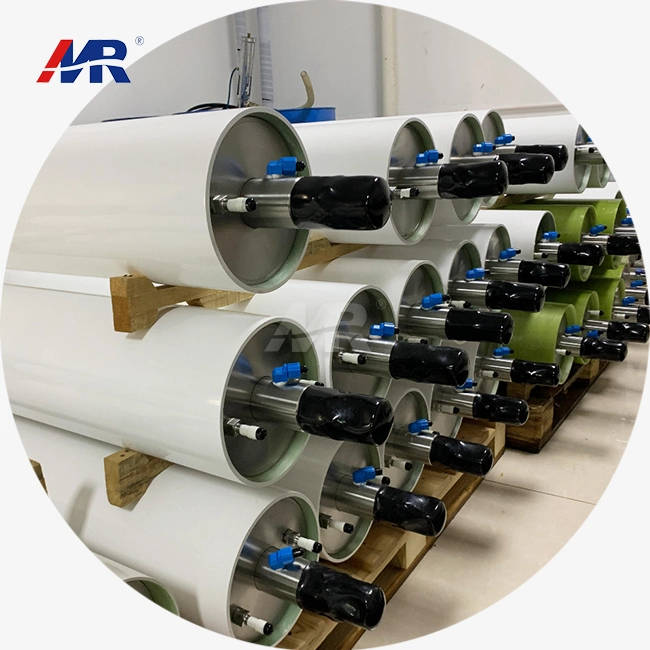 VIEW MORELandfill Leachate Treatment Plant
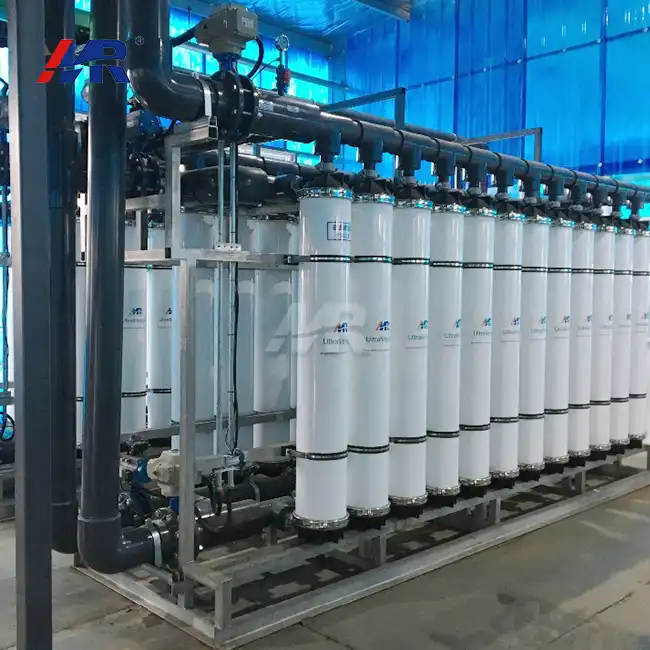 VIEW MORE50m3/hour ultrafiltration plant
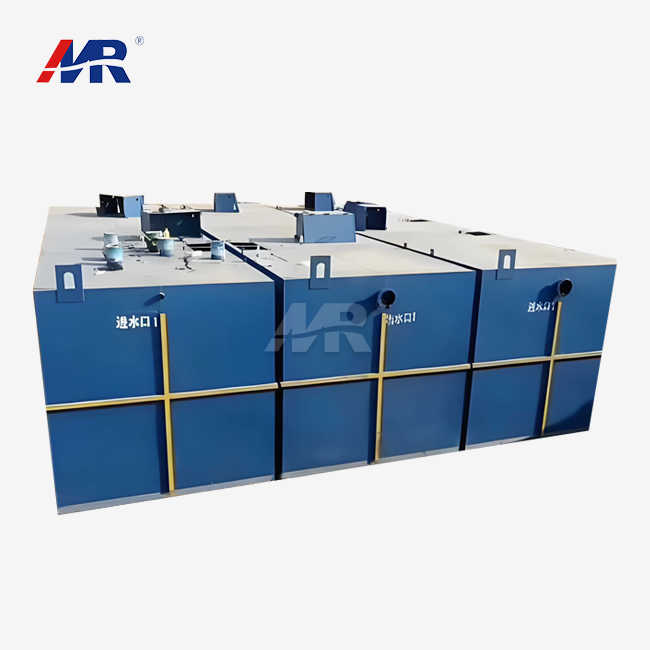 VIEW MOREcommercial sewage treatment plant
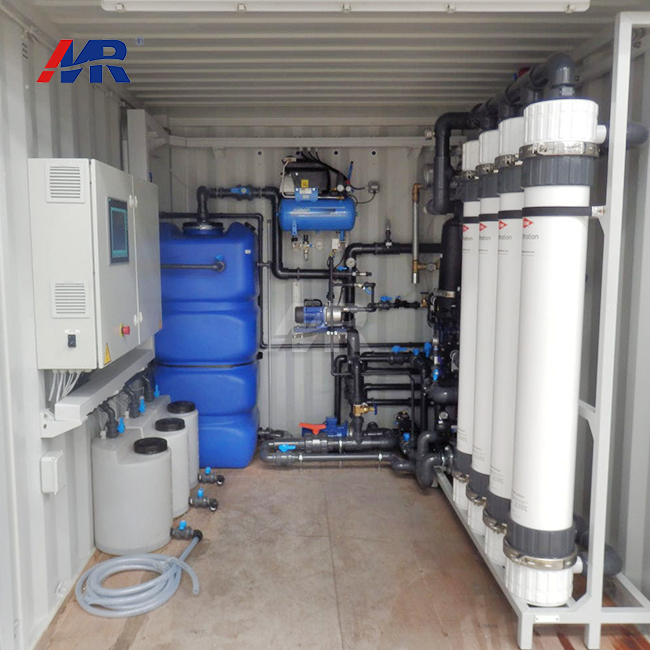 VIEW MOREcontainerized ultrafiltration equipment
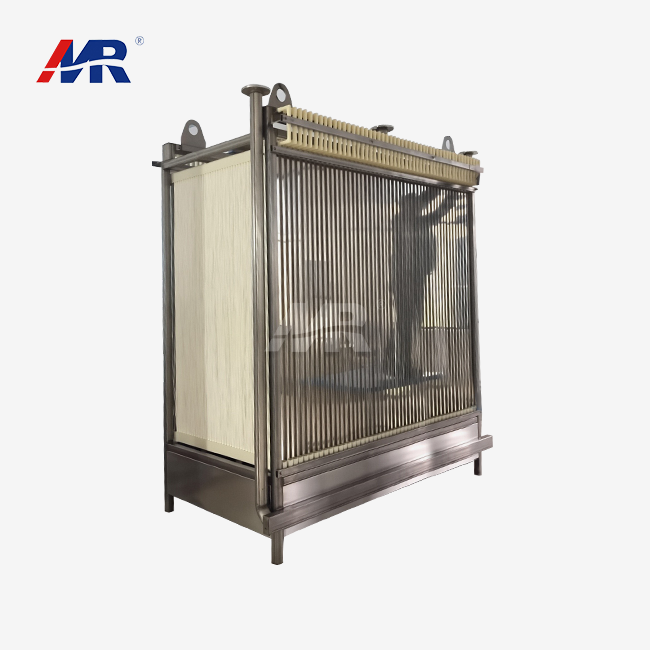 VIEW MOREsubmerged membrane bioreactor
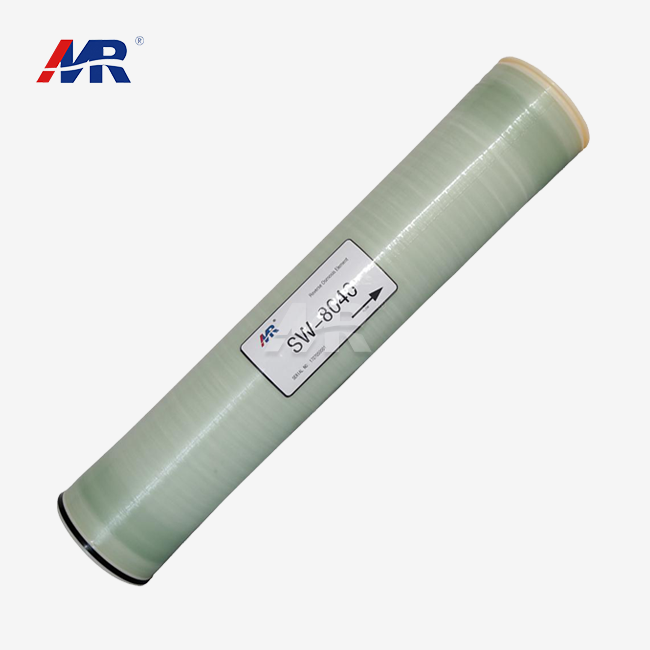 VIEW MORE8040 seawater reverse osmosis membrane
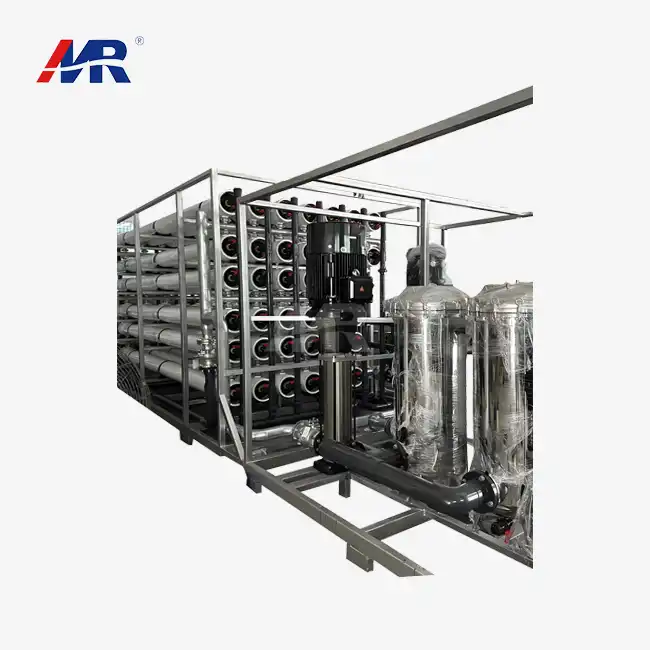 VIEW MORE150m3/hour reverse osmosis plant
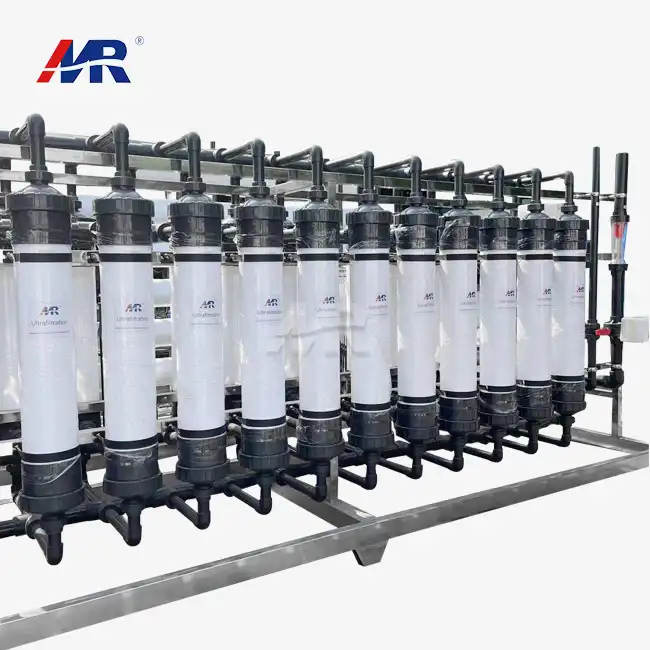 VIEW MORE30m3/hour ultrafiltration equipment
