_1745823981883.webp)

Best Water Ultrafiltration Systems for Drinking Water: Choosing the Right One
The best way to make sure that homes and businesses have safe, clean drinking water is to use high-tech water Ultrafiltration Equipment. These advanced filters use a membrane that lets some things through but not others to get rid of dirt and other things. They make water that is very clean and follows tight guidelines for health and safety. But you have a lot of options. How do you choose the best ultrafiltration system for your needs? This full guide will help you choose the best water ultrafiltration system for drinking water by going over the most crucial aspects to consider about. This will assist keep your clients or family safe and healthy.

Understanding Water Ultrafiltration Technology
You should learn how water ultrafiltration works before you pick one. Ultrafiltration is a kind of membrane filtration that employs pressure to push water through a membrane with very small holes that only let certain things through. Most of the time, these holes are between 0.01 and 0.1 micrometers wide. This means that water molecules can get through, but germs and viruses can't.
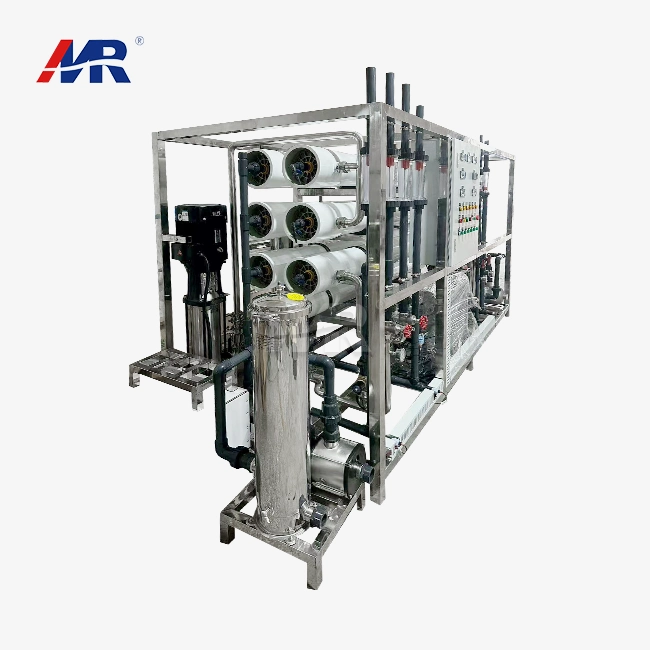
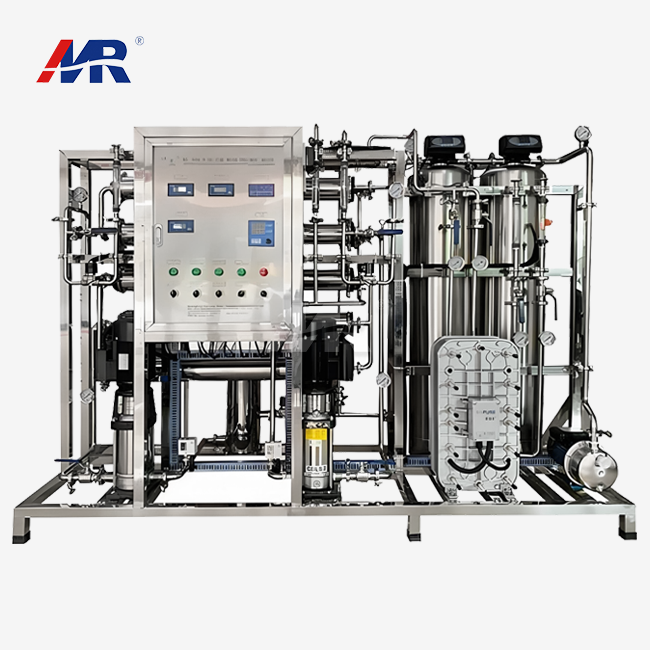
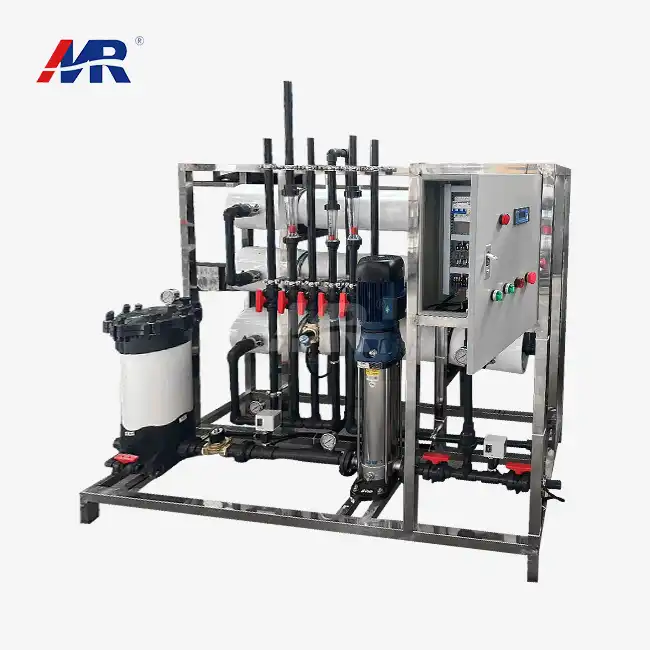
Important Parts of an Ultrafiltration System
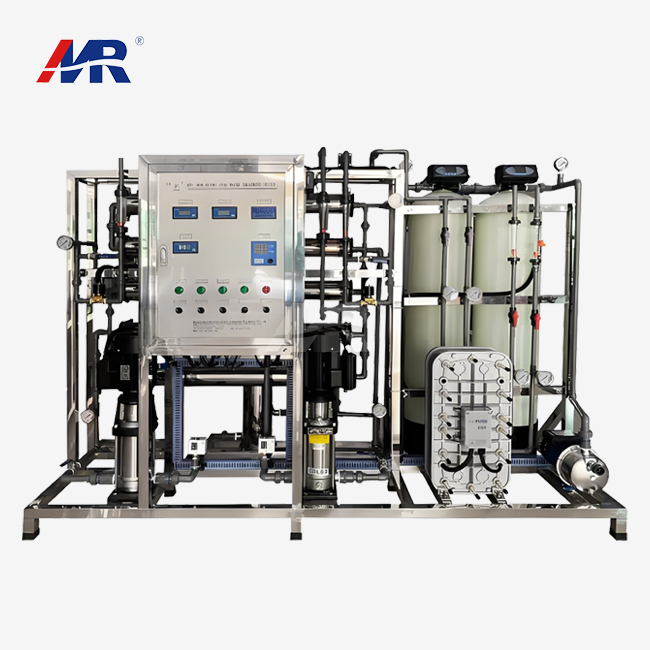
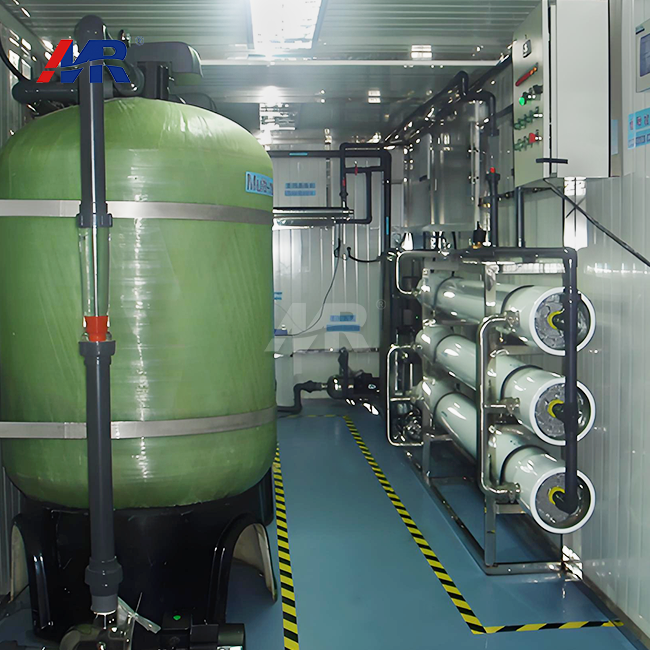
These are some of the most critical features of a normal ultrafiltration system:
- Pre-filters take out bigger things to keep the ultrafiltration membrane safe.
- The ultrafiltration membrane is the most important part of the system since it cleans.
- Pump: It puts the right amount of pressure on the water so that it can pass through the membrane.
- The control system takes care of the backwashing cycles and the filtering process.
- Depending on how it will be used, it could include UV disinfection or adding minerals following treatment.
You may compare different systems and see what they can do if you know these parts.
Factors to Consider When Choosing an Ultrafiltration System
Before you pick the correct ultrafiltration system, you need to consider about a lot of things to make sure it fulfills your needs and works as well as possible.
Water Quality and Pollutants
The first thing you need to do to pick an ultrafiltration system is test your water to see how clean it is and what pollutants you need to get rid of. Ultrafiltration can get rid of a variety of common pollutants, like
- Protozoa and bacteria
- Viruses (with the correct size pore)
- Floating solid particles
- Colloids are made up of particles.
- Some organic things
You might want to check your water to find out what it's made of and how bad it is. This information will help you choose the right system with the right filtering power.
Flow Rate and Capacity
You should think about how fast and how much the ultrafiltration system can do its job. These specifications tell you how much water the system can handle in a certain amount of time. When you buy a water heater for your home, think about how much water your family uses every day and when they use it the most. Find out how much water all of the machines and processes need for business or industrial use.
You need to pick a solution that can handle your highest demand without making the filtering less effective. If a system is too tiny, it can lose pressure and not work as well. It can cost more and waste energy if it is overly huge.
The size and kind of the pores in the membrane
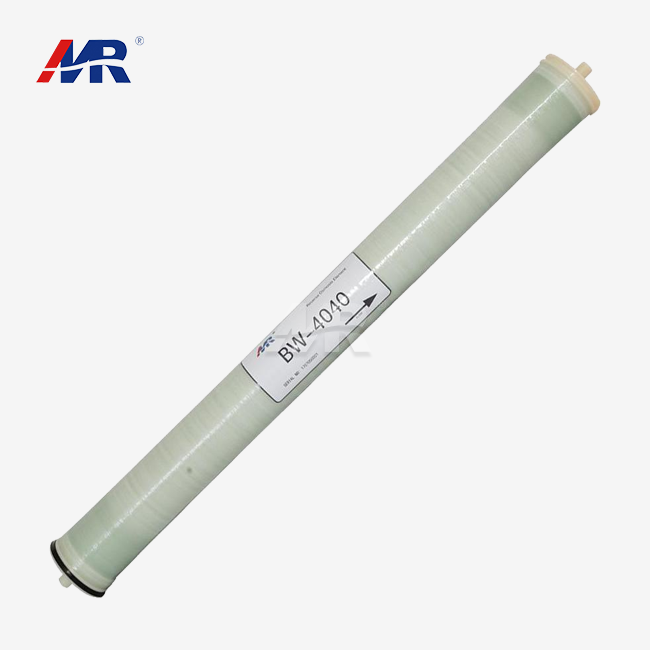
The membrane is the most important part of any ultrafiltration plant, and how well the system works depends a lot on its properties. Things to think about are:
- Pore size: Usually between 0.01 and 0.1 micrometers. Smaller holes make better filters, but they could need more pressure to perform.
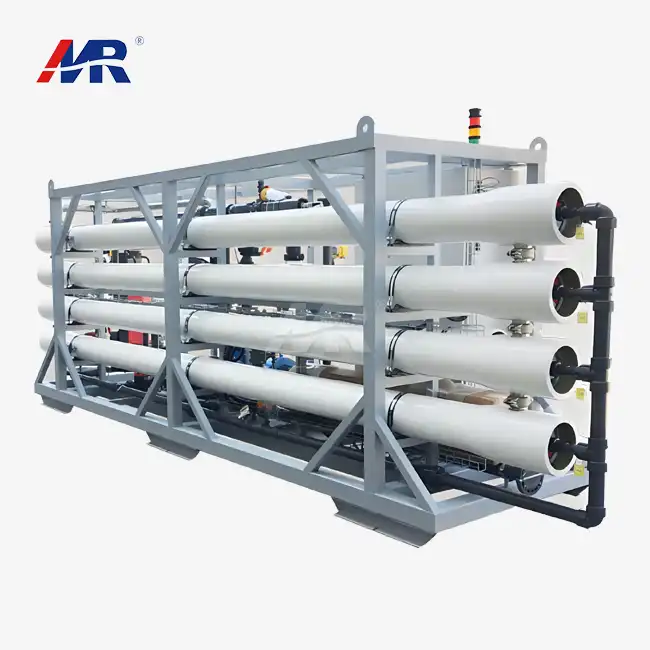
- What the membrane is formed of: Polysulfone, polyethersulfone, and polyvinylidene fluoride (PVDF) are some of the most common materials. They all have their own good and bad points when it comes to how long they endure, how well they resist chemicals, and how well they fight getting dirty.
- Room on the surface: A membrane with a bigger surface area might filter more and work better.
Find a membrane that meets your demands by looking for one that filters well and performs rapidly.
Evaluating System Performance and Efficiency
You should check how effectively and how quickly the solutions you find that suit your basic needs work to make sure they will keep you happy and save you money in the long run.
How well it helps to get rid of?
You can assess how well an ultrafiltration system cleans water by looking at its removal efficiency. Find devices that can quickly get rid of the particular pollutants in your water supply. A lot of good systems can get rid of 99.9% or more of bacteria, viruses, and other little things.
How to Use Power?
It's important to think about how energy efficient a system is, especially if it's big or operates all the time. Most of the time, the energy use rates of different systems are measured in kilowatt-hours per cubic meter of water they handle (kWh/m³). Systems that work well can save a lot of money on running costs over time.
What needs to be done to keep things going?
Ultrafiltration systems need regular maintenance to last a long time and work well. Consider these things that need to be done:
- How often and how well backwashing works
- Which membranes need to be cleaned
- Parts that are simple to switch out
- Availability of spare parts and help with technical issues
Many apps appreciate systems that clean and backwash themselves automatically since they save time and money on upkeep.
Strength and Length of Time
One important thing to think about when figuring out how much the ultrafiltration system will be worth in the long run is how long the membrane parts are projected to last. If you take care of them, high-quality membranes can survive for years. On the other hand, membranes that aren't as good may need to be changed more often. When making a choice, think about how long the system is supposed to endure and what the maker says it will do.
Additional Features and Considerations
There are a few other things to think about when choosing an ultrafiltration system, in addition to its main uses:
Using the infrastructure that is already there
Think about how easy it will be to connect the ultrafiltration system to your current water treatment system. Look for systems that can be set up in different ways and work with regular plumbing.
Systems for Control and Monitoring
Advanced monitoring and control systems can help your ultrafiltration system work better and more reliably. Look for these things:
- Watching a performance live
- The capacity to control and access from afar
- Alerts for faults or maintenance that arise on their own
- Following the rules with data logging
The power to grow
Think about how easy it will be to make the ultrafiltration system bigger if you think the need for water will expand or change in the future. Some modular systems are easy to add to or upgrade, which gives you the ability to meet changing needs.
Following the regulations
Make sure that the ultrafiltration system you chose meets all the rules for cleaning drinking water in your area and in the rest of the country. Look for systems that well-known groups like NSF International or the Water Quality Association have looked at.
Case Studies: Successful Ultrafiltration Implementations
Let's look at some examples of how water ultrafiltration systems have worked well in different areas to show how they might be useful in real life:
The City Cleans Water
A medium-sized city in the southwestern United States put in a massive ultrafiltration system to improve the water treatment plant that serves the city. The system could handle 500 m³/h and did a decent job of cleaning the water in the nearby river by getting rid of dirt, germs, and viruses. The program has cut the amount of waterborne pathogens in the city by 99.99% since it started, and the water quality has gotten a lot better overall. This has made people feel safer and less likely to get sick.
The Food and Drink Industry
To make sure the water they used to prepare their drinks was clean, a huge drink maker put in an ultrafiltration system that could handle 100 m³/h. The system's 0.02 μm membrane hole size destroyed all bacteria and most viruses, which met high standards for making drinks. The company said that worries over the water quality contributed to a 30% decrease in production downtime and a big improvement in the consistency of the Products.
Making medicines
To achieve GMP standards for filtered water, a pharmaceutical business added a high-purity ultrafiltration technology to its water treatment process. The system always makes water that is safe to drink and meets or exceeds all regulations. It has a 0.01 μm membrane and several various ways to keep an eye on things. The company says that problems with managing water quality have gone down by half and that it is now better at following the rules of the sector.
Frequently Asked Questions
1. What are the differences between ultrafiltration and reverse osmosis when it comes to cleaning drinking water?
Both ultrafiltration and reverse osmosis are good techniques to clean water, but they work in different ways. Ultrafiltration usually gets rid of germs, viruses, and particles, but it lets vital minerals through. It works better than reverse osmosis when the pressure is lower and the flow rate is higher. Reverse osmosis can get rid of even smaller items, such dissolved salts and most other pollutants. But it also takes out critical minerals and needs more pressure to work. Ultrafiltration is frequently better at getting rid of bigger contaminants because it consumes less energy and costs less. Reverse osmosis works well for desalination and other uses that need the highest level water purification.
2. How often do you need to change the ultrafiltration membranes?
The lifespan of ultrafiltration membranes can be affected by the quality of the water, how often the system is used, and how well it is maintained. If you take proper care of them, high-quality ultrafiltration membranes can last three to five years or even longer. Cleaning and backwashing the membrane often could help it last longer. But if the water quality or the system stops working right, it might be time to replace the membranes. Always do what the manufacturer says about when to change the membrane.
3. Can ultrafiltration get rid of bad things in water, like heavy metals?
Ultrafiltration is a method that is often used to get rid of particles, germs, and certain viruses by size exclusion. It can get rid of some bigger organic molecules, but it doesn't usually function to get rid of dissolved compounds or heavy metals. Ultrafiltration is sometimes part of a multi-step procedure that may also include activated carbon filtration or reverse osmosis to get rid of these pollutants completely. If your water source has a lot of chemicals or heavy metals in it, you might want to look about having a bigger water treatment system that gets rid of these kinds of impurities.
High-Quality Water Ultrafiltration Systems for Clean Drinking Water | Morui
Do you need a water ultrafiltration system that works well and is reliable to make sure the water you consume at home, at work, or in an industrial setting is safe and clean? All you need to know is Guangdong Morui Environmental Technology Co., Ltd. We are the best at finding ways to clean water, and our cutting-edge ultrafiltration systems can fulfill the needs of clients in a wide range of areas.
Our Team of experts is ready to assist you pick the best ultrafiltration system for your needs. We have the knowledge and equipment to get you the finest results, whether you need a small system for home usage or a large one for business use.
Don't settle for anything less than the best water quality. Email us at benson@guangdongmorui.com today to chat about your water filtration needs and find out how our cutting-edge ultrafiltration systems can deliver you clean, safe drinking water you can trust. Guangdong Morui can help you get the greatest water and feel safe.
References
1. Johnson, M. et al. (2022). "Recent progress in ultrafiltration technology for making drinking water safe." Journal of Water Process Engineering, 45, 102–115.
2. Smith, A. (2021). "Comparative Analysis of Membrane Filtration Technologies in Municipal Water Treatment." Water Research, 189, 116666.
3. World Health Organization (2023). "Fourth Edition of Guidelines for Drinking-water Quality," which has the First and Second Addenda. The WHO Press is located in Geneva.
4. Brown, R. and Green, T. (2022). "An Overview of Energy Efficiency in Water Ultrafiltration Systems." Desalination and Water Treatment, 241, 1–15.
5. The Environmental Protection Agency of the United States (2023). "Membrane Filtration Guidance Manual" by the EPA 815-R-21-001.
6. Zhang, L. et al. (2021). "Long-term Performance and Fouling Characteristics of Ultrafiltration in Drinking Water Treatment." Separation and Purification Technology, 270, 118765.