

_1745823981883.webp)

Industrial Water Recycling with DTRO: Sustainable Solutions for Wastewater Management
Recycling industrial water is now necessary because companies are under more and more pressure to reduce their impact on the environment while keeping their operations running smoothly. The DTRO system is a big step forward in membrane technology; it works better at cleaning up complex industrial wastewater. This cutting-edge disc tube reverse osmosis technology solves important problems like high-salinity effluents, heavy metal contamination, and strict discharge rules. It is the perfect answer for long-term wastewater treatment in a wide range of industrial settings.

Understanding Industrial Water Recycling Challenges
Modern businesses face big problems when they try to make water recovery plans work. Wastewater from factories contains a lot of different pollutants that are hard for regular cleaning methods to handle properly. These problems put a big strain on the economy by making it more expensive to get water, punishing businesses for breaking the rules, and making operations less efficient.
Complex Pollutant Loads in Industrial Effluents
Usually, industrial wastewater has a lot of dissolved solids, heavy metals, organic molecules, and other contaminants that are too much for normal cleaning to handle. Companies that make electronics work with solid ions like copper, nickel, and others. Chemical processing plants, on the other hand, make wastewater that has high COD levels and different pH levels. For these complicated mixtures to be treated, we need modern tools that can consistently get rid of a wide range of contaminants.
With their strict quality standards and complicated organic waste streams, the pharmaceutical and biotechnology industries bring their own set of problems. Good Manufacturing Practice (GMP) rules say that these businesses have to handle wastewater that has biological materials and active pharmaceutical ingredients in a way that requires special cleaning methods.
Regulatory Pressures and Environmental Compliance
Environmental rules are getting stricter across all industries, which makes it harder to follow the rules, which has an effect on running costs and building planning. The Clean Water Act and state-specific release limits say that businesses have to meet certain standards for effluent quality before they can put cleaned water into public water systems or natural bodies of water. Not following the rules can lead to heavy fines and even the shutdown of operations.
In some places, zero liquid discharge (ZLD) rules make the need for high-efficiency water recycling systems even greater. Industries that work in areas with limited water are under even more pressure to recover as much water as possible. This makes advanced cleaning technologies important for long-term sustainability and legal compliance.
Introducing the DTRO System for Wastewater Recycling
Disc Tube Reverse Osmosis technology changes the way industrial water is treated because it uses a new type of membrane and is much less likely to get clogged. Instead of spiral-wound membranes, disc tube systems use stacked membrane discs that make flow lines short and reduce the effects of concentration polarization.
Advanced Membrane Technology and Configuration
Spacer materials are placed between the membrane layers in the disc tube design. This allows for even flow and lower sticking potential. This design makes it possible for the system to keep working properly even when it's dealing with highly cloudy wastewater that has a lot of suspended solids. The open flow pathways keep particles from building up, which is what usually leads to membrane failure too soon in standard reverse osmosis systems.
Our disc DTRO systems work very well and have filters that don't rust and are made to withstand tough industrial conditions. These membranes work very well at cleaning wastewater with COD levels up to 25,000 mg/L and conductivity up to 15 ms/cm. They reject more than 95% of salt while keeping their operation stable even when the feed conditions change.
Energy Efficiency and Operational Benefits
In modern disc tube systems, the best pressure level is around 90 bar. This allows for efficient separation while using less energy than traditional high-pressure systems. The technology's ability to work in places with a lot of fouling without needing to be cleaned often cuts down on upkeep and downtime by a large amount.
Recovery rates of 70 to 90% cut the amount of freshwater used and garbage discharged by a large amount. These systems have automated cleaning routines that cut down on maintenance time by about 30%. This lets workers focus on production tasks instead of maintaining the equipment.
DTRO vs Traditional Water Treatment Technologies
Normal ways of treating water, like normal reverse osmosis, ultrafiltration, and membrane bioreactors, can't always handle the complicated problems that come up with industrial wastewater. To get the treatment results that are wanted, these older technologies often need a lot of preparation, membrane replacements on a regular basis, and a lot of energy.
Performance Comparison and Technical Advantages
When handling industrial wastewater with dissolved solids, oils, and biological materials, traditional spiral-wound reverse osmosis membranes are more likely to get fouled. DTRO system designs reduce this risk. When fouling happens, the sealed element design needs to be replaced completely. This means that running costs go up and downtime for repair activities goes up as well.
Disc tube technology gets around these problems by letting you change individual membrane sheets. This lets you do targeted repair without having to shut down the whole system. The open flow design lets more suspended solids through without immediately fouling, which means that the membrane can be used for longer amounts of time between cleaning processes and needs to be replaced less often.
The following benefits show that disc tubes are better than other treatment options:
- Longer membrane life because they don't get as fouled or scaled as easily as spiral-wound designs, which means lower replacement costs and better operating reliability
- Simplified maintenance steps so that individual membrane parts can be easily accessed without taking the whole system apart. This cuts down on maintenance time and work needs.
- Better efficiency at getting rid of contaminants, especially in high-TDS situations where old ways have trouble maintaining regular levels of performance
These gains in performance lead to measurable cost savings and operational benefits that make the technology investment worthwhile for businesses with complicated wastewater treatment needs.
Industry-Specific Applications and Success Stories
DTRO system disc tube systems have been used successfully in battery factories to remove lithium, nickel, and cobalt from output wastewater. This lets the water be reused while still passing strict discharge standards. Mining companies use strengthened membranes to deal with high-TDS, acidic wastewater that would quickly damage regular cleaning equipment.
Landfill leachate treatment represents another challenging application where disc tube technology excels. The system always meets the outflow limits, even when the inlet conditions change and there is a lot of organic matter in the water. This shows that it works well even when the working conditions are changing, which is hard for traditional treatment methods.
Implementing DTRO System: Best Practices and Considerations
A successful installation of a disc tube system needs careful planning that takes into account the specifics of the wastewater at the site, the limitations of the building, and the operating goals. To make sure the system works well in real life, the application process starts with a thorough study of the water quality and estimates for system sizing.
System Design and Component Selection
Proper system design takes into account the properties of the feed water, the amount of treatment that is needed, and the room that is available to create custom solutions that meet the needs of the business. Modular design methods let you increase or decrease the number of units as treatment needs change, so you can add on in the future without having to make big changes to the infrastructure.
When choosing components, the focus is on how long they will last and how reliable they are in difficult working circumstances. High-quality pumps from companies like Grundfos offer consistent pressure, and improved membrane materials from companies like Dow reliably remove contaminants from a wide range of wastewater types. These high-end parts are worth the extra money because they last longer and need less upkeep.
Operational Optimization and Monitoring
For the system to work well, important factors like feed pressure, permeate quality, and flow rates must be constantly checked. IoT-enabled control systems send real-time alerts for changes in pH, pressure, and other operating oddities that could mean problems are starting to form and need instant attention.
Regular inspections and replacement of worn-out parts are part of preventive maintenance routines that make DTRO system tools last longer and keep treatments working well. Automated cleaning processes get rid of built-up materials before they cause major fouling. This keeps the system running well and cuts down on the need for harsh chemical cleaning methods that can damage membrane materials.
Conclusion
Reusing industrial water with disc tube reverse osmosis technology solves long-term problems with managing wastewater in many different types of industries. As an option to traditional cleaning methods, this technology is appealing because it is better at resisting fouling, has high recovery rates, and requires less upkeep. To get the best results and follow all the rules, implementation needs to be carefully planned, use high-quality parts, and have ongoing expert help. When businesses invest in modern water recycling technologies, they set themselves up for long-term success while also lowering their costs and their impact on the environment.
FAQ
Q1: What makes disc tube technology different from traditional reverse osmosis systems?
There are stacked membrane discs in disc tube systems. These discs have open flow pathways that keep out dirt and debris better than spiral-wound membranes. This design lets high-turbidity wastewater be treated with little preparation, and it keeps working the same way even when the feed conditions change.
Q2: Which industries benefit most from disc tube reverse osmosis implementation?
Businesses that make electronics, chemicals, mines, and factories that make batteries can all benefit greatly from this technology. The wastewater from these businesses is usually complicated, with a lot of heavy metals, high dissolved solids, and organic substances that are hard for regular treatment methods to handle.
Q3: What recovery rates can be achieved with modern disc tube systems?
Recovery rates of 70 to 90% are common in well-designed systems, but they depend on the type of water they are treated and their goals. Higher recovery rates cut down on the amount of freshwater used and the amount of wastewater that is dumped, which helps reach total environmental goals.
Ready to Transform Your Wastewater Management?
Morui's high-tech disc tube reverse osmosis systems have been shown to work well in even the most difficult commercial wastewater situations. Our experienced engineering team creates custom solutions that meet your unique treatment needs while also making sure that we follow all the rules and run our business efficiently. As one of the top companies that makes DTRO systems, we offer full support, from the first meeting to system setup and ongoing maintenance. Get in touch with our technical experts at benson@guangdongmorui.com to talk about your wastewater treatment problems and find out how our creative solutions can help you recycle water better.
References
1. Chen, W., & Liu, J. (2023). Advanced Membrane Technologies for Industrial Wastewater Treatment: A Comprehensive Review. Journal of Environmental Engineering, 149(8), 04023045.
2. Thompson, R. K., Martinez, S. P., & Anderson, L. M. (2022). Disc Tube Reverse Osmosis Performance in High-Fouling Applications: Comparative Analysis and Cost Optimization. Water Research, 218, 118442.
3. Kumar, A., Singh, D., & Patel, N. (2023). Sustainable Water Management in Manufacturing Industries: Technology Assessment and Implementation Guidelines. Industrial & Engineering Chemistry Research, 62(12), 5234-5248.
4. Williams, E. T., Brown, K. L., & Johnson, M. R. (2022). Economic and Environmental Benefits of Advanced Water Recycling Technologies in Chemical Processing Industries. Environmental Science & Technology, 56(18), 13127-13136.
5. Davis, P. H., Clark, S. J., & Rodriguez, C. A. (2023). Membrane Fouling Mitigation Strategies in Industrial Water Treatment: Current Trends and Future Directions. Desalination, 556, 115890.
6. Lee, H. S., Park, J. Y., & Kim, T. W. (2022). Zero Liquid Discharge Systems for Heavy Industry: Technology Selection and Performance Optimization. Journal of Cleaner Production, 368, 133185.
 VIEW MOREseawater desalination pre-treatment
 VIEW MOREcontainerized ultrafiltration equipment
 VIEW MORE100T/H ultrafiltration equipment
 VIEW MOREwaste water treatment system
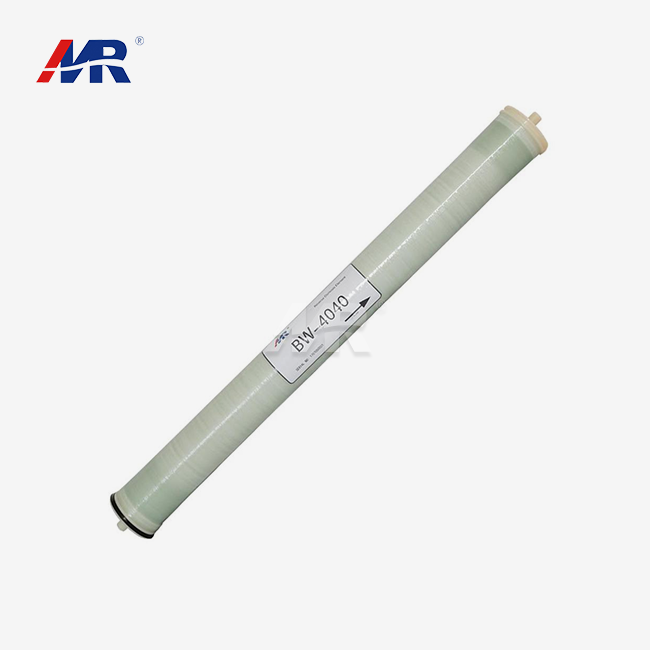 VIEW MOREindustrial ro membrane
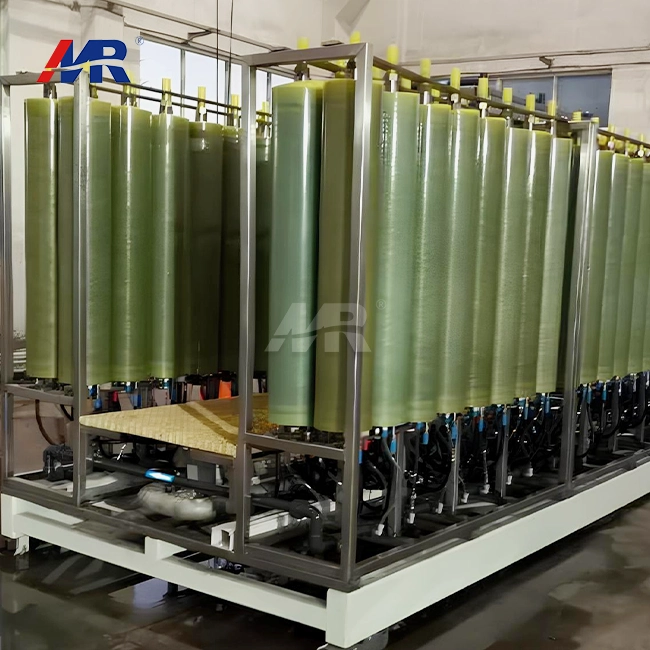 VIEW MOREDTRO for Wastewater Treatment
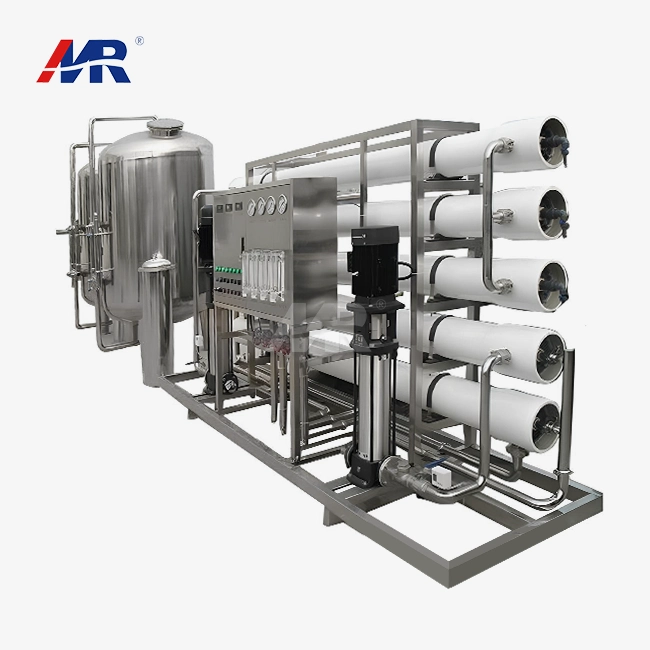 VIEW MOREbrackish water reverse osmosis
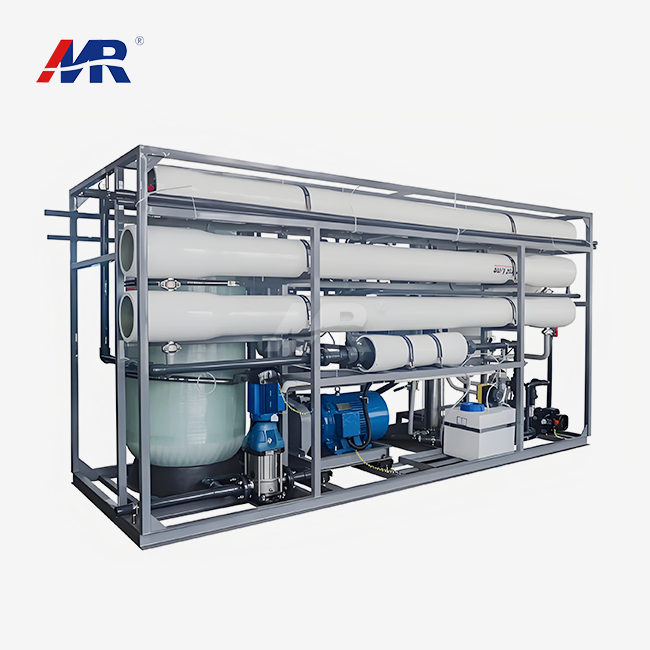 VIEW MOREseawater treatment plant
