_1745823981883.webp)

Is a Reverse Osmosis Water Purification Unit Suitable for Industry?
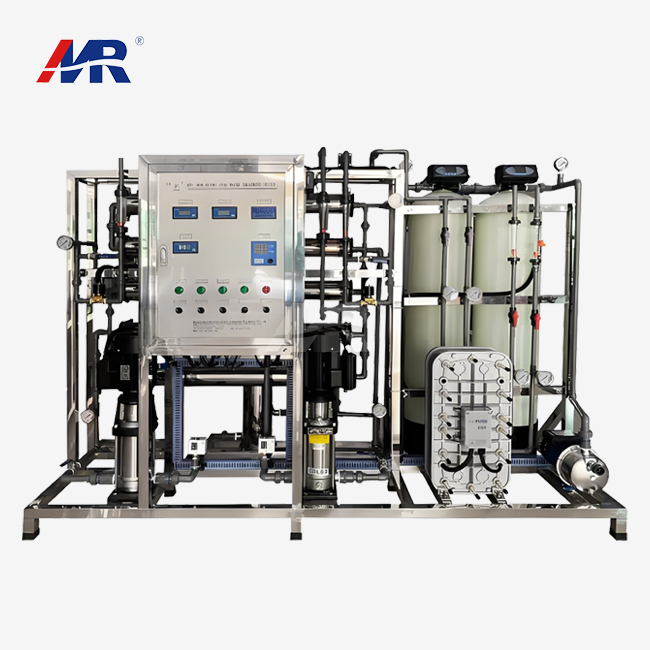
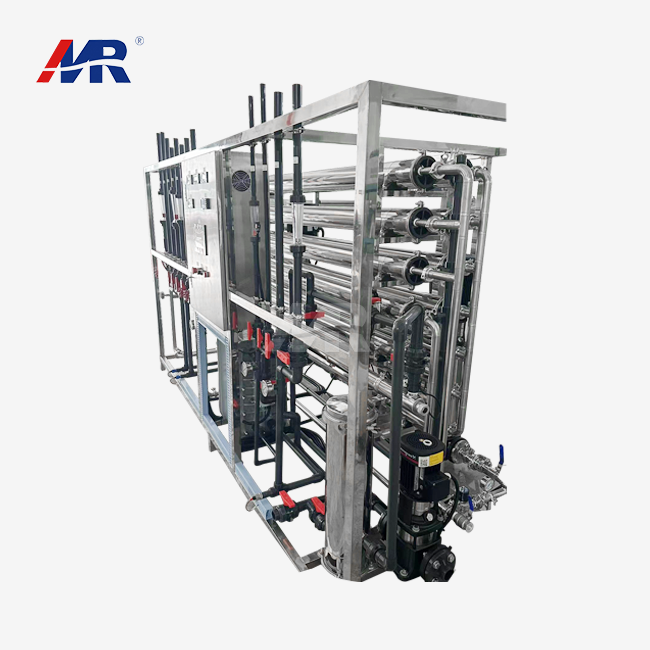
A reverse osmosis water purification unit can be used in many different types of business settings. Up to 99% of dissolved solids, contaminants, and impurities can be removed from industrial water sources by these systems. This makes them necessary for businesses like electronics, pharmaceuticals, food processing, and manufacturing. Industrial RO units are useful in challenging work settings where clean water directly affects the quality of Products and the speed of operations. They offer better filtration, stable water quality, and compliance with strict regulatory standards.

Understanding Reverse Osmosis Water Purification Units in Industrial Applications
Industrial reverse osmosis systems use semi-permeable filters to remove contaminants from water sources. They are a high-tech way to treat water. To explain it simply, pressure is used to push water molecules through special barriers that stop bigger contaminants, dissolved solids, and impurities.
Core Principles of Industrial RO Technology
Osmotic pressure reversal is how the RO process works. Polluted water goes through several steps of treatment. Before the high-pressure RO membranes, these systems usually have sediment filters and activated carbon units that do preliminary filtering. The multi-stage process makes sure that all contaminants are removed while keeping the quality of the result constant.
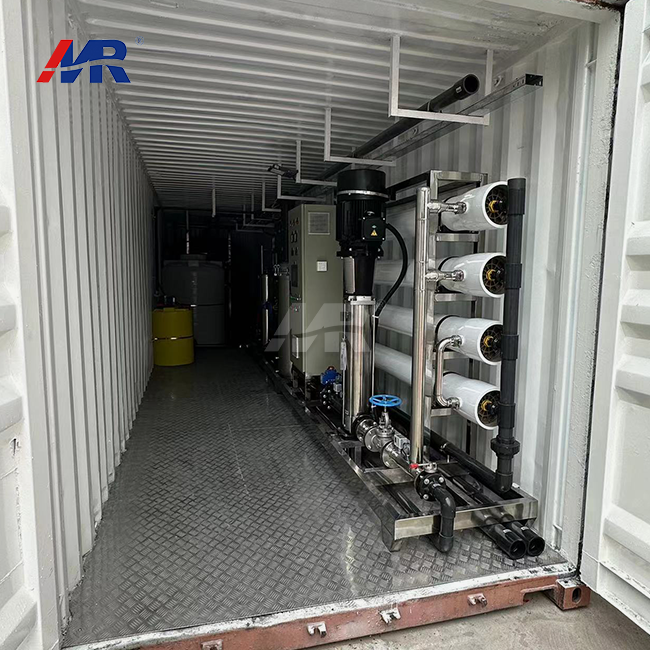
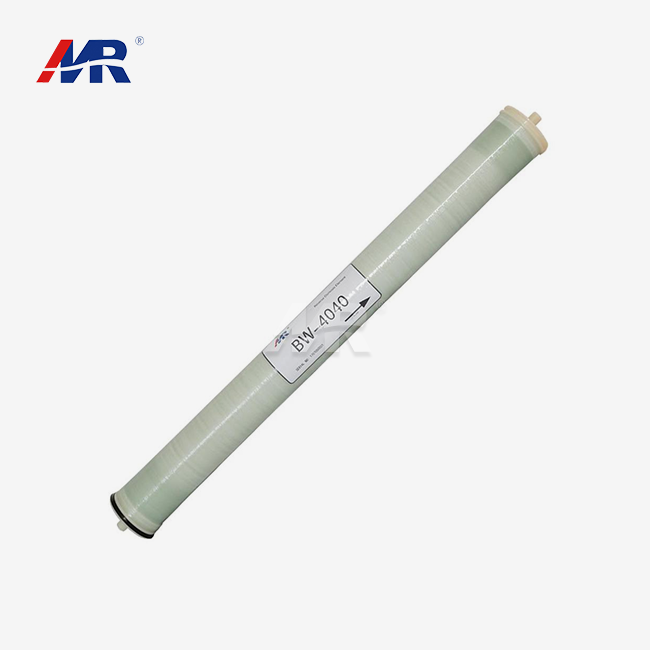
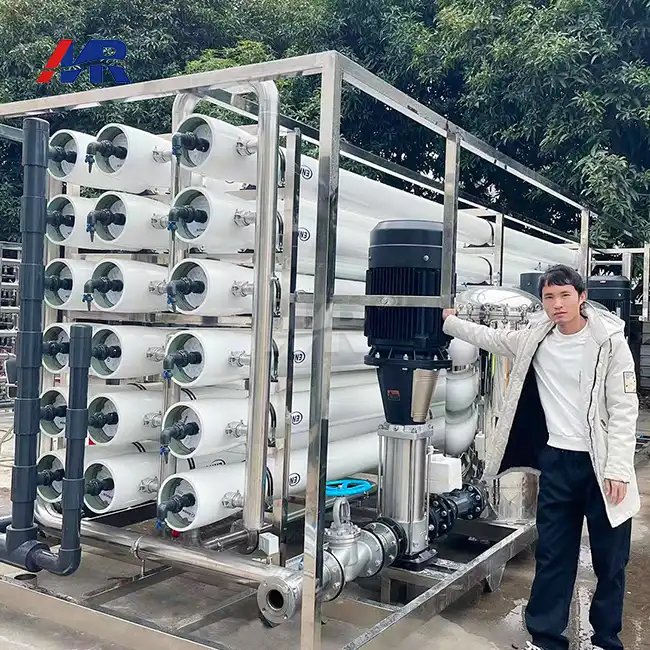
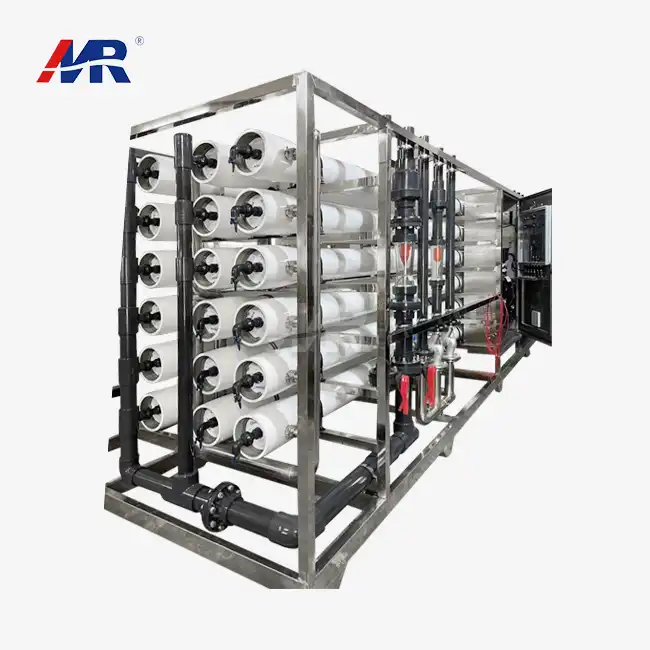
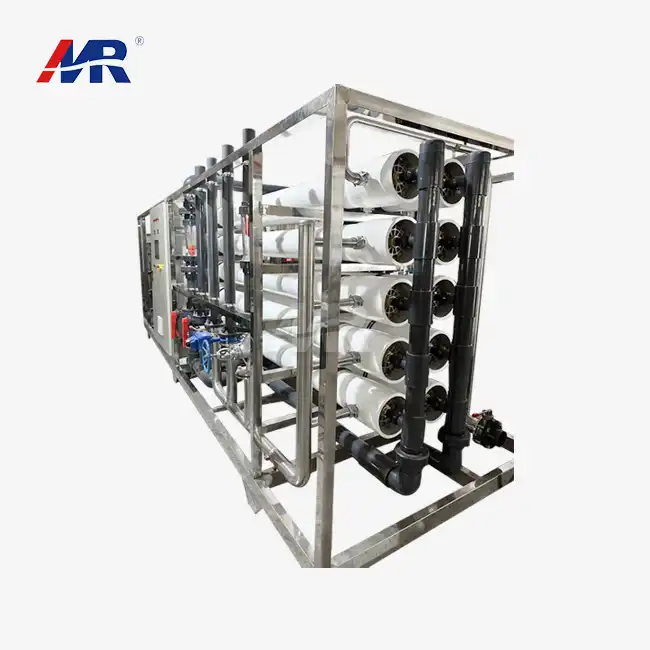
The capacity, pressure rates, and membrane configurations of industrial RO units are very different from those of domestic systems. Multiple membrane tanks set up in line or series are common in commercial systems. This allows for higher flow rates and better efficiency. Modern spiral-wound membranes offer higher refusal rates and longer service life, showing that membrane technology has come a long way.
Comparison with Alternative Treatment Methods
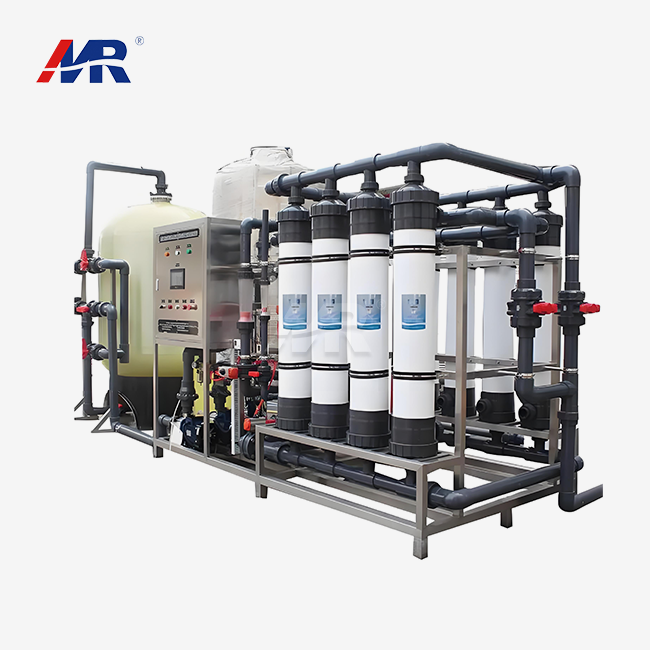
Industrial sites often look at RO technology along with UV cleaning, activated carbon filtration, and distillation systems when they are deciding how to treat their water. Pathogens can be killed by UV devices very well, but they can't get rid of dissolved solids or chemical contaminants. Activated carbon filters are good at getting rid of chlorine and chemical compounds, but they're not so good at getting rid of all dissolved solids.
The process of distillation is very good at cleaning, but it uses a lot of energy, which makes it too expensive for large-scale commercial use. Reverse osmosis water purification unit technology is widely used in many industrial areas because it hits the best balance between how well it cleans, how much energy it uses, and how much it costs to run.
Evaluating the Suitability of Reverse Osmosis Units for Various Industries
Different industries have very different needs when it comes to the quality of industrial water. Each has its own problems with pollution and rules that must be followed. Understanding these sector-specific needs helps procurement workers decide whether to adopt an RO system or not.
Manufacturing and Electronics Industries
Ultrapure water is needed for cleaning and processing in electronics manufacturing, especially chip manufacturing. Minerals and dissolved solids in tap water can hurt electrical parts that are sensitive to them. When RO systems are paired with electrodeionization (EDI) technology, resistivity values go above 15 megohm-cm, which is required by the strict semiconductor industry.
Depending on the methods they use, manufacturing sites face different water quality problems. For cooling and cleaning purposes, metal fabrication processes need stable water quality. Precision manufacturing, on the other hand, needs water that is free of contaminants to keep products from being flawed. These needs are met by RO systems, which get rid of dissolved metals, minerals, and organic substances that could get in the way of production.
Food and Beverage Processing
Water quality is very important to the food and drink business for making sure that products are safe and taste the same. Reverse osmosis water purification unit technology is used by companies that make bottled water to get rid of chlorine, dissolved minerals, and other possible contaminants while keeping the water's taste. RO systems are used in beverage processing plants to make sure that the water used in production meets FDA guidelines and maintains the quality of the products.
Here are the main benefits that RO systems offer businesses that serve food and drinks:
- Consistent Product Quality: RO systems get rid of changes in taste and smell that come from yearly changes in water quality.
- Meeting government rules: systems help businesses meet FDA and USDA water safety guidelines for food processing
- Longer Shelf Life: Purified water lowers the chance of microbial poisoning, which keeps food fresh longer.
- Lowering costs: industrial methods don't have to buy expensive bottled water anymore.
These benefits help food makers keep the quality of their products uniform while lowering their costs and making sure they follow the rules.
Pharmaceutical and Biotechnology Applications
When making medicines, you need water that meets the standards set by the United States Pharmacopeia (USP) for filtered water and water for injection. RO systems are very important parts of pharmacy water systems because they get rid of endotoxins, bacteria, and other liquid contaminants that could make drugs less safe and less effective.
RO-treated water is used in biotechnology sites to prepare cell growth media, clean tools, and do analytical tests. RO systems provide constant water quality, which makes sure that study results can be repeated and that sensitive biological processes stay intact.
Maintenance, Lifespan, and Operational Considerations for Industrial RO Units
Good repair habits have a direct effect on how well a system works, how much it costs to run, and how long its parts last. To keep the water quality stable and reduce unplanned downtime, industrial RO systems need to be maintained in a planned way.
Essential Maintenance Procedures
Cleaning the membranes on a regular basis is the most important care task for workplace RO systems. Over time, particles build up on membrane surfaces, slowing down the flow of water and raising working pressures. This is called membrane fouling. Chemical cleaning methods usually involve moving around special cleaning solutions that are made to get rid of certain kinds of fouling.
When to change the pre-filter in a reverse osmosis water purification unit depends on the quality of the feed water and the system's capacity. Depending on how much chlorine is in the feed water, carbon filters may last 6 to 12 months, while sediment filters need to be replaced every 3 to 6 months. Keeping an eye on the differences in pressure between the stages of a filter helps figure out when it should be replaced.
Key success factors, such as water production rates, rejection percentages, and pressure readings, are kept an eye on during system monitoring. Modern commercial RO systems have automatic tracking features that let workers know when performance isn't as it should be, before it affects the quality of the water or the integrity of the system.
Expected Service Life and Durability Factors
Under normal conditions, industrial ro membranes should work well for two to three years. However, their lifespan depends on the quality of the feed water, how they are used, and how often they are maintained. Systems that treat highly polluted water may need to replace their membranes more often, while systems that treat public water supplies often last longer than expected.
Operating pressure, temperature, and pH levels all have a big effect on how long a membrane lasts. Keeping the working conditions just right will make the membrane last longer and cost less to repair. Variability in the water source can make systems less long-lasting because changes in pollution levels with the seasons can speed up membrane fouling or chemical breakdown.
Procurement and Installation Insights for Industrial Reverse Osmosis Units
When choosing the right commercial RO equipment, you need to think carefully about how much power you need, how energy efficient it is, and how much it will cost to run in the long run. To find the best total cost of ownership, procurement workers need to balance the costs of the original investment with the costs of running the business.
Key Purchasing Criteria
Capacity planning looks at how much water is being used now, how much it will be used in the future, and when it will be used the most. Industrial RO systems should be able to handle high demand while still working well when things are normal. Systems that are too big may have trouble running, and units that are too small won't be able to meet production needs during busy times.
Some things that affect energy economy are how well the pumps work, how to best adjust the pressure, and how to use energy return systems in a reverse osmosis water purification unit. Modern industrial RO units have energy recovery devices that take pressure energy from reject streams and use it to power the unit itself. This cuts power use by 30 to 40 percent. The higher starting costs of these systems are justified by the lower costs of running them.
Scalability features let sites increase the amount of water they can clean as their business grows. Modular system designs let you add small amounts of capability without replacing the whole system. This gives you the freedom to adapt to changing operating needs.
Supplier Evaluation and Installation Considerations
Suppliers with a good reputation give a wide range of support services, such as system design, installation supervision, and training for operators. For example, Aquatech and Pentair are well-known brands that have a history of success in treating water in commercial settings. They offer standard equipment that works reliably.
Industrial RO systems usually take between 2 and 8 weeks to install, but this depends on how complicated the system is and how much work needs to be done to prepare the site. Professional installation makes sure that the system is properly set up and works at its best from the start. After-sales support includes things like guarantee coverage, availability of spare parts, and expert help for fixing problems with how the product works.
Our Expertise in Industrial Water Purification Solutions
Guangdong Morui Environmental Technology Co., Ltd. has a lot of experience creating and putting in place industrial water treatment systems in a wide range of business areas. Our wide range of services includes designing systems, making equipment, installing it, and providing ongoing upkeep support.
Global Reach and Technical Capabilities
Our company has 14 branches around the world, 500 committed workers, and 20 experienced engineers who specialize in water treatment technology help it run. With this large network, we can offer help in specific areas while keeping quality standards the same for all tasks.
Our own plant for making membranes provides quality control and the reliability of the supply chain for important system parts. Our equipment handling companies also let us change the RO systems to fit the needs of different industries, from pharmaceutical-grade units to heavy-duty industrial uses.
Comprehensive Service Offerings
We offer full solutions, starting with a thorough study of the water quality and advice on reverse osmosis water purification unit system design. Our engineering team looks at specific pollution problems, government rules, and practical limits to come up with the best ways to treat them.
Installation services include help preparing the spot, starting up the equipment, and teaching programs for the people who will be using it. We offer more technical help than just installation. We also offer preventative maintenance plans, emergency service, and spare parts. We are also approved sellers for high-quality part names like Shimge Water Pumps, Runxin Valves, and Createc Instruments. This makes sure that you can get system parts that you can trust.
Conclusion
Industry reverse osmosis water purification units are very useful for many different industry tasks because they remove contaminants better, follow rules, and work reliably. These systems solve specific problems with water quality in the electronics, pharmaceutical, food processing, and industrial businesses while maintaining regular performance and low costs. RO systems are great investments for industrial sites that need solid water treatment solutions because they are flexible, come with full maintenance support, and can be designed to fit different needs.
FAQ
Q1: What contaminants can industrial RO systems effectively remove?
Reverse osmosis systems used in industry can get rid of 95–99% of dissolved salts, heavy metals, germs, viruses, and chemical compounds. Total dissolved solids (TDS), chlorine, fluoride, nitrates, and sulfates are all very well removed by these devices. But RO filters can't get rid of gases that are dissolved in water, like carbon dioxide or hydrogen sulfide. For that, you may need to use other cleaning methods.
Q2: How often do industrial RO systems require maintenance?
How often maintenance is done relies on the quality of the feed water and the system's ability. Pre-filters need to be replaced every three to six months, while RO membranes need to be cleaned every one to three months and replaced every two to three years. Monitoring pressure readings and water quality parameters every day helps make repair plans more effective and avoids unplanned downtime.
Q3: Can RO systems meet high-volume manufacturing water requirements?
These days, industrial reverse osmosis water purification unit systems can make thousands of gallons of water every day, which is more than enough for most production needs. To get the flow rates needed for large systems, multiple membrane tanks are set up in parallel. The design of the system takes into account times of high demand to make sure there is enough capacity during those times.
Partner with Morui for Superior Industrial Water Treatment Solutions
When it comes to industrial water quality problems, you need answers that are expertly made to fit your unique needs. Morui has a lot of experience making and installing reverse osmosis water purification units, so you can be sure that your facility will work at its best. Our all-around method includes a thorough analysis of the water, the creation and installation of a custom system, skilled installation, and ongoing Technical support. Get in touch with our engineering team at benson@guangdongmorui.com for a personalized consultation and find out why top makers trust Morui as their reliable provider of reverse osmosis water purification units. You can look at all of our commercial water cleaning options at moruiwater.com.
References
1. American Water Works Association. "Reverse Osmosis and Nanofiltration Manual of Practice." Second Edition, 2018.
2. Membrane Technology Research Inc. "Industrial Water Treatment Market Analysis and Technology Assessment." 2023 Annual Report.
3. International Water Association. "Membrane Technology in Industrial Water Treatment: Performance Standards and Best Practices." Journal of Water Treatment Engineering, Vol. 45, 2023.
4. U.S. Environmental Protection Agency. "Guidelines for Industrial Water Reuse and Treatment Technologies." EPA Publication 832-R-23-004, 2023.
5. Water Quality Association. "Commercial and Industrial Reverse Osmosis Systems: Design and Performance Criteria." Technical Bulletin WQA-TB-2023-02.
6. International Desalination Association. "Industrial Membrane Systems: Global Market Trends and Technology Developments." IDA Technical Conference Proceedings, 2023.