

_1745823981883.webp)

How to Choose a Reverse Osmosis Water Purification Unit
To pick the best reverse osmosis water purification unit, you need to carefully consider your budget, working needs, and water quality standards. As part of the decision process, the traits of the source water are looked at, along with the production capacity needs, filtration stages, and technical features, and the long-term costs of running the system. Industrial buyers must also look at how reliable a seller is, what licensing standards they follow, and how well they help customers after the sale to make sure the best performance and compliance with industry rules.

Understanding Reverse Osmosis Water Purification Units
One of the best ways to clean water for corporate and business uses is with reverse osmosis technology. Under pressure, this advanced filter method forces water through a semi-permeable screen, which gets rid of up to 99% of dissolved solids, contaminants, and impurities. The technology separates molecules at the molecular level, which makes it better than traditional filtering methods.
How RO Technology Works in Industrial Settings
There are several steps of filtration in the reverse osmosis process that all work together to make good water. Pre-filtration gets rid of bigger particles and chlorine, which keeps the RO membranes from getting damaged. Water is pushed through the semipermeable barrier by the high-pressure pump. The contaminants are sorted and flushed away as a concentrate. Polishing after filtration makes sure that the end product meets certain quality standards needed for industry uses.
Pressure gauges, flow meters, and conductivity monitors that give real-time performance data are common parts of industrial RO systems. These tracking systems help system managers find problems before they get worse and affect the quality of the water or the way the system works. Modern units often have automatic controls that change how the unit works based on the conditions of the feed water and the amount of output that needs to be done.
Advantages Over Alternative Water Treatment Methods
When compared to other methods of cleaning, reverse osmosis systems have clear benefits for businesses. RO systems get rid of dissolving minerals, heavy metals, and organic compounds, while UV treatment only kills germs in water. Carbon filter can help with smell and taste problems, but it can't get rid of dissolved solids very well. Ion exchange systems need to be regenerated, and chemicals need to be handled often, but RO systems can run all the time with very few chemical needs.
The energy economy of the current reverse osmosis water purification units has gotten a lot better as technology has grown. Energy recycling devices can cut the amount of power used by bigger systems by up to 35%, which makes them a good choice for high-volume uses. RO systems are great for businesses where clean water is important for both product quality and following the rules, because they always give the same high-quality output.
Common Applications Across Industries
RO systems are used in factories to get process water that meets strict quality standards. Companies that make food and drinks use these methods to make sure that their Products are safe and consistent. For making drugs, pharmaceutical companies need RO water that meets USP standards. Ultrapure water is needed by electronics makers to clean sensitive parts without leaving behind any contaminants.
Core Criteria for Choosing the Ideal RO Water Purification Unit
To choose the best reverse osmosis water purification unit, you need to carefully consider a lot of scientific and practical factors. The process of making a choice starts with a full analysis of the problems with water quality now and the needs for future output. By understanding these basic factors, you can be sure that the system you choose will work well and not cost too much over its lifetime.
Analyzing Source Water Quality and Treatment Requirements
Source water research is the first step in making sure that the system is the right size and shape. Total dissolved solids (TDS), hardness, pH levels, and certain contaminants in the water all have a direct effect on the choice of filter and the need for pre-treatment. If the TDS level is high, you might need more membrane steps, and if the water is hard, you'll need softening tools to keep the membranes from scaling.
Changes in the temperature of the source water affect how well the membrane works and how efficiently the system works. Because cold water slows down membrane flow rates, bigger membrane areas are needed to keep production going. Source water quality may change with the seasons, which may mean that working parameters need to be changed or extra treatment steps need to be added. How much microbiological pollution there is tells us if we need cleaning systems before the reverse osmosis water purification unit.
The chemical interaction between toxins in the source water and membrane materials affects how long the system lasts. Polyamide membranes need to be dechlorinated before they can be used because chlorine can damage them. Heavy metals might need special methods to be removed before RO treatment. The amount of organic fouling affects how often the membranes need to be cleaned and replaced.
Production Capacity and Flow Rate Considerations
When planning production capacity, it's important to think about times of high demand, expected future growth, and the need for system backups. Systems that are too small have trouble meeting demand during peak times, while systems that are too big waste energy when they're only partially full. In industrial settings, recovery rates are usually between 75% and 86%, which means that production is lower than the flow rate of feed water.
The pressure needed depends on the type of membrane, the temperature of the water, and the rate of healing that is wanted. High-pressure pumps use a lot of energy, so getting the right size is important for running them efficiently. Variable frequency drives let you change the pump speed based on demand, which means that less energy is used when demand is low.
The capacity of RO units must be matched by storage and delivery methods. Product water tanks should have enough storage space to handle changes in demand. Distribution pumps and pipes must keep the pressure right without letting any dirt or other contaminants in. RO work is coordinated with store levels and demand further downstream by automated controls.
Energy Efficiency and Environmental Impact
Modern RO systems use technologies that save energy, which lowers their prices and their effect on the environment. Energy recovery devices take pressure energy from the concentrate stream and send it to the feed water that is going in. When it comes to big systems with high-concentration flow rates, this technology really shines.
The choice of membrane affects both how much energy is used and how well it works with the surroundings. Low-energy membranes need less pressure to work, but they still have high failure rates. New barrier materials don't get fouled easily, so they last longer and make less waste. Maintaining membranes properly keeps them from needing to be replaced too soon, which would be bad for the environment.
System automation makes the best use of energy by changing how things work based on trends of demand and water quality. Smart controls make sure that the right amount of production capacity is always available when it's needed and stop operations that aren't needed when demand is low. With remote tracking, you can make changes based on real-time details about how things are running.
Market Solutions and Brand Selection for Reliable Procurement
There are a lot of reverse osmosis options on the market for industrial water treatment, from both well-known companies and new technology companies. When choosing a seller, people who work in procurement need to look at their skills, how reliable their products are, and how long they are willing to provide help. Knowing how markets change over time can help you find the best partners for your unique needs.
Evaluating Manufacturer Credentials and Certifications
Manufacturers of reliable RO systems keep approvals that show they follow quality management systems and industry standards. ISO 9001 certification means that the company follows set quality management methods. NSF certification, on the other hand, means that the product is safe for certain uses. For example, FDA compliance and cGMP production standards must be met by equipment made for medicinal use.
The ability to manufacture has a direct effect on the quality of the product and the dependability of delivery. When a company makes its own membranes, it can better control quality and make goods fit specific needs. Most of the time, integrated manufacturing processes offer faster delivery times and better technical help. As part of quality control, both individual parts and whole systems should be thoroughly tested.
A company's research and development skills show how committed they are to new ideas and technological progress. Companies that put money into improving membrane technology, making buildings more energy efficient, and creating more automated systems are more likely to provide long-term value. Patent portfolios and written research show that you are an expert in your field and a star in creation.
Comparing Performance Specifications and Features
When comparing performances, you should look at measures that have a direct impact on operational success rather than theoretical skills. Due to pollution, changes in temperature, and changes in water quality, actual recovery rates in the field may not be the same as those measured in the lab. How long a membrane lasts relies on how it is used, how it is maintained, and how consistent the water quality is.
Advanced features like automated cleaning systems, the ability to watch from afar, and tools for planning and scheduling repairs can have a big effect on how efficiently reverse osmosis water purification unit operations run. These features explain the higher starting costs by lowering the need for labor and making the system more reliable. Integration with current data management and control tools makes operations run more smoothly and helps people make better decisions.
All parts of the system, not just the high-pressure pump, should be included in the energy usage specs. Extraneous machines like pre-treatment systems, product pumps, and control systems add to the total amount of energy needed. During times when operations aren't going as well, standby power use affects running costs.
Cost Analysis and Return on Investment
The total cost of ownership includes the price of buying the equipment, paying to have it set up, paying for regular upkeep, and paying to replace it in the long run. Lower starting costs could mean that the quality has been lowered, which leads to higher upkeep costs and a shorter life for the equipment. A full cost study looks at how much energy the system uses, how often it needs to be serviced, and how much work it needs over its expected lifetime.
Options for financing and payment terms can have a big impact on the costs of a project, especially when it comes to big installations. Leasing may help you save money on taxes and keep your money for other investments. Performance promises and warranty terms guard you from costs you didn't expect and broken equipment.
Reliable water quality often makes the higher cost of tools worth it because it increases productivity and cuts costs. Return on investment estimates are helped by lower rates of product refusal, no longer having to buy water, and more efficient processes. People who do good things for the environment might be able to get tax breaks or government credits that make the project more profitable.
Practical Guide: Installation and Maintenance for Long-Term Efficiency
For a reverse osmosis system to work, it needs to be carefully planned, professionally installed, and have regular repair programs. When you setup something correctly, you avoid common operating problems and set it up for long-term reliability. Maintenance plans should focus on preventative steps that make systems work better and make tools last longer.
Pre-Installation Planning and Site Preparation
To get a site ready, you must first do a full assessment of the room you need, the services that are available, and the surrounding environment. RO systems need enough space for repair workers to get to the equipment, change the membrane, and fix any problems. The power source needs to be able to handle the currents needed to start the motor and keep the voltage stable for sensitive control equipment. Water source lines should have pressure regulators and isolation valves.
Controlling the temperature, air flow, and drainage are some of the environmental factors that affect how well and how long a system works. In cold places, warmth or insulation is needed because freezing temperatures can damage walls and pipes. Enough airflow keeps wetness from building up and makes it easier for equipment to cool down. Floor drains and filtration systems keep water from leaking out when repair is being done or when equipment breaks down.
What kind of foundation is needed depends on the size of the system, how it vibrates, and the building rules in the area. Large systems might need concrete pads that are made to handle the weight of tools and the needs of earthquakes. Vibration separation stops noise from traveling and keeps sensitive equipment safe. Grounding methods that work right keep electricity safe and protect against problems with the power quality.
Professional Installation Best Practices
Technicians who are qualified and have experience operating RO systems should be on professional installation teams. Pay close attention to alignment, sealing, and pressure tests when installing a membrane the right way. If you don't put it right, the membrane could get damaged, work less well, or fail before it should. Before the first restart, pressure testing makes sure the device is working properly.
Programming and calibrating the control system make sure that it works right and protects it from conditions that could damage it. Calibration of sensors affects how well the system works and how well it protects itself. The choices for alarms should let you know about possible problems early on, but they shouldn't be so annoying that they make the operator lose faith.
As part of the initial starting process, all system functions are tested in a planned way, performance standards are checked, and operators are trained. Operating methods, upkeep plans, and troubleshooting tips should all be included in the documentation. Baseline info on performance gives us a way to measure and improve performance in the future.
Maintenance Strategies for Sustained Performance
Preventive repair programs make reverse osmosis water purification unit systems more reliable and cut down on unexpected breakdowns and output delays. Regular cleaning of the membrane gets rid of the fouling materials that have built up and returns the function. How often you clean relies on the quality of the feed water, the working conditions, and the results of performance tracking. If you wait too long to clean, the membrane could become permanently damaged and need to be replaced too soon.
Here are the most important parts of system care that make sure it works at its best:
- Cleaning and monitoring the membrane: Regularly checking the performance by measuring water quality, pressure differences, and flow rates helps find the best cleaning plans and find possible problems before they cause the system to fail.
- Maintenance of pre-treatment systems: Sediment filters, carbon filters, and chemical injection systems need to be inspected and replaced on a regular basis to keep devices further down the line safe and the water quality stable.
- Servicing the pump and motor: Mechanical parts need to be inspected, oiled, and aligned regularly to keep them working well and avoid breakdowns.
All of these care practices work together to keep the water treatment system running smoothly and protect the large investment that was made in it. When routine maintenance is done right, it cuts down on the cost of emergency repairs and makes technology last a lot longer.
Monitoring the water quality gives early warnings of membrane function loss and fouling buildup. Measuring conductivity shows if the membrane is intact, and watching pressure shows where fouling is happening. Automated tracking systems can let workers know when problems are starting to happen and help them make the best cleaning plans.
Conclusion
In order to choose the right reverse osmosis water purification unit, you need to carefully look at its technical specs, working needs, and long-term costs. To be successful, you need to know a lot about the qualities of the source water, plan your volume correctly, and choose your suppliers carefully. Professional installation and thorough care plans protect the investment in water treatment equipment and make sure it works at its best. In the end, the choice affects the quality of the product, the speed of operations, and the compliance with regulations in a wide range of workplace settings.
FAQ
Q1: What factors determine the optimal membrane configuration for industrial applications?
The type of membrane used depends on the quality of the source water, the amount of money that needs to be made, and the specific contaminants that need to be removed. For high TDS levels, you usually need more than one membrane stage in a row. For certain toxins, you may need different membrane materials. The temperature, pH, and fouling potential can also affect the choice of membrane and the design of the system.
Q2: How often should RO membranes be replaced in industrial systems?
Replacement times for membranes range from one to three years, based on how they are used, how often they are maintained, and the quality of the water. With the right pre-treatment and regular cleaning, membranes can last a lot longer. Performance monitoring helps figure out the best time to replace something based on real-world situations instead of made-up plans.
Q3: What energy costs should be expected for large-scale RO operations?
Depending on the features of the source water, the recovery rate, and how well the system works, energy costs usually fall between $0.50 and $2.00 per thousand gallons of product water. In big sites, energy recovery systems can cut costs by 25 to 35 percent. Getting the right size system and making sure it's well-maintained can also help save energy.
Q4: How do seasonal water quality variations affect RO system performance?
Seasonal changes in temperature, sediment, and chemical makeup mean that operations need to be changed to keep performance stable. When water is cold, it slows down membrane flow, and when it's cloudy, it speeds up fouling rates. Automated controls can change the working settings to keep the best performance even when these things happen.
Q5: What backup systems are recommended for critical industrial applications?
For critical uses, you usually need two or more RO trains, backup power systems, and water tanks for emergencies. The amount of redundancy depends on what would happen if the water source went out. Some sites keep their backup capacity at 100%, while others use smaller backup systems with more storage space.
Q6: How can remote monitoring improve RO system management?
Remote tracking systems give information about performance in real time, early warnings of possible problems, and chances to make things better. These systems can cut down on upkeep costs, keep things from breaking down when they're least expected, and make the best use of energy. Data analysis helps find patterns in performance and estimate how much upkeep will be needed.
Partner with Morui for Superior Reverse Osmosis Water Purification Solutions
Leading-edge reverse osmosis water purification units made just for tough industry uses are sold by Guangdong Morui Environmental Technology. Our all-around method includes cutting-edge tech, high-quality parts, and unbeatable customer service to guarantee peak performance and long-lasting dependability. As a reliable company that makes reverse osmosis water purification units, we offer creative solutions that meet your specific business needs while providing excellent value and performance. Email our technical experts at benson@guangdongmorui.com to talk about your unique needs and find out how our tried-and-true water treatment options can help your business.
References
1. World Health Organization. "Guidelines for Drinking-water Quality: Fourth Edition." Geneva: WHO Press, 2017.
2. American Water Works Association. "Reverse Osmosis and Nanofiltration: Manual of Water Supply Practices M46." Denver: AWWA, 2018.
3. Greenlee, Lauren F., et al. "Reverse osmosis desalination: Water sources, technology, and today's challenges." Water Research 43.9 (2009): 2317-2348.
4. Fritzmann, Claudia, et al. "State-of-the-art of reverse osmosis desalination." Desalination 216.1-3 (2007): 1-76.
5. National Institute of Standards and Technology. "Industrial Water Treatment Handbook." U.S. Department of Commerce, 2019.
6. International Desalination Association. "Water Desalination Report: Technology and Market Analysis." Global Water Intelligence, 2020.
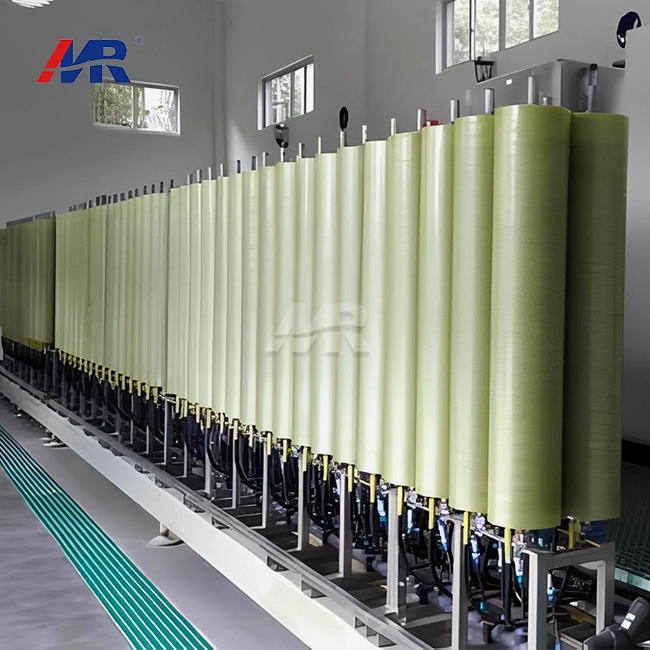 VIEW MORELeachate DTRO Treatment Equipment
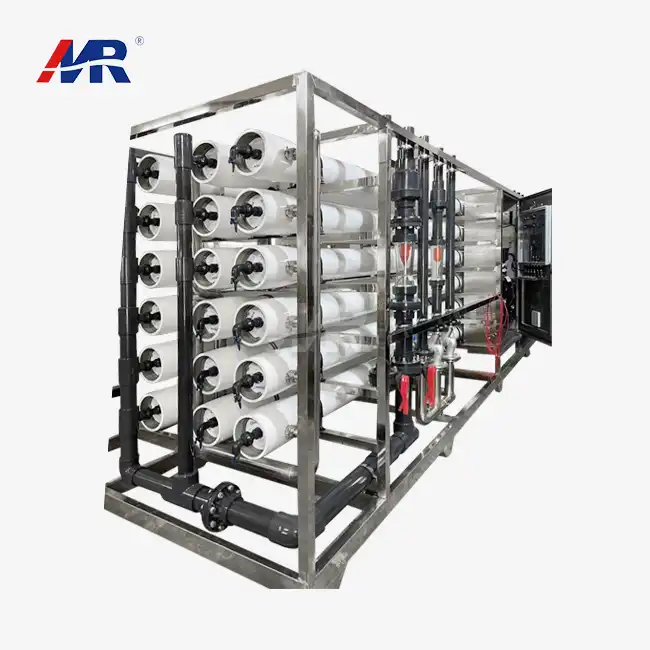 VIEW MORE100m3/hour reverse osmosis equipment
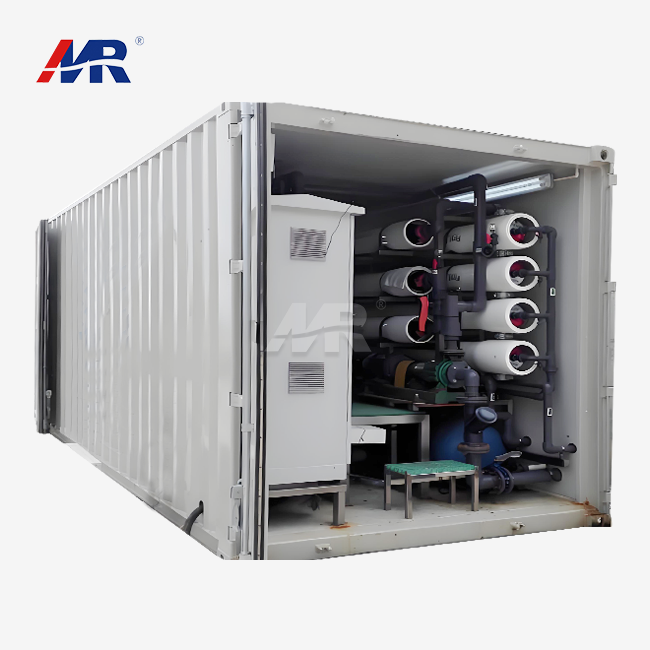 VIEW MOREcontainer seawater desalination equipment
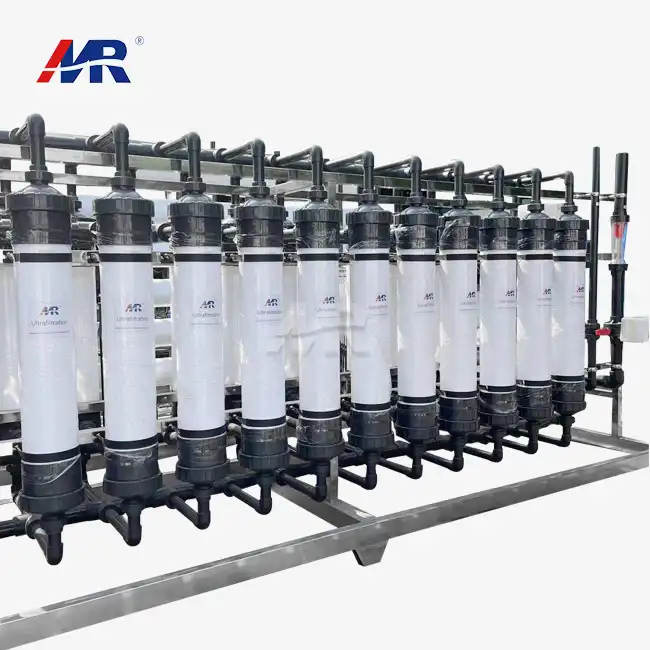 VIEW MORE30m3/hour ultrafiltration equipment
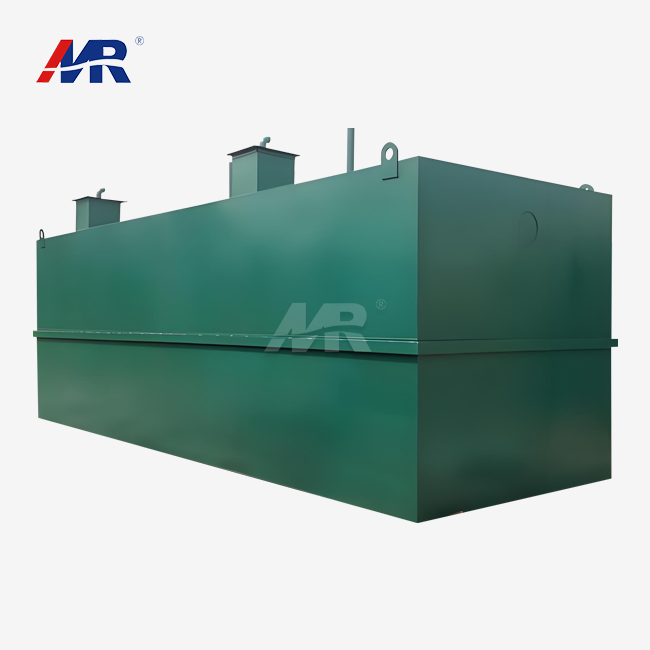 VIEW MOREwaste water treatment system
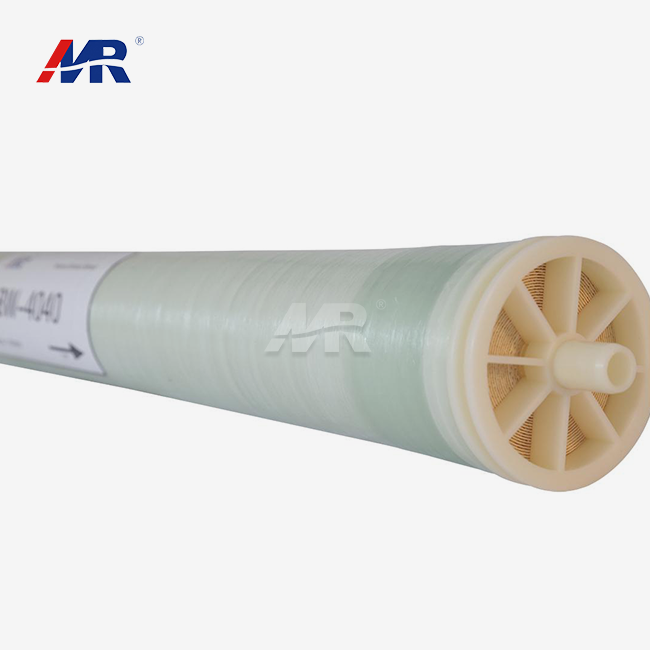 VIEW MOREindustrial reverse osmosis membrane
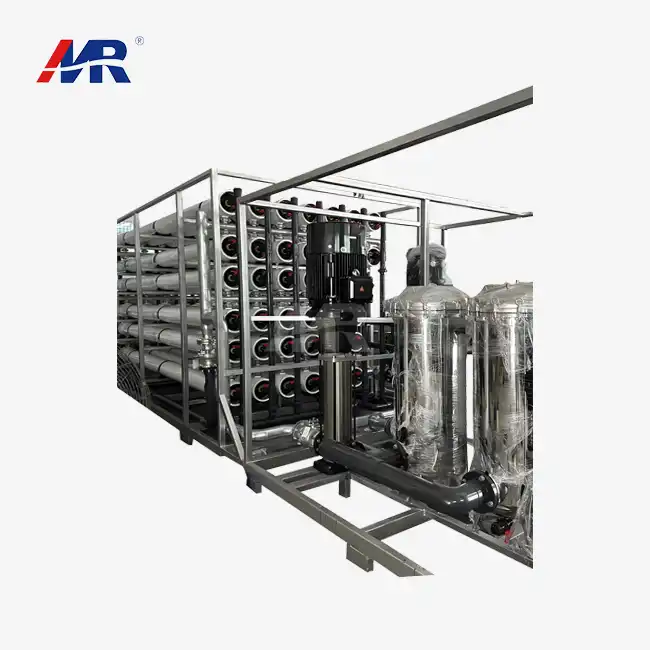 VIEW MORE150m3/hour reverse osmosis plant
 VIEW MOREro edi system
