

_1745823981883.webp)

Can a Most Efficient Reverse Osmosis System Lower Operating Costs?
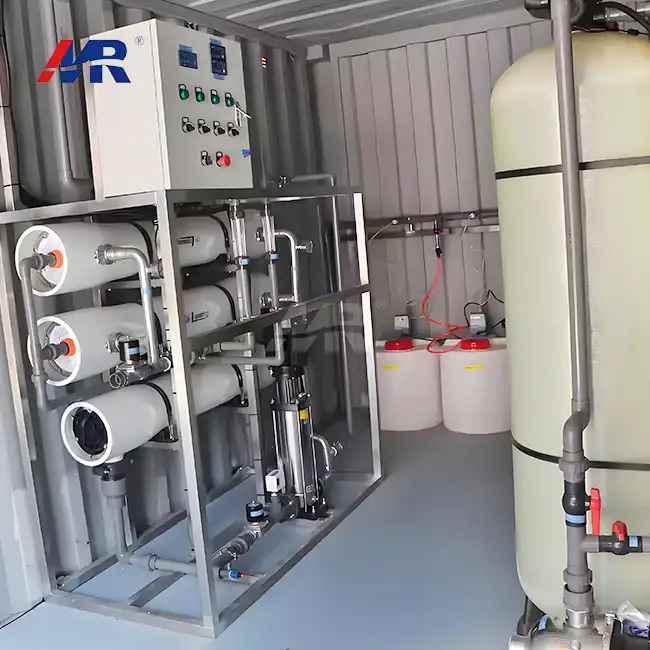
The most efficient reverse osmosis system can significantly lower operating costs through reduced energy consumption, extended membrane life, and decreased maintenance requirements. Advanced RO systems optimize water recovery rates while minimizing waste, delivering substantial savings over their operational lifetime. Modern high-efficiency units can reduce operating expenses by 30-50% compared to conventional systems through enhanced membrane technology, intelligent automation, and energy recovery mechanisms that maximize performance while minimizing resource consumption.
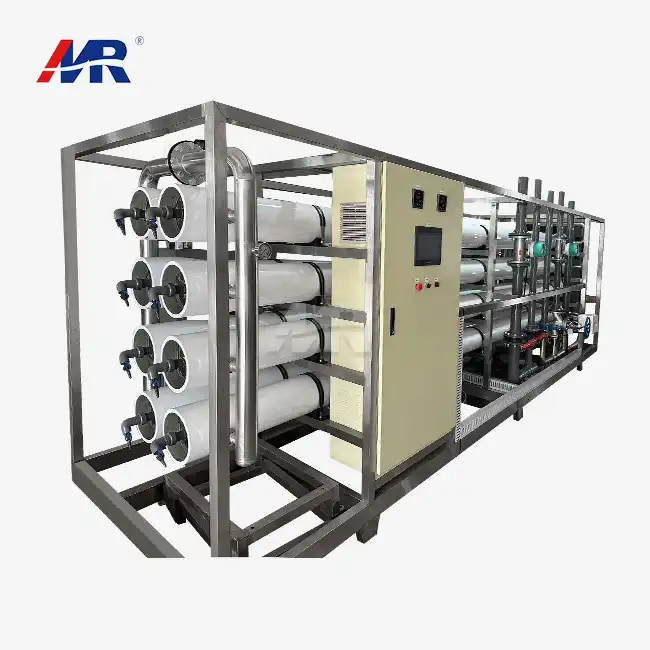
Understanding Reverse Osmosis System Efficiency and Operating Costs
Advanced reverse osmosis technology is based on a simple idea that makes it very good at cleaning water. Semipermeable membranes make walls that let water molecules pass through but keep out contaminants. This removes more than 99% of most dissolved solids. This complex filtration system needs exact pressure control, usually between 150 and 600 PSI, based on the characteristics of the feed water and the quality of the output that is wanted.
Smart purchasing choices are based on the connection between how well a system works and how much it costs to run. Most of the variable costs in business systems come from energy use, which makes up 60 to 80% of all running costs. With high-performance membranes, less pressure is needed to get the water quality that is desired, which directly leads to lower power bills. The amount of total dissolved solids, the temperature of the feed water, and the pH level all affect how much energy is needed and how well the process works.
Key Factors Affecting Performance and Cost Control
The quality of the membrane is the most important factor in determining long-term operating success. Premium membranes keep their rejection rates stable even when they're working at lower pressures. This means they last longer and don't need to be replaced as often. Temperature optimization can raise membrane permeability by 2% to 3% for every degree Celsius rise, but this has to be weighed against the fact that membranes may break down at high temperatures.
To get the most out of system pressure control without damaging the membrane, it needs to be carefully calibrated. Over-pressurization can damage membranes, but automated pressure tracking makes sure there is enough pushing force for separation to work. High-pressure pumps with variable frequency drives can precisely control the pressure, responding to changes in the feed water while wasting as little energy as possible.
Early Warning Signs of Inefficiency
Membrane fouling is the most typical reason why performance drops, and costs go up in the most efficient reverse osmosis system. Biological fouling happens when microorganisms build up on the surface of membranes, and scaling happens when minerals settle on the membranes. Lowering water output rates, rising pressure differences, and worsening product water quality are all early warning signs that need instant attention.
Monitoring normalized permeate flow and salt rejection rates on a regular basis lets you plan repairs ahead of time. When average flow drops by 10-15% or salt rejection falls below accepted levels, the membrane needs to be cleaned or replaced to stop it from breaking down even more, and the costs go up.
Comparing Most Efficient Reverse Osmosis Systems with Regular Systems
Because they use advanced tech and carefully chosen components, modern high-efficiency RO systems work much better than older units. Energy recovery devices use hydraulic energy from high-pressure concentrate streams to lower the total amount of power needed by 25–40% for treating saltwater and 15–25% for treating brackish water. For desalinating saltwater, these systems usually use less than 3.0 kWh per cubic meter, while normal systems use between 4 and 6 kWh.
The most advanced units have smart technology that changes the settings all the time based on readings of the water quality taken in real time. Automated cleaning processes stop too much fouling and make the best use of chemicals, which lowers the cost of cleaning and membrane breakdown. Advanced control systems keep an eye on many factors at once. This lets maintenance be planned ahead of time, which stops expensive fixes and unplanned downtime.
Efficiency Ratings and Performance Metrics
Leading commercial RO systems of 2024 recover more than 85% of the water used in brackish water uses, while regular units only recover 75–80% of the water. This better recovery directly lowers the amount of feed water needed and the cost of getting rid of the concentrate. Energy-efficient designs have multiple stages that reduce the amount of pressure needed while keeping high rejection rates across a wide range of contaminants.
Premium systems have the most efficient reverse osmosis system membrane flow rates that are 15 to 20 percent higher than normal membranes, but they still work just as well at blocking. Because of this, systems can have smaller areas and lower capital costs per unit of production capability. Newer membrane formulas can handle more chlorine and work in a wider range of pH levels, which means they last longer and don't need to be replaced as often.
Cost-Benefit Analysis and Return on Investment
The starting cost of high-efficiency systems is usually 15–30% higher than standard options. However, the operational savings make the system pay for itself within 18–36 months, based on the cost of energy in the area and the quality of the water. Saving energy is reason enough to make the extra expense, especially in situations where the machine needs to run all the time or make a lot of things.
In addition to saving energy, maintenance costs can be lowered by making membranes last longer and cleaning them less often. Premium membranes often have 50–100% longer service lives, which means they don't need to be replaced as often and don't require as much work. Automated handling reduces the need for human input while consistently improving performance.
Practical Maintenance Tips to Sustain High Efficiency and Reduce Costs
To keep a RO system working at its best, it's important to follow preventative care practices that deal with problems before they affect operations or cost more. Monitoring the quality of the water is an important part of maintenance. Regular tests of the feed water, product water, and concentrate lines show how well the system is working. Conductivity readings, pressure readings, and flow rate tracking make it possible to find membrane fouling or scaling problems early on.
Here are the most important maintenance tasks that will keep your system running smoothly:
- Cleaning plans for membranes: follow cleaning instructions when normalized permeate flow drops by 10% or normalized salt passage rises by 10-15% to stop fouling from building up permanently.
- Replace filter cartridges: Sediment and carbon filters should be replaced based on pressure difference signs, usually when the pressure drop goes beyond what the maker says is acceptable.
- Maintenance of chemical injection systems: Check and change the pH and antiscalant systems once a month to make sure they are working right and keep membranes from getting damaged.
- Check the pressure vessel: Look for wear on O-rings, end caps, and hardware that connects the vessels that could weaken the system's stability.
These care guidelines make most efficient reverse osmosis systems last a lot longer and keep them from needing expensive emergency fixes. Paying regular attention to pretreatment systems like multimedia filters and softeners keeps ro membranes further down the line from getting clogged and growing up too soon. If you keep good records of all your repair tasks, you can use trend analysis to spot problems before they affect production.
Troubleshooting Common Performance Issues
Membrane scaling usually shows up as slowly rising pressure and less water output. Cleaning Products don't work the same way on calcium carbonate, calcium sulfate, and silica scaling, so it's important to get the right diagnosis for effective treatment. Biological fouling causes membranes to lose their effectiveness quickly and build up slimy layers that need to be treated with pesticides and sanitized better.
High salt passing through membranes could mean that the membranes are physically damaged, chemically breaking down, or the system isn't working properly. Failures of O-rings, lens effects, or membrane delamination must be fixed right away to keep the whole system from being harmed. Pressure testing and evaluating each element separately help find the problematic parts so they can be replaced specifically.
Professional installation and ongoing service help make the system work better while lowering the risks of operation. Professional techs make sure that the right steps are taken to start up the machine, that the control systems are calibrated, and that the people who will be using it are trained. Comprehensive service agreements protect the long-term worth of an investment by offering regular evaluations of performance, preventative upkeep, and the ability to respond to emergencies.
Embedding Sustainability and Brand Trust in Your Procurement Decision
More and more businesses around the world are using water treatment systems that use less energy because they care about the environment. Goals for sustainability are helped by advanced RO systems that use less energy, fewer chemicals, and better water collection rates, which make less trash. Using energy recovery devices and better hydraulic designs can cut carbon emissions by 30 to 40 percent compared to regular systems, helping companies keep their environmental promises.
The benefits of conserving water go beyond saving money on operations; they also help meet growing community and governmental needs for the most efficient reverse osmosis system. It is especially important in water-stressed areas or areas that care about the environment for high-recovery RO systems to lower the amount of water they need to take in while also lowering the amount they send out. Environmental performance is improved even more by managing concentrated brine through advanced cleaning or useful reuse.
Certifications and Quality Standards
Reputable makers have thorough quality assurance programs that make sure their products always work and are reliable. The ISO 9001 quality management certification shows that the manufacturing process is being carefully thought out, and the ISO 14001 environmental management certification shows that the company is dedicated to using environmentally friendly methods. NSF/ANSI guidelines make sure that the materials used in parts and their performance claims for drinking water uses are checked by a third party.
Manufacturers of membranes that have FDA approval for materials that come into contact with food make it possible for RO systems to be used in pharmaceutical, beverage, and food processing uses that need to follow regulations. Testing and approval by a third party provides objective performance proof that helps with planning purchases and operations.
Guangdong Morui Environmental Technology Expertise
Our company has a lot of experience with water treatment options for a wide range of industrial uses, from pharmaceutical-grade purification to large-scale city systems. With more than 14 locations and more than 500 dedicated employees, we offer both technical knowledge and full manufacturing capabilities. Our in-house membrane production facilities and equipment enable us to make products that are exactly what each customer needs.
Twenty experienced engineers provide technical help for the whole project, from the initial consultation to ongoing support for upkeep. Strategic relationships with top component makers, like Shimge Water Pumps, Runxin Valves, and Createc Instruments, make sure that you can get high-quality parts and a steady supply chain. With this integrated method, you can get full water treatment options that have been shown to work and come with full service support.
Where and How to Procure the Most Efficient Reverse Osmosis System?
To successfully buy industrial RO systems, you need to carefully consider which providers, technologies, and service skills meet your unique needs. Genuine parts, full warranties, and expert help tools can be found through authorized distributors and direct maker relationships. Regional service networks make sure that maintenance needs and emergency fixes are taken care of quickly, so that output isn't interrupted too much.
When choosing a system, you need to think about how it will work with current facilities, how it will scale, and how much automation you want. Modular designs let you increase capacity without making big changes to the infrastructure, and uniform parts make upkeep easier and cut down on the number of extra parts you need to keep on hand. Custom building services help with problems with water quality or limited room that standard setups can't handle.
Procurement Channels and Service Support
When you work directly with a maker, you get better technical help, the ability to make changes, and long-term service promises. Established makers offer detailed instructions, training programs, and performance warranties that lower the risks of purchasing. Local service availability makes sure that repair help and emergency reaction skills are available on time, which is important for mission-critical applications.
Online platforms and industrial markets for the most efficient reverse osmosis system give buyers access to a wide range of suppliers and low prices. However, it is still important to carefully check suppliers' credentials and service offerings. Full warranty protection, which includes promises on membrane performance and equipment safety, keeps you from losing money because of early breakdowns or poor performance.
Access to modern technology can be gained without having to make big capital investments, thanks to flexible financing options such as equipment rental and performance-based contracts. Bundled service agreements that cover installation, commissioning, user training, and ongoing upkeep make budgeting easier and make sure that the system has skilled support for its whole life. These all-around methods lower the total cost of ownership while also improving speed and dependability.
Conclusion
Through improved membrane technology, energy recovery systems, and smart automation, the most efficient reverse osmosis systems cut running costs by a large amount. When compared to regular units, these systems have 30–50% lower operating costs while still offering better water quality and dependability. Within 18 to 36 months, the investment pays for itself through lower energy costs, longer membrane life, and less upkeep. Choosing the right system, having it professionally installed, and keeping up with its upkeep will ensure that it keeps working well and saving money for as long as it lasts. High-efficiency RO technology is more valuable for current industry uses because it is better for the environment and follows the rules.
FAQ
Q1: How much energy can efficient RO systems save compared to standard units?
Modern RO systems usually use 25–40% less energy because they have energy return devices, better hydraulic designs, and high-performance membranes that work at lower pressures. Specific energy use for seawater uses is less than 3.0 kWh per cubic meter, while normal systems use between 4 and 6 kWh.
Q2: What maintenance protocols are required to sustain peak performance?
Monitoring pressure differences, flow rates, and water quality regularly lets you plan repairs ahead of time. Cleaning the membrane when adjusted flow drops by 10% or salt passage rises by 10-15% stops fouling from becoming permanent. Regular maintenance tasks like replacing filters, calibrating chemical systems, and checking pressure vessels keep things running at their best.
Q3: What are the upfront cost implications of eco-friendly RO systems?
Most of the time, high-efficiency systems cost 15–30% more than normal ones, but the money you save on energy and upkeep pays for itself in 18–36 months. Longer membrane life and lower running costs give the system a lot of long-term value that makes up for the higher starting cost.
Q4: How do water recovery rates affect operating costs?
Better recovery rates directly lower the amount of feed water needed and the cost of getting rid of concentrates. Advanced systems can recover 85% or more of salty water, while traditional units can only recover 75–80%. This means that a lot less raw water is needed and a lot less trash is made.
Q5: What certifications should buyers look for in RO equipment?
The ISO 9001 quality management and ISO 14001 environmental standards show that the production process is organized. NSF/ANSI guidelines allow uses in drinking water, and FDA approvals allow applications in food and medicine. Third-party testing is an objective way to confirm performance.
Partner with Morui for Advanced Reverse Osmosis Solutions
Guangdong Morui Environmental Technology sells state-of-the-art water treatment systems that are made to keep running costs low while increasing performance efficiency. Our engineering team focuses on creating custom solutions for a wide range of industrial uses. They are supported by a full range of production skills and years of experience. Get in touch with us at benson@guangdongmorui.com to find out how our most efficient reverse osmosis system maker can help you improve the way you clean water. We take care of the whole project, from the original consultation to ongoing upkeep, making sure that the project keeps working well and saving money.
References
1. "Energy Efficiency in Reverse Osmosis Desalination: Trends and Technologies," Water Research Foundation, 2024.
2. "Industrial Water Treatment Cost Analysis: Operational Savings Through Advanced Membrane Technology," American Water Works Association, 2023.
3. "Sustainable Water Management in Manufacturing: RO System Performance and Environmental Impact," Environmental Protection Agency, 2024.
4. "Membrane Technology Advances: Energy Recovery and Efficiency Optimization," International Desalination Association, 2023.
5. "Cost-Benefit Analysis of High-Efficiency Water Treatment Systems in Industrial Applications," Water Environment Federation, 2024.
6. "Membrane Fouling Prevention and Maintenance Strategies for Commercial RO Systems," Water Quality Association, 2023.
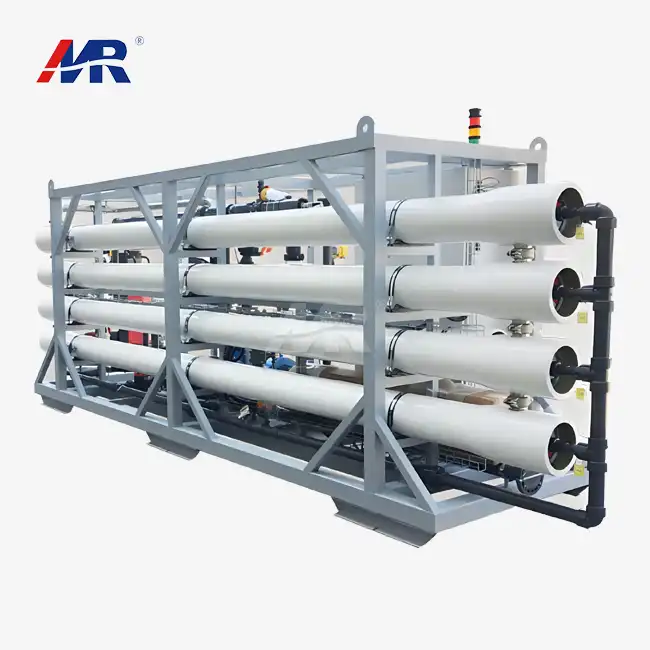 VIEW MORE12m3/hour seawater desalination equipment
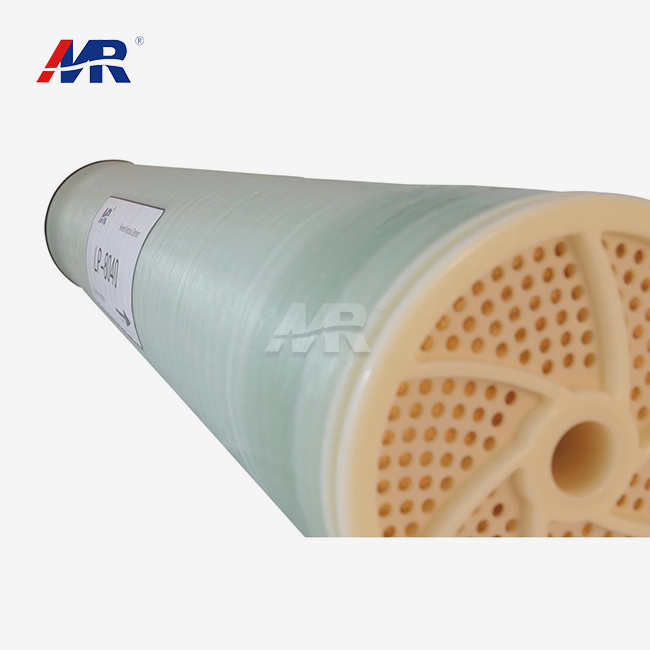 VIEW MOREmembrane used for reverse osmosis
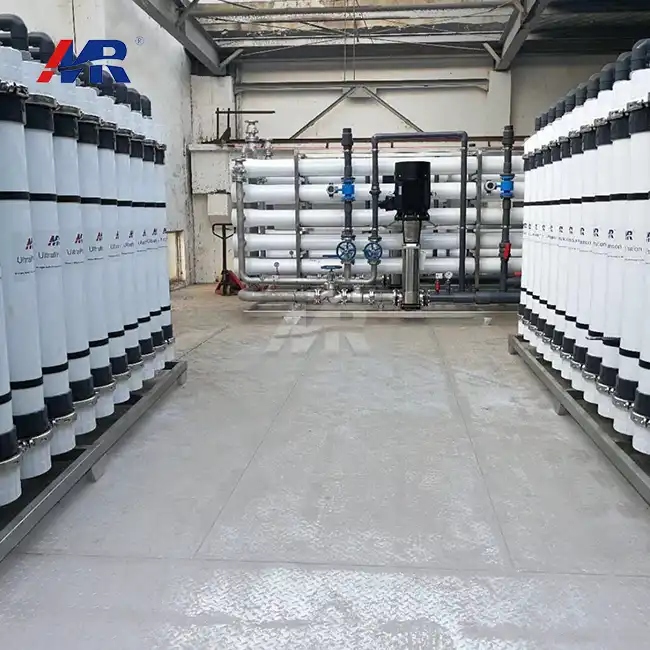 VIEW MORE2000m3/day ultrafiltration equipment
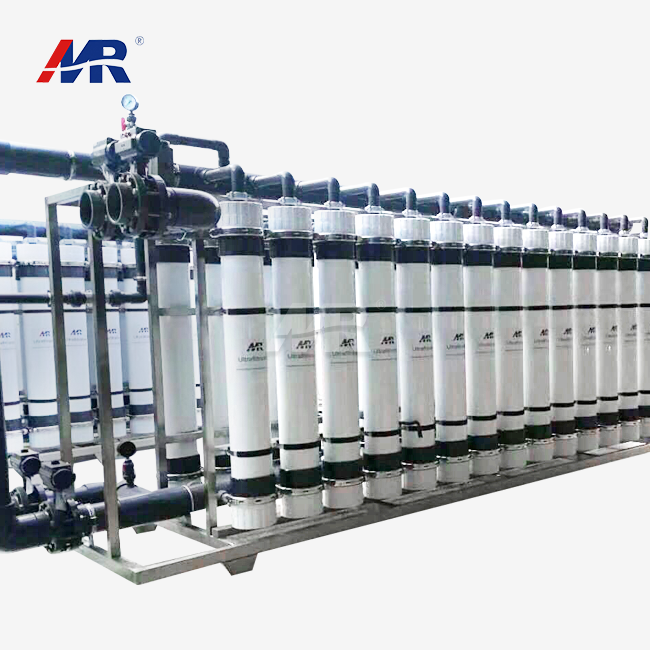 VIEW MOREUltrafiltration Systems
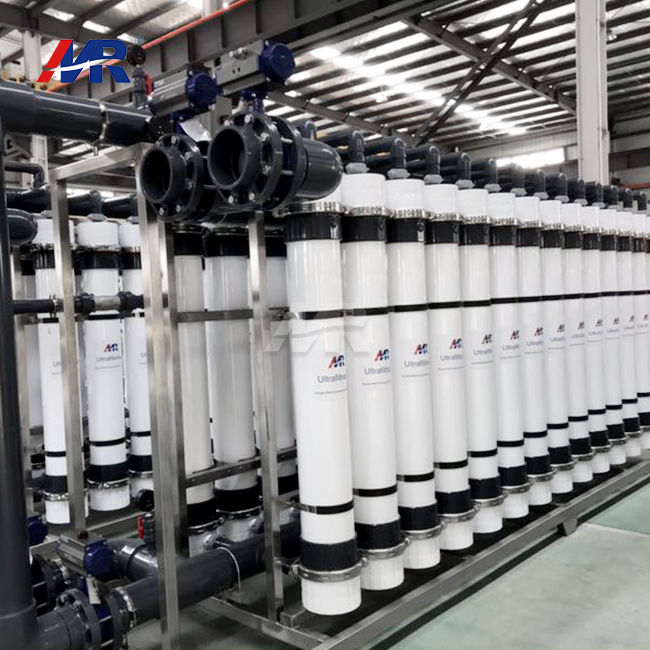 VIEW MOREultrafiltration machine
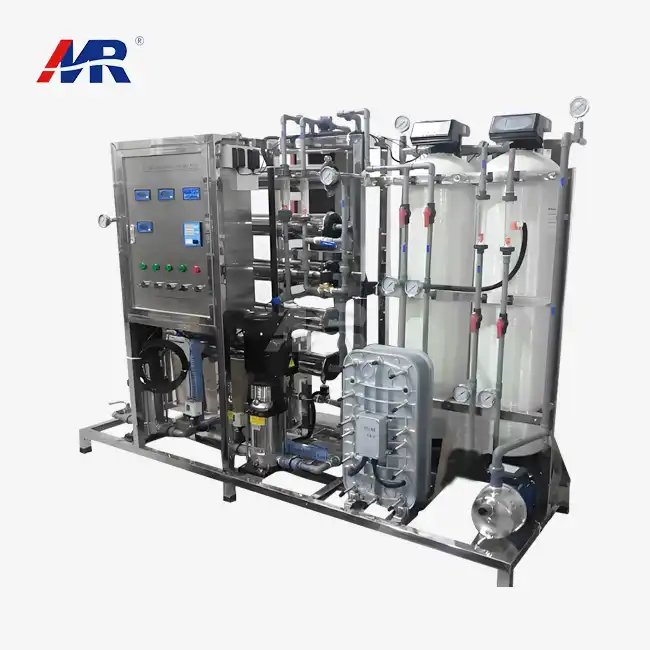 VIEW MORE1T/H EDI system
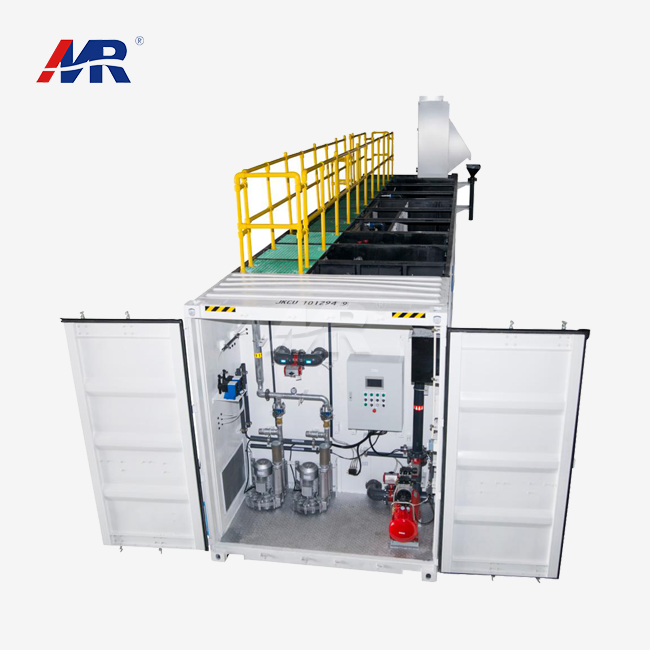 VIEW MOREhome sewage treatment plant
 VIEW MOREcontainer 3m3/hour RO equipment
