

_1745823981883.webp)

Reverse Osmosis Wastewater Treatment: Step-by-Step System Overview
The cutting-edge membrane technology used in reverse osmosis wastewater treatment gets rid of pollution in both business and household wastewater streams very well. This high-tech machine uses membranes that can let some things through but not others to separate dissolved solids, organic molecules, and other pollutants from dirty water. The pressure inside the membranes is managed. Businesses that need long-lasting ways to deal with water must also follow strict rules about environmental trash and reach their goals for cost-effective resource recovery. This technology is very important for them.

Understanding Reverse Osmosis Wastewater Treatment
These days, membrane technology has totally changed how wastewater is cleaned, especially in areas that need to gather and use clean water. The main way this technology works is by using hydraulic pressure to push water molecules through special walls that only let certain things through, like larger contaminants and substances that have been dissolved.
Fundamental Operating Principles
The process of osmosis takes water from places with few solutes to places with many solutes. It does this through a membrane barrier. Devices that use reverse osmosis change this natural process on purpose by adding pressure that is not part of the osmotic pressure. This makes clean water push through the membrane while gathering the dirty water on the feed side. Most of the time, this pressure-driven separation method gets rid of more than 95% of the dissolved salts and organic chemicals.
These days' membrane materials, like cellulose acetate and thin-film composite types, are very sensitive and last a long time, even when they are used in tough circumstances. These high-tech materials can handle changes in pH, temperature, and chemicals that happen a lot in industrial wastewater.
Industrial Applications and Benefits
Companies that make things in the electronics, food processing, and pharmaceutical businesses count on membrane-based water treatment systems for reverse osmosis wastewater treatment more and more to follow the rules and run smoothly. It is possible to reuse a lot of water thanks to this technology. This means that less freshwater is used and less trash needs to be thrown away.
Adoption is mostly pushed by protecting the environment, since treated effluent always meets or beats the standards for total dissolved solids, heavy metals, and organic contaminants. When a business is in an area with limited water or strict rules about the environment, this function is very helpful.
Step-by-Step Process of Reverse Osmosis Wastewater Treatment
When setting up a membrane treatment system, it's important to pay close attention to how the steps are done and what controls them. It gets better with each stage, making the system work better overall, the membrane lasts longer, and the medicine works better.
Pre-treatment Phase
Before it goes into the system, raw wastewater is treated in a number of ways that are meant to keep the membrane parts further down the line safe. The membrane works well and lasts as long as possible during this important time. Several important parts work together to make this happen.
Screening and filtering get rid of solids and bits that are stuck in the fluid and could stop membranes from working. Particles as small as 10 to 20 microns can be picked up by multimedia filters with sand, anthracite, and garnet. Cartridge filters polish the final product down to 1 to 5 microns.
Changes in pH, clotting, and antiscalant amounts are all chemical conditions that keep membranes from getting scaled and clogged. By carefully controlling the pH, you can get the most out of membranes and keep metal hydroxides or calcium carbonate from crystallizing. Chemicals that are antiscalants keep membranes from getting crystals. This means that they don't need to be cleaned as often, and the flow rates stay the same.
Membrane Filtration Stage
It is mostly done inside tubes that are under pressure and have hollow-fiber or spiral-wound membrane parts inside them. High-pressure pumps are used to get the permeate flow rates that are needed and to overcome the osmotic pressure.
Many times, the operating pressure is between 150 and 800 PSI for reverse osmosis wastewater treatment, but this can change based on the feed water quality and the desired recovery rate. The system is made up of several membrane parts that can be set up in either series or parallel to get the best treatment results while keeping the conditions stable.
Keeping the temperature in check makes a big difference in how well the membrane works. The best temperature range is between 15°C and 25°C for most tasks. When the temperature goes up, more percolate flows through, but the barrier may break down faster. When temps drop, output goes down, and the pressure needs to be changed.
Post-treatment and Recovery
One more step is taken to make sure the cleaned permeate passes quality standards or is ready to be used for the last time. After the treatment, the pH may need to be changed, the surface may need to be disinfected or cleaned more with activated carbon or ion exchange resins.
Flow control is another important thing to think about because this high-salinity stream needs to be thrown away properly or cleaned more. Modern facilities use concentrate reduction technologies like evaporators and crystallizers to meet their goals of having no liquid emissions.
Comparative Insights: Reverse Osmosis vs Other Wastewater Treatment Methods
When procurement experts look at treatment methods, they have to consider many factors, including how well they work, how much they cost, and how reliable they are over time. Membrane-based systems are clearly better than older ways of treating problems, but they need extra care when they are being set up and used.
Performance Comparison Analysis
Chemicals and nutrients are easy for biological cleaning systems to get rid of, but salts and some industrial contaminants are hard for them to break down. Activated carbon adsorption is good at getting rid of some organic chemicals, but it needs to be replaced often and isn't very good at getting rid of man-made contaminants.
Mesh filters for reverse osmosis wastewater treatment are better at getting rid of heavy metals, liquid solids, and complex chemical compounds all at once. The quality of the permeate can stay high even when the feed water changes, and recovery rates of 75% to 86% can be reached.
Economic Considerations
It usually costs more to set up a membrane system than it does to use other types of cleaning technology, but the benefits generally make up for the extra money. Energy costs are the main thing that a business has to pay for. Pressure transfers and high-efficiency pumps are used in modern devices to get energy back.
Different types of feed water and how the business is run can change how much it costs to replace a barrier every three to seven years. When membranes are properly prepared and maintained, they last a lot longer and keep working at their best for as long as they are in use.
Maintenance and Efficiency Optimization for RO Wastewater Systems
For a business to be successful in the long term, it needs to have thorough repair plans and continued improvement strategies. Instead of spending a lot of money on downtime, proactive ways make treatment more effective, and membranes last longer.
Routine Maintenance Protocols
Running pressures, permeate flow rates, and water quality factors are all checked every day as part of the research process. These signs change over time, which lets us know about possible problems early on, before they get worse and need emergency help.
Plans for using chemicals to clean depend on what the feed water is like and how often it gets dirty. Every one to three months, chemicals made to get rid of certain kinds of foulants need to be used to clean most systems. When you clean the membrane properly, it lets the water flow again and keeps its ability to block salt.
Performance Optimization Strategies
Some machines use hydraulic energy from concentrate streams to move water to feed water. This makes 30 to 60 percent less power needed. Making a system work better has been done for a long time with machine pressure exchanges and energy return machines.
Automation systems for reverse osmosis wastewater treatment let you precisely control practical factors while reducing the need for people to do work. To keep the system going at its best while keeping costs as low as possible, advanced control methods figure out the best ways to clean, recover, and dose chemicals.
When you do regular performance analysis, you find ways to make things better and trends that point to possible problems. Keeping track of data and looking for patterns can help with forecast maintenance. This way, equipment won't break down when you least expect it, and it will last longer.
Procurement Guide and Strategic Sourcing
When picking providers and tools, you should think about how professional they are, how good their customer service is, and how likely it is that you can work with them for a long time. How well projects and processes run depends a lot on the strategic choices that are made about what to buy.
Supplier Evaluation Criteria
Technical know-how is needed for the application to go well because the system has to be designed with the garbage and cleaning goals in mind. Testers with a lot of experience can set up systems, test applications, and do case studies that are tailored to each one.
Standards for quality control and the skills needed to make things make sure that technology always works well and can be counted on. Well-known businesses have strict testing methods, high-quality standards, and a track record of success in many different types of industries.
Partnership Advantages with Morui
Guangdong Morui Environmental Technology Co., Ltd. really knows how to clean water, and they work with businesses in the local, medicinal, and industrial fields. We do everything: we give you the tools, set it up, and keep giving you expert help to make sure the system works well.
Our tech team has worked in this field for more than 20 years and can solve garbage problems in new and creative ways. We have 14 offices and 500 dedicated workers, so we can help people quickly in their area and make sure that all of our projects meet the same high standards of quality.
We can make things for reverse osmosis wastewater treatment because we have our own plant for making membranes and other centers for handling different kinds of tools. This lets us keep an eye on quality and keep prices low. When you work with top component suppliers like Shimge Water Pumps and Runxin Valves, you can use tried-and-true technologies in solutions that work together.
Conclusion
Treatment of wastewater with reverse osmosis has been shown to solve tough water issues in factories while also following the rules and meeting environmental goals. This technology is an important part of how wastewater is managed now because it can get rid of many toxins, reuse water, and be used for many different things. To be successful, you need to carefully plan your system, pick the right tools, and fix it in a way that ensures it will work well and reliably for a long time.
FAQ
Q1: What types of wastewater are suitable for reverse osmosis treatment?
Mesh systems can clean up a lot of different types of commercial pollution. These systems can deal with wastewater that has heavy metals, dissolved salts, biological molecules, and different types of industrial toxins. Many types of businesses, like those that make things, make medicines, prepare food, or work with chemicals, need to collect water from wells.
Q2: How often should the membranes be replaced?
Membranes should be changed every 3 to 7 years, but this depends on the feed water quality, how well the pre-treatment works, and how well the system is run. When done right, chemical cleaning, operating tracking, and preventative maintenance can make a membrane last a lot longer and keep it running at its best.
Q3: What energy conservation measures can reduce operating costs?
Tools that collect energy, like pressure swaps and compressors, use the hydraulic energy from concentrate streams to make 30 to 60 percent less power use. Use of variable frequency drives, high-efficiency pumps, and improved work plans are some other ways to save energy.
Partner with Morui for Advanced Wastewater Treatment Solutions
Discover how Morui's full reverse osmosis wastewater treatment systems can change how your building deals with water. As a top maker and provider, we can give you options that are made to fit the wants of your business. Our track record in the pharmaceutical, industrial, and local sectors shows that we are committed to long-term water cleaning and running a successful business. If you're having trouble handling wastewater, email our technical experts at benson@guangdongmorui.com to talk about it. They can help you find out how our cutting-edge membrane technologies can help you run your business more efficiently while also following the rules and being good to the environment.
References
1. Membrane Science and Technology Association. "Industrial Membrane Applications in Wastewater Treatment." Journal of Membrane Technology, vol. 45, no. 3, 2023, pp. 234-251.
2. Environmental Protection Agency. "Best Available Technology Guidelines for Industrial Wastewater Treatment." EPA Technical Report 832-R-23-004, 2023.
3. International Water Association. "Membrane Bioreactor Technology for Advanced Wastewater Treatment." Water Research and Technology Review, vol. 78, no. 2, 2023, pp. 445-462.
4. American Water Works Association. "Reverse Osmosis System Design and Operation Manual." AWWA Manual M46, Fourth Edition, 2023.
5. Water Environment Federation. "Industrial Water Reuse and Recovery Technologies." WEF Technical Practice Committee Report, 2023.
6. Global Water Research Coalition. "Membrane Technology Performance Assessment in Industrial Applications." Water Technology International, vol. 29, no. 4, 2023, pp. 67-84.
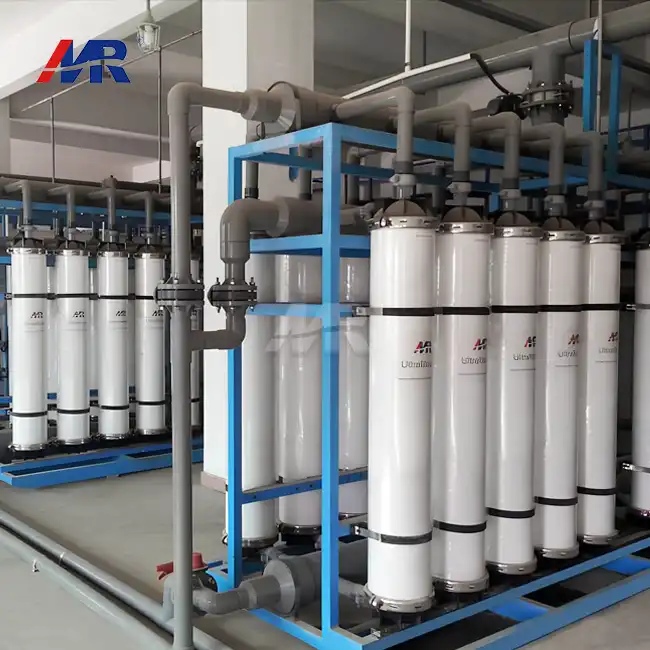 VIEW MORE20m3/hour ultrafiltration equipment
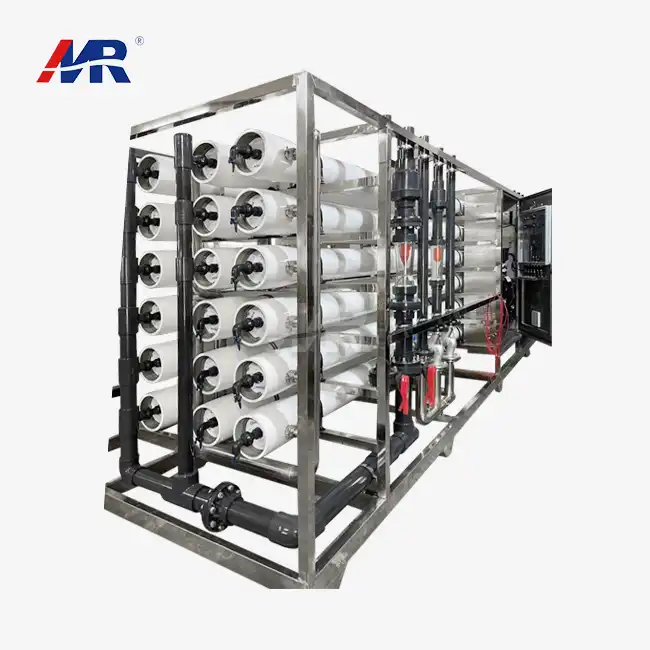 VIEW MORE100m3/hour reverse osmosis equipment
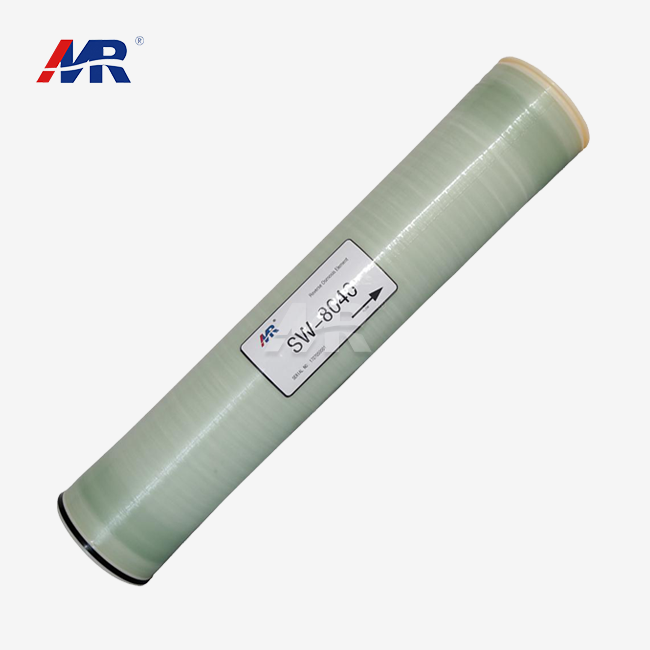 VIEW MORE8040 seawater reverse osmosis membrane
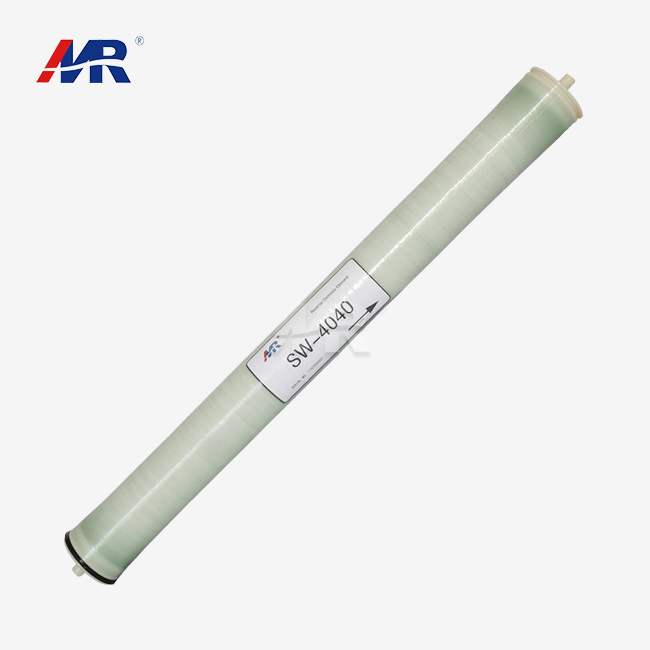 VIEW MORE4040 seawater reverse osmosis membrane
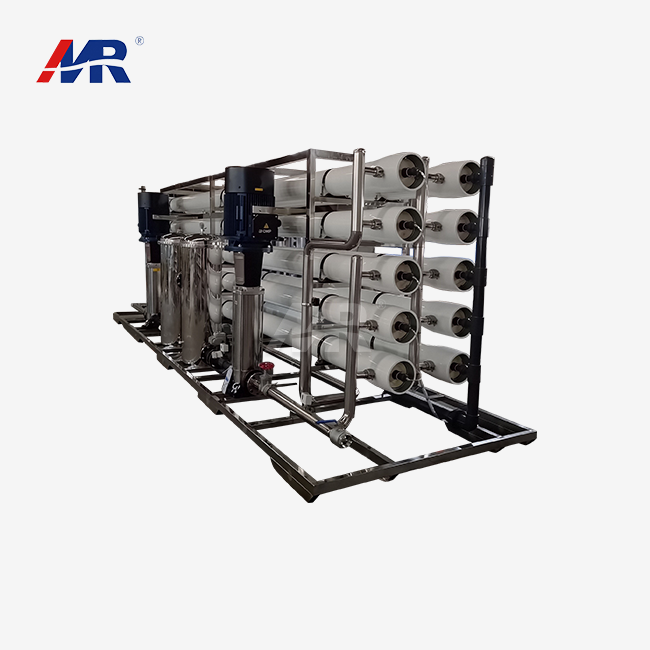 VIEW MORE2 stage reverse osmosis system
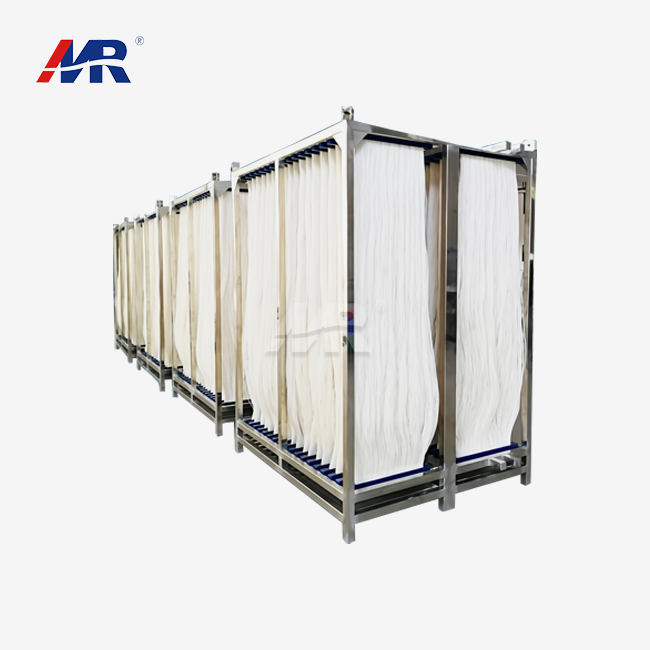 VIEW MOREbioreactor wastewater treatment
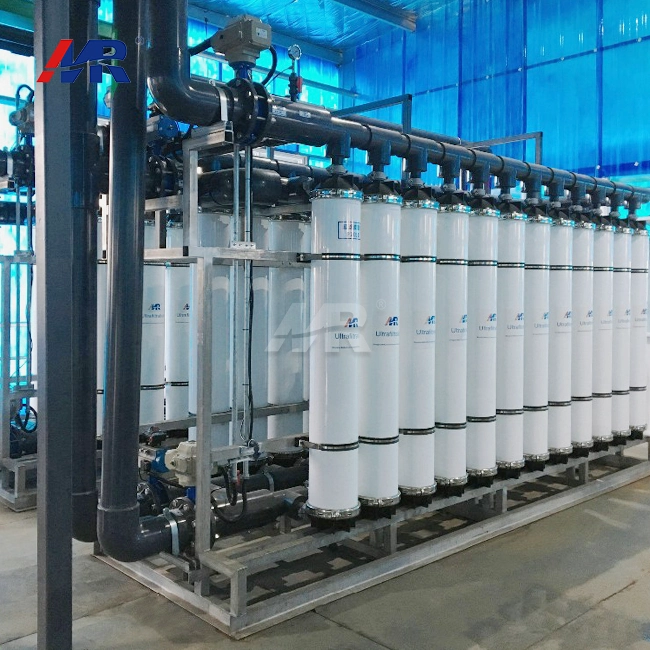 VIEW MOREultrafiltration equipment
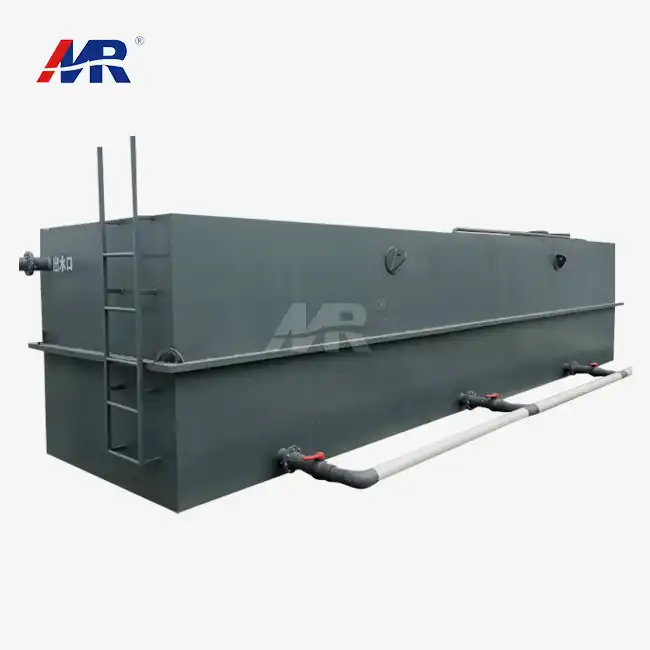 VIEW MOREportable wastewater treatment plant
