_1745823981883.webp)

What is an ROI Water System and How Does It Work? A Complete Guide
In an ROI Water System, modern water treatment technology like reverse osmosis is combined with new optimization features to provide better water quality for business and industry uses. Intelligent tracking and semi-permeable membranes are used in these systems to get rid of contaminants while also increasing operating efficiency and return on investment. Multiple filtration steps and automatic controls are built into the technology to make sure that the water quality always meets strict industry standards for food processing, pharmaceutical manufacturing, and other applications.
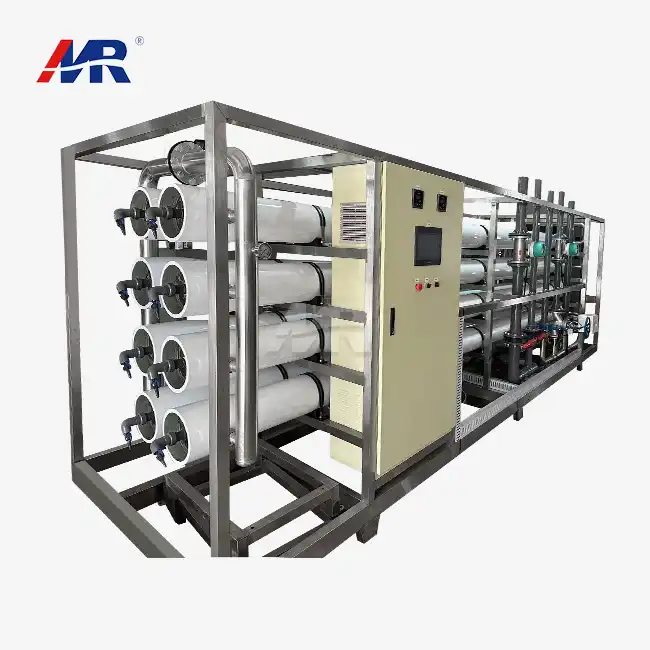
Understanding the ROI Water System
By mixing standard reverse osmosis technology with advanced optimization features, ROI water systems have changed the way companies clean water. These systems are a big step forward in how well water is treated. They give businesses a complete answer that handles both concerns about water quality and operational costs.
Core Components and Technology
The most important part of any ROI water system is how well its parts work together. Modern systems use multiple stages of filtering, starting with sediment pre-filters and moving on to activated carbon filtration and finally high-performance reverse osmosis membranes. The unique thing about ROI technology is that it has built-in tracking systems that keep an eye on water quality, membrane performance, and system efficiency all the time.
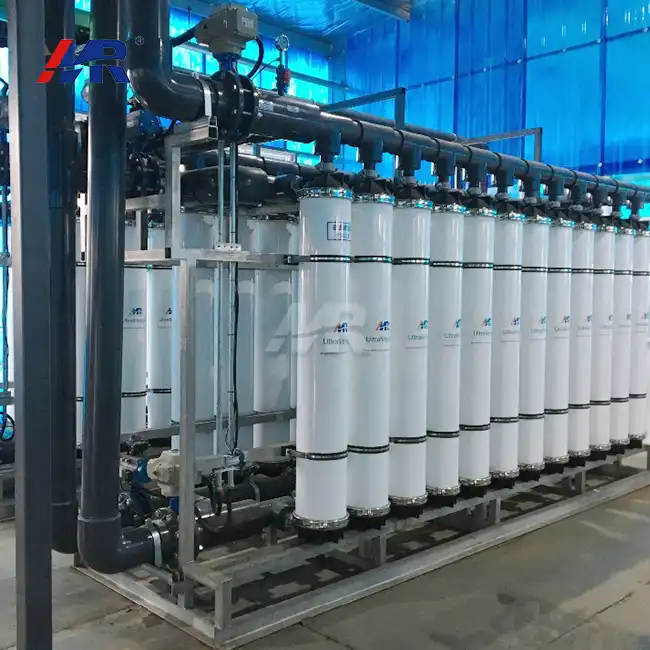
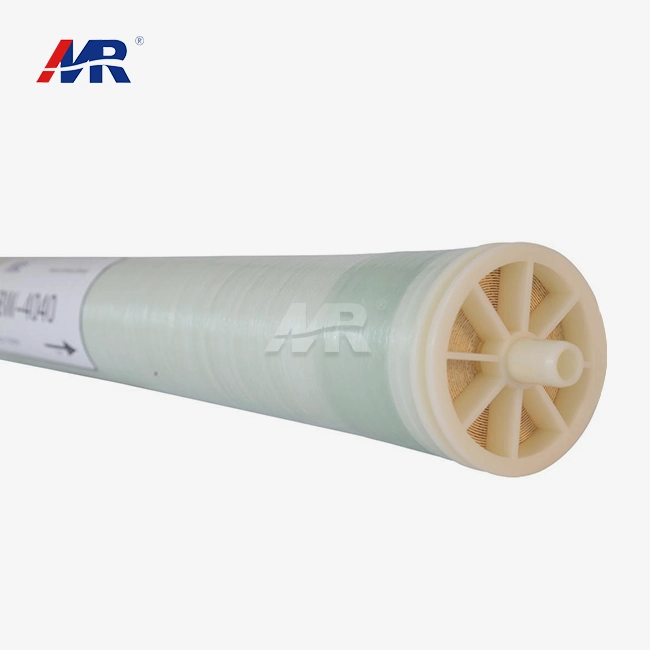
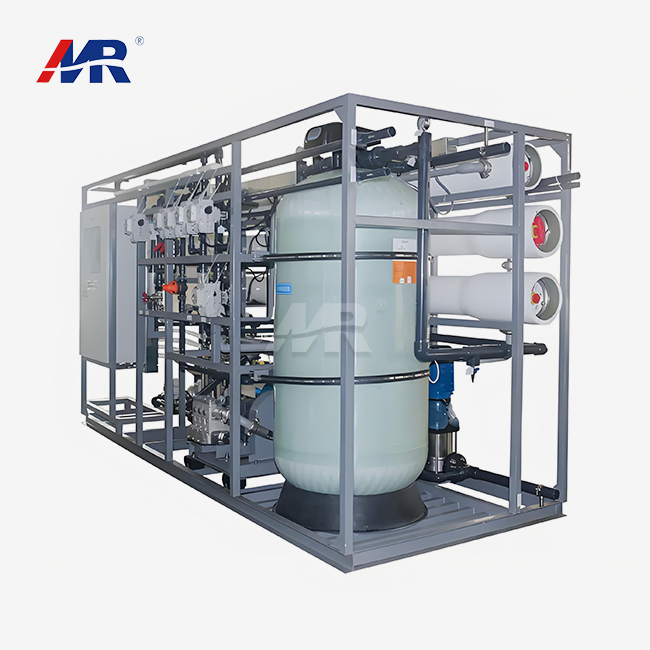
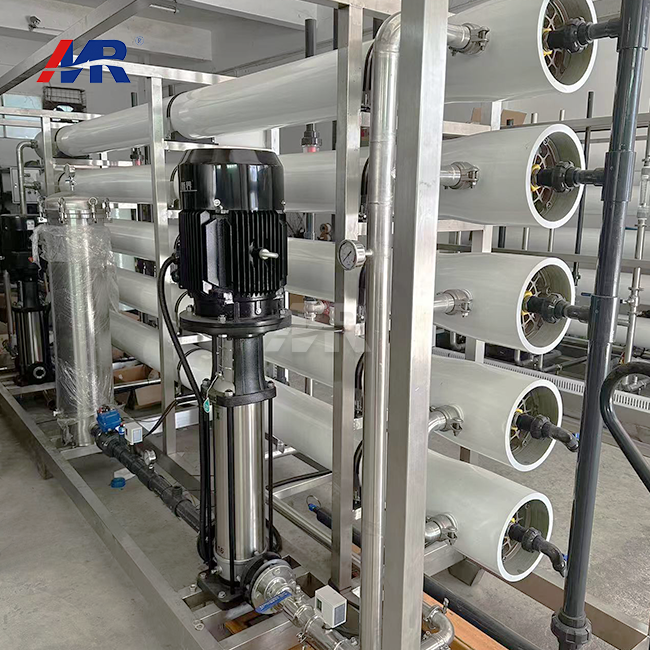
The semi-permeable membranes that are at the heart of the cleaning process are housed in high-tech pressure tanks. There are tiny holes in these membranes that let water molecules pass through but stop contaminants, dissolving solids, and dangerous substances. The smart control panels of the system show real-time information on total dissolved solids, flow rates, and membrane condition. This lets workers improve performance and figure out when a repair is needed.
Step-by-Step Purification Process
Businesses can figure out how much their investments are worth by learning how ROI systems clean water. The process starts when the source water goes through the pre-treatment stage. This is where bigger particles and chlorine are taken out to protect the parts that come after. The water then goes through high-pressure pumps that push the membranes against each other.
Membrane filtration lets water molecules pass through a semipermeable barrier, but contaminants are turned away and sent to the concentrate stream. The clean water, which is now known as percolate, moves to holding tanks or straight to where it is needed. Modern ROI systems have automatic flushing processes that keep the membrane clean and extend its useful life, which lowers the cost of repair and downtime.
Key Benefits for Industrial Applications
ROI water systems offer measured benefits that have a direct effect on how a business runs and how much money it makes. Better stability in the water quality makes sure that strict quality standards are met during the manufacturing process, which cuts down on product flaws and waste. The energy-efficient design of the technology lowers operating costs while providing better water treatment than traditional systems.
Some benefits of sustainability are using fewer chemicals, making less trash, and making tools last longer. These things help companies meet their environmental and economic goals while also cutting costs. The flexible design of the systems lets the capability grow as the needs of the business do. This protects the initial investments and gives the business the ability to grow.
Technical Insights and Maintenance of ROI Water Systems
Modern reverse osmosis (RO) technology is different because it has new features that solve problems that older RO systems have. These improvements focus on saving energy, making membranes last longer, and making sure they work reliably so they can do a better job in tough industrial settings.
Innovative Features and Differentiators
ROI systems use a lot less energy than fixed-speed systems because they have variable frequency drives that make the pumps work better based on real-time demand. Advanced membrane chemistry and design changes raise rejection rates while working at lower pressures, which makes membranes last longer and need to be replaced less often.
Instead of setting fixed times, integrated cleaning systems start membrane cleaning processes automatically based on data from performance tracking. This smart method keeps performance at its best while reducing the need for chemicals and system downtime. Smart monitoring features send out repair alerts ahead of time, so workers can fix problems before they affect production.
Integration with Existing Infrastructure
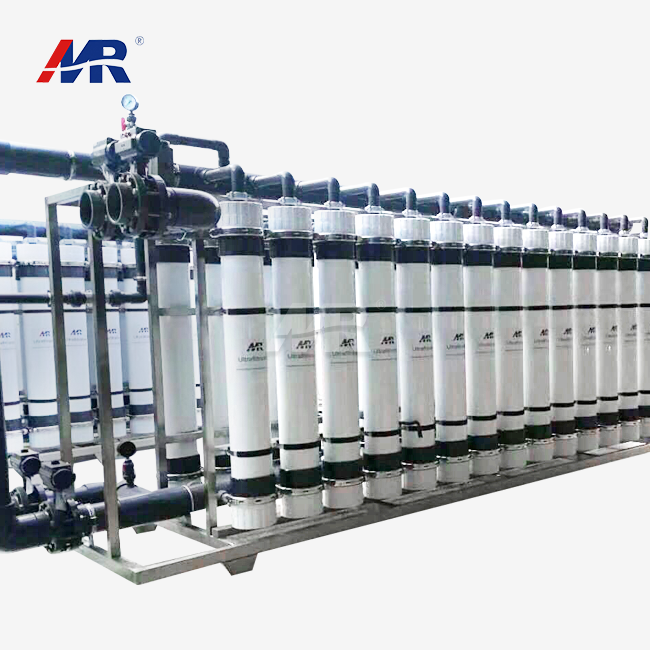
Putting in place an ROI system that works well requires careful thought about the water management infrastructure that is already in place. Modern systems have adaptable connection choices that work with pipes of different sizes and shapes, making installation easier and cheaper. Pre-engineered skid-mounted units make integration easier by delivering full systems that only need a small amount of setup on-site.
Control system compatibility makes sure that new systems can talk to older building management systems without any problems, allowing for centralized control and tracking. With remote tracking, building managers can keep an eye on how the system is working and get alerts from anywhere, which speeds up response times and makes operations more efficient.
Maintenance Guidelines and Best Practices
Maintenance that is done on a regular basis is what makes an ROI system work reliably. As part of daily tracking, readings of pressure, flow rates, and water quality factors are looked at to spot any problems early. Every week, mechanical parts like pumps, valves, and pressure tanks are inspected to make sure they are working properly and find wear patterns.
As part of the monthly maintenance, the membrane's performance is checked, the cleaning system is inspected, and the pre-filter is replaced based on readings of the pressure difference. Comprehensive repair done once a year includes a close look at all the parts, confirmation of the measurements, and improvement of performance. Proper repair paperwork helps keep track of trends in system performance and find the best times to replace parts.
ROI Water System vs Alternatives: A Comparative Analysis
To choose the best water cleaning technology, you need to know how ROI systems stack up against other options. Each technology has its own benefits that depend on the needs of the application, the goals for water quality, and the limitations of the operation.
Technology Comparison Overview
Sand filters and cartridge systems are two examples of traditional filtering methods. They are good at getting rid of small particles, but they can't get rid of dissolving contaminants that affect industrial processes. Microorganisms can be killed by ultraviolet decontamination, but it doesn't get rid of chemical contaminants or dissolved solids that can hurt sensitive equipment.
An activated carbon filter is great at getting rid of chlorine and organic compounds, but it needs to be replaced often and can't handle minerals or salts. The process of distillation makes very pure water, but it takes a lot of energy and works slowly, so it's not good for large-scale uses.
ROI systems take advantage of the good things about several technologies while also working around their flaws. The result is complete water cleaning that keeps the standard high while keeping costs low.
Operational Efficiency Analysis
The amount of energy used is a key part of the total cost of ownership for water cleaning equipment. ROI technology usually uses 30 to 50 percent less energy than similar evaporation systems while still making water of the same quality. Modern pressure recovery systems use the energy in the concentrate stream to lower the total amount of power needed.
Different technologies have very different maintenance needs. While UV systems need new lamps every year and activated carbon systems need new media all the time, ROI systems can go two to three years without replacing their membranes as long as everything works as it should. This longer service life cuts down on repair costs and downtime.
Industrial Suitability Assessment
Different businesses have different needs when it comes to water quality, which affects the choice of technology. For making medicines, the water has to meet strict pharmacopeial standards. Because they can consistently perform and validate, ROI systems are perfect for this. The ability of ROI technology to get rid of taste and odor compounds while keeping sanitary safety in mind is helpful for food and drink businesses.
To make electronics, you need water that is very clean and has almost no ions in it. You can get this kind of water by using ROI systems along with electrodeionization. Power plants need reliable water treatment that keeps scaling and rust to a minimum. ROI technology is great at this because it can get rid of all kinds of contaminants.
Procurement Considerations for ROI Water Systems
Businesses can make smart choices that fit their budgets and operational goals when they understand the financial aspects of the ROI water system buying. A full cost study looks at the original investment, the costs of setting up the system, and the ongoing running costs.
Pricing Structures and Budget Planning
The price of an ROI system depends on how much volume is needed, how clean the water needs to be, and how much technology is needed. Basic systems that are good for small businesses usually require modest to large expenses, while industrial-scale systems need a lot of money. But the higher starting costs are often worth it because the technology makes things more efficient, which lowers running costs.
Installation costs depend on how the site needs to be prepared, how utilities need to be connected, and how complicated the combination is. Because they don't need to be built on-site, pre-engineered systems cut down on building time and costs. Detailed planning of the project during the design phase helps find possible cost factors and keeps operational costs from being higher than planned.
Supplier Selection and Distribution
When you choose qualified suppliers, you can be sure that you will have access to reliable goods, expert help, and service. When you buy from a well-known company with a history of great Products, you can be sure that you will get long-term help. Local support from regional wholesalers is helpful, as they can provide faster service responses and lower shipping costs for new parts.
Companies that need more than one system or are planning to adopt them in stages may be able to save money by buying in bulk. But buyers should weigh the savings in costs against the need for storage space and changes in technology that could affect future installs.
Financing and Support Options
There are different ways to finance water treatment changes that help groups keep track of their capital expenditure needs. Leasing programs for equipment spread out costs over time so that money can be saved for other assets. Some sellers offer performance-based financing, in which payments are based on how well the system works. This makes the goals of both the supplier and the customer more aligned.
A full warranty guards you against production flaws and parts that fail before they should. Options for longer warranties offer extra security for important applications that lose a lot of money when they go down. Service agreements make sure that you can get trained techs and original new parts for as long as the system lasts.
Real-World Applications and Effectiveness
There is a lot of value in ROI water systems in many different types of industries. They improve water quality, operating efficiency, and cost management in measured ways. These real-world examples show how the technology can be used and what needs to be thought about when putting it into practice.
Case Studies Across Industries
A pharmaceutical factory got rid of an old distillation system and replaced it with a ROI water system. This cut their energy costs by 40% and made the water quality more consistent. The new system's automated monitoring features cut down on the amount of work that needed to be done and gave detailed records for legal compliance. Maintenance downtime was cut down, and running costs were made more regular. This made production more reliable.
A company that processes food used ROI technology to fix problems with the taste and smell of their local water supply, which was lowering the quality of their products. The method stopped changes in the quality of the source water that happened with the seasons, and cut down on the cost of chemical treatment. Improving the quality of the product cut down on trash and made customers happier, showing a clear return on investment.
Integration Strategies and Optimization
For ROI system integration to go smoothly, it needs to be carefully planned, taking into account the current infrastructure, working processes, and plans for future growth. Using phased deployment methods lets businesses check for performance gains with as little downtime as possible. During transition times, parallel operation makes sure that there is a steady flow of water while new systems are set up and improved.
Fine-tuning working parameters to meet the needs of a particular application is part of performance optimization. Changing the recovery rate is a good way to save water and extend the life of the membrane. Optimum pressure reduces energy use without affecting the quality of the water. Regular reviews of performance find ways to make things even better and make sure that things keep running at their best.
Future Trends and Technology Evolution
Technology for treating water is always changing to meet new obstacles and take advantage of new possibilities. New membrane materials offer better performance and longer service life, which will lower costs and upkeep needs. Integrating artificial intelligence allows for predictive maintenance and self-operation, which reduces the need for human input while increasing performance.
Environmental laws make people want more environmentally friendly ways to treat water, and ROI technology is a good fit because it uses fewer chemicals and less energy. Adding green energy sources makes things even more sustainable while lowering the costs of running the business. Based on these trends, it looks like more and more businesses will start using ROI waters systems.
Conclusion
ROI water systems are a big step forward in the technology used to clean water. They offer businesses complete solutions that meet their water quality needs while also reducing costs and improving working efficiency. The technology combines tried-and-true reverse osmosis principles with new ways to improve performance, making it better for a wide range of commercial uses. Organizations can make choices that are in line with their operational goals and spending limits when they know about the technical skills, maintenance needs, and buying factors. As rules about water quality get stricter and worries about the environment grow, ROI systems offer a solution that is ready for the future and meets both current needs and new challenges.
FAQ
Q1: How often do ROI water systems require maintenance?
Basic factors must be checked every day on ROI systems, and major parts must be inspected visually every week. Changes to the pre-filter every month and thorough checks every three months are part of routine upkeep. Depending on the water quality and how often it is used, membranes should be replaced every two to three years. Keeping good records of maintenance helps find the best replacement times and makes sure that everything works properly.
Q2: Are ROI systems compatible with existing water treatment infrastructure?
Modern ROI systems are designed to be flexible so they can be installed in several different ways and connect to different devices. Pre-engineered skid-mounted units make integration easier by reducing the need for building on-site. Control system compatibility makes sure that current building management systems can talk to each other without any problems. Professional advice during the planning part helps find possible problems with compatibility and come up with good answers.
Q3: What certifications and standards do ROI systems meet?
High-quality ROI systems meet all the necessary industry standards, such as NSF/ANSI certification for use with drinking water and FDA guidelines for use with drugs and food preparation. ISO standards are often used by manufacturing quality systems to make sure that the quality of the products is always the same. Certain certificates are needed for certain uses and should be checked during the buying process.
Partner with Morui for Advanced ROI Water System Solutions
Morui has a lot of experience with water treatment technology and can provide a wide range of services. This makes us the perfect ROI water system provider for tough industrial uses. Twenty expert engineers and state-of-the-art production facilities make sure that every system works perfectly and is reliable. No matter if you need a small system for the lab or a big industrial ROI water system for production, our unique solutions will meet your needs while also giving you great value and long-term support. Get in touch with our technical experts at benson@guangdongmorui.com to talk about your water treatment needs and find out how our tried-and-true ROI technology can help your business run better while cutting costs and harming the environment.
References
1. Water Quality Association. "Reverse Osmosis and Membrane Technology Standards for Industrial Applications." Water Treatment Technology Review, 2023.
2. International Desalination Association. "Advanced Membrane Technologies in Industrial Water Treatment: Performance and Cost Analysis." Industrial Water Technology Journal, 2024.
3. American Water Works Association. "Energy Efficiency in Water Treatment Systems: Comparative Analysis of Modern Technologies." Water Infrastructure Technology Report, 2023.
4. Environmental Protection Agency. "Industrial Water Treatment Guidelines and Best Practices for Membrane-Based Systems." Federal Water Quality Standards, 2024.
5. Institute of Electrical and Electronics Engineers. "Smart Monitoring and Control Systems in Industrial Water Treatment Applications." IEEE Water Technology Standards, 2023.
6. National Sanitation Foundation International. "Certification Standards for Commercial and Industrial Water Treatment Equipment." NSF Water Treatment Equipment Guidelines, 2024.