_1745823981883.webp)

Understanding Wastewater Contaminant Removal Through Reverse Osmosis Filtration
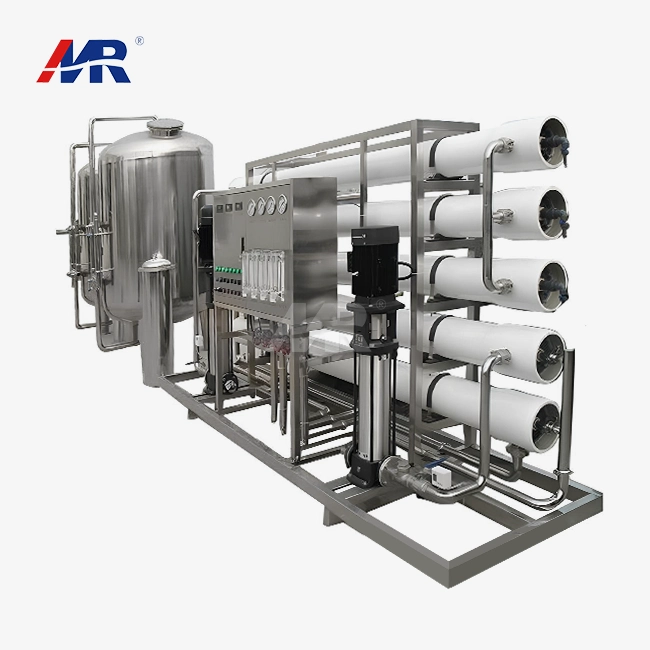
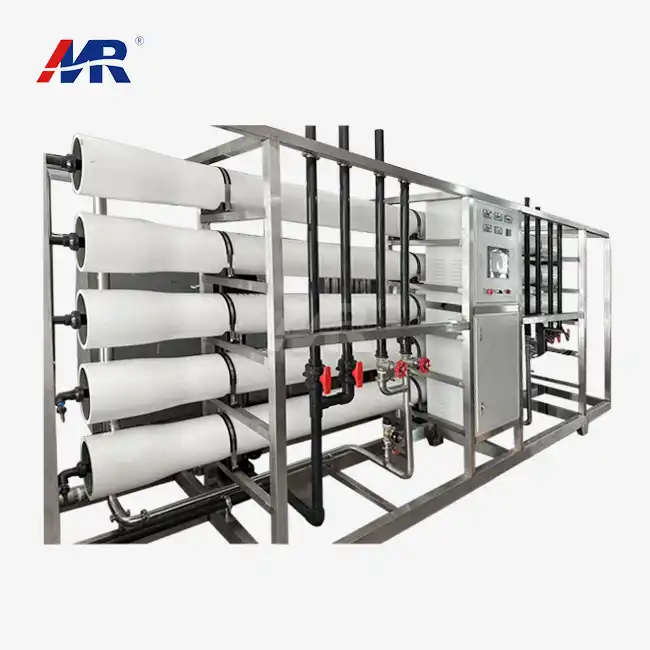
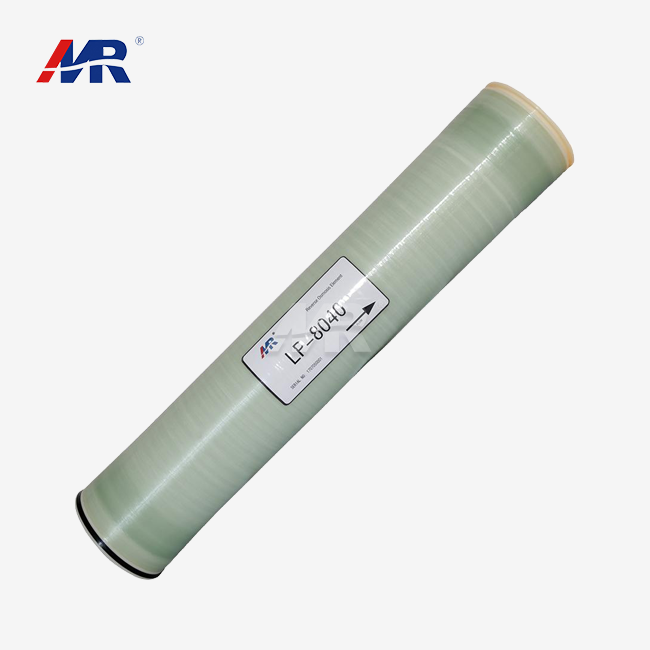
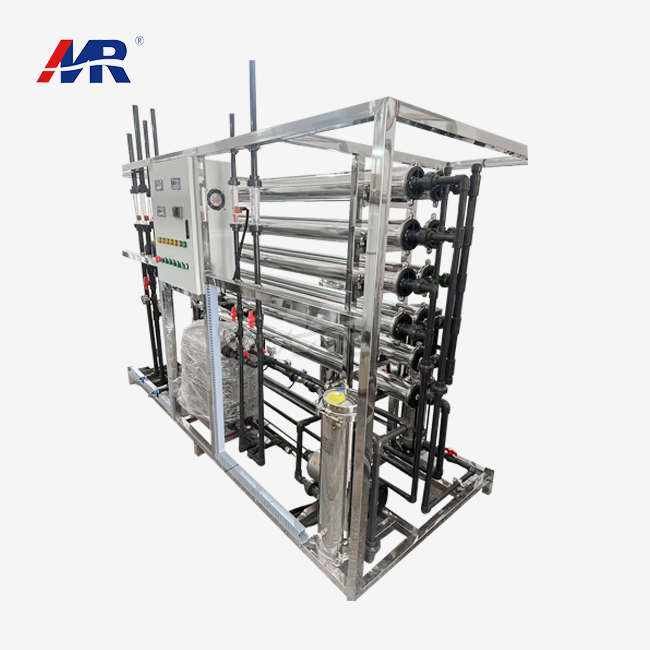
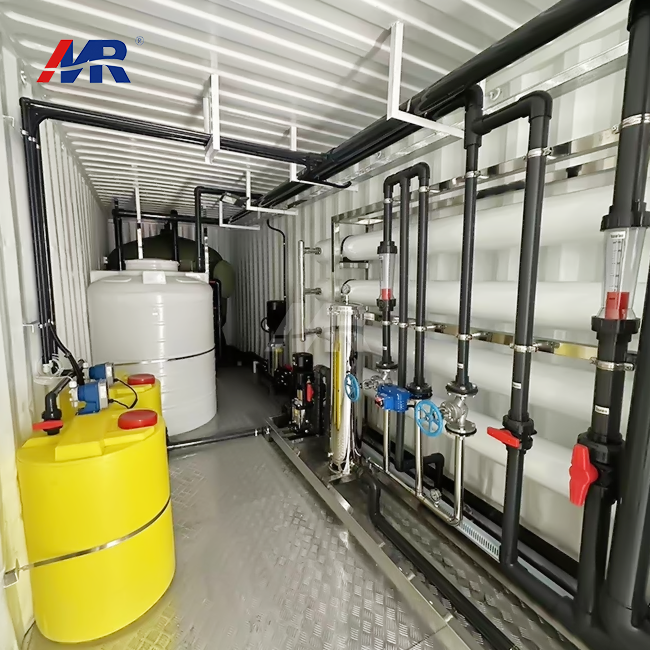
To fully understand how reverse osmosis filters remove contaminants from wastewater, you need to know how semipermeable membranes separate dissolved solids, heavy metals, and organic chemicals from tainted water. Under pressure, the ro membrane technology forces water molecules through tiny holes while ignoring bigger particles of dirt and other impurities. It is very effective at cleaning, usually getting rid of 95–99% of all dissolved solids. This makes it an important way to treat wastewater in factories, pharmaceutical settings, and urban areas. Modern reverse osmosis systems are the best way to treat water to a high level that meets strict practical and environmental standards.
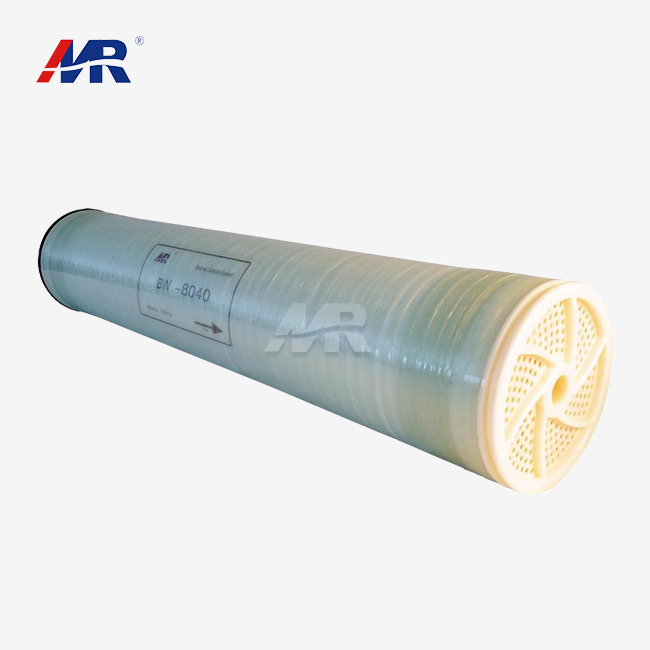
How Reverse Osmosis Membranes Work in Wastewater Filtration?
Reverse osmosis membrane technology is the basis of modern wastewater treatment. It works by using pressure-driven separation principles to get very good cleaning results. Depending on the application and amount of contamination, the basic process includes pushing dirty water through thin-film composite membranes at pressures ranging from 150 to 1,200 psi.
The Science Behind Membrane Separation
To make reverse osmosis work, chemicals and sizes are pushed out of the system. Water molecules, which are about 0.28 nanometers wide, can easily pass through the selective barrier of the membrane. However, dissolved salts, heavy metals, and organic compounds are trapped and gathered in the reject stream. Many industrial pollutants, such as calcium, sodium, magnesium, arsenic, lead, and chromium, are removed at rates higher than 99% by this molecular-level filter.
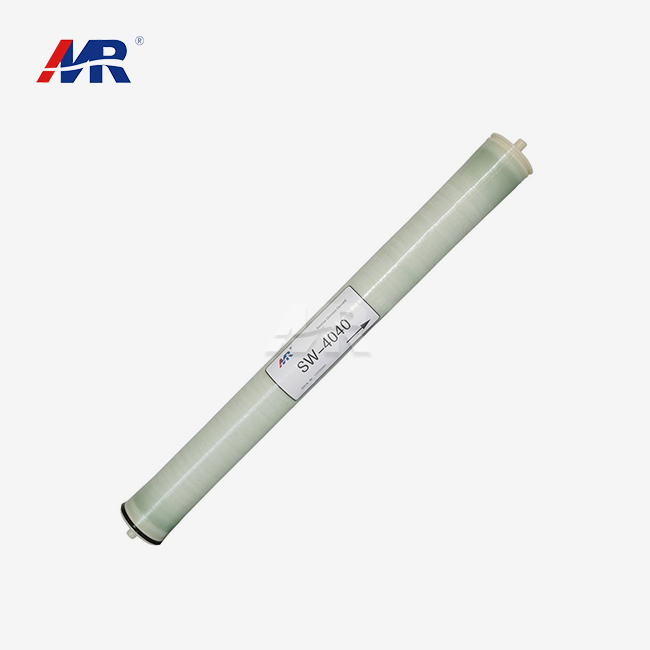
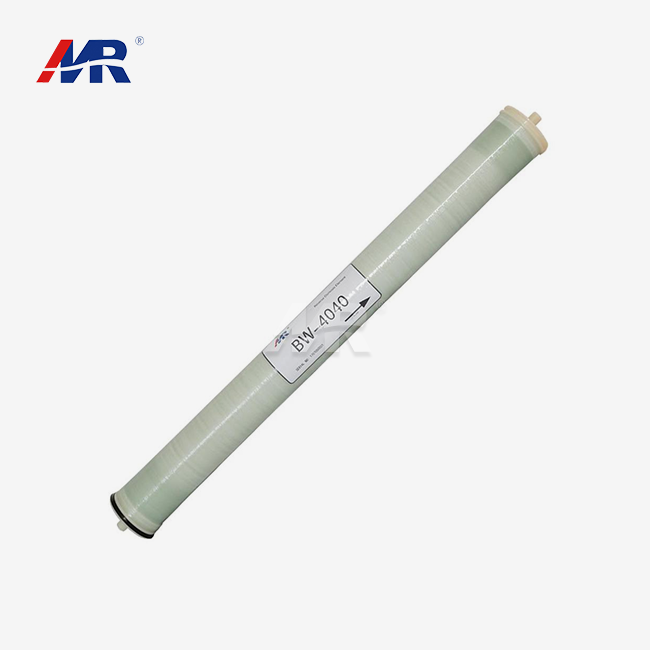
Three separate layers make up the RO membrane structure: a polyester support layer, a polysulfone middle layer, and an ultra-thin polyamide active layer. The selective barrier that keeps contaminants out is in the polyamide layer, which is less than 200 nanometers thick. This complex arrangement makes sure that the water flows smoothly while still separating it very well.
Distinguishing RO from Other Membrane Technologies
Knowing the differences between membrane filter methods helps people who work in procurement choose the best solutions for each wastewater treatment problem. Ultrafiltration works at lower pressures (10–100 psi) and mostly gets rid of germs, big molecules, and solids that are suspended in water. Nanofiltration is a type of filtration that works between UF and RO. It removes divalent salts and organic molecules selectively while letting monovalent salts pass through.
Reverse osmosis is the most effective pressure-driven membrane process for cleaning water, so it is perfect for uses that need to meet strict standards for water quality. Because it can get rid of dissolved ions, trace metals, and small organic molecules, the technology is essential for making medicines, electronics, and water treatment systems for cities.
Benefits and Lifecycle Management of RO Membranes for Industrial Use
Industrial reverse osmosis systems offer strong operating benefits that lead directly to higher output and lower environmental impact. These benefits go beyond just cleaning water; they also include saving energy, reusing materials, and making Products in a way that doesn't harm the environment.
Operational Advantages and Cost Efficiency
Modern RO membrane systems can recover between 75% and 85% of the water used in normal industrial uses. This cuts down on the amount of freshwater used and wastewater that is dumped by a large amount. High-flux membranes and energy return devices are used in energy-efficient designs, which lower operating costs by 20 to 30 percent compared to traditional treatment methods. Not using chemicals in the sorting process lowers the cost of dealing with and the damage that can be done to the environment.
The modular form of the technology lets capacity be changed easily to meet production needs, so you don't have to buy equipment that's too big for the job. Automated tracking systems give real-time information on how things are working, which lets repair plans plan and avoid unplanned downtime, which also makes equipment last longer.
Membrane Lifecycle and Performance Management
Understanding how membranes usually work in industrial settings is the first step to managing them well. If you take good care of your quality RO membranes, they will keep their flow and rejection rates fixed for three to five years. In some Cases, they can last for seven to eight years. Some signs of good performance are a drop in standardized flux, an increase in salt flow, and a rise in differential pressure across membrane elements.
Routine cleaning stops fouling that can't be fixed and keeps the membrane working at its best for as long as it's useful. Cleaning should be done anywhere from once a week to once a month, based on the quality of the feedwater and the working conditions. Professional cleaning methods use specific chemical mixtures that kill organic, inorganic, and bacterial contaminants while protecting the membrane's structure.
Key performance measures, such as specific flow, normalized salt passage, and pressure drop, are tracked by monitoring systems to find performance trends before they become too bad to fix. This preventative method lets actions be taken at the right time to extend the life of membranes and keep the quality of the product water stable.
Selecting the Right RO Membrane: Criteria and Brand Insights
To choose the right reverse osmosis membranes, you need to carefully look at their technical specs, how they work, and how reliable the seller is. The process of making a choice has to find a balance between performance factors, lifetime costs, and dependability concerns.
Critical Selection Criteria
Before choosing a membrane, it's important to look at the feedwater makeup and treatment goals. Some important specs are the ability to reject salt, the amount of flux it can handle, its pH tolerance, and its chemistry compatibility. In industrial settings, membranes need to be able to reject dissolved solids at least 99.5% of the time, while still keeping flux rates between 10 and 25 gallons per square foot per day.
Another important factor is temperature tolerance, especially when hot process water or steam vapor recovery is needed. High-temperature membranes work well at temperatures up to 45°C, which means they can be used in more areas, like making thermal power and handling petrochemicals.
The characteristics of fouling resistance decide how much upkeep is needed and how reliable the system is. Better surface qualities on membranes stop biological growth and mineral scaling, which means they don't need to be cleaned as often and last longer. These traits are especially useful in tough situations where there are a lot of organic materials or high levels of hardness.
Brand Analysis and Supplier Considerations
Leading RO Membrane makers like Dow Filmtec, Toray, Hydranautics, LG Chem, and Vontron make goods that are specifically made for use in certain industries. Dow Filmtec membranes use modern thin film composite technology and can handle chlorine very well, so they can be used in places that need to be cleaned regularly. Toray membranes focus on high flux performance and reliable quality, which is especially important in the electronics and medicinal industries.
When evaluating a supplier, more than just the product details are looked at. Technical help, guarantee coverage, and the reliability of the supply chain are also looked at. Well-known companies offer a wide range of professional support, such as help with system design, fixing, and training programs. Most warranties cover problems with the way the product was made for 12 to 36 months, and some sellers also offer efficiency guarantees under certain conditions of use.
Because fake membranes are so common in global markets, suppliers need to be carefully checked out. Real goods have special features that make them easy to spot, performance data that has been verified, and records that can be used to find out who made them. Working with approved wholesalers makes sure that the product is real, protects the guarantee, and gives you access to Technical support resources.
Installation and Operational Guidelines for Optimized RO Membrane Performance
Installing and running the system correctly has a direct effect on how well the membrane works, how long it lasts, and how reliable the system is. Following set procedures during setup and regular use keeps things from breaking down too soon and gets the best return on investment.
Installation Best Practices
Preparing for installation includes cleaning the system thoroughly and checking the quality of the feedwater. All the pipes, pressure tanks, and other equipment that go with them need to be cleaned with the right chemicals to get rid of leftovers from manufacturing, stabilizers, and other contaminants. Analyzing the feedwater makes sure that it meets the pH, temperature, chlorine content, and suspended solids values set by the membrane maker.
When filling membranes, it's important to pay close attention to how the elements are arranged, how the interconnectors are installed, and where the o-rings are placed. Each membrane element needs to be lined up correctly inside the pressure tank, and the interconnectors need to be fully set to stop flow going around them. Using compounds allowed by the maker to grease the O-rings makes sure they seal properly without damaging the membrane.
When the system first starts up, it takes a set of steps that are meant to protect the RO Membranes from chemical contact and sudden changes in pressure. The process starts with cleaning at low pressure to get rid of air and loose waste. Next, the pressure is slowly raised while the system's performance is monitored. Verification of the product water quality proves that the installation was done correctly and that the system is ready to go.
Performance Monitoring and Maintenance Protocols
Continuous monitoring systems keep an eye on important factors like feed pressure, permeate flow, concentrate flow, and conductivity readings. With these measures, adjusted performance indicators can be made that take changes in temperature and pressure into account. Trending research finds small changes in performance that could mean fouling or scale is starting to happen.
Specific fouling processes that happen in industrial settings are dealt with in cleaning procedures. For biological fouling, you need cleaners that are alkaline and contain biocides. For inorganic scaling, you need cleaners that are acidic and break down mineral deposits. Specialized detergents and chelating agents are needed to get rid of organic matter buildup without hurting membrane surfaces.
As part of the documentation standards, daily working logs, cleaning records, and analyses of performance trends must be kept. This data helps with insurance claims, opens up chances for improvement, and gives useful information for when the system needs to be expanded or upgraded in the future.
Emerging Trends and Future Outlook of RO Membrane Technology in Wastewater Treatment
The reverse osmosis industry is always changing as new technologies are introduced that make it more energy efficient, less likely to foul, and better for the environment. Because of these changes, industry users now have more ways to improve treatment performance while lowering running costs.
Advanced Membrane Technologies
New advances in making thin film hybrid membranes have led to the creation of next-generation goods that are better at letting things pass through and picking out what they want to pass through. Nanocomposite membranes use designed nanoparticles to make them less likely to get clogged and to let more water through while keeping their high rejection rates. These improvements make it possible to make systems smaller while using less energy.
Biomimetic membrane technologies use natural biological processes as motivation to make selective walls that work better than ever before. Aquaporin-based membranes use protein channels that help move water quickly while refusing all dissolved solutes. While they are still in the early stages in research labs, these technologies have the potential to make huge differences in how well they separate things and how much energy they use.
Smart System Integration
As part of digital change efforts, Internet of Things sensors, AI algorithms, and predictive analytics are being built into membrane systems. Smart monitoring tools give real-time advice on how to improve efficiency and predict when repair is needed before major problems happen. These features lower running costs by 15 to 25 percent while also making the system more reliable and ensuring consistent water quality in the product.
Automation technologies allow complex treatment facilities to be run without a person being there, which cuts down on labor costs and the chance of mistakes. Advanced process control systems change working settings automatically when feedwater conditions change, keeping the system running at its best without any help from an operator.
The convergence of RO Membrane technology and green energy systems comes together, opening up new ways to treat wastewater that are sustainable. Solar- and wind-powered treatment systems are cheaper options for sites that are far away, and they also leave smaller carbon footprints than traditional treatment methods.
Conclusion
Understanding how reverse osmosis filtration removes contaminants from wastewater shows a complex technology that solves many industry treatment problems very effectively and reliably. The in-depth look at membrane principles, practical benefits, selection criteria, and innovations gives procurement workers the information they need to make smart choices. Reverse osmosis technology keeps getting better to meet the challenges of stricter regulations and a greater focus on environmental sustainability. It does this by using new materials, smart integration, and energy-efficient designs that make it very useful in many industrial settings.
FAQ
Q1: What contaminants can RO membranes effectively remove from wastewater?
Reverse osmosis screens of good quality get rid of 95–99% of dissolved salts, heavy metals like lead and mercury, organic molecules, bacteria, and radioactive materials. They don't work as well on liquid gases, chlorine by-products, and some small organic molecules, though, so you may need to use solutions before or after the treatment.
Q2: How long do industrial RO membranes typically last?
Under normal working conditions, industrial RO membranes usually last between 3 and 5 years. In some cases, they can last up to 7 years with proper care and the best ways to use them. How long a membrane lasts relies on the quality of the feedwater, the working pressure, how often it is cleaned, and how well it is maintained by the manufacturer.
Q3: What are the key indicators of declining membrane performance?
Some of the most important signs of performance are a standardized flux drop of more than 10 to 15 percent, an increase in salt passage above baseline values, and a rise in differential pressure across membrane elements. Monitoring these factors on a regular basis lets you find fouling or scaling problems early, before they cause major performance loss.
Partner with Morui for Advanced RO Membrane Solutions
Morui Environmental Technology can help you improve the way you clean wastewater with high-quality reverse osmosis membrane systems that are designed to be the best in the business. We have a wide range of products, including cutting-edge RO membrane technologies from top makers. We also have a lot of experience working with clients in the industry, pharmaceutical, municipal, and energy sectors. With more than 500 committed professionals, 20 specialized engineers, and 14 key sites, we offer full solutions that include supplying equipment, installing it, activating it, and providing ongoing technical support. Because we make our own membranes and work with well-known brands like Shimge Water Pumps, we can make sure that the systems we build for you are stable and perform well. You can talk to our expert team at benson@guangdongmorui.com about your wastewater treatment problems and find out why procurement professionals trust Morui as their reliable RO membrane source for long-lasting, low-cost water treatment solutions.
References
1. Baker, R.W. (2012). Membrane Technology and Applications, Third Edition. John Wiley & Sons, Hoboken, New Jersey.
2. Greenlee, L.F., Lawler, D.F., Freeman, B.D., Marrot, B., & Moulin, P. (2009). Reverse osmosis desalination: Water sources, technology, and today's challenges. Water Research, 43(9), 2317-2348.
3. Lee, K.P., Arnot, T.C., & Mattia, D. (2011). A review of reverse osmosis membrane materials for desalination—Development to date and future potential. Journal of Membrane Science, 370(1-2), 1-22.
4. Elimelech, M., & Phillip, W.A. (2011). The future of seawater desalination: Energy, technology, and the environment. Science, 333(6043), 712-717.
5. Fritzmann, C., Löwenberg, J., Wintgens, T., & Melin, T. (2007). State-of-the-art reverse osmosis desalination. Desalination, 216(1-3), 1-76.
6. Xu, P., Drewes, J.E., Heil, D., & Wang, G. (2008). Treatment of brackish produced water using carbon aerogel-based capacitive deionization technology. Water Research, 42(10-11), 2605-2617.