

_1745823981883.webp)

Using Reverse Osmosis Devices for Aquarium Water: Benefits and Best Practices
Getting the water quality just right is very important for the health of marine ecosystems when tanks are kept in businesses. Reverse Osmosis Device technology is an improved way to clean water that gets rid of up to 99% of contaminants, such as heavy metals, dissolved salts, and organic chemicals that regular filtering methods can't get rid of. Aquarium owners can precisely control the water factors with this advanced method of water purification. This lets them make perfect settings for marine species, freshwater fish, and coral ecosystems that need very clean water to live and grow.

Understanding Reverse Osmosis Devices and Their Role in Aquarium Water Quality
The semipermeable barrier in reverse osmosis technology pushes water molecules through tiny holes while keeping out other substances. RO systems use pressure differences to separate clean water from dissolved impurities at the molecular level, which is different from other filter systems that use physical barriers or chemical treatments.
How Reverse Osmosis Technology Works in Aquarium Applications
Before the reverse osmosis process starts, bigger particles and chlorine are removed in pre-filtration steps. This keeps the RO membrane from getting damaged. The water then goes through the barrier at high pressure (usually 50 to 80 PSI). The contaminants are sorted and flushed away as wastewater. After being cleaned, the water goes through post-filtration stages to make it shine one last time before going into holding tanks.
Different types of membranes are used in modern RO systems based on the purpose. Thin-film composite (TFC) membranes are very good at keeping out contaminants (95–99%) and last a long time in industrial settings. These membranes are great at getting rid of dissolving metals, nitrates, phosphates, and salts that can throw off the balance of chemicals in a tank.
Water Quality Parameters Critical for Aquatic Life
Total dissolved solids (TDS), pH levels, and mineral makeup must be carefully managed in a professional reverse osmosis device tank. Chloramines, fluoride, and dissolved minerals in municipal water sources often hurt fish and animals that are sensitive to them. RO filtration lowers the TDS levels in tap water from 300 to 500 parts per million to less than 10 parts per million. This makes the water clean enough for custom water chemistry preparation.
The membrane technology gets rid of chemicals, drug residues, and industry pollutants that are getting into public water sources more and more. This ability to clean the water is very important for breeding programs, marine reef tanks, and study facilities where the quality of the water has a direct effect on the biological results.
Benefits of Using Reverse Osmosis Devices for Aquariums
Companies that run commercial aquariums that use reverse osmosis water treatment systems see big benefits. These benefits go beyond simple filtering and include saving money, running a business more efficiently, and protecting the environment.
Superior Contaminant Removal Capabilities
The main benefit of RO technology is that it gets rid of all contaminants. These methods are best for cleaning because they do the following:
- Heavy metal extraction gets rid of copper, lead, mercury, and aluminum, which are harmful to marine life and mess up biological processes.
- Chemical removal: Gets rid of chlorine, chloramines, and other disinfectant leftovers that hurt fish lungs and weaken immune systems.
- Nitrate reduction: lowers nitrate levels by a large amount, which helps plants grow and hurts the quality of the water in closed tank systems.
- Pathogen removal: Gets rid of bacteria, viruses, and parasites that can infect marine life that is already weak.
With these all-around purification options, aquarium managers can keep the water's chemistry fixed and cut down on disease attacks that kill fish and cost a lot to treat.
Economic and Operational Advantages
Not only do reverse osmosis devices improve the quality of the water, but they also help business aquariums make a lot of money. Modern units that are energy-efficient use very little power while consistently making the same amount of water. When compared to other ways of making water, the automatic process requires less work.
Longer service lives are common for filter parts. For example, ro membranes usually work well for two to three years with proper upkeep. This means that repair costs will be cheaper and the system will be down less often. Also, not having to buy bottled water for sensitive tank uses saves money right away, and the initial equipment investments are usually paid for within 12 to 18 months.
Environmental Sustainability Benefits
RO systems help environmental efforts by getting rid of single-use plastic water bottles and cutting down on the use of chemical additives. The accurate control of water quality means that corrective treatments and water changes aren't needed as often, which saves water resources and tank heating energy.
Modern reverse osmosis units use water-saving technologies to make production more efficient and reduce the amount of leftover water that is made. This saving of resources fits with the company's goals for sustainability and cuts down on the costs of using and getting rid of water.
Best Practices for Installation, Operation, and Maintenance of RO Devices
To set up reverse osmosis systems correctly, you need to pay close attention to the installation guidelines, operating procedures, and maintenance plans. These habits make sure that technology works well and lasts a long time.
Strategic Installation Considerations
The right setting of the system has a big effect on how well it works and how easy it is to maintain. Installation sites should have enough room for changing filters, keeping an eye on the pressure gauge, and draining wastewater. To figure out what kind of pre-filtration is needed for the water source link, the incoming pressure, temperature, and basic amounts of contaminants must be looked at.
Controlling the pressure becomes very important for keeping the membranes safe and getting the best output rates. Systems need a steady inlet pressure of 40 to 80 PSI, and where the city pressure is higher than what is needed, pressure reduction valves must be placed. Controlling the temperature also affects how well the membrane works; for best results, the temperature should be between 77 and 86°F.
Operational Monitoring and Performance Optimization
Monitoring key performance factors on a regular basis for the reverse osmosis device allows for proactive repair and makes sure that the water quality stays the same. Production flow rates, wastewater ratios, and TDS readings of both the input and output water should be checked every day. These measures help find membranes that are losing their effectiveness before they fail.
Adding tools that work well together makes the whole system work better. Adding UV decontamination units after RO filtration protects against pathogens even more, and deionization modules can lower TDS levels even more for very sensitive uses. Automated monitoring systems can keep track of performance data and let workers know when a repair is needed.
Comprehensive Maintenance Protocols
Systematic repair plans keep systems running smoothly and make parts last longer. If you take good care of your RO membranes, they should last for two to three years, while pre-filters need to be replaced every six to twelve months, based on the quality of the water. Regular cleaning of the membrane with approved methods gets rid of built-up deposits and gets flow rates back to normal.
Sanitizing storage tanks stops bacteria from growing in clean water supplies. Cleaning with weak bleach solutions once a month and then rinsing well keeps the water quality high during long holding periods. Regular checks for system leaks and tightness of fittings keep water damage from happening and keep operations running smoothly.
Procurement Guide for B2B Clients: Choosing the Right Reverse Osmosis Device
Commercial aquariums need to carefully look over system specs to make sure they have enough space, are reliable, and aren't too expensive. Knowing the important selection factors helps procurement workers make smart choices that meet operational needs.
Technical Specifications and Capacity Planning
The flow rate needed depends on the size of the tank, how often the water needs to be changed, and how much water needs to be evaporated. Commercial systems usually hold between 50 and 1000 gallons per day, and their flexible designs let them grow as the facility does. Configuring the membrane in a single-stage or multi-stage way changes both the rate of production and the amount of room needed.
The choice of membrane type affects the efficiency and long-term costs of running the system. Even though they cost more at first, TFC membranes are better for business uses because they reject more particles and last longer than cellulose acetate options. To figure out how much the business will cost to run, the amount of energy it uses should be compared to the rates charged by local utilities.
Supplier Evaluation and Partnership Criteria
Having reliable ties with vendors is important for keeping operations running smoothly and reducing downtime. The availability of expert help, the number of replacement parts, and the ability to provide service locally should all be taken into account when judging a reverse osmosis device product. Different makers offer very different warranty terms. Comprehensive coverage, which includes membrane repair and system performance promises, is more valuable.
Installation and testing services make sure that the system is set up correctly and lower the risks of implementation. Training programs for building repair staff cut down on mistakes and make tools last longer. Having financing choices, such as lease agreements, can help you better control your cash flow when you need to expand your business or buy new equipment.
Quality Assurance and Compliance Standards
Depending on the type of building and the authority in charge, commercial aquariums may need to follow certain water quality guidelines. Public aquariums usually have to meet guidelines for drinking water, while research institutions might need water that is good enough for pharmaceuticals. Keeping records of how well a system works and making sure it meets certification requirements helps with quality and governmental checks.
Certifications of equipment from well-known testing groups give customers confidence in its performance claims and safety standards compliance. NSF International approval makes sure that systems meet set standards for reducing contaminants and keeping the structure strong.
Morui Water Treatment Solutions: Advanced Reverse Osmosis Technology
The Guangdong Morui Environmental Technology Co., Ltd. specializes in complete water cleaning systems made for tough business uses. Our reverse osmosis systems use cutting-edge membrane technology and smart tracking features to make sure they always work well in aquariums.
Comprehensive Product Portfolio and Technical Capabilities
We have an engineering team that creates reverse osmosis systems that are specifically made for aquariums, ranging from small study facilities to big public aquariums. The range of Products includes small units that can make 50 to 200 gallons per day for specific uses and large systems that can make thousands of gallons per day for big factories.
Modern tracking systems give you information about performance in real time and automatically let you know when maintenance is needed. Integration features make it easy to connect to current platforms for remote tracking and facility control. Our skills to make membranes ensure uniform quality and allow us to make membranes to fit specific water treatment needs.
Value-Added Services and Support Infrastructure
Our options are different from those of standard equipment providers because they come with full support services. Professional installation teams make sure that the system is properly set up and that staff are properly trained so that it works at its best. Through planned checks and part replacements, preventative maintenance programs keep equipment running at its best and extend its life.
We offer responsive local help for reverse osmosis devices in all major areas, thanks to our 14 regional branches and more than 500 workers. Twenty experienced engineers make up our technical team. They create unique solutions and offer ongoing advice for difficult projects. Multiple manufacturing sites for different kinds of tools allow for quick production and delivery to meet project deadlines.
Our partnerships with top component makers, like Shimge Water Pumps, Runxin Valves, and Createc Instruments, give us access to high-quality parts at low prices for putting together whole systems.
Conclusion
Reverse osmosis is the best way to clean water for aquariums because it gets rid of contaminants and controls water quality better than anything else. The many benefits include better purification, lower running costs, and environmental friendliness, all of which are in line with current facility management goals. A good implementation plan with planned installation, regular upkeep, and dependable source relationships guarantees the best return on investment and long-term operating success. By installing RO systems in commercial aquariums, the health of the fish improves, upkeep needs are cut down, and operations run more smoothly, which helps with both business and biological goals.
FAQ
Q1: How often should RO membranes be replaced in commercial aquarium systems?
How often a RO membrane needs to be replaced depends on the quality of the water and how much it is used. Commercial systems need to change the membranes every 18 to 36 months, and high-quality TFC membranes last longer than membranes made of other materials. Monitoring TDS levels and output flow rates on a regular basis helps figure out the best time to change something before it stops working properly and affects the quality of the water.
Q2: What contaminant removal percentages can be expected from modern RO systems?
Reverse osmosis systems made for professionals can get rid of 95–99% of dissolved salts, heavy metals, and chemical compounds. TFC membrane technology works better than others because it can get rid of more than 98% of pollution. But the effectiveness of removal changes depending on the contaminants, the temperature of the water, and the pressure of the system. This is why regular testing is needed to make sure the system is working correctly.
Q3: Do RO systems require integration with additional filtration technologies?
While reverse osmosis cleans water completely, adding other technologies can make the whole system work better. UV cleaning units protect against pathogens even more, and activated carbon post-filters get rid of any tastes or smells that are still there. For very sensitive uses that need pharmaceutical-grade water quality, deionization units can lower TDS levels even more.
Partner with Morui for Superior Reverse Osmosis Solutions
Morui Environmental Technology makes the best reverse osmosis systems on the market, and they are specially designed for aquariums that need a lot of work. Our all-inclusive solutions include cutting-edge membrane technology, smart tracking tools, and a wide range of support services to make sure that the water quality is perfect and that operations run smoothly. As a well-known company that makes reverse osmosis devices, we offer full system integration, from the original meeting to ongoing maintenance support. Email our technical team at benson@guangdongmorui.com to talk about your unique needs and get quotes that are made just for your location.
References
1. Chen, M., & Rodriguez, P. (2023). "Advanced Membrane Technologies for Aquaculture Water Treatment Systems." Journal of Water Treatment Engineering, 45(3), 234-251.
2. Thompson, R., et al. (2024). "Commercial Aquarium Water Quality Management: Best Practices and Technology Integration." Aquatic Systems Management Quarterly, 18(2), 89-106.
3. Williams, S., & Park, J. (2023). "Reverse Osmosis Membrane Performance in Marine Aquarium Applications." Industrial Water Treatment Review, 31(4), 412-428.
4. Anderson, K., et al. (2024). "Energy Efficiency Optimization in Commercial Water Purification Systems." Environmental Technology and Innovation, 52, 178-195.
5. Lee, H., & Martinez, C. (2023). "Contaminant Removal Efficiency of Advanced RO Systems in Aquatic Applications." Water Science and Technology, 87(6), 1523-1540.
6. Davis, A., & Kumar, S. (2024). "Economic Analysis of Reverse Osmosis Implementation in Commercial Aquarium Facilities." Facility Management and Technology, 29(1), 67-84.
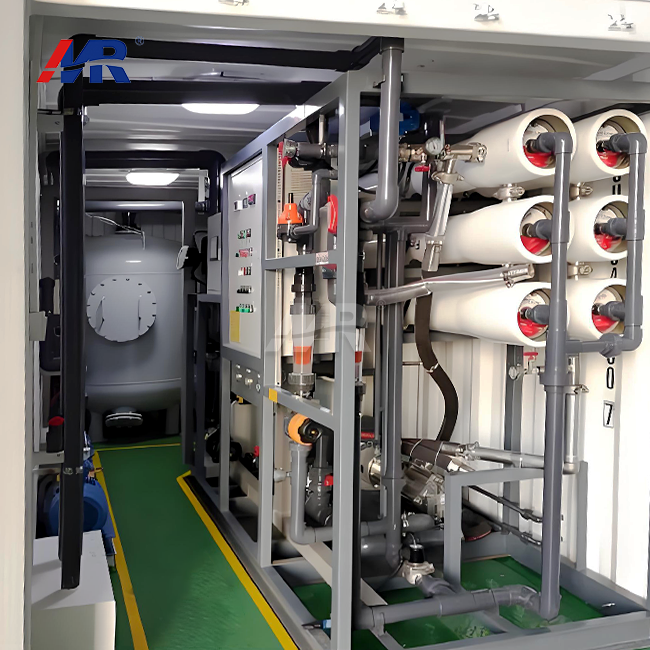 VIEW MOREcontainerized RO equipment
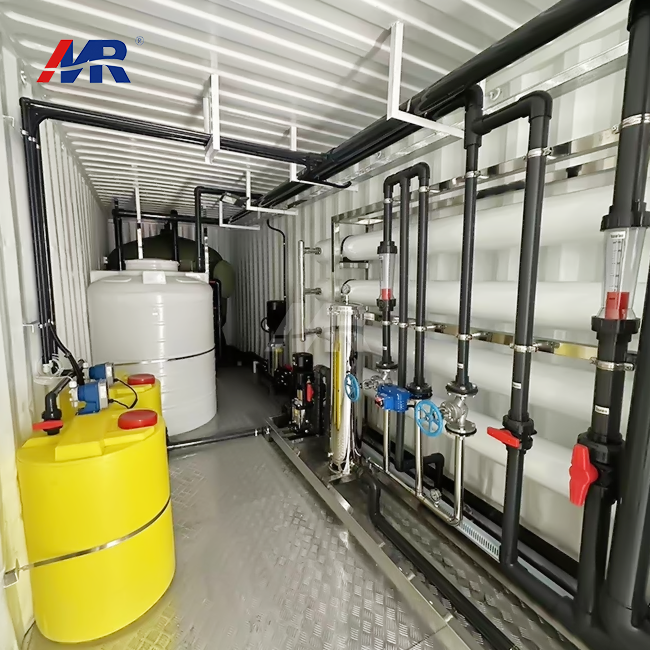 VIEW MOREcontainer reverse osmosis equipment
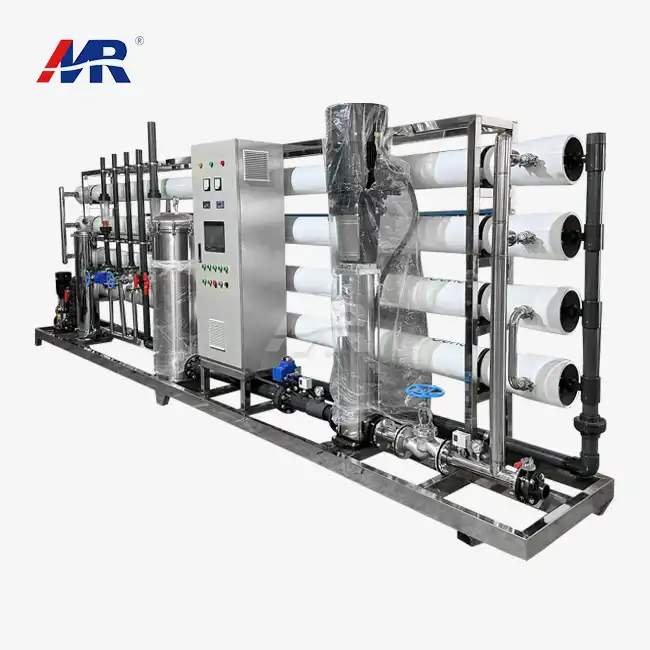 VIEW MORE500m3/day reverse osmosis RO plant
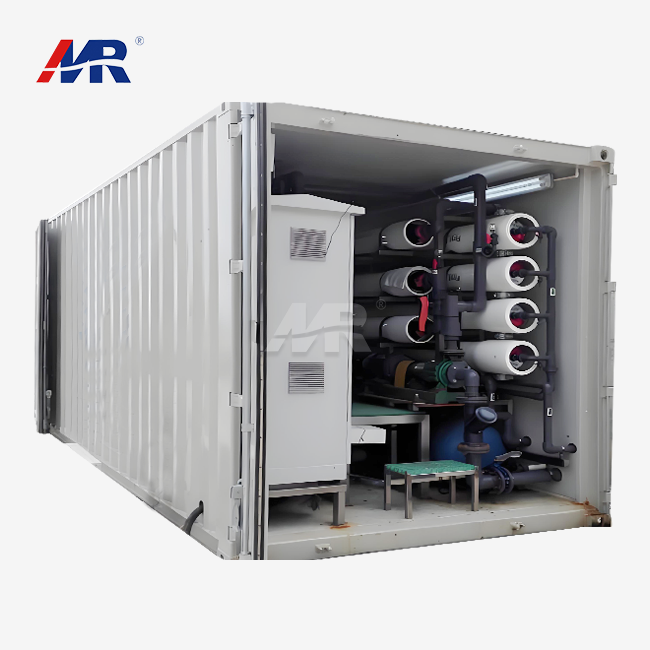 VIEW MOREcontainer seawater desalination equipment
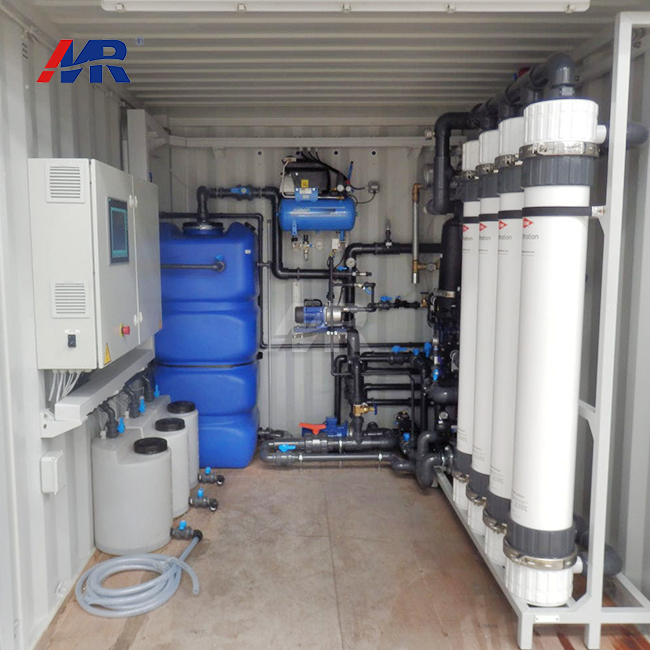 VIEW MOREcontainerized ultrafiltration equipment
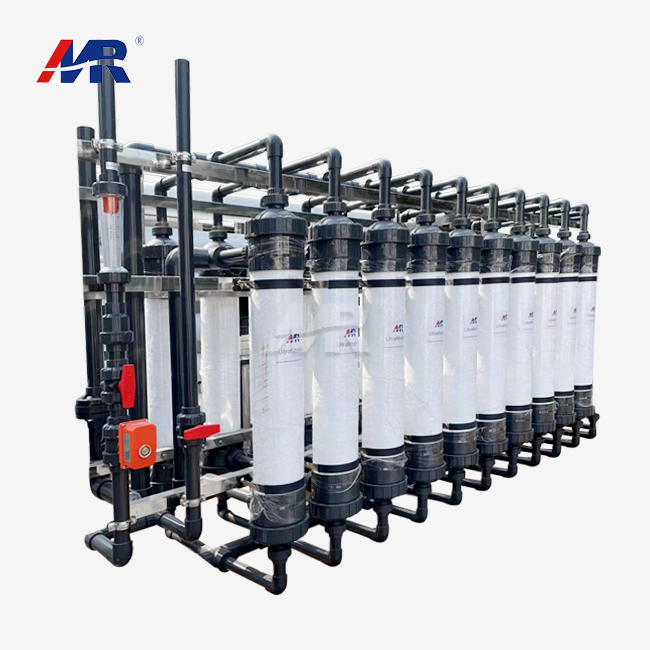 VIEW MOREultrafiltration drinking water system
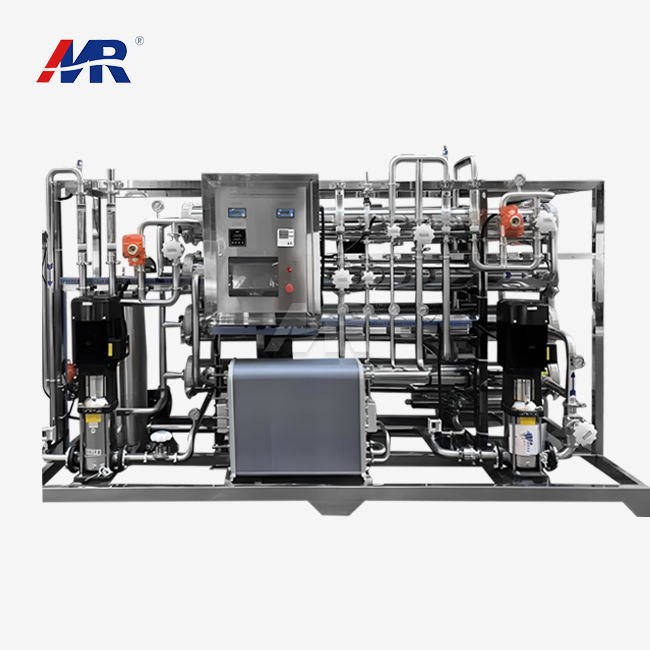 VIEW MOREelectro deionizer system
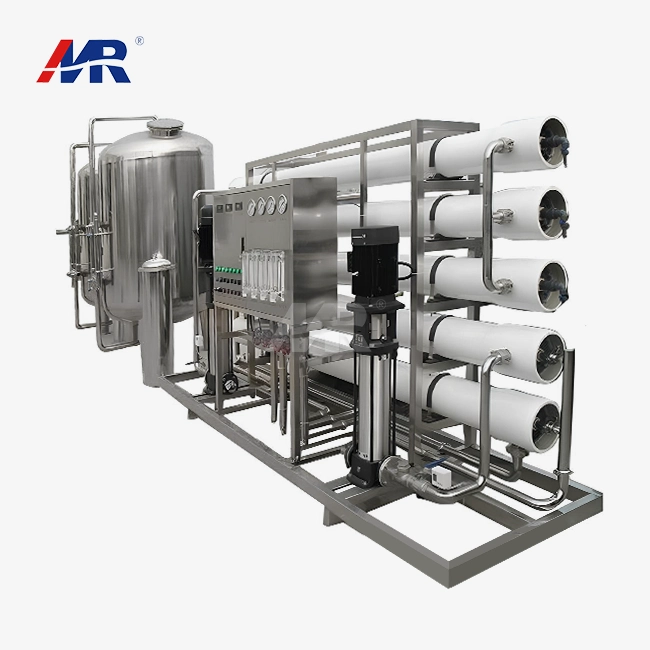 VIEW MOREbrackish water reverse osmosis
