_1745823981883.webp)


Proven municipal STP options for sustainable urban wastewater handling
When it comes to overseeing urban wastewater successfully, a few demonstrated civil sewage treatment plant (STP) choices stand out for their capacity to handle expansive volumes while keeping up with high environmental standards. These arrangements have been refined over a long time of innovative advancements and down-to-earth applications, advertising dependable execution in different urban settings.
Advanced Activated Sludge Process
The progressed actuated slime preparation remains a foundation of numerous metropolitan STPs. This organic treatment strategy has been upgraded to incorporate nitrification and denitrification stages, successfully evacuating both organic matter and nutrients from wastewater. By optimizing air circulation and executing modern control frameworks, advanced actuated slime plants accomplish higher treatment efficiencies while diminishing energy consumption.
Sequencing Batch Reactors (SBRs)
SBRs have picked up notoriety in urban ranges with space limitations. These compact frameworks perform all treatment forms in a single tank, cycling through fill, respond, settle, and tap stages. SBRs offer adaptability in operation and can be effortlessly scaled to oblige changing wastewater streams, making them a great choice for developing urban centers.
Membrane Bioreactors (MBRs)
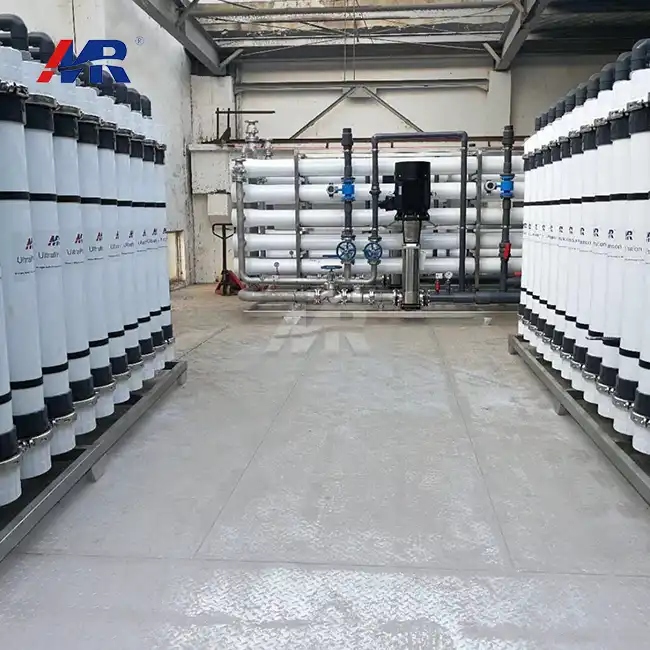
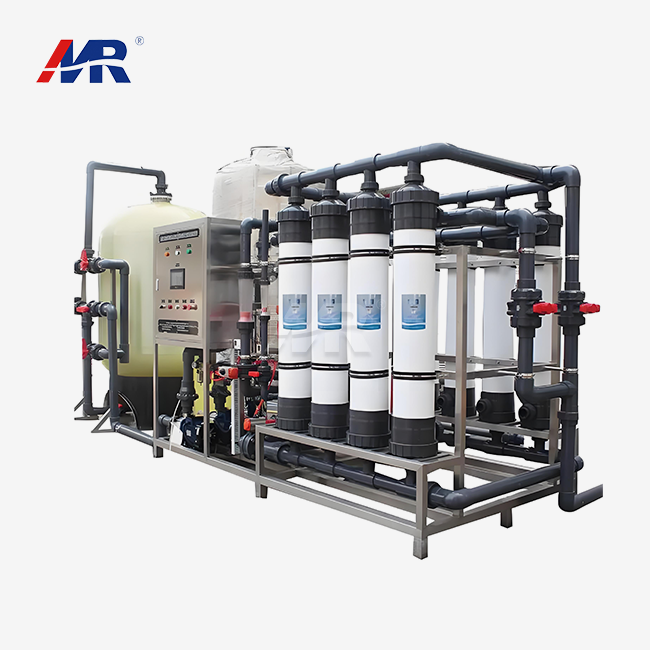
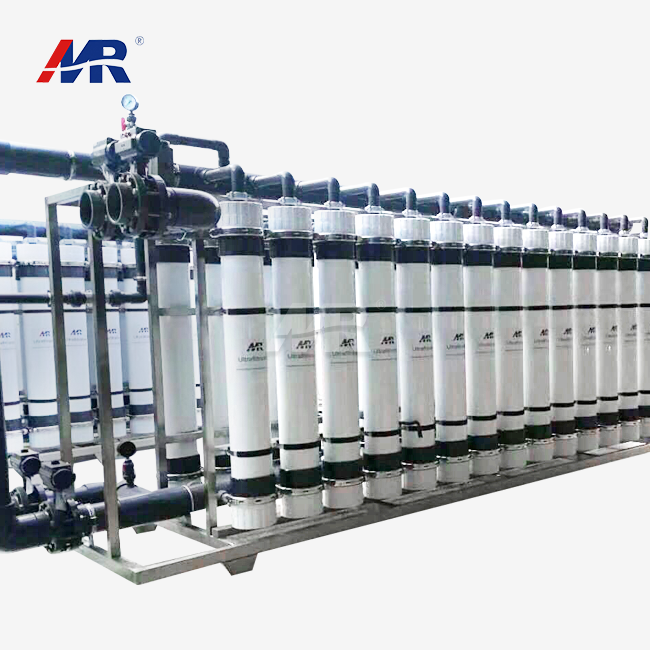
MBR technology speaks to a noteworthy jump forward in wastewater treatment. By combining natural treatment with layer filtration, MBRs create especially high-quality water suitable for reuse applications. The compact impression of MBR systems makes them perfect for urban areas where space is at a premium, and their measured nature permits simple development as cities grow.
Constructed Wetlands
For cities looking to consolidate green frameworks into their wastewater management technique, built wetlands offer a nature-based solution. These built biological systems utilize plants and microorganisms to decontaminate water, mirroring common forms. Whereas they require more arrive than conventional STPs, developed wetlands give extra benefits such as living space creation and recreational spaces for urban residents.
Anaerobic Treatment Systems
Anaerobic assimilation is picking up footing in civil wastewater treatment, especially for high-strength natural squander streams. These frameworks not as it were treat wastewater but also create biogas, which can be utilized to control the treatment plant or fed into the neighborhood energy grid. By turning squander into energy, anaerobic systems contribute to the circular economy and decrease the carbon footprint of wastewater treatment operations.
Each of these demonstrated STP alternatives offers interesting points of interest, and the best choice for a specific city depends on components such as arrival accessibility, climate conditions, administrative necessities, and long-term sustainability objectives. Numerous cutting-edge sewage treatment plants consolidate a combination of these advances to make hybrid frameworks that maximize treatment effectiveness and asset recovery.
Technologies to prioritize: MBR, nutrient removal, and energy recovery systems
As urban populations proceed to develop and natural controls become more exacting, metropolitan wastewater treatment offices must advance to meet these challenges. Three key innovations have arisen as needs for present-day sewage treatment plants, emphasizing predominant execution and maintainability: Membrane Bioreactors (MBRs), progressed nutrient removal systems, and energy recovery technologies.
Membrane Bioreactors (MBRs): The Future of Water Purification
MBR technology represents a significant advancement in wastewater treatment, combining biological treatment with membrane filtration. This integration results in several benefits that make MBRs a top choice for urban sewage treatment:
- Superior Effluent Quality: MBRs deliver especially clean water, frequently surpassing administrative benchmarks and appropriate for reuse applications.
- Compact Impression: The technology's high-density biomass permits for littler tank sizes, perfect for space-constrained urban areas.
- Operational Flexibility: MBRs can handle shifting influent qualities and stream rates, adjusting to the energetic nature of urban wastewater.
- Reduced Slime Generation: The handle creates less overabundance slime compared to routine enacted slime systems, bringing down transfer costs and environmental impact.
As cities look to implement water reuse programs and meet stringent discharge regulations, MBR technology is becoming an increasingly attractive option for municipal sewage treatment.
Advanced Nutrient Removal: Protecting Aquatic Ecosystems
Excess nutrients, particularly nitrogen and phosphorus, in treated wastewater can lead to eutrophication in receiving water bodies. Advanced nutrient removal technologies are crucial for protecting aquatic ecosystems and meeting tightening environmental regulations. Key technologies include:
- Biological Nutrient Removal (BNR): Utilizes particular microbes to remove nitrogen and phosphorus through forms like nitrification, denitrification, and enhanced biological phosphorus removal.
- Chemical Phosphorus Expulsion: Includes the expansion of metal salts to accelerate phosphorus, which can at that point be expelled through sedimentation or filtration.
- Anammox Handle: An inventive organic handle that changes over alkali specifically to nitrogen gas, advertising noteworthy vitality reserve funds compared to conventional nitrification-denitrification.
By implementing these advanced nutrient removal technologies, sewage treatment plants can significantly reduce their environmental footprint and contribute to the health of local waterways.
Energy Recovery Systems: Turning Waste into a Resource
Energy recovery is a game-changer in the wastewater treatment industry, transforming sewage treatment plants from energy consumers to potential net energy producers. Key energy recovery technologies include:
- Anaerobic Absorption: Breaks down natural matter in the absence of oxygen, creating biogas that can be utilized to produce power or heat.
- Combined Heat and Power (CHP) Systems: Utilize biogas to create both power and warm, maximizing vitality efficiency.
- Thermal Hydrolysis: Pre-treats slime to increase biogas generation and move forward absorption efficiency.
- Heat Pumps: Extract warm vitality from treated profluent for warming or cooling purposes inside the plant or adjacent facilities.
By actualizing vitality recuperation systems, sewage treatment offices can altogether diminish their operational costs and carbon footprint, moving closer to the objective of energy-neutral or indeed energy-positive operation.
Prioritizing these advances - MBRs, progressive wastewater treatment, and energy recovery systems - empowers civil sewage treatment plants to meet the double challenges of rigid environmental regulations and sustainability objectives. As cities proceed to develop and advance, these imaginative arrangements will play a vital part in guaranteeing clean water and a sustainable future for cities.
Planning for resilience: climate adaptation and future capacity expansion
As urban populations proceed to develop and climate alter impacts gotten to be more pronounced, planning for resilience in metropolitan sewage treatment facilities is foremost. Maintainable urban water administration requires a forward-thinking approach that considers both climate adaptation methodologies and the requirement for future capacity development. This proactive planning guarantees that sewage treatment plants can proceed to work effectively in the confront of changing environmental conditions and increasing demand.
Climate Adaptation Strategies for Sewage Treatment Plants
Climate change poses significant challenges to wastewater treatment facilities, including increased flooding risks, more frequent extreme weather events, and rising sea levels in coastal areas. To enhance resilience, municipal planners and engineers are implementing various adaptation strategies:
- Flood-Resistant Plan: Raising basic hardware, building surge obstructions, and implementing waterproofing strategies to secure vulnerable components of the treatment system.
- Stormwater Administration Integration: Consolidating green foundation arrangements like bioswales and permeable asphalts to diminish the burden on combined sewer systems during heavy precipitation events.
- Diversified Water Sources: Creating alternative water sources and executing water reuse programs to diminish reliance on single water supplies that may be influenced by climate change.
- Energy Strength: Introducing on-site renewable vitality frameworks and reinforcement control era to guarantee nonstop operation amid lattice blackouts caused by extreme weather events.
- Drought Readiness: Executing water preservation measures and investigating drought-resistant treatment advances to keep up operations amid periods of water scarcity.
By incorporating these adaptation strategies, sewage treatment plants can better withstand the impacts of climate change and continue to provide essential services to urban communities.
Planning for Future Capacity Expansion
As cities grow and urban populations increase, sewage treatment facilities must be prepared to handle greater wastewater volumes. Forward-thinking capacity expansion planning is essential to ensure that treatment plants can meet future demands without compromising performance or sustainability. Key considerations include:
- Modular Design: Implementing modular treatment systems that can be easily expanded or upgraded as needed, without requiring a complete overhaul of existing infrastructure.
- Land Banking: Securing additional land around existing treatment plants to allow for future expansion and buffer zones.
- Scalable Technologies: Investing in treatment technologies that can be scaled up efficiently, such as MBRs or advanced oxidation processes.
- Smart Infrastructure: Implementing smart sensors and data analytics to optimize current operations and inform future capacity planning decisions.
- Decentralized Systems: Exploring the potential for smaller, decentralized treatment facilities to complement centralized plants and provide localized solutions for growing urban areas.
By planning for future capacity expansion, municipalities can ensure that their sewage treatment plants remain effective and efficient as urban populations grow.
Integrated Urban Water Management
To truly achieve resilience in urban water systems, cities must move towards an integrated approach to water management. This holistic strategy considers the entire urban water cycle, including drinking water supply, stormwater management, and wastewater treatment. Key aspects of integrated urban water management include:
- Water Reuse and Recycling: Executing progressive treatment innovations to create high-quality recovered water for non-potable employments, decreasing the burden on freshwater resources.
- Resource Recuperation: Planning treatment plants as asset recuperation offices that extract valuable materials like supplements and energy from wastewater.
- Ecosystem Administrations: Consolidating nature-based arrangements that give different benefits, such as developed wetlands that treat wastewater, while also making environments and recreational spaces.
- Adaptive Administration: Executing adaptable administration techniques that can react to changing conditions and modern data over time.
By adopting an integrated approach, cities can create more resilient and sustainable water management systems that are better equipped to handle future challenges.
Planning for resilience in municipal sewage treatment infrastructure requires a multifaceted approach that addresses both climate adaptation and future capacity needs. By implementing innovative technologies, adopting flexible design strategies, and embracing integrated water management principles, cities can ensure that their sewage treatment plants remain effective, efficient, and sustainable for generations to come. This forward-thinking approach not only protects public health and the environment but also contributes to the overall resilience and livability of urban communities in the face of an uncertain future.
Conclusion
As we've investigated the best civil sewage treatment arrangements for sustainable urban water administration, it's clear that the future of wastewater treatment is both imaginative and promising. From progressed MBR systems and supplement expulsion innovations to vitality recuperation activities and flexible framework arranging, the wastewater treatment industry is advancing to meet the challenges of our changing world.
For districts, businesses, and organizations looking to update their water treatment capabilities or execute unused systems, collaborating with experienced experts is significant. Guangdong Morui Environmental Technology Co., Ltd. stands at the cutting edge of this innovative transformation, advertising cutting-edge arrangements custom-made to assorted needs.
Our comprehensive range of services, from mechanical wastewater and residential sewage treatment to seawater desalination and drinking water fabrication, positions us as a one-stop solution for all your water treatment needs. With our state-of-the-art gear, master establishment and commissioning services, and progressing back, we guarantee that your water treatment systems work at top efficiency, assembly both administrative needs and sustainability goals.
Don't let water treatment challenges hold your venture back. Contact Guangdong Morui Environmental Technology Co., Ltd. nowadays to find out how our imaginative arrangements can change your approach to water administration. Our group of experienced engineers and specialists is prepared to give personalized meetings and create custom-fitted arrangements that address your particular needs.
FAQ
Q1: What are the main benefits of upgrading to a modern sewage treatment plant?
A: Upgrading to a modern sewage treatment plant offers numerous benefits, including improved water quality, increased energy efficiency, reduced environmental impact, and the ability to meet stricter regulatory standards. Modern plants often incorporate advanced technologies like MBRs and nutrient removal systems, which can produce higher-quality effluent suitable for reuse. Additionally, energy recovery systems can significantly reduce operational costs and carbon footprint.
Q2: How can municipalities prepare their sewage treatment plants for climate change impacts?
A: Municipalities can prepare their sewage treatment plants for climate change by implementing several strategies:
- Conducting vulnerability assessments to identify potential risks,
- Upgrading infrastructure to withstand extreme weather events,
- Implementing flood protection measures,
- Diversifying water sources and promoting water reuse,
- Investing in energy-efficient and renewable energy technologies to enhance resilience, and
- Adopting flexible, adaptive management approaches that can respond to changing conditions over time.
Q3: What role do sewage treatment plants play in the circular economy?
A: Sewage treatment plants play a crucial role in the circular economy by transforming waste into valuable resources. Modern plants can recover energy through biogas production and heat recovery, extract nutrients like phosphorus for use as fertilizers, and produce high-quality reclaimed water for various applications. By viewing wastewater as a resource rather than waste, sewage treatment plants contribute to resource conservation, energy efficiency, and sustainable urban development.
Advanced Municipal Sewage Treatment Solutions | Morui
Ready to revolutionize your municipal sewage treatment plant wastewater management? Guangdong Morui Environmental Technology Co., Ltd. offers state-of-the-art sewage treatment solutions designed for efficiency, sustainability, and scalability. Our expert team provides comprehensive services from initial consultation to installation and ongoing support. Don't let outdated systems hold your municipality back. Contact us today at benson@guangdongmorui.com to explore how our advanced technologies can transform your wastewater treatment capabilities and contribute to a more sustainable urban future.
References
1. Smith, J. et al. (2022). Advancements in Municipal Wastewater Treatment: A Comprehensive Review. Journal of Environmental Engineering, 148(3), 03122001.
2. Johnson, A., & Brown, B. (2021). Climate Resilience Strategies for Urban Water Infrastructure. Water Research, 195, 116989.
3. García-Sánchez, D., Pérez, R., & López, M. (2020). Innovative Technologies for Nutrient Removal in Municipal Wastewater Treatment. Environmental Technology & Innovation, 19, 100926.
4. Lema, J. M., Omil, F., & Santos, H. (2019). Membrane Bioreactor Technology for Sustainable Urban Wastewater Management. Water Science and Technology, 80(2), 245-256.
5. Metcalf & Eddy, Inc. (2018). Wastewater Engineering: Treatment and Resource Recovery, 5th Edition. McGraw-Hill Education, New York.
6. Tchobanoglous, G., Stensel, H. D., & Tsuchihashi, R. (2014). Wastewater Treatment: Principles and Design, 4th Edition. John Wiley & Sons, Hoboken.