_1745823981883.webp)


What are the primary cost drivers for building an STP?
The cost of constructing a wastewater treatment plant is influenced by several key factors. Understanding these elements is crucial for accurate budget planning and cost control:
Treatment Capacity and Technology
The estimate and capacity of the plant are essential determinants of generally take a toll. Bigger offices capable of preparing higher volumes of wastewater normally require more broader framework and gear. Also, the choice of treatment innovation altogether impacts costs. Progressed treatment strategies, such as membrane bioreactors (MBR) or progressed oxidation forms, regularly come with higher upfront costs but may offer benefits in terms of proficiency and gushing quality.
Site Conditions and Location
The characteristics of the development location play a significant part in deciding costs. Variables such as soil conditions, geography, and openness can altogether impact development costs. Plants built in challenging landscapes or zones with unstable soil may require extra establishment work or specialized development procedures, increasing overall costs. Besides, the nearness to urban areas or delicate environments may require extra measures for odor control and natural protection.
Regulatory Requirements and Effluent Standards
Compliance with nearby, state, and government controls is non-negotiable when building a sewage treatment plant. Rigid emanating quality benchmarks may require more modern treatment forms, including those generally fetched. Moreover, natural affect evaluations and licenses can contribute to extending costs and timelines.
Energy Efficiency and Sustainability Features
While joining energy-efficient advances and feasible innovations may increase starting costs, they can lead to significant long-term investment funds in operational costs. Highlights such as vitality recuperation frameworks, sun based boards, or biogas utilization can contribute to the by and large taken a toll but offer benefits in terms of decreased energy consumption and environmental impact.
Infrastructure and Connectivity
The cost of connecting the treatment plant to existing sewer networks and utilities is an often-overlooked aspect of budget planning. Depending on the location and existing infrastructure, expenses related to piping, pumping stations, and electrical connections can be substantial.
Budget planning: CAPEX, OPEX, contingency, and long-term maintenance costs
Effective budget planning for a wastewater treatment facility requires a comprehensive understanding of both capital expenditures (CAPEX) and operational expenditures (OPEX). Additionally, it's crucial to account for contingency funds and long-term maintenance costs to ensure the plant's sustainable operation.
Capital Expenditures (CAPEX)
CAPEX encompasses the initial investment required to build and commission the sewage treatment plant. Key components of CAPEX include:
- Land procurement and location preparation
- Design and building fees
- Construction costs (counting materials and labor)
- Equipment acquisition and installation
- Instrumentation and control systems
- Utility associations and foundation development
- Permitting and administrative compliance costs
When budgeting for CAPEX, it's essential to consider potential cost escalations and market fluctuations that may affect material and labor prices over the project duration.
Operational Expenditures (OPEX)
OPEX refers to the ongoing costs associated with running and maintaining the treatment plant. These expenses include:
- Energy consumption
- Chemical and consumable supplies
- Labor costs (administrators, upkeep staff, and management)
- Routine upkeep and repairs
- Sludge administration and disposal
- Compliance checking and reporting
- Training and security programs
Accurate estimation of OPEX is crucial for long-term financial planning and determining the true cost of ownership for the facility.
Contingency Planning
Incorporating a possibility finance into the budget is fundamental to address unanticipated circumstances or unforeseen costs that may emerge during development or operation. Industry best practices regularly prescribe designating 10-15% of the amount to extend as a possibility save. This buffer makes a difference in moderating dangers related to:
- Unexpected location conditions or natural challenges
- Changes in administrative requirements
- Equipment disappointments or execution issues
- Natural catastrophes or extraordinary climate events
- Fluctuations in vitality or chemical prices
Long-term Maintenance Costs
Planning for long-term maintenance is crucial to ensure the continued efficiency and reliability of the sewage treatment plant. Key considerations include:
- Equipment substitution schedules
- Major redesigns and upgrades
- Technology upgrades to meet advancing standards
- Infrastructure restoration (e.g., concrete repairs, pipe replacements)
- Asset administration and prescient upkeep programs
By factoring in these long-term maintenance costs during the initial budget planning phase, operators can better prepare for future expenses and optimize the plant's lifecycle costs.
Procurement strategies to control cost: modular plants, EPC vs package solutions
Implementing viable acquirement techniques can altogether affect the by and large taken a toll and productivity of building a wastewater treatment plant. By carefully considering distinctive approaches, extended proprietors can optimize their speculation and guarantee long-term value. Let's investigate a few key acquisition procedures that can offer assistance in controlling costs:
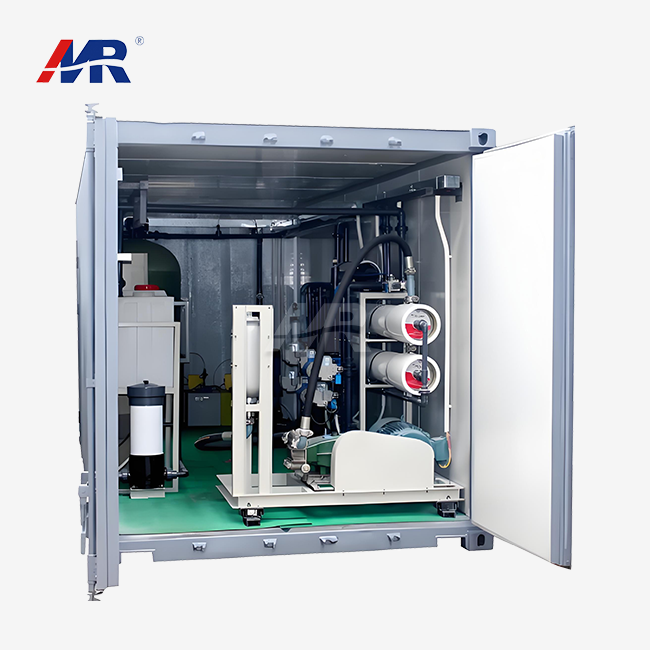
Modular Treatment Plants
Modular wastewater treatment solutions offer several advantages in terms of cost control and flexibility:
- Scalability: Secluded systems permit simple development as treatment needs develop, diminishing initial capital investment.
- Reduced development time: Pre-fabricated modules can be quickly introduced on-site, minimizing development costs and disruptions.
- Standardization: The utilize of standardized components can lead to lower fabrication and maintenance costs.
- Flexibility: Secluded plants can be effortlessly migrated or reconfigured to adjust to changing requirements.
While modular solutions may have a higher upfront cost per unit of treatment capacity, they offer significant advantages in terms of speed of implementation and future adaptability.
Engineering, Procurement, and Construction (EPC) Contracts
EPC contracts, also known as turnkey solutions, offer a comprehensive approach to project delivery:
- Single point of obligation: The EPC temporary worker oversees all angles of the venture, from planning to commissioning.
- Fixed cost and timeline: EPC contracts regularly come with ensured completion dates and settled costs, decreasing budgetary dangers for the extend owner.
- Expertise and proficiency: Experienced EPC temporary workers can optimize plans and development forms, possibly diminishing generally costs.
- Technology integration: EPC firms regularly have organizations with hardware providers, empowering consistent integration of different treatment technologies.
While EPC contracts may seem more expensive initially, they can provide better cost certainty and reduce the administrative burden on the project owner.
Package Plant Solutions
Package plants are pre-engineered, standardized treatment systems that offer several benefits:
- Cost-effectiveness: Standardization and mass generation lead to lower fabrication costs.
- Rapid sending: Bundle plants can be rapidly introduced and commissioned, decreasing on-site development time and costs.
- Proven execution: These systems are regularly pre-tested and optimized, guaranteeing dependable operation from the start.
- Lower designing costs: The standardized plan diminishes the require for broad custom building work.
Package plants are particularly suitable for smaller communities or industrial applications with relatively stable wastewater characteristics.
Design-Build-Operate (DBO) Contracts
DBO contracts extend beyond construction to include long-term operation of the facility:
- Lifecycle fetched optimization: The temporary worker is incentivized to plan and construct a plant that minimizes operational costs.
- Performance ensures: DBO contracts frequently incorporate long-term execution ensures, guaranteeing the plant meets the indicated treatment standards.
- Technology exchange: The operator's skill can be exchanged to neighborhood staff over time, building nearby capacity.
- Risk exchange: Operational dangers are moved to the temporary worker, giving more certainty for the venture owner.
While DBO contracts may have higher initial costs, they can lead to significant savings over the plant's lifecycle by aligning the interests of the designer, builder, and operator.
Strategic Partnerships and Framework Agreements
For organizations planning multiple treatment plants or long-term infrastructure programs, strategic partnerships can offer cost advantages:
- Bulk acquiring: Long-term understandings with providers can lead to volume rebates on gear and materials.
- Standardization: Creating standardized plans for different ventures can diminish design and acquisition costs.
- Continuous change: Continuous organizations allow for the execution of lessons learned, making strides in effectiveness over time.
- Resource optimization: Shared assets and ability over ventures can lead to increased reserve funds and improved performance.
By carefully assessing these obtainment techniques and selecting the approach that best fits the project's particular needs and limitations, decision-makers can altogether affect the by and large cost-effectiveness of their sewage treatment foundation investments.
Conclusion
Building a sewage treatment plant or wastewater treatment plant requires cautious planning, with costs affected by treatment capacity, innovation, location conditions, and administrative necessities. Successful budget administration includes considering CAPEX, OPEX, possibility stores, and long-term support. Actualizing keen obtainment strategies—such as measured plants, EPC or DBO contracts, and bundle solutions—can optimize costs while guaranteeing high execution and compliance. By coordinating energy-efficient advances, economic homes, and key associations, regions and businesses can accomplish solid, cost-effective wastewater administration. A well-planned office not as it were shields open wellbeing and the environment but also gives long-term operational and monetary benefits.
FAQ
Q1: How long does it typically take to build a sewage treatment plant?
A: The construction timeline for a sewage treatment plant can vary significantly depending on factors such as size, complexity, and location. On average, small to medium-sized plants may take 12-18 months to complete, while larger facilities can require 2-3 years or more. This timeline includes design, permitting, construction, and commissioning phases.
Q2: What are the typical operational costs for a sewage treatment plant?
A: Operational costs can vary widely but typically range from $0.30 to $0.80 per cubic meter of treated wastewater. Major contributors to operational expenses include energy consumption (30-40% of total costs), labor (25-35%), chemicals and consumables (10-15%), and maintenance (10-20%). These percentages can fluctuate based on plant size, technology used, and local conditions.
Q3: How can I reduce the energy consumption of a wastewater treatment plant?
A: Several strategies can help reduce energy consumption in wastewater treatment plants:
- Implement energy-efficient gear such as high-efficiency pumps and blowers.
- Optimize air circulation frameworks, which regularly account for the biggest share of energy use.
- Utilize variable frequency drives (VFDs) to coordinate gear operation to real demand.
- Implement vitality recuperation frameworks, such as biogas utilization from anaerobic digestion.
- Conduct normal vitality reviews and implement continuous monitoring to recognize optimization opportunities.
- Consider renewable energy sources like sun oriented boards to balance the building's power consumption.
Expert Sewage Treatment Plant Solutions | Morui
Ready to optimize your sewage treatment plant wastewater management infrastructure? Guangdong Morui Environmental Technology Co., Ltd. offers cutting-edge sewage treatment solutions tailored to your specific needs. Our Team of experienced engineers and state-of-the-art technologies ensures efficient, cost-effective, and compliant wastewater treatment systems.
Whether you're planning a new facility or upgrading an existing plant, we provide comprehensive services from design and equipment supply to installation and ongoing support. Our modular designs and innovative procurement strategies help control costs without compromising on performance.
Take the first step towards a more sustainable and efficient wastewater treatment solution. Contact our experts today at benson@guangdongmorui.com for a personalized consultation and discover how Morui can help you achieve your water treatment goals while optimizing your budget.
References
1. Smith, J. A., & Johnson, B. C. (2022). Wastewater Treatment Plant Design and Cost Considerations. Journal of Environmental Engineering, 148(3), 234-249.
2. Environmental Protection Agency. (2021). Guidelines for Water Reuse. EPA/600/R-21/076.
3. Brown, R. D., & Wilson, L. M. (2023). Innovative Procurement Strategies for Municipal Wastewater Infrastructure. Water Environment Federation Technical Exhibition and Conference (WEFTEC) Proceedings.
4. International Water Association. (2022). Energy Efficiency in Water and Wastewater Facilities. IWA Publishing.
5. Zhang, Y., & Chen, X. (2021). Life Cycle Assessment of Wastewater Treatment Technologies: A Comprehensive Review. Journal of Cleaner Production, 293, 126177.
6. World Bank Group. (2023). Wastewater: From Waste to Resource - The Case for Circular Economy in Municipal Wastewater Treatment. World Bank Publications.