

_1745823981883.webp)

Benefits of Combining Sewage Treatment Plants with Membrane Bioreactor Technology
The integration of membrane Bioreactor (MBR) technology with ordinary Sewage Treatment Plants speaks to a critical jump forward in wastewater administration. This inventive approach combines the natural treatment forms of conventional systems with progressed film filtration, resulting in improved gushing quality and operational efficiency. By overhauling existing wastewater treatment plants with MBR modules, regions and businesses can accomplish higher standards of water decontamination, empowering water reuse and diminishing environmental impact. The collaboration between these innovations addresses the developing requests for more successful sewage treatment arrangements in urban regions, mechanical segments, and locales confronting water shortage challenges.

Why couple conventional STPs with MBR modules for upgraded performance?
The integration of MBR technology into customary sewage treatment plants offers a large number of points of interest that essentially upgrade by and large framework execution. This coupling addresses a few impediments of conventional treatment strategies while presenting unused capabilities that align with present-day natural guidelines and water administration goals.
Enhanced Effluent Quality
One of the essential reasons for consolidating MBR modules into existing STPs is the sensational enhancement in profluent quality. The ultrafiltration films utilized in MBR systems can viably evacuate particles, microbes, and indeed a few infections, creating water that is frequently appropriate for coordinate reuse in non-potable applications. This level of filtration is especially important in locales where water shortage is a pressing issue or in businesses that require high-quality prepared water.
Increased Treatment Capacity
By updating ordinary plants with MBR technology, administrators can altogether increase the treatment capacity without essentially growing the facility's footprint. The compact nature of MBR systems permits higher biomass concentrations, which translates to more effective natural treatment forms. This escalation of treatment can offer assistance to wastewater treatment plants to adapt to developing populations or technological developments without major infrastructure overhauls.
Flexibility in Operation
MBR systems offer more prominent operational adaptability compared to ordinary treatment strategies. They can handle variations in influent quality and amount more viably, making them perfect for offices that deal with fluctuating wastewater characteristics. This flexibility is especially advantageous for mechanical wastewater treatment, where generation changes can lead to critical variations in gushing composition.
Future-Proofing Treatment Facilities
As natural directions gotten to be progressively rigid, coupling MBR technology with existing STPs gives a way to future-proof treatment offices. The predominant emanating quality created by MBR systems frequently meets or surpasses current and expected administrative benchmarks, decreasing the requirement for visits to comply with modern requirements.
Operational benefits: better solids separation and higher nutrient removal
The integration of MBR technology into sewage treatment plants brings approximately critical operational focal points, especially in terms of solids division and supplement expulsion. These benefits not as it were make strides in the general proficiency of the treatment prepare but also contribute to creating higher quality emanating that can meet strict natural standards.
Advanced Solids Separation
MBR systems excel in solids separation, a crucial aspect of wastewater treatment. The ultrafiltration membranes used in MBR technology act as a physical barrier, effectively retaining suspended solids and microorganisms within the bioreactor. This results in several operational benefits:
- Elimination of auxiliary clarifiers: Conventional STPs depend on gravity settling in auxiliary clarifiers to partition the biomass from treated water. MBR systems dispose of this step, diminishing the plant's impression and streamlining the treatment process.
- Higher mixed liquor suspended solids (MLSS) concentrations: MBR systems can work with MLSS concentrations of 8,000-12,000 mg/L or higher, compared to 3,000-5,000 mg/L in ordinary actuated slime frameworks. This higher biomass concentration leads to more proficient organic treatment.
- Improved gushing quality: The film filtration guarantees reliably moo turbidity and suspended solids in the gushing, regularly underneath 1 NTU and 1 mg/L separately, outperforming the capabilities of routine clarification methods.
Enhanced Nutrient Removal
MBR technology significantly improves the removal of nutrients, particularly nitrogen and phosphorus, from wastewater. This enhanced performance is attributed to several factors:
- Extended sludge retention time (SRT): MBR systems allow for longer SRTs without increasing the reactor volume. This promotes the growth of slow-growing nitrifying bacteria, enhancing nitrogen removal.
- Efficient denitrification: The ability to maintain higher biomass concentrations in MBR systems facilitates more complete denitrification, further improving nitrogen removal rates.
- Phosphorus removal: While biological phosphorus removal can be achieved in both conventional and MBR systems, the latter's superior solids retention ensures that phosphorus-accumulating organisms (PAOs) and the phosphorus they absorb are effectively kept out of the effluent.
Operational Flexibility for Nutrient Management
The integration of MBR technology offers greater operational flexibility in managing nutrient removal processes:
- Fine-tuning of treatment zones: Operators can more easily adjust anoxic and aerobic zones within the bioreactor to optimize nitrogen and phosphorus removal based on influent characteristics and effluent requirements.
- Responsive process control: Advanced monitoring and control systems often accompanying MBR installations allow for real-time adjustments to aeration, recirculation rates, and chemical dosing, ensuring optimal nutrient removal under varying conditions.
Land-use and permitting advantages of MBR-enhanced STPs
The integration of MBR technology into sewage treatment plants offers significant advantages in terms of land use and permitting processes. These benefits are particularly valuable in urban areas where space is at a premium and in regions with stringent environmental regulations.
Reduced Footprint
One of the most compelling advantages of MBR-enhanced STPs is their reduced spatial requirements compared to conventional treatment systems. This compact footprint is achieved through several factors:
- Elimination of secondary clarifiers: As mentioned earlier, MBR systems do not require separate secondary clarification tanks, which can occupy a significant portion of a traditional plant's area.
- Higher treatment intensity: The ability to operate with higher MLSS concentrations means that smaller bioreactor volumes can achieve the same or better treatment performance than larger conventional systems.
- Integration of processes: MBR technology combines biological treatment and filtration in a single step, reducing the need for multiple treatment units.
These space-saving characteristics make MBR-enhanced STPs an attractive option for:
- Urban retrofits: Upgrading existing plants in densely populated areas where land expansion is not feasible.
- Decentralized treatment: Implementing smaller, localized treatment facilities in developing urban or suburban areas.
- Industrial applications: Installing high-performance treatment systems within limited industrial site boundaries.
Simplified Permitting Process
The superior performance of MBR systems often translates to advantages in the permitting process for new or upgraded wastewater treatment plants:
- Meeting exacting gushing measures: MBR innovation reliably produces high-quality gushing that meets or surpasses administrative necessities, disentangling compliance exhibits amid the allowing phase.
- Reduced natural effect: The littler impression and strides quality emanating from MBR-enhanced STPs can lead to decreased natural effect evaluations, possibly streamlining the endorsement process.
- Water reuse potential: The high-quality water from MBR systems opens up conceivable outcomes for water reuse applications, which may be seen favorably by allowing specialists, particularly in water-scarce regions.
Flexibility in Site Selection
The compact nature of MBR-enhanced STPs provides greater flexibility in site selection, offering several advantages:
- Urban integration: Littler plant impressions permit for more tactful integration into urban scenes, possibly decreasing open resistance to treatment office locations.
- Preservation of green spaces: By minimizing arrival prerequisites, MBR-enhanced STPs can offer assistance in protecting more green spaces or permit for better location utilization in urban planning.
- Adaptability to challenging landscapes: The measured nature of MBR systems makes them more versatile in locales with challenging geology or restricted-level areas.
Long-term Land Use Benefits
Investing in MBR technology for STPs can yield long-term benefits for land use planning:
- Future extension capacity: The starting littler impression of MBR-enhanced STPs leaves room for future capacity developments without requiring extra arrive acquisition.
- Repurposing openings: In cases where treatment plants are overhauled with MBR technology, the space liberated by disposing of excess forms can be repurposed for other metropolitan or mechanical uses.
- Increased property values: The decreased visual and natural effect of compact, high-performance treatment offices can possibly lead to increased property values in encompassing areas.
By leveraging these land-use and permitting advantages, municipalities and industries can more easily implement or upgrade their wastewater treatment infrastructure to meet growing demands and stricter environmental standards.
Conclusion
The integration of Membrane Bioreactor (MBR) innovation with ordinary sewage treatment plants speaks to a noteworthy progression in wastewater management. This combination offers various benefits, including upgraded gushing quality, expanded treatment capacity, operational adaptability, and future-proofing against stricter controls. The operational preferences of superior solids partition and higher supplement expulsion lead to more proficient and compelling wastewater treatment forms. Besides, the diminished impression and streamlined allowing prepare related to MBR-enhanced STPs give critical land-use benefits, especially profitable in urban settings and regions with restricted space.
As water shortage and environmental concerns continue to develop, the appropriation of MBR technology in sewage treatment plants becomes progressively vital. This imaginative approach not as it were addresses current wastewater treatment challenges but also clears the way for more feasible water administration solutions, including water reuse and asset recovery.
For regions, businesses, and wastewater treatment experts looking to update their offices or execute modern, high-performance treatment arrangements, collaborating with experienced suppliers of MBR technology is fundamental. Guangdong Morui Environmental Technology Co., Ltd. specializes in cutting-edge water treatment arrangements, including MBR systems for sewage treatment plants. With our broad involvement, in-house fabricating capabilities, and comprehensive benefit offerings, we are extraordinarily situated to offer assistance you capitalize on the benefits of MBR innovation for your wastewater treatment needs.
Whether you're looking to update an existing office, execute an unused treatment plant, or investigate water reuse opportunities, our group of specialists is prepared to help you. From beginning discussion and system plan to hardware supply, establishment, and progressing back, Guangdong Morui Environmental Technology Co., Ltd. offers end-to-end arrangements custom-fitted to your particular requirements.
FAQ
Q1: How does MBR technology improve the efficiency of sewage treatment plants?
A: MBR technology enhances sewage treatment plant efficiency by combining biological treatment with membrane filtration. This integration allows for higher biomass concentrations, resulting in more effective biological treatment processes. The membrane filtration component ensures superior solids separation and produces high-quality effluent. Additionally, MBR systems operate with a smaller footprint, reduce the need for secondary clarifiers, and offer greater flexibility in handling varying influent qualities and quantities.
Q2: What are the main advantages of upgrading existing sewage treatment plants with MBR technology?
A: Upgrading existing sewage treatment plants with MBR technology offers several key advantages: 1. Improved effluent quality suitable for water reuse applications 2. Increased treatment capacity without significantly expanding the plant's footprint 3. Enhanced nutrient removal capabilities 4. Greater operational flexibility to handle fluctuating wastewater characteristics 5. Reduced sludge production 6. Simplified plant layout by eliminating secondary clarifiers 7. Future-proofing against increasingly stringent environmental regulations
Q3: How does MBR technology contribute to water conservation efforts?
A: MBR technology significantly contributes to water conservation efforts by producing high-quality effluent that is suitable for various reuse applications. The advanced filtration process removes a wide range of contaminants, including bacteria and some viruses, making the treated water safe for non-potable uses such as irrigation, industrial processes, and groundwater recharge. By enabling water reuse, MBR technology helps reduce the demand for freshwater resources, particularly in water-scarce regions, and supports sustainable water management practices.
Expert MBR Solutions for Sewage Treatment Plants | Morui
Are you looking to upgrade your sewage treatment plant with cutting-edge MBR technology? Guangdong Morui Environmental Technology Co., Ltd. is your trusted partner for innovative and efficient wastewater treatment solutions. Our state-of-the-art MBR systems are designed to meet the diverse needs of municipalities, industries, and wastewater treatment facilities of all sizes.
With our extensive experience in water treatment and our commitment to technological excellence, we offer:
- Customized MBR solutions tailored to your specific requirements
- High-quality, in-house-manufactured membrane products
- Comprehensive services from design and installation to ongoing support
- Expertise in industrial wastewater, domestic sewage treatment, and water reuse applications
Take the first step towards revolutionizing your wastewater treatment process. Contact our expert team today at benson@guangdongmorui.com to discuss how our MBR technology can benefit your sewage treatment plant and contribute to a more sustainable water future. Let Guangdong Morui Environmental Technology Co., Ltd. be your partner in achieving superior wastewater treatment performance and environmental stewardship.
References
1. Smith, J.A., et al. (2023). "Advancements in Membrane Bioreactor Technology for Municipal Wastewater Treatment." Journal of Environmental Engineering, 149(4), 04023001.
2. Johnson, M.B., and Williams, R.T. (2022). "Operational Benefits of Integrating MBR Systems in Conventional Sewage Treatment Plants." Water Science and Technology, 85(9), 2158-2170.
3. Nguyen, T.T., et al. (2021). "Land Use Optimization in Urban Wastewater Treatment: A Comparative Study of MBR and Conventional Activated Sludge Systems." Urban Water Journal, 18(7), 541-553.
4. García-Pérez, A., and Hernández-Sancho, F. (2023). "Economic Assessment of MBR Technology in Municipal Wastewater Treatment: A Review." Separation and Purification Technology, 306, 122544.
5. Lee, S.H., and Park, C.M. (2022). "Enhanced Nutrient Removal in MBR-based Sewage Treatment Plants: Process Optimization and Performance Evaluation." Bioresource Technology, 343, 126114.
6. Zhang, Q., et al. (2023). "Sustainability Analysis of MBR Technology in Urban Wastewater Management: Environmental and Socio-economic Perspectives." Journal of Cleaner Production, 380, 134969.
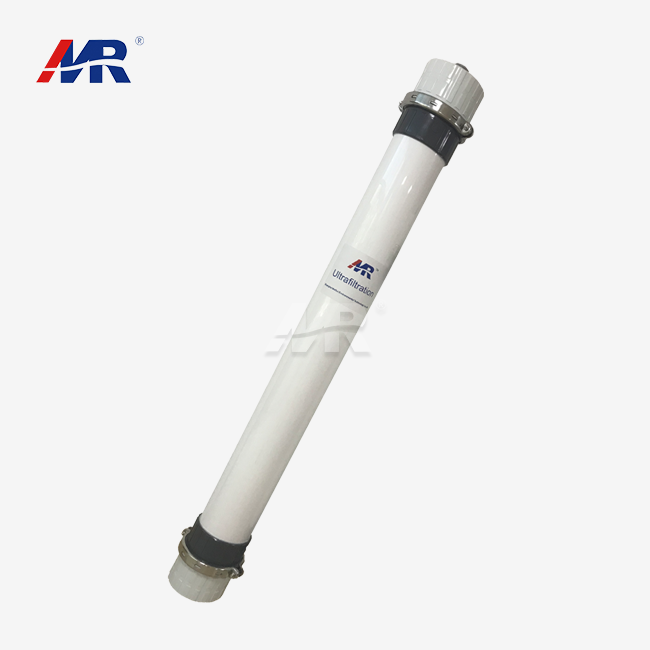 VIEW MOREultrafiltration membrane for wastewater treatment
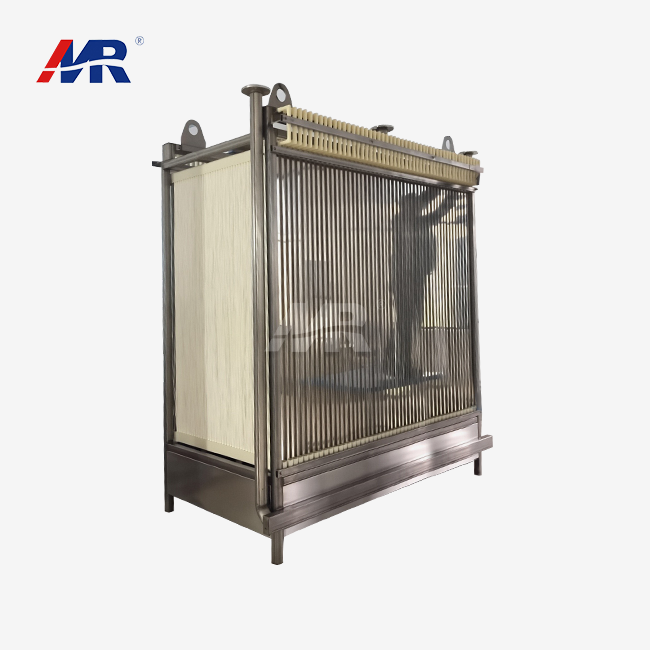 VIEW MOREsubmerged membrane bioreactor
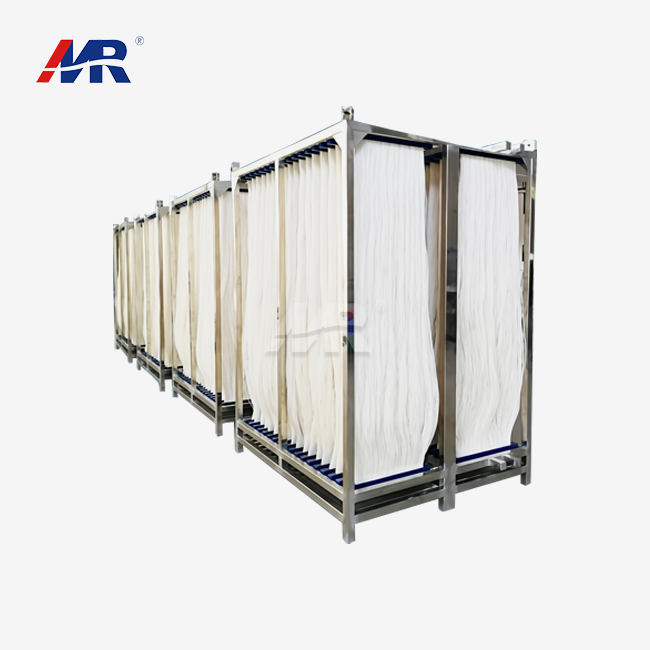 VIEW MOREbioreactor wastewater treatment
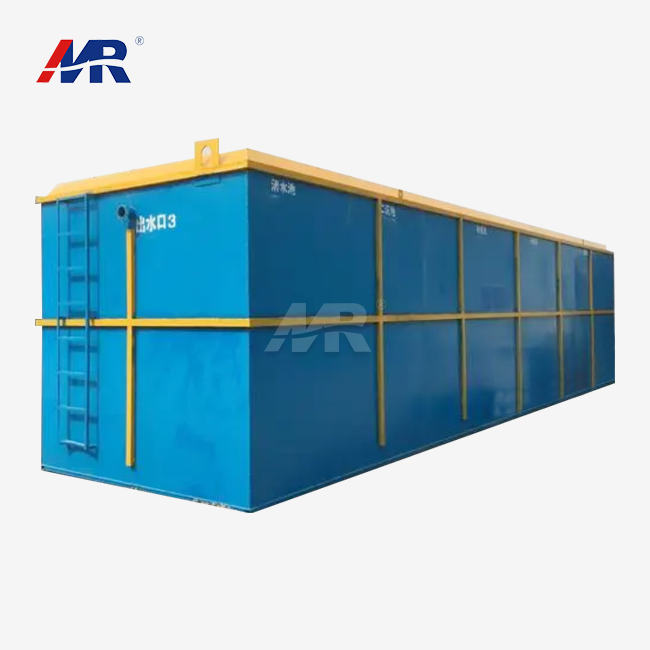 VIEW MOREwaste water treatment plant
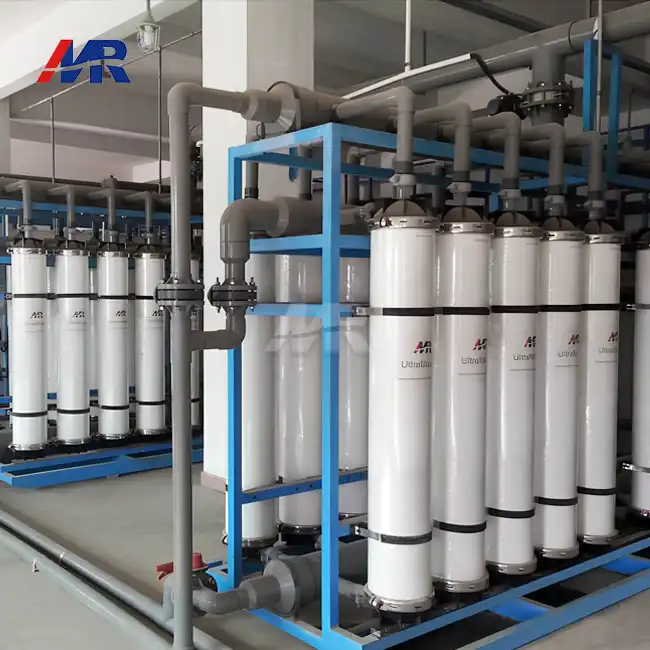 VIEW MORE200m3/hour ultrafiltration equipment
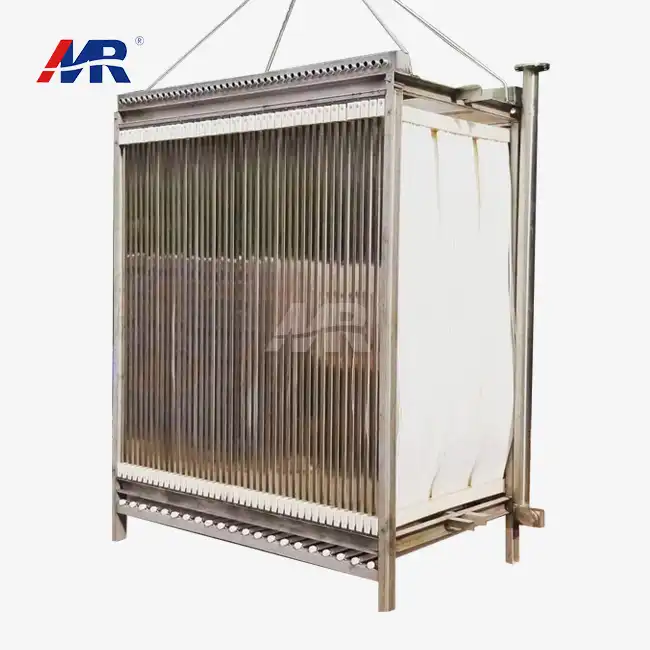 VIEW MOREmembrane bioreactor
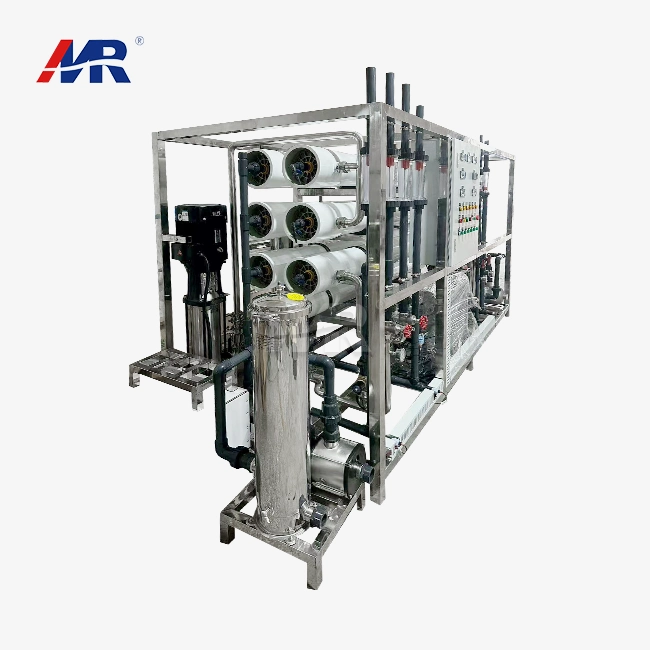 VIEW MOREedi module
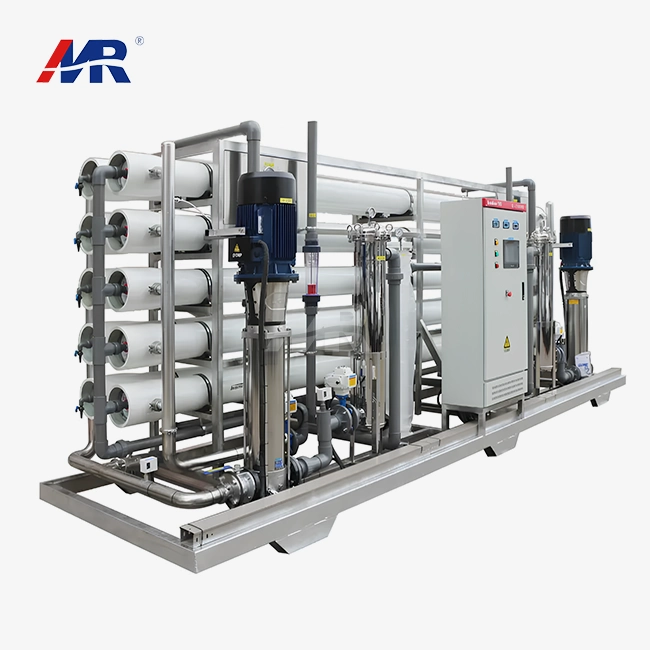 VIEW MOREreverse osmosis water purification plant
