_1745823981883.webp)

Designing MBR Systems for Industrial Wastewater: Key Considerations
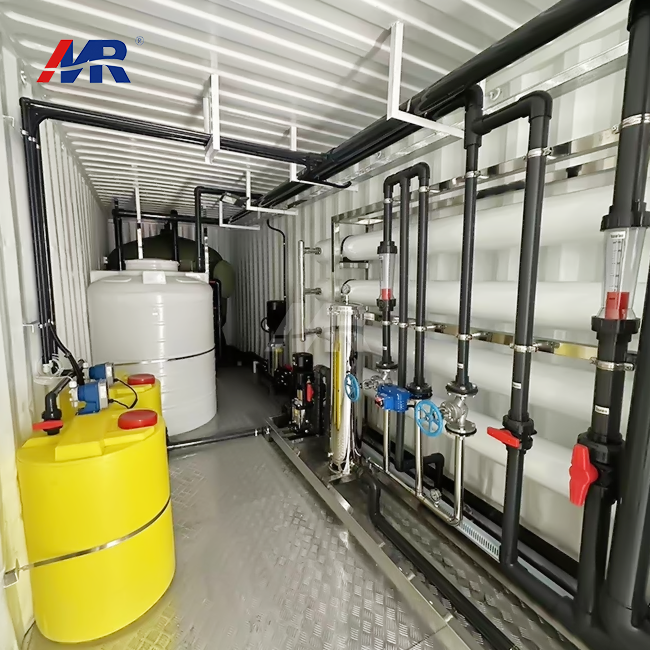
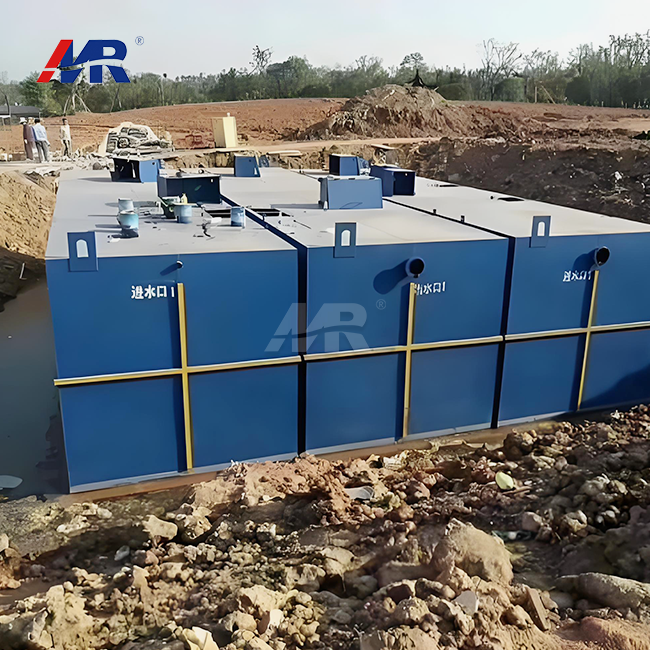
Planning viable membrane bioreactor (MBR) systems for mechanical wastewater treatment requires cautious thought of various variables to guarantee ideal execution and efficiency. As businesses confront progressively rigid natural directions and a developing requirement for water reuse, MBR technology has risen as a capable solution for treating complex mechanical effluents. These progressive Sewage Treatment Plant frameworks combine natural treatment with layer filtration, promoting predominant effluent quality and a compact impression compared to conventional activated sludge processes. When creating MBR systems for mechanical applications, engineers must account for the interesting challenges posed by variable influent characteristics, tall natural loads, and possibly harmful compounds. This article investigates the key considerations in planning strong and proficient MBR systems for mechanical wastewater treatment, centering on basic perspectives such as influent examination, layer choice, air circulation methodologies, and system flexibility. By understanding these basic plan components, plant administrators and engineers can optimize their MBR establishments to meet particular mechanical needs while maximizing treatment viability and operational sustainability.

Important design inputs: influent characteristics and load variability
One of the most basic steps in planning a compelling MBR system for mechanical wastewater is characterizing the influent stream. Not at all like metropolitan wastewater, which tends to have a moderately steady composition, mechanical effluents can shift broadly in terms of stream rates, contaminant loads, and physicochemical properties. This inconstancy poses critical challenges for the framework plan and operation.
Comprehensive influent analysis
A comprehensive influent analysis should be conducted to inform the MBR design process. This analysis typically includes:
- Flow rates: Average, peak, and minimum daily flows
- Organic loading: BOD, COD, and TOC levels
- Nutrient content: Nitrogen and phosphorus concentrations
- Suspended solids: TSS and particle size distribution
- pH and temperature ranges
- Presence of inhibitory or toxic compounds
- Oil and grease content
- Seasonal variations in wastewater composition
By gathering detailed data on these parameters, engineers can better understand the challenges posed by the specific industrial wastewater stream and design an MBR system capable of handling the expected variations.
Load equalization strategies
Given the potential for significant fluctuations in industrial wastewater composition and flow rates, incorporating load equalization strategies into the MBR design is often crucial. These may include:
- Equalization tanks to buffer stream and concentration variations
- Flow part and mixing capabilities
- Online observing and control systems for real-time alteration of working parameters
- Flexible air circulation frameworks to suit shifting oxygen demands
By implementing effective load equalization measures, MBR systems can maintain stable biological treatment processes and protect membrane integrity despite influent variability.
Pretreatment requirements
Proper pretreatment is essential for protecting mbr membranes in a wastewater treatment plant and ensuring optimal system performance. Depending on the specific industrial wastewater characteristics, pretreatment steps may include:
- Screening and coarse expulsion to ensure the downstream equipment
- Oil and oil separation
- pH adjustment
- Chemical precipitation for overwhelming metal removal
- Dissolved air flotation (DAF) for expulsion of suspended solids and emulsified oils
- Anaerobic pretreatment for high-strength natural wastewaters
Careful selection and design of pretreatment processes can significantly improve MBR system performance and longevity by reducing membrane fouling potential and protecting the biological treatment stage from inhibitory compounds.
Membrane selection, aeration design, and sludge retention strategies
Once the influent characteristics and pretreatment prerequisites have been set up, another basic step in planning a mechanical MBR system is selecting suitable films and optimizing the organic treatment prepare. These choices have a noteworthy effect on system execution, energy efficiency, and operational costs.
Membrane selection considerations
Choosing the right membrane type and configuration is crucial for achieving the desired effluent quality while minimizing fouling and energy consumption. Key factors to consider include:
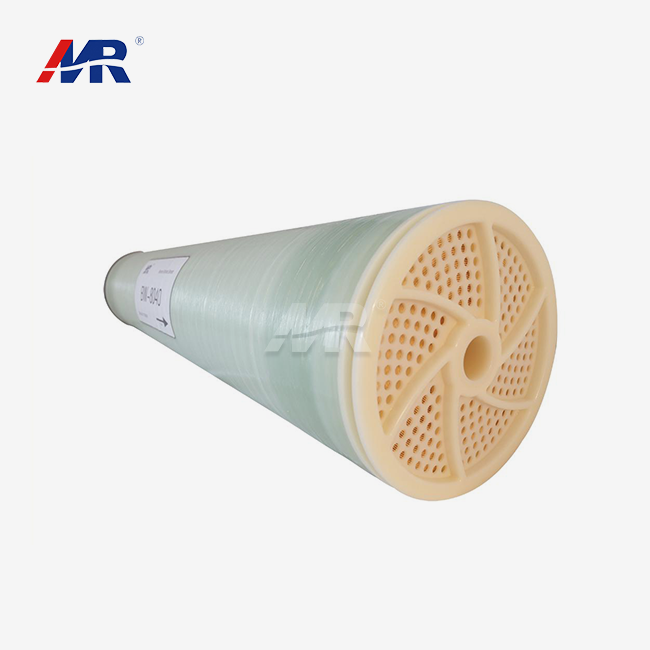
- Membrane material: PVDF, PES, or ceramic membranes, depending on chemical resistance requirements
- Pore size: Typically ranging from 0.03 to 0.4 microns for MBR applications
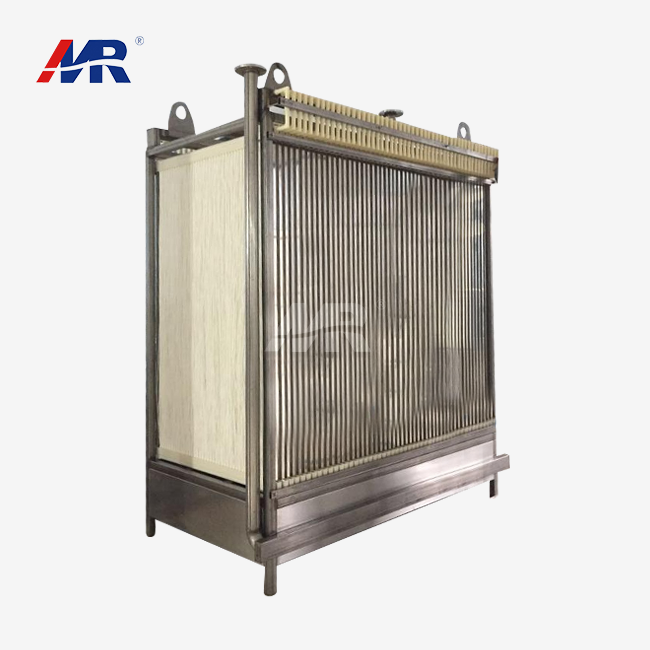
- Module configuration: Hollow fiber, flat sheet, or tubular membranes
- Flux rates: Balancing throughput with fouling potential
- Chemical cleaning compatibility
- Energy efficiency and aeration requirements
For industrial applications with potentially harsh wastewater characteristics, more robust membrane materials and configurations may be necessary to ensure long-term performance and durability.
Aeration system design
Effective aeration is critical for both biological treatment and membrane scouring in MBR systems. When designing the aeration system for industrial applications, consider the following:
- Separate air circulation frameworks for organic treatment and layer scouring
- Fine-bubble diffusers for effective oxygen exchange in the organic reactor
- Coarse-bubble air circulation for film scouring to control fouling
- Variable frequency drives (VFDs) on blowers for energy-efficient operation
- Automated dissolved oxygen (DO) control systems
- Considerations for high-strength wastewaters with hoisted oxygen demands
Optimizing the aeration system design can significantly impact both treatment performance and operational costs, particularly for energy-intensive industrial applications.
Sludge retention strategies
Proper management of mixed liquor suspended solids (MLSS) concentration and sludge retention time (SRT) is essential for maintaining a healthy and effective biological treatment process in MBR systems. Key considerations for industrial applications include:
- Higher MLSS concentrations (regularly 8-12 g/L) compared to ordinary actuated slime systems
- Longer SRTs to advance the development of specialized microorganisms capable of degrading complex mechanical pollutants
- Balancing SRT with film fouling potential and overabundance slime production
- Implementing slime-scrubbing procedures to keep up ideal MLSS levels
- Consideration of biomass characteristics (e.g., settleability, filterability) for particular mechanical wastewaters
By carefully managing sludge retention and MLSS concentrations in a sewage treatment plant, operators can optimize biological treatment efficiency while minimizing membrane fouling and excess sludge production.
Scaling, redundancy, and cleaning regimes for industrial MBRs
Designing MBR systems for mechanical applications requires cautious thought of adaptability, excess, and upkeep necessities to guarantee long-term execution and reliability. These components are especially vital given the possibly unforgiving working conditions and variable influent characteristics related to mechanical wastewaters.
Scalability and modular design
Incorporating scalability into the MBR system design allows for future expansion and adaptation to changing wastewater treatment needs. Key aspects to consider include:
- Modular layer arrangements that encourage simple capacity increases
- Designing pressure-driven and organic treatment capacities with future extension in mind
- Provisions for extra-layer tanks or cassettes
- Scalable air circulation and pumping systems
- Flexible control frameworks that can accommodate framework expansion
By adopting a modular approach to MBR design, industrial facilities can more easily adapt their treatment systems to meet evolving regulatory requirements or production changes.
Redundancy and reliability
Given the critical nature of wastewater treatment in industrial settings, incorporating appropriate redundancy measures is essential for ensuring system reliability and minimizing downtime. Consider the following redundancy strategies:
- Multiple-layer trains or cassettes to permit continued operation during maintenance
- Redundant blowers, pumps, and other basic equipment
- Backup control systems to keep up operation amid control outages
- Spare layer modules for fast replacement
- Redundant instrumented and control systems
Implementing these redundancy measures can help prevent costly production interruptions and ensure consistent compliance with effluent discharge requirements.
Membrane cleaning regimes
Effective membrane cleaning strategies are crucial for maintaining long-term MBR performance and minimizing operational costs. For industrial applications, consider the following cleaning approaches:
- Regular in-situ chemical cleaning utilizing sodium hypochlorite and citric acid
- Optimized cleaning frequencies based on transmembrane pressure (TMP) trends
- Provisions for clean-in-place (CIP) frameworks for more serious cleaning when needed
- Selection of layer materials consistent with cruel cleaning chemicals
- Implementation of computerized cleaning cycles to minimize administrator intervention
- Consideration of specialized cleaning conventions for particular mechanical contaminants
By developing robust cleaning regimes tailored to the specific industrial wastewater characteristics, operators can maximize membrane life and maintain consistent system performance.
Monitoring and control systems
Advanced monitoring and control systems are essential for optimizing MBR performance in industrial applications. Key features to consider include:
- Online checking of key parameters (e.g., DO, MLSS, pH, turbidity)
- Real-time film execution checking (flux, TMP, permeability)
- Automated preparation control for air circulation, chemical dosing, and film operation
- Data logging and trending capabilities for execution analysis
- Remote checking and control alternatives for made strides in operational flexibility
- Integration with plant-wide SCADA systems
Implementing comprehensive monitoring and control systems in a wastewater treatment plant enables operators to quickly identify and address potential issues, optimize energy consumption, and maintain consistent effluent quality.
Conclusion
Designing successful MBR systems for mechanical wastewater treatment requires cautious thought of influent characteristics, layer choice, organic handling optimization, and operational procedures. By tending to these key contemplations and executing strong plan hones, engineers and plant administrators can create MBR systems able to address the one-of-a-kind challenges posed by mechanical wastewaters while achieving prevalent treatment execution and operational efficiency.
FAQ
Q1: What are the main advantages of using MBR systems for industrial wastewater treatment?
A: MBR systems offer a few points of interest for mechanical wastewater treatment, including predominant emanating quality, smaller footprint compared to conventional treatment frameworks, superior removal of hard-to-treat compounds, and the potential for water reuse. MBRs, moreover, give more steady operation in the confront of variable influent loads, which is especially advantageous for mechanical applications.
Q2: How do MBR systems compare to conventional activated sludge systems in terms of operational costs?
A: Whereas MBR systems ordinarily have higher starting capital costs and vitality utilization compared to conventional activated sludge systems, they can offer lower overall lifecycle costs in numerous mechanical applications. This is due to their prevalent treatment execution, diminished chemical utilization, lower slime generation, and smaller impact. Furthermore, the high-quality effluent created by MBRs regularly empowers water reuse, possibly offsetting treatment costs.
Q3: What are some common challenges in operating MBR systems for industrial wastewater treatment?
A: Common challenges in working mechanical MBR systems include overseeing film fouling, dealing with variable influent characteristics, optimizing energy utilization, and keeping up steady organic treatment forms. Other challenges may include managing with possibly harmful or inhibitory compounds in the wastewater, overseeing tall natural stacking rates, and guaranteeing legitimate pretreatment to ensure layer integrity.
Expert MBR Systems for Industrial Wastewater Treatment | Morui
At Guangdong Morui Environmental Technology Co., Ltd., we specialize in designing and manufacturing state-of-the-art MBR systems for sewage treatment plant tailored to meet the unique challenges of industrial wastewater treatment. Our Team of experienced engineers and technicians is dedicated to delivering high-performance, energy-efficient solutions that help our clients achieve their water treatment goals while minimizing operational costs.
Whether you're looking to upgrade an existing wastewater treatment plant or implement a new MBR system for your industrial facility, we have the expertise and technology to meet your needs. Our comprehensive services include system design, equipment supply, installation, commissioning, and ongoing support to ensure optimal performance throughout the life of your MBR system.
To learn more about how our MBR solutions can benefit your industrial wastewater treatment operations, please don't hesitate to contact us. Our team is ready to provide expert guidance and customized solutions to address your specific wastewater challenges. Reach out to us today at benson@guangdongmorui.com to discuss your project requirements and explore how Morui can help you achieve your water treatment objectives.
References
1. Judd, S. (2020). The MBR Book: Principles and Applications of Membrane Bioreactors in Water and Wastewater Treatment. Elsevier Science.
2. Drews, A. (2019). Membrane fouling in membrane bioreactors—Characterisation, contradictions, cause and cures. Journal of Membrane Science, 363(1-2), 1-28.
3. Lin, H., Gao, W., Meng, F., Liao, B. Q., Leung, K. T., Zhao, L., ... & Hong, H. (2020). Membrane bioreactors for industrial wastewater treatment: A critical review. Critical Reviews in Environmental Science and Technology, 42(7), 677-740.
4. Krzeminski, P., Leverette, L., Malamis, S., & Katsou, E. (2017). Membrane bioreactors – A review on recent developments in energy reduction, fouling control, novel configurations, LCA and market prospects. Journal of Membrane Science, 527, 207-227.
5. Meng, F., Zhang, S., Oh, Y., Zhou, Z., Shin, H. S., & Chae, S. R. (2017). Fouling in membrane bioreactors: An updated review. Water Research, 114, 151-180.
6. Hai, F. I., Yamamoto, K., & Lee, C. H. (Eds.). (2018). Membrane biological reactors: Theory, modeling, design, management and applications to wastewater reuse. IWA publishing.