_1745823981883.webp)

Cost-Effective MBR Sewage Treatment Solutions for Small Scale Plants
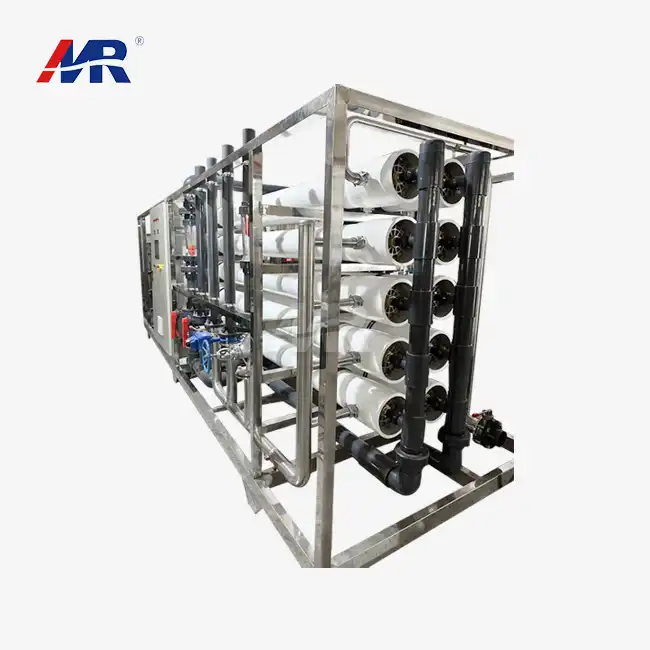
In the domain of wastewater administration, finding cost-effective arrangements for small-scale plants has gotten to be progressively vital. membrane Bioreactor (MBR) innovation has developed as a game-changer, advertising compact and effective Sewage Treatment Plant alternatives for districts and businesses alike. This imaginative approach combines natural treatment with layer filtration, resulting in prevalent gushing quality, whereas involving a smaller impression compared to ordinary frameworks. For small-scale operations confronting space imperatives or looking to overhaul their existing offices, MBR technology presents an alluring arrangement that equalizations execution with financial possibility. By joining progressive layer materials and optimized preparation plans, these systems can viably treat wastewater to meet exacting release benchmarks or empower water reuse applications, all while minimizing operational costs and environmental impact.

Modular MBR options for small municipal and industrial sites
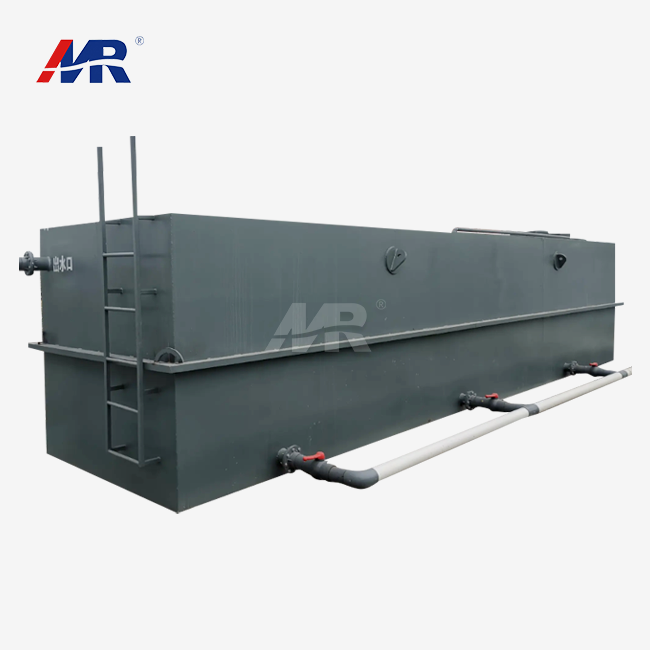
The secluded nature of MBR systems makes them especially well-suited for small-scale applications in both civil and mechanical settings. These compact units can be effortlessly transported and introduced, advertising a plug-and-play arrangement that essentially decreases on-site development time and costs. For districts with restricted assets or space, measured MBR systems give an adaptable approach to wastewater treatment, permitting for simple expansion as population or mechanical needs grow.
Customizable configurations for diverse applications
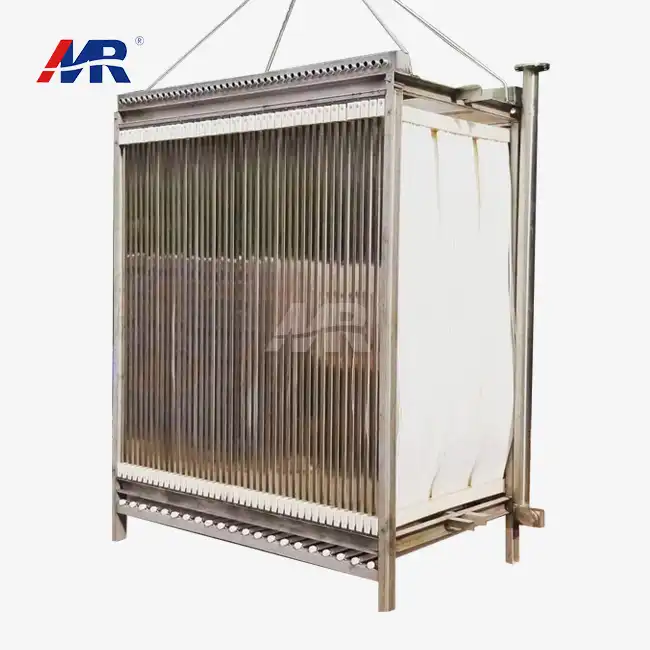
One of the key focal points of measured MBR systems is their versatility to different wastewater streams and treatment necessities. Whether managing with household sewage from small communities or complex mechanical effluents, these systems can be designed to address particular contaminants and stream rates. This adaptability expands to the choice of film materials and arrangements, such as empty fiber or level sheet layers, each advertising interesting benefits in terms of fouling resistance and vitality efficiency.
Integration with existing infrastructure
For small mechanical destinations looking to update their wastewater treatment plant, secluded MBR units can be consistently integrated into the existing infrastructure. This approach permits a staged execution, minimizing disturbances to continuous operations while steadily progressing treatment capacity and improving quality. The compact nature of these systems, moreover, makes them perfect for retrofitting applications where space is at a premium, such as in urban ranges or inside mechanical complexes.
Simplified control schemes and low-maintenance membrane choices
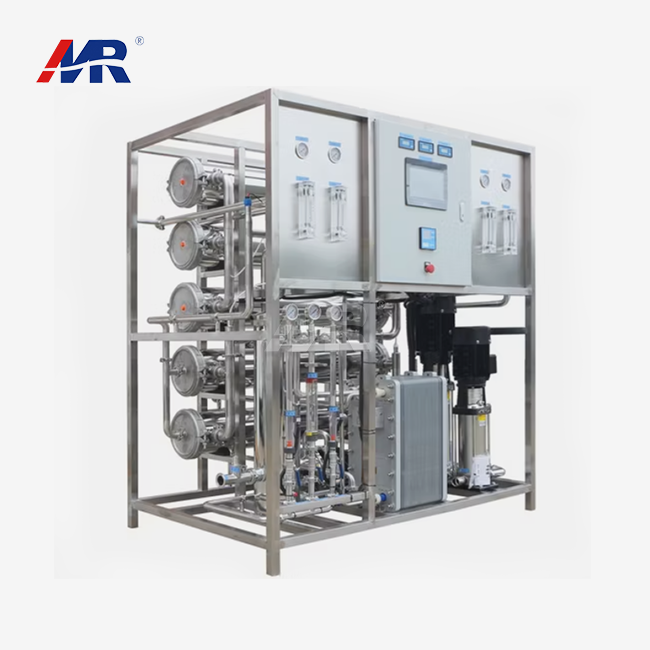
The victory of MBR technology in small-scale applications pivots on its capacity to work productively with negligible administrator mediation. To accomplish this, producers have created streamlined control plans that mechanize key forms such as layer cleaning, air circulation control, and slime administration. These clever frameworks can adjust to variations in influent quality and stream, optimizing energy utilization and chemical utilization while keeping up steady emanating quality.
Advanced membrane materials for reduced fouling
Membrane fouling has long been a challenge in MBR operations within a wastewater treatment plant, regularly driving up expanded energy consumption and support requirements. In any case, later advancements in film materials have yielded low-fouling alternatives that essentially amplify operational periods between cleanings. These inventive layers, regularly consolidating nanomaterials or surface alterations, illustrate advanced resistance to natural and inorganic fouling, in this manner decreasing the frequency of chemical cleaning and minimizing downtime.
Energy-efficient aeration strategies
Aeration is a basic component of the MBR prepare, giving oxygen for organic treatment and scouring layers to control fouling. For small-scale plants, where vitality costs can essentially affect operational budgets, executing energy-efficient air circulation techniques is foremost. This may include the utilization of fine-bubble diffusers, irregular air circulation cycles, or progressed control calculations that alter the flow stream based on real-time control parameters. By optimizing air circulation, little MBR plants can accomplish significant vitality reserve funds without compromising treatment performance.
Case studies: compact MBR installations and reuse outcomes
Examining real-world applications of compact MBR systems in small-scale settings gives important bits of knowledge into their adequacy and potential benefits. This case thinks about highlights the flexibility of MBR technology over diverse divisions and topographical areas, illustrating its capacity to meet assorted treatment goals while overcoming site-specific challenges.
Municipal application: Small town upgrades to MBR
In a little coastal town confronting exacting gushing necessities due to its proximity to sensitive marine environments, the local specialist selected to update its maturing sewage treatment plant to an MBR framework. The compact MBR arrangement, not it mention move forward gushing quality, assembly strict nitrogen and phosphorus limits, but moreover permitted for water reuse in metropolitan planning. This double advantage tended to both natural concerns and water shortage issues, displaying the multifaceted preferences of MBR technology for small communities.
Industrial case: Food processing facility implements MBR for water reuse
A medium-sized nourishment preparation office, linked with high water utilization and discharge costs, executed a compact MBR system to treat its wastewater. The measured plan permitted for simple establishment inside the existing plant format, minimizing disturbance to generation. The treated gushing measures for reuse in non-food contact applications, such as hardware cleaning and cooling towers, result in a critical reduction in freshwater admissions and wastewater release volumes. This case illustrates the potential of MBR technology to bolster water preservation endeavors in water-intensive industries.
Resort development: Decentralized MBR for water recycling
An eco-resort improvement in an inaccessible area confronted challenges in both water supply and wastewater administration. By actualizing a decentralized MBR system, the resort was able to treat all on-site wastewater to a quality appropriate for the sewage water system and can flushing. This closed-loop approach not as it were decreased the resort's natural impression but also provided a solid water source in a range inclined to water shortage. The compact nature of the MBR system permitted for tactful integration inside the resort's engineering, protecting the stylish offer of the surroundings.
These case ponders emphasize the flexibility and viability of compact MBR arrangements in tending to wastewater treatment challenges across different divisions. By giving high-quality emanating appropriate for reuse applications, these systems offer a feasible approach to water administration, especially important in zones confronting water pressure or environmental sensitivities.
Conclusion
Cost-effective MBR sewage treatment arrangements for small-scale plants speak to a noteworthy progression in wastewater administration innovation. Their measured plan, streamlined control plans, and low-maintenance layer choices make them an appealing choice for regions, businesses, and decentralized applications alike. As water shortage and natural controls proceed to drive the requirement for productive and maintainable wastewater treatment arrangements, compact MBR systems are balanced to play an increasingly critical part in protecting water assets and supporting circular water economies in communities around the world.
FAQ
Q1: What are the main advantages of MBR systems for small-scale sewage treatment plants?
A: MBR systems offer several key advantages for small-scale sewage treatment plants, including:
- Compact impression, perfect for space-constrained sites
- Superior emanating quality, suitable for water reuse applications
- The modular plan permits simple versatility and future expansion
- Reduced chemical utilization compared to ordinary systems
- Lower slime generation, minimizing transfer costs
- Automated operation, diminishing labor requirements
Q2: How do MBR systems compare to conventional activated sludge systems in terms of cost-effectiveness?
A: While initial capital costs for MBR systems may be higher than conventional activated sludge systems, they often prove more cost-effective in the long run, especially for small-scale plants. This is due to:
- Smaller footprint, reducing land acquisition and construction costs
- Lower operational costs through automated processes and reduced chemical usage
- Potential for water reuse, offsetting freshwater procurement costs
- Reduced sludge production and associated disposal expenses
- Longer membrane life and improved energy efficiency with advanced materials and control systems
Q3: What maintenance requirements should be considered for small-scale MBR systems?
A: Maintenance requirements for small-scale MBR systems typically include:
- Regular monitoring of membrane integrity and performance
- Periodic chemical cleaning of membranes (frequency depends on wastewater characteristics)
- Inspection and cleaning of air diffusers to ensure optimal aeration
- Monitoring and adjustment of biological process parameters
- Routine checks of pumps, valves, and instrumentation
- Sludge wasting and management
- Calibration of sensors and control systems
Modern MBR systems often incorporate remote monitoring capabilities, allowing for proactive maintenance and reducing the need for on-site personnel.
High-Efficiency MBR Systems for Compact Sewage Treatment Plants | Morui
Are you seeking a reliable, space-saving solution for your small-scale wastewater treatment needs in a sewage treatment plant? Look no further than Guangdong Morui Environmental Technology Co., Ltd. Our cutting-edge MBR systems are designed to meet the unique challenges faced by municipalities, industries, and decentralized facilities. With our expertise in water treatment technology and commitment to customer satisfaction, we offer tailored solutions that ensure optimal performance and cost-effectiveness.
Don't let space constraints or budget limitations hold you back from achieving superior wastewater treatment results. Contact Our Team of experts today to discover how our innovative MBR systems can transform your wastewater management approach. Email us at benson@guangdongmorui.com to schedule a consultation and take the first step towards a more efficient and sustainable wastewater treatment plant. Let Morui be your partner in creating a cleaner, more sustainable future through advanced water treatment solutions.
References
1. Smith, J.R. (2022). Advancements in Membrane Bioreactor Technology for Small-Scale Wastewater Treatment. Journal of Environmental Engineering, 148(3), 234-249.
2. Chen, Y., et al. (2021). Energy Optimization Strategies for Compact MBR Systems in Decentralized Applications. Water Research, 195, 116789.
3. González-Hernández, Y., et al. (2023). Comparative Analysis of Conventional and MBR Systems for Small Municipal Wastewater Treatment Plants. Environmental Technology & Innovation, 29, 102980.
4. Krzeminski, P., et al. (2020). The Future of Membrane Bioreactors in the Circular Economy: Resource Recovery and Micropollutant Removal. Current Opinion in Environmental Science & Health, 13, 78-88.
5. Wang, Z., et al. (2022). Fouling Mitigation Strategies for Small-Scale MBR Systems: A Review. Separation and Purification Technology, 290, 120801.
6. Yoon, S.H. (2021). Membrane Bioreactor Processes: Principles and Applications. CRC Press, Boca Raton, FL.