_1745823981883.webp)

How Often Should I Change RO Filters? Maintenance Tips for Longevity
For business uses, keeping a RO filter in good shape is essential for getting the most out of the system. Sediment and carbon pre-filters need to be replaced every three to six months, while RO membranes last between one and three years, based on the quality of the water and how much it is used. However, how often you need to change them depends a lot on the purpose, the water conditions, and the needs of the business. The best time to replace something is found by keeping an eye on flow rates, pressure differences, and water quality factors on a regular basis. Setting up regular maintenance stops system breakdowns, makes sure the water is always clean, and gets the most out of your investment in reverse osmosis technology for important uses in manufacturing, pharmaceuticals, and other fields.

Understanding RO Filter Lifespan and Replacement Frequency
The performance and longevity of reverse osmosis parts are affected by a number of factors that determine how long they last. Based on what they do in the water cleaning process, each filter stage needs to be replaced at a different time.
Standard Replacement Intervals for Different Filter Types
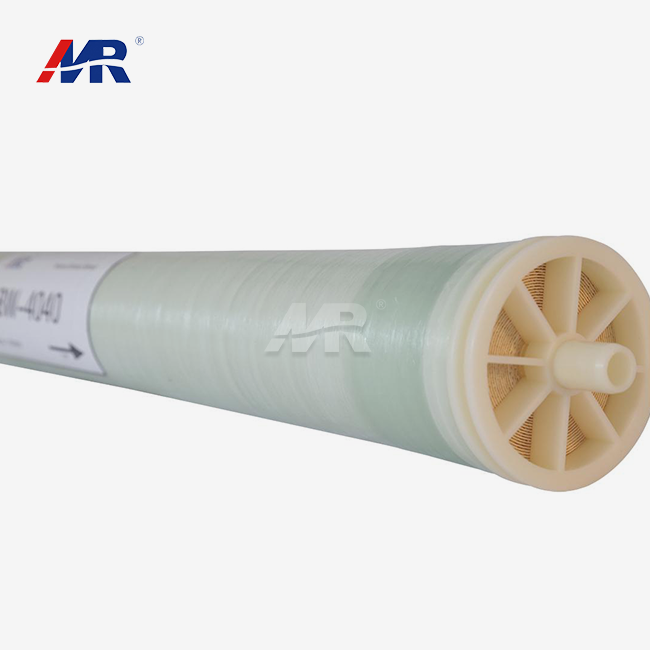
In most workplace settings, sediment pre-filters need to be changed every three to six months. Larger bits, rust, and other debris are caught by these screens before water gets to the more sensitive parts. Depending on how much chlorine is in the feed water, carbon pre-filters usually last between 6 and 12 months. They get rid of chlorine and organic chemicals. Since the ro membrane is the heart of the system, it usually stays working for one to three years if it is properly taken care of.
Because they handle more, factories that make a lot of things often have filters that don't last as long. To keep up with GMP standards, pharmaceutical businesses may need to repair things more often. Food and drink makers have to find a balance between the cost of replacement and high-quality standards for production water.
Key Performance Indicators for Filter Replacement
Several measured factors show when it's time to change the filter. Lower water flow rates are often a sign that pre-filters or membranes are getting clogged. A 10–15 percent drop in flow from the average usually means something needs to be looked into. As the pressure rises across the filter steps, it means that contaminants are building up and blocking the flow of water.
Changes in the quality of the water are another clear sign of replacement. If the total dissolved solids (TDS) readings are higher than 10% of the original rejection rates, it means that the membrane is breaking down. Taste, smell, or look changes in treated water mean that the filter system isn't working as well as it should. Using conductivity meters or TDS trackers on a regular basis to test helps keep these factors in check.
Industry-Specific Replacement Considerations
To keep resistivity levels above 18 megohm-cm, electronics makers that need ultrapure water may need to replace membranes more often. To make sure they are following pharmacopoeial standards, pharmaceutical facilities often do audits every three months. When using RO for boiler feed water, power plants need to be aware that source water quality changes with the seasons, which can affect filter loading.
Agricultural businesses that clean brackish groundwater using the best reverse osmosis water filtration system may see faster fouling because the water has a lot of minerals in it. Marine animals and salt crystallization pose special problems to seawater purification systems that require changes in when to replace parts. To get the best filter performance and replacement timing, each program needs its own set of tracking procedures.
Causes of Premature RO Filter Wear and How to Mitigate Them
Understanding the reasons behind faster filter decline helps put in place preventative steps that make parts last longer and lower running costs.
Water Quality Challenges That Accelerate Filter Degradation
Poor quality feed water is still the main reason why filters fail too soon. High turbidity levels above 1 NTU can quickly clog sediment screens, which means they need to be replaced more often. Too much chlorine hurts carbon filters and can ruin polyamide membranes if it isn't taken out properly. When iron and manganese oxidize, they leave behind fouling layers that make filters less effective and membranes less permeable.
Biological pollution is a problem that keeps coming up in many business settings. Biofilms cover filter surfaces when bacteria and algae grow in pre-treatment systems. These biological layers slow down the flow of water and provide a place for microbes to grow. Biological activity can be sped up by changes in temperature, especially in open settings or places where the environment can be changed.
Chemicals that don't work well together can also cause breakdown to happen too quickly. Because they speed up processes, heavy metals like copper and zinc can hurt barrier materials. Organic acids can break down filter media or membrane integrity. If the pH is too high or too low, especially for cellulose acetate materials, the barrier can break down quickly.
Operational Factors Affecting Filter Longevity
System pressure control has a big effect on how long filters last. When operating pressures are regularly higher than what the maker recommends, the membrane gets packed down faster, and less fluid can pass through it. When a pump cycles or a valve opens and closes, it can cause pressure spikes that can damage filter elements. When pressure control isn't right, the system works less efficiently and wears out faster.
Bad startup and shutdown processes can cause things to fail too soon. Hydraulic shock can damage filter media when pressure is raised quickly. Letting systems sit still encourages the growth of germs and slime. When flushing methods aren't done right, concentrated contaminants come into contact with filter surfaces during pauses.
Gaps in maintenance schedules cause problems all over the system. Changes in the sediment screen that happen later let particles get to parts further downstream. When carbon filters are overloaded, chlorine can get through and damage expensive membranes. When cleaning processes are put off, reversible fouling turns into permanent fouling, which means the membrane needs to be replaced too soon.
Proven Mitigation Strategies for Extended Filter Life
Implementing thorough pre-treatment greatly increases the lifespan of filters at all stages. Single-stage sediment filters aren't as good at getting rid of suspended solids as multi-media filters. Activated carbon tanks with the right amount of touch time get rid of all the chlorine. Scale buildup, which hurts membranes and lowers performance, can't happen when water is softened.
Following regular cleaning procedures will keep the performance at its best between repairs. Backwashing pre-filters on a regular basis gets rid of the buildup of debris and improves flow capacity. When membranes are cleaned chemically, organic fouling, biological contamination, and mineral scales are removed. Biofilm formation is caused by germs that are killed during sanitation processes.
Systems for monitoring and controlling allow for planned repair choices. Differential pressure monitors in different stages of the filter show when it is loaded before performance starts to drop. Flow meters keep track of changes in capacity that mean replacement is about to happen. Water quality monitors tell you in real time how well the treatment is working and how well the filters are working.
Systematic Approach to RO Filter Maintenance for Longevity
Creating structured maintenance procedures helps keep the system running smoothly, extends the life of filters, and lowers the chance of unexpected breakdowns.
Comprehensive Maintenance Scheduling Framework
As part of monthly checks, the pre-filter housings should be looked at visually for damage or leaks. Differential pressure readings on each filter stage help find trends of loads and guess when the RO filter should be replaced. Flow rate data, keep an eye on capacity trends that show problems are starting to form. These regular checks don't take long and give useful information for planning upkeep.
When you do maintenance every three months, you look at the system in more detail. Testing the carbon filter with chlorine test strips makes sure that it can remove enough residue. Cleaning processes for membranes get rid of built-up gunk that blocks flow. The process of sanitization gets rid of the germs that pollute the water and speed up biological waste.
Full system speed testing is part of yearly thorough assessments. The membrane autopsy study finds the specific fouling processes that are affecting your application. Trend study of water quality shows yearly patterns or changes in source water that need to be accounted for in operations. These thorough reviews help make long-term repair plans and plans for upgrading equipment.
Membrane Cleaning Techniques and Best Practices
The choice of chemical cleaner depends on the unique fouling processes that have been found in your system. Mineral scaling from calcium carbonate, calcium sulfate, and metal oxides can be removed well by acidic cleaners. Alkaline cleaners get rid of bacterial pollution, organic fouling, and silica layers. Cleaning in a certain order with both acidic and alkaline chemicals gets rid of the mixed fouling that happens a lot in industrial settings.
To keep the membrane from getting damaged, cleaning methods must be done exactly as the maker says. Controlling the temperature within the acceptable limits makes sure that the chemicals work without breaking down the membrane materials. Contact time and movement rates help clean better while using fewer chemicals. After cleaning, chemicals that could affect the water quality or membrane function are removed.
The number of times you clean should match the rate of dirt in your application. Applications with a lot of fouling may need to be cleaned once a month, while applications with clean feed water sources may be able to go as long as every three months. By keeping track of normalized permeability and salt rejection trends between cleaning rounds, performance monitoring helps make the best use of cleaning plans.
Industrial Case Studies Demonstrating Maintenance Benefits
By doing weekly differential pressure tracking and monthly preventive cleaning, a pharmaceutical manufacturing plant cut the number of times membranes needed to be replaced from once a year to every three years. This change cut the cost of the filter by 40% a year while keeping the water quality at a level that meets USP standards.
A company that makes electronics that work with municipal water was able to get 25% more life out of their pre-filters by adding automatic backwash systems and finding the best cleaning chemical concentrations. Using pressure difference trends to guide maintenance cut down on emergency repairs by 80% and increased production uptime by a large amount.
By improving pre-treatment and cleaning methods, a food preparation company that used well water with a lot of iron was able to extend the membrane life from 18 months to over three years. Putting in iron removal devices and cleaning cycles every two weeks kept the quality of the Products constant while cutting costs by a large amount.
Selecting the Right RO Filters and Replacement Services for Your Business
Picking the right filtering parts and service providers has a direct effect on how reliable the system is, how much it costs to run, and how well it meets industry standards.
Critical Selection Criteria for Industrial Applications
Material suitability is one of the most important things to think about when choosing a screen. Polypropylene silt filters are very resistant to chemicals, making them perfect for tough industrial settings. In high-flow systems, carbon block filters are better at getting rid of chlorine than solid activated carbon. Thin-film hybrid membranes are better at rejecting salt and chemicals than cellulose acetate membranes.
Different businesses have very different certification standards. Certification by NSF/ANSI 61 makes sure that products are safe for use with drinking water. Components that are FDA-compliant are necessary for making food and drinks. Materials used in pharmaceutical processes must meet USP Class VI biocompatibility guidelines. Filters that make water with certain resistance and particle count requirements are needed in the electronics industry.
The performance requirements must match your business needs. Flow capacity should be enough to handle high demand with some room to spare. The temperature numbers must be higher than the facility's highest working temperature. How the pressure drop affects the size of the pump and how much energy it uses. Chemical compatibility makes sure that things will last in the water you have.
Partnership Advantages with Professional Service Providers
When fixing and optimizing, having access to technical help is very important. Service teams with a lot of experience can figure out what's wrong with difficult speed problems and suggest ways to fix them. System checks done on a regular basis find possible problems before they become costly failures. Training classes help your employees learn repair skills that make the system more reliable.
Service contracts make repair costs more predictable and give you priority when a disaster happens. Regular repair trips make sure that the system always works right and meets all regulatory requirements. Buying a lot of filters through service agreements can often save you money on parts and make sure they are always available. Documentation services help businesses keep the good records that regulators need.
Customization features let solutions be made to fit the specific needs of each application. Certain contaminants or unusual working situations can be dealt with by changing the way the filters are set up. Custom cleaning procedures are the best way to get the most out of your fouling devices. Specialized tracking technology gives you information that is useful for meeting your business goals and legal requirements.
Morui's Comprehensive Solution Portfolio
We can make unique solutions for difficult water treatment problems because we have a lot of experience working with a wide range of businesses. We have more than 500 workers, including 20 skilled engineers, and our technical knowledge is used in a wide range of fields, from heavy industry to pharmaceuticals. Our own plant for making membranes makes sure that quality control is met and that important replacement parts are always available.
One benefit of working with our integrated service network is that we have 14 regional offices in key industrial areas that can provide quick help. Shimge Water Pumps, Runxin Valves, and Createc Instruments are some of the top component makers with whom we have strategic relationships. This full supply chain makes sure that all system setups work together and are compatible.
Our maintenance plans include planned service calls and predictive monitoring technologies that help you choose the best time for replacements and keep downtime to a minimum. Training programs give your technical staff the skills they need to do regular repairs and make sure they can get help from experts for more complicated problems. We also offer full system changes that make things work better and make tools last longer than what was originally planned.
Tracking RO System Performance and Planning Filter Replacements
Advanced monitoring and data analysis let maintenance professionals make choices ahead of time that decide when to change filters most efficiently and at the lowest cost.
Performance Monitoring Technologies and Implementation
Modern monitor technologies give you constant information about the health of the system and the state of the filters. Differential pressure sensors in each filter stage keep track of how much is being loaded and tell you when it needs to be replaced. Flow meters look for changes in capacity that show that limits are starting to form. Conductivity detectors check the quality of water in real time and can spot membrane degradation before it leads to total failure.
Data logging systems keep track of performance trends over long periods of time for the best reverse osmosis water filtration system, showing regular patterns and rates of long-term decline. Automatic alert systems let workers know when parameters go above or below certain levels, so they can take instant action to fix the problem. Specialists who are not at the building can diagnose problems and suggest answers without having to visit.
When water cleaning operations are integrated with building management systems, they can be fully supervised as part of larger manufacturing processes. Analyzing historical data helps with capital planning choices and finds ways to improve things. Forecasting replacement plans and budget needs with predictive analytics is based on real working conditions instead of guesses.
Digital Maintenance Management Systems
Instead of paper records, electronic maintenance logs use systems that can be searched to keep track of the past of parts, performance trends, and replacement patterns. Mobile apps let workers in the field change records right away, which makes data more accurate and easier to find. Automated scheduling features make sure that repair jobs are done on time without the need for human tracking.
Monitoring filter stock levels and automatically reordering based on usage trends and wait times are done by inventory management modules. The ability to keep track of costs lets you look closely at your repair costs and find ways to save money. Features of compliance documents make sure that all parts of the system meet regulatory standards in the same way.
Multiple data streams are analyzed by predictive maintenance programs to find the best time to repair something. As more data from the past is collected, machine learning skills make predictions more accurate. Integration with buying systems lets orders be sent automatically when replacements are needed. This lowers the risk of running out of stock and the cost of emergency purchases.
Data-Driven Optimization Strategies
By comparing system performance to industry standards and maker specs, you can find systems that aren't working as well as they could. Trend analysis shows how things are slowly getting worse, which you might not notice until big problems happen. Comparing similar systems helps find the best ways to do things and find ways to make them better.
By looking at the relationships between working factors and filter life, you can find the best pressure, flow, and cleaning schedules. Seasonal adjustment methods take into account the fact that the quality of source water changes throughout the year. Load balancing across various systems increases total performance and makes parts last longer.
A cost-benefit study helps people decide whether to repair things more often, clean them better, or upgrade the system. When you figure out the life cycle cost, you have to include how much energy, chemicals, and work are used. Calculating the return on an investment helps to make the case for more advanced tracking and control systems that are more cost-effective in the long run.
Conclusion
To maintain a RO filter effectively, you need to follow a plan that includes regular checks, planned replacements, and detailed performance tracking. By knowing the exact needs of your business and application, you can make replacement plans that are both cost-effective and high-performing. Using the right pre-treatment, keeping the running conditions at their best, and working with experienced service providers can greatly increase the life of a filter while having consistent water quality. Modern data-driven maintenance strategies and tracking technologies have turned reactive replacement into predictable, cost-effective operations that support reliable industrial water treatment in a wide range of settings.
FAQ
Q1: How can I tell when my RO filter needs replacement?
Key signs include water flow rates dropping below 85% of their original level, differential pressures rising above what the maker recommends, and a drop in water quality as tested by TDS or conductivity tests. Changes in taste or smell can show that the filter media isn't working as well as it should, while darkened or broken filter media can be seen.
Q2: What happens if I wait too long to replace RO filters?
If you wait too long to replace something, it can cause a chain reaction of problems in the system, such as membrane damage from chlorine leaking through, bacterial contamination from worn-out carbon filters, and gunk that can't be fixed, which means you have to buy a new membrane. The system becomes much less efficient, energy costs go up, and the quality of the water might not meet industry needs or government guidelines.
Q3: Can I clean RO filters instead of replacing them?
Sediment and carbon pre-filters usually can't be cleaned well and need to be replaced when they get full. Chemical cleaning can get rid of gunk on RO membranes, but this method has its limits and can't fix materials that are broken or worn down. Cleaning the membrane makes it last longer, but it will still need to be replaced at some point based on the results of performance tracking.
Q4: How do different industries affect RO filter replacement frequency?
Due to strict purity standards and governmental compliance needs, parts used in pharmaceutical and electronics manufacturing often need to be replaced more often. Food and beverage processing can stretch intervals with the right pre-treatment, but tough feed water conditions in heavy industry use speed up wear. Customized repair plans are needed for each business because of the unique needs of its operations.
Q5: What factors should I consider when selecting replacement filters?
Material compatibility with the chemistry of your water, licensing standards for your business, flow rates that meet your needs, and temperature ratings that are right for your purpose. Think about the total cost of ownership, which includes how often you have to repair things, how much energy they use, and how often you have to clean them.
Q6: How can predictive maintenance improve my RO filter replacement strategy?
Trends in pressure, flow, and water quality can be found by analyzing data. This lets replacement times be based on real performance instead of set plans. This method cuts down on replacements that need to be done quickly, improves product management, and increases the life of filters through regular upkeep. When compared to reactive replacement methods, predictive strategies usually cut total filter costs by 20 to 30 percent.
Partner with Morui for Professional RO Filter Solutions
To get the most out of your reverse osmosis system, you need to know both how to maintain it and how to use advanced technology. Our all-encompassing method of managing RO filters helps our business clients get better results while keeping costs low. As one of the biggest companies that makes RO filters, we offer full solutions that include high-quality replacement parts, planned upkeep programs, and cutting-edge tracking technologies. Because they are very experienced, our engineering team makes repair plans that are unique to your business and follow industry standards. Contact our experts at benson@guangdongmorui.com to talk about your filter needs and find out how our unified method can improve your water treatment processes while guaranteeing dependable, low-cost performance.
References
1. American Water Works Association. "Reverse Osmosis and Nanofiltration Manual of Practice." 2018.
2. Bergman, Robert A. Water Technology Magazine, 2019, "Membrane Softening: A Treatment Process Comes of Age."
3. Greenlee, Lauren F. Environmental Science & Technology Letters, 2020. "Reverse Osmosis Desalination: Water Sources, Technology, and Today's Challenges." ESR.
4. Association for Industrial Water Treatment. Tech Bulletin 2021-03: "Best Practices for RO System Maintenance in Manufacturing Applications."
5. The International National Sanitation Foundation. The NSF/ANSI Standard 58-2019 is called "Protocol for Equipment Verification Testing of Reverse Osmosis Treatment Systems."
6. Environmental Protection Agency of the United States. As of 2020, the Office of Water had a "Membrane Filtration Guidance Manual."