

_1745823981883.webp)

Is a Reverse Osmosis Water Treatment Machine Right for Your Factory?
The answer depends on your individual needs for industrial water quality, but a reverse osmosis water treatment machine can be a great choice for companies that need very clean water. These systems are great at getting rid of pollutants like heavy metals, bacteria, dissolved salts, and organic compounds. This makes them perfect for fields like electronics, food processing, medicine, and chemical manufacturing. Putting in a RO system could be very helpful for your business if you need constant water quality for output, to follow the rules, or to treat difficult water sources in a cost-effective way. Modern factories are under more and more pressure to keep up with strict water quality standards while also keeping costs low. The quality of your process water has a direct effect on the quality of your Products and your bottom line. This is true whether you're making medicines that need GMP-compliant water, semiconductors that need ultrapure water, or food and drinks that need uniform taste profiles.

Understanding Reverse Osmosis Water Treatment Machines
Industrial reverse osmosis systems are one of the most advanced ways to clean water that you can get today. Semi-permeable barriers in these machines let water molecules pass through but stop contaminants as small as 0.0001 microns. The process works by putting pressure on these special membranes, which separate clean water from solids that have been dissolved in it, bacteria, viruses, and other contaminants.
Core Components and Filtration Process
Every reverse osmosis water treatment machine has a number of important parts that work together to make sure the same results every time. In the pre-filtration step, sediment screens get rid of things like dirt, sand, and rust, which keeps parts further down the line from getting damaged. The next step is carbon filters, which get rid of chlorine, volatile organic molecules, and other chemicals that could hurt the ro membranes or change the taste of the water.
The semi-permeable filters are what make the system work. They can get rid of up to 99% of all the dissolved solids in your source water. There are different types of these membranes, such as spiral-wound and hollow fiber designs, and each one is best for a certain job and flow rate. The rejection rate and life of the membrane rely a lot on the quality of the feed water, the working pressure, and how well the membrane is maintained.
Depending on your needs for water quality, the last steps in the cleaning process may include remineralization filters, UV sterilization, or electrodeionization units. Storage tanks keep clean water ready to use, and pressure pumps make sure that the water flows evenly throughout your building. Monitoring equipment in more advanced systems keeps an eye on water quality factors in real time and lets operators know if they start to deviate from the goal standards.
Energy Efficiency and Operational Benefits
Different types of water treatment methods use a lot more energy than modern RO systems. Up to 95% of the energy in the concentrate stream can be captured by energy recovery devices. This makes high-capacity systems much less power hungry. Because they are so efficient, they also have lower running costs, which makes them more appealing for large-scale commercial uses.
The fact that these reverse osmosis water treatment machine systems are automatic means that less work needs to be done, and the water quality stays the same around the clock. Programmable logic controls run the system and change settings automatically based on the conditions of the feed water and the needs of production. This robotic feature is especially useful for places that work different shifts or need to run without anyone being there during off-hours.
Comparing Reverse Osmosis with Other Water Purification Technologies
Knowing how reverse osmosis compares to other ways of cleaning water can help you make smart choices about how to treat the water in your building. The pros and cons of each technology are different, and they may not match up with your business needs and finances.
Reverse Osmosis vs. Distillation
In distillation devices, water is heated to make steam, which is then condensed back into liquid, leaving behind any impurities. Distillation is a good way to get rid of dissolved solids and bacterial contaminants, but it needs a lot of energy to heat up and cool down. RO systems usually use 80% less energy than similar evaporation units, but they clean water just as well or better.
These technologies also have very different needs when it comes to care. The hot parts in distillation units need to be descaled and cleaned on a regular basis, while the membranes in reverse osmosis water treatment machine systems need to be replaced and sanitized on a regular basis. Most factories find that RO maintenance processes don't get in the way of their production plans as much.
Reverse Osmosis vs. Ultrafiltration
Because their pores are bigger than RO membranes', ultrafiltration membranes are great at getting rid of germs, viruses, and scattered particles while still letting dissolved salts pass through. Because of this, ultrafiltration can be used in situations where some mineral content is okay or even wanted, like in some food processing steps.
RO technology, on the other hand, works better when your processes need low amounts of total dissolved solids or specific conductivity. A lot of places use combination systems that mix RO polishing with ultrafiltration to get the best of both worlds: speed and water quality.
Filter Types and Performance Characteristics
Knowing about the different filter methods used in RO systems can help you get the best results for your needs. Sediment filters protect expensive parts further down the line, and carbon filters get rid of chlorine, taste, and smell problems that could hurt the quality of the product. The semi-permeable membrane is the main barrier for cleansing. The rate at which contaminants are rejected depends on the type of contamination and the size of the molecules.
Remineralization filters can add back the good minerals that were taken away during the RO process. This is useful in situations where mineral content changes taste, like when making drinks. Post-carbon filters polish the water one last time to get rid of any tastes or smells that are still there before it gets to your production processes.
How to Choose the Right Reverse Osmosis Machine for Your Factory?
To choose the right commercial RO system, you need to carefully consider a number of factors that will affect both the original investment and the system's long-term success. Before you make a decision, you should do a full water test to find out what your source water is like and what contaminants need to be removed.
Assessing Water Quality and Volume Requirements
Your source water study is the basis for choices about how big and how to set up your system. The type of membrane and the amount of pre-treatment needed are affected by the total dissolved solids, hardness, chlorine content, and bacterial counts. Some contaminants might need special pre-treatment methods, like water softening for sources of high hardness or oxidation systems for getting rid of iron and manganese.
Patterns of daily water use help figure out how much water the reverse osmosis water treatment machine system can hold and how much storage space it needs. During times of high demand, bigger systems or more storage space may be needed to make sure there is enough supply. When sizing your system, think about how you want to grow it in the future. Adding more capacity later on often costs more than adding enough capacity at the start.
Industry-Specific Considerations
Different businesses have their own rules that affect how systems are built and how they work. Pharmaceutical facilities must follow USP standards for pure water, which include systems with parts that can be cleaned and approval paperwork. Companies that make food and drinks need methods that can keep the mineral level and taste the same while also following FDA rules.
Electronics makers need ultrapure water with very low conductivity and particle counts. This usually means they need to do more cleaning steps after the basic RO treatment. Chemical makers may need systems that can handle certain contaminants or get useful materials out of trash streams.
Evaluating Manufacturers and Support Services
How well your equipment works and how much it costs to run will depend a lot on the image and dependability of the company that sells it to you. Manufacturers that have been around for a while and have a track record in your business can help you develop and improve your systems. When output relies on stable water quality, it's important to have a guarantee that covers everything and quick Technical support.
When repairs or maintenance are needed, being able to get help close by can mean the difference between small problems and costly production delays. Training programs for your workers and repair staff will help your system work better and have less downtime.
Procurement Considerations for B2B Buyers
Industrial water treatment systems are big expenses that need to be carefully planned out financially, and vendors need to be carefully looked at. Figuring out the total cost of ownership, which includes upkeep and running costs, can help you explain the investment and pick the most cost-effective option for your building.
Cost Analysis and Financing Options
The cost of setting up a system depends on its size, setup, and amount of automation. Small businesses may be able to get away with basic systems that cost around $20,000, but large-scale setups with advanced tracking and control systems can cost over $500,000. A lot of suppliers offer flexible ways to pay, like lease choices that let you spread costs out over a few years and keep your operating cash for other purchases.
Costs of doing business include using energy, replacing filters and membranes, paying people to do upkeep work, and paying to get rid of waste in a reverse osmosis water treatment machine. When compared to older designs, energy-efficient systems with repair devices can cut power costs by half or more. Professional repair contracts are appealing to many sites because they keep parts from breaking down too soon and extend the life of membranes.
Vendor Selection and Quality Assurance
To find the right provider, you need to look at their professional skills, the quality of their products, and their customer service. Certified installation services make sure that the system is properly set up and works at its best from the start. The warranty should cover both the tools and how well it works, protecting you against early failure or bad water quality.
Referrals from places that are similar can tell you a lot about how well a seller will work in real life. Going to the site of current setups can show you problems and benefits with how they work that you might not see from the technical specs alone.
Conclusion
If you want to know if a reverse osmosis water treatment machine is right for your business, you need to carefully think about your water quality needs, production needs, and operating limitations. These systems work great for tasks that need very clean water, regular quality, or cleaning of water that comes from sources that are hard to work with. RO technology is often necessary to keep product quality high and follow rules in industries like medicines, food processing, electronics, and chemical production. In the end, the choice will come down to weighing the original investment costs against the long-term practical benefits, such as better product quality, less waste, and more reliable processes.
FAQ
Q1: Can reverse osmosis systems remove fluoride from industrial water supplies?
Reverse osmosis filters remove fluoride and other dissolved toxins very well; they usually get rid of more than 95% of them. The semi-permeable barrier stops fluoride ions from passing through while letting clean water molecules pass. This makes RO a great choice for uses that need water that doesn't contain fluoride.
Q2: What is the typical lifespan of an industrial RO system under normal factory conditions?
Industrial RO systems that are well taken care of usually work well for 15 to 20 years. The membranes need to be replaced every two to three years, based on the quality of the feed water and how often the system is used. Regular upkeep and the right pre-treatment greatly increase the life of a system while keeping its performance stable during its operating time.
Q3: How can I tell when my RO system needs a filter or membrane replacement?
Some important signs are falling water production rates, bigger differences in pressure across membranes, more total dissolved solids in the product water, and strange tastes or smells. Most modern systems have monitoring equipment that lets workers know when performance factors fall outside of acceptable ranges. This lets them plan maintenance ahead of time.
Q4: What pre-treatment is typically required for industrial RO systems?
Some common types of pre-treatment are sediment filtration, which gets rid of suspended particles, carbon filtering, which gets rid of chlorine, and a water softener for sources with high hardness. Depending on the source water and membrane needs, some uses may need extra steps like adjusting the pH, getting rid of iron, or biological cleaning.
Q5: Are industrial RO systems suitable for treating wastewater for reuse?
When used with the right pre-treatment steps, industrial RO systems can successfully clean up many kinds of wastewater so that it can be used again. The exact feasibility rests on the types and amounts of contaminants, government rules, and how you plan to use the material again in your building.
Partner with Morui for Your Industrial Water Treatment Solutions
Are you ready to get a reverse osmosis water treatment machine that works to improve the water quality in your factory? Expert engineers at Morui are ready to look at your needs and suggest the best options that fit your business and operational requirements. Our all-around method includes a thorough study of the water, the design and installation of a custom system, professional support services, and ongoing maintenance that guarantees long-term success.
Email our expert team at benson@guangdongmorui.com to talk about your project needs and set up a free meeting. As a reliable company that makes reverse osmosis water treatment machines, we offer reasonable prices, open payment plans, and the technical know-how to get the most out of your water treatment investment.
References
1. Greenlee, L.F., Lawler, D.F., Freeman, B.D., Marrot, B., & Moulin, P. (2009). Reverse osmosis desalination: Water sources, technology, and today's challenges. Water Research, 43(9), 2317-2348.
2. Fritzmann, C., Löwenberg, J., Wintgens, T., & Melin, T. (2007). State-of-the-art of reverse osmosis desalination. Desalination, 216(1-3), 1-76.
3. Elimelech, M., & Phillip, W.A. (2011). The future of seawater desalination: Energy, technology, and the environment. Science, 333(6043), 712-717.
4. Al-Bastaki, N., & Abbas, A. (2003). Predicting the performance of RO membranes. Desalination, 156(1-3), 271-280.
5. Wilf, M., & Bartels, C. (2005). Optimization of seawater RO systems design. Desalination, 173(1), 1-12.
6. Lee, K.P., Arnot, T.C., & Mattia, D. (2011). A review of reverse osmosis membrane materials for desalination—Development to date and future potential. Journal of Membrane Science, 370(1-2), 1-22.
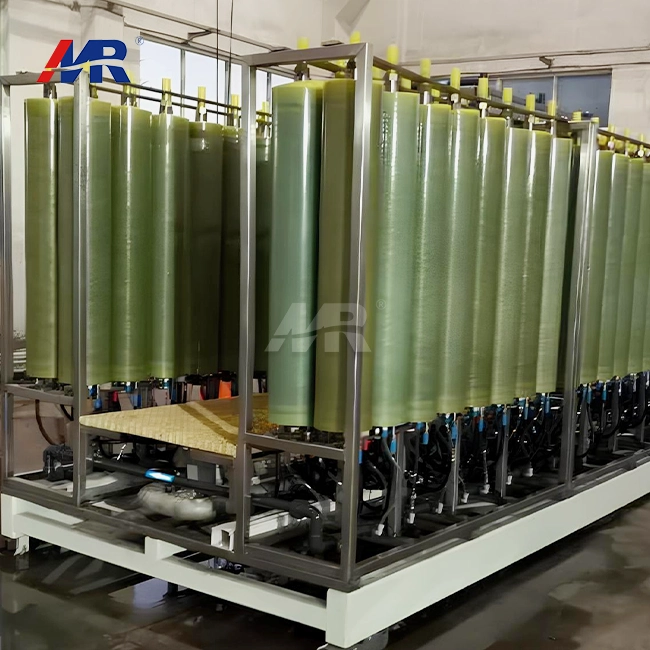 VIEW MOREDTRO for Wastewater Treatment
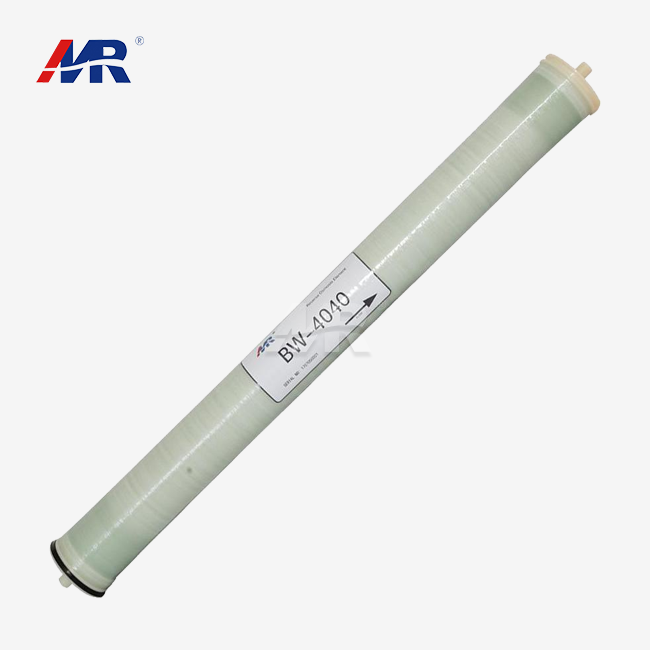 VIEW MORE4040 reverse osmosis membrane
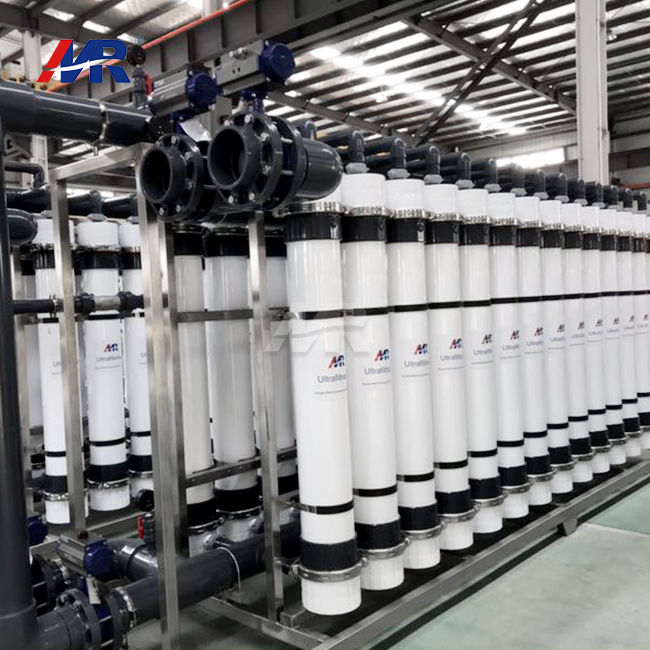 VIEW MOREultrafiltration machine
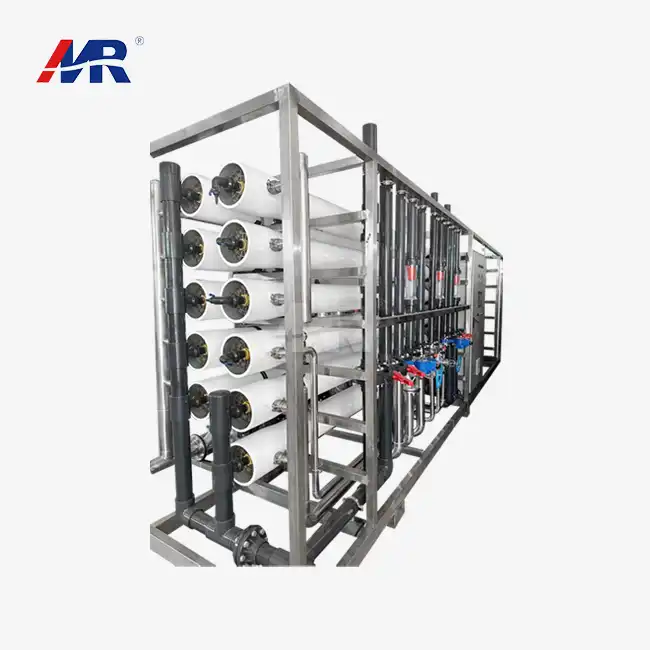 VIEW MORE60m3/hour reverse osmosis plant
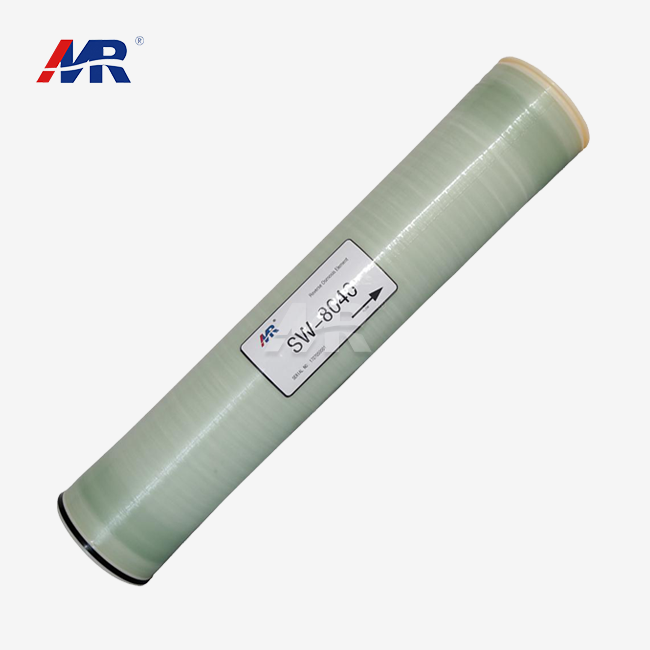 VIEW MORE8040 seawater reverse osmosis membrane
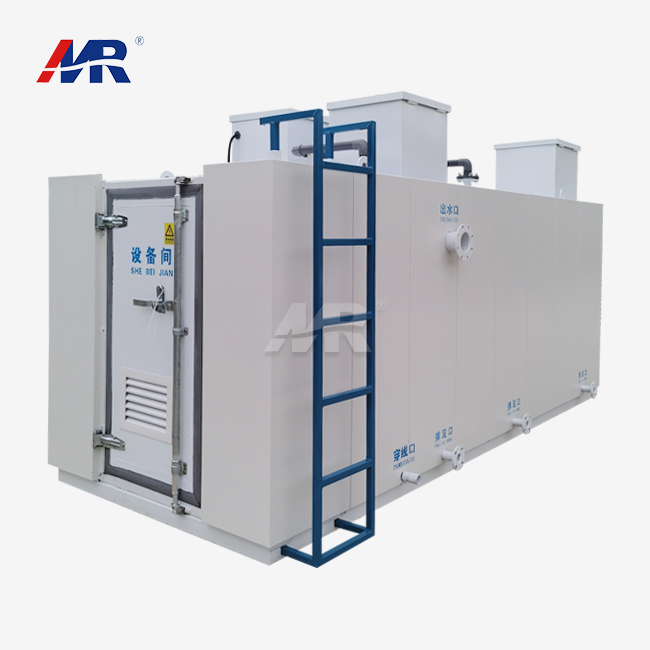 VIEW MOREwastewater treatment plant
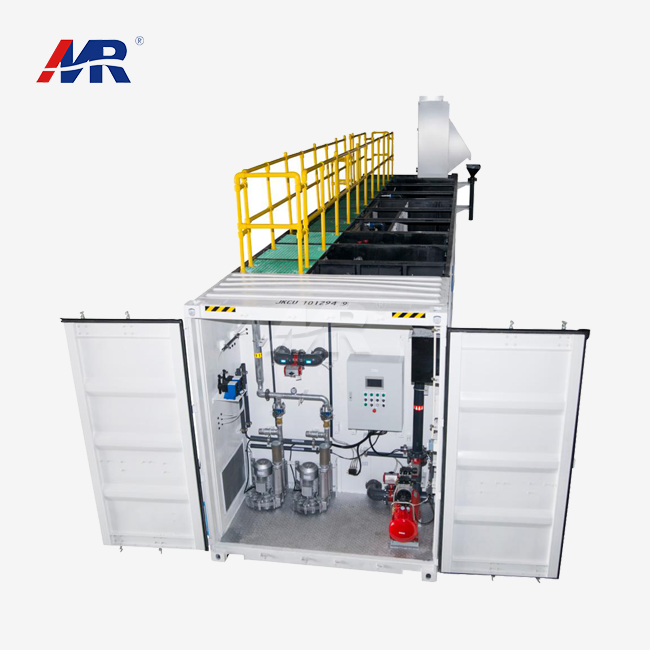 VIEW MOREhome sewage treatment plant
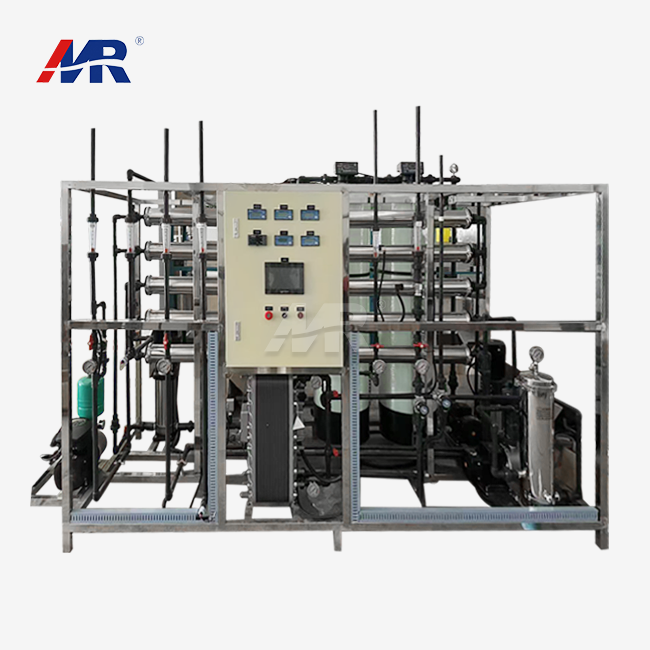 VIEW MOREedi purified water system
