_1745823981883.webp)

The Ultimate Guide to Choosing the Right DTRO System for Your Plant
Choosing the right DTRO system for your factory might be a hard but important choice. Disc Tube Reverse Osmosis (DTRO) technology is better at processing tough wastewater streams that include a lot of salt, organic matter, and contaminants. This complete guide will help you choose the right DTRO system for your plant's demands and environmental goals by going over all the important things to think about. DTRO systems use disc-shaped membrane units that are custom made and can handle high pressure and fouling pretty well. They are great for treating landfill leachate, zero liquid discharge operations, and other industry wastewater problems where regular reverse osmosis doesn't work as well because of this. You can pick the best system for you by learning about the benefits of DTRO and giving your wants a lot of thought. You will save money, work more efficiently, and follow the law if you do this.
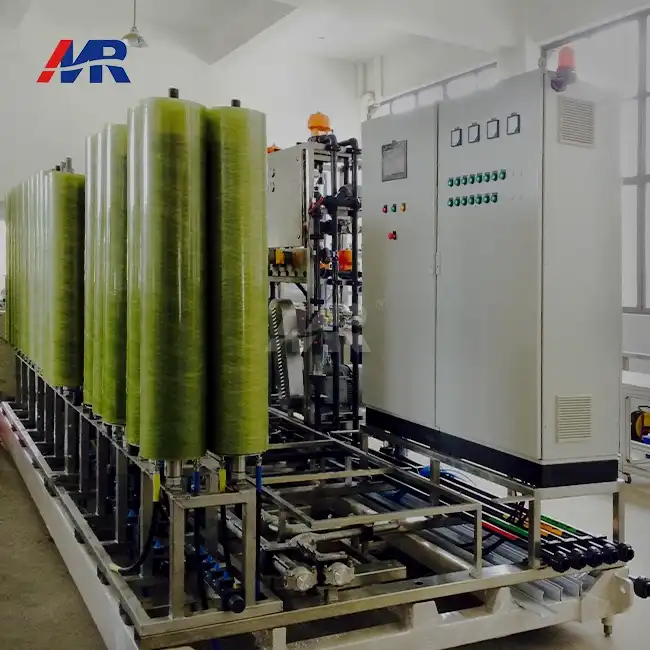
Understanding DTRO Technology and Its Advantages
Before diving into the selection process, it's essential to grasp the fundamental principles and benefits of DTRO technology:
How DTRO Works
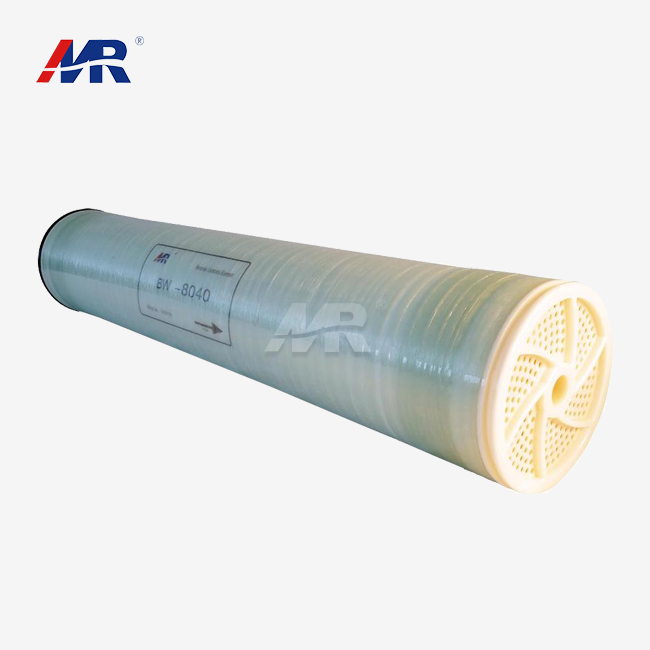
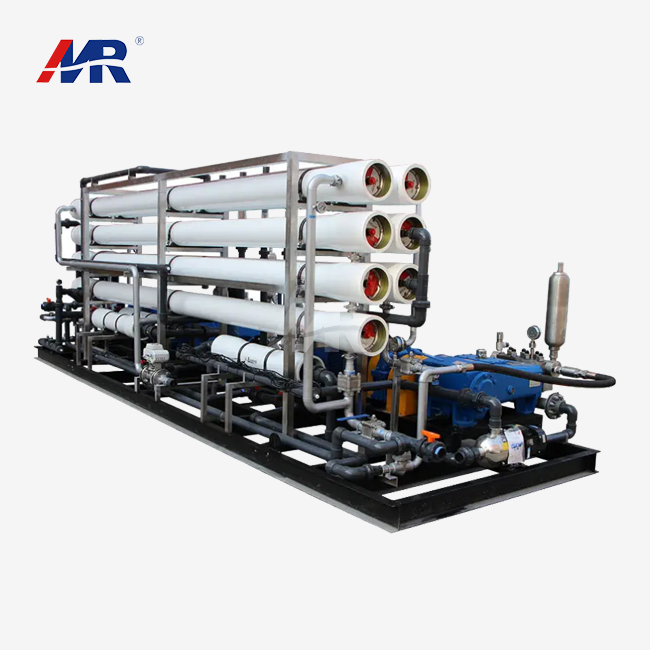
DTRO systems employ stacked disc-shaped membrane elements housed within a pressure vessel. As feed water is pumped through the system at high pressure (up to 120 bar), it flows in a spiral path between the membrane discs. Clean permeate passes through the membrane, while concentrated brine is collected separately. This unique design offers several key advantages:
- Enhanced fouling resistance due to high cross-flow velocity
- Ability to handle high suspended solids content
- Excellent salt rejection (>99%) even at high recovery rates
- Compact footprint compared to traditional RO systems
Applications Well-Suited for DTRO
DTRO technology excels in treating challenging wastewater streams, including:
- Leachate from landfills that has a lot of organic matter and dissolved substances
- Industrial waste from mining, chemicals, or pharmaceuticals
- Streams of concentrated brine in processes with no liquid discharge (ZLD)
- Wastewater from making batteries that has heavy metals in it
Key Factors to Consider When Choosing a DTRO System
To select the optimal DTRO system for your plant, carefully evaluate the following criteria:
Feed Water Characteristics
Thoroughly analyze your wastewater stream to determine:
- Total Dissolved Solids (TDS) concentration
- Chemical Oxygen Demand (COD) levels
- Presence of specific contaminants (e.g., heavy metals, organics)
- pH range and temperature variations
This information is crucial for sizing the system and selecting appropriate pre-treatment options.
Required Treatment Capacity
Consider both your current and future wastewater treatment needs:
- Average daily flow rate
- Peak flow rates and potential fluctuations
- Projected capacity requirements for plant expansion
Choosing a modular DTRO system allows for easier scalability as your needs grow.
Desired Recovery Rate and Permeate Quality
Determine your target recovery rate (percentage of feed water converted to clean permeate) and the required permeate quality based on:
- Discharge regulations or reuse applications
- Concentrate management options
- Energy efficiency considerations
Higher recovery rates can minimize waste volume but may require additional energy input.
Available Space and Site Constraints
Evaluate your plant's physical limitations:
- Available floor space for the DTRO system and ancillary equipment
- Ceiling height restrictions
- Access for maintenance and membrane replacement
DTRO systems generally offer a compact footprint, but proper planning is essential.
Energy Efficiency and Operating Costs
Consider the long-term operational expenses:
- Energy consumption for high-pressure pumps
- Membrane replacement frequency and costs
- Chemical usage for cleaning and maintenance
- Labor requirements for system operation
Look for energy recovery devices and efficient pump designs to minimize power consumption.
Customization and Integration Considerations
To maximize the effectiveness of your DTRO system, consider these additional factors:
Pre-treatment Requirements
Proper pre-treatment is crucial for optimal DTRO performance and longevity:
- Evaluate the need for filtration, softening, or pH adjustment
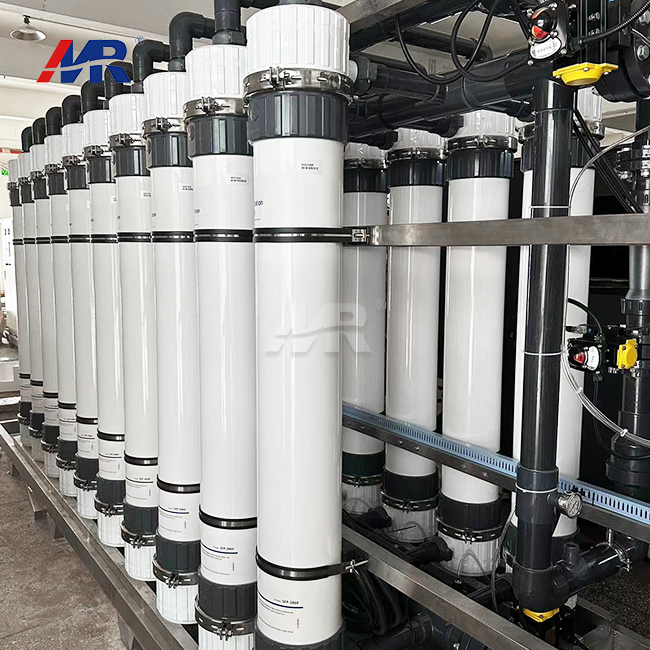
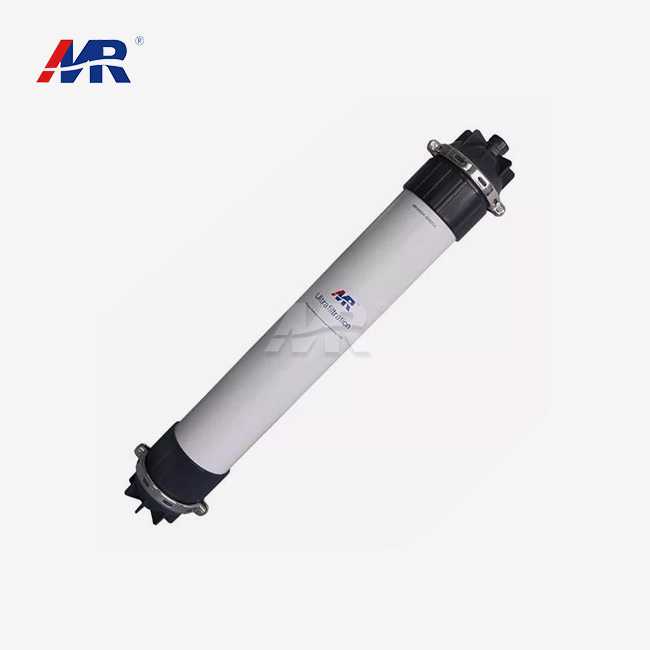
- Consider options like ultrafiltration or dissolved air flotation for challenging feeds
- Implement anti-scaling measures to protect membranes
Material Selection for Corrosion Resistance
Choose appropriate materials of construction based on your wastewater composition:
- Stainless steel grades for high-chloride environments
- Specialized alloys for extreme pH conditions
- Corrosion-resistant piping and valve materials
Automation and Control Systems
Implement advanced monitoring and control features:
- Real-time data logging of key parameters (pressure, flow, conductivity)
- Automated cleaning cycles and backwash sequences
- Remote monitoring and adjustment capabilities
- Integration with existing plant control systems
Concentrate Management Strategy
Develop a plan for handling the concentrated brine stream:
- Evaluate options for further concentration or crystallization
- Consider beneficial reuse applications where possible
- Ensure compliance with discharge regulations
By carefully considering these factors and working with experienced DTRO system suppliers, you can select a solution tailored to your plant's unique requirements. The right DTRO system will provide reliable performance, minimize operational headaches, and help you achieve your water treatment and sustainability goals.
Frequently Asked Questions
Q1: How do DTRO systems differ from regular reverse osmosis?
A: DTRO systems use disc-shaped membrane modules that can handle higher operating pressures (up to 120 bar) and are less likely to get dirty than spiral-wound RO elements. This is why DTRO works so well for cleaning up tough wastewater streams that include a lot of salt and other pollutants.
Q2: How does the recovery rate of a DTRO system stack up against that of a standard RO system?
A: When treating tough wastewaters, DTRO systems usually have better recovery rates (50–70%) than regular RO systems. This means that a bigger part of the feed water is turned into clean permeate, which means that less concentrate needs to be managed.
Q3: How often does a DTRO system need to be maintained?
A: DTRO systems need regular maintenance, such as cleaning the membranes, maintaining the pumps, and replacing worn parts. But the disc architecture makes it easier to clean and change the membrane than spiral-wound parts. Automated cleaning cycles and smart monitoring systems can help you make the most of your maintenance program and cut down on downtime.
High-Performance DTRO Systems for Industrial Wastewater Treatment | Morui
Are you ready to upgrade your plant's ability to treat wastewater with a state-of-the-art DTRO system? Guangdong Morui Environmental Technology Co., Ltd. makes tailored DTRO solutions that are made to fit the specific needs of your industrial processes. Our Team of skilled engineers will work closely with you to choose the best system setup, making sure it is as efficient as possible and will last for a long time.
We make high-quality DTRO systems quickly and easily because we have the best membrane manufacturing facilities and a global supply chain. Our full service package includes designing, installing, and starting up your system, as well as continuing technical assistance to make sure your plant runs properly.
Don't settle for poor wastewater treatment. Get in touch with us today to talk about how a Morui DTRO system may change the way you handle your water. To set up a meeting, email benson@guangdongmorui.com. This is the first step toward more efficient, cost-effective, and ecologically friendly water treatment.
References
1. "Advances in Disc Tube Reverse Osmosis Technology for Industrial Wastewater Treatment," by Johnson, A. et al., was published in 2022. Journal of Membrane Science, 584, 117–128.
2. Robinson, Smith (2023). "An Comparative Analysis of DTRO and Conventional RO Systems in the Treatment of Landfill Leachate." Environmental Technology & Innovation, 29, 101–112.
3. A group of people named Zhang et al. "Energy Efficiency Optimization in DTRO Systems for Zero Liquid Discharge Applications." Getting rid of salt, 505, 114989.
4. Brown, M. (1923). "Material Selection Considerations for High-Pressure Membrane Systems in Corrosive Environments." No. 430, 132645, Chemical Engineering Journal.
5. For example, Lee, S. et al. "Fouling Mitigation Strategies in DTRO Systems: A Comprehensive Review." Tech. Separation and Purification, 290, 120818.
6. Jackson, Wilson (2023). "Economic Analysis of DTRO Implementation in Industrial Wastewater Treatment: Case Studies and Best Practices." Research on Water, 215, 118258.