_1745823981883.webp)

Why Philippines EPC Firms Prefer China Sewage Treatment Plants?
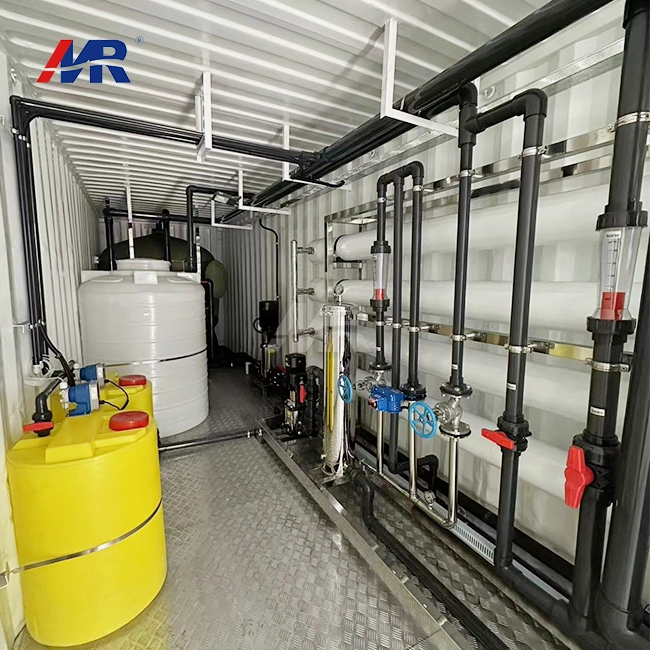
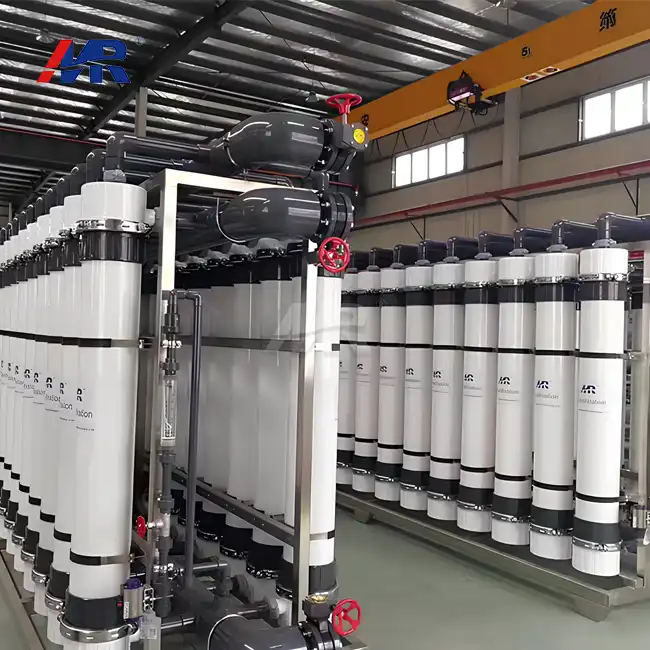
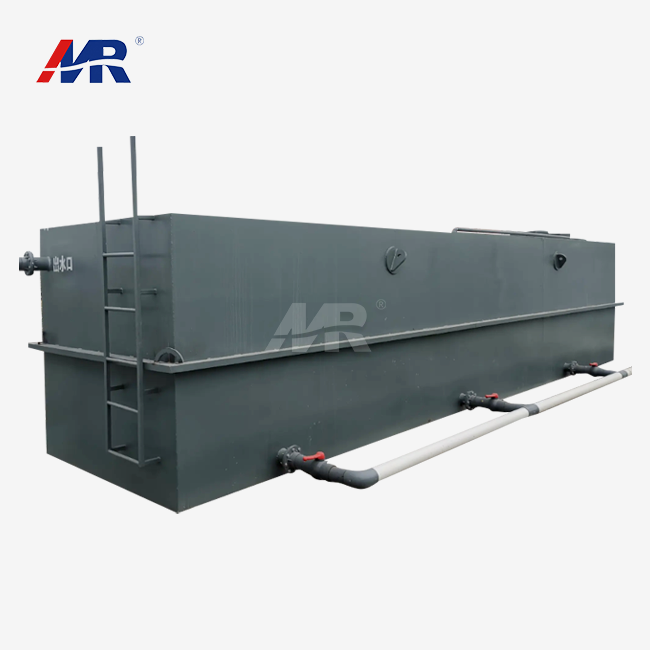
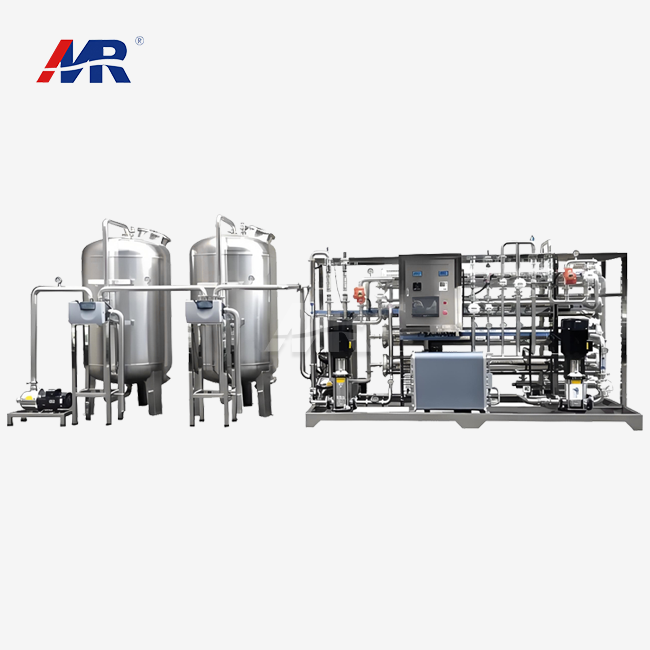
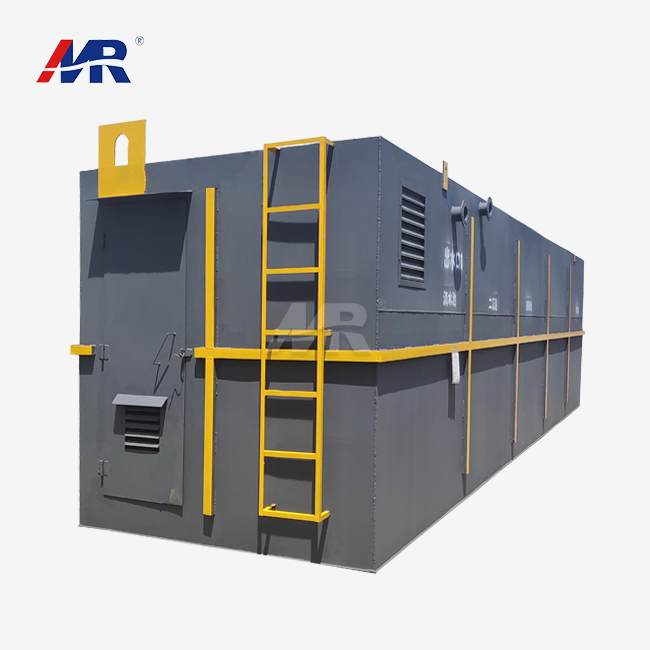
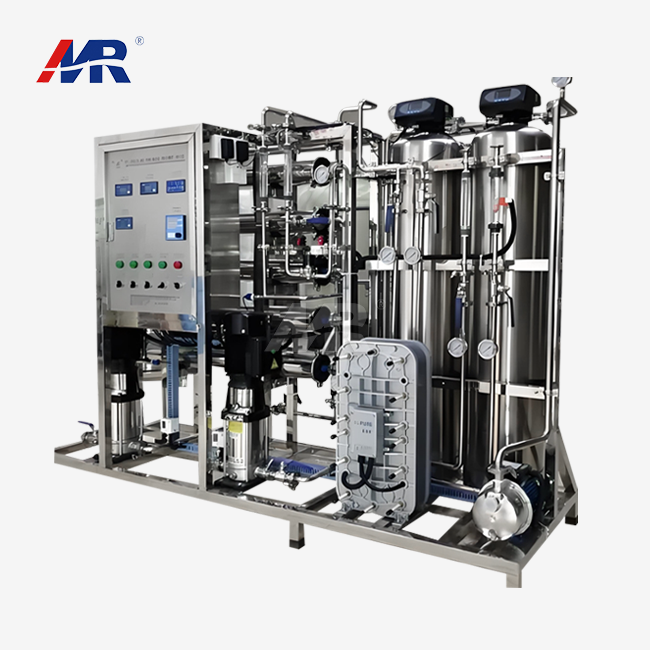
Philippines EPC companies are choosing Chinese commercial Sewage Treatment Plants more and more because they are very cheap, use advanced membrane bioreactor technology, and offer full project support. Chinese makers make treatments that are more effective than those made in other countries. Their BOD removal rates are higher than 95%, and their small designs take up 30% less room than regular systems. Chinese wastewater treatment solutions are very popular for a wide range of uses, such as factories, hospitals, and business buildings all over the island. They are priced competitively, have a history of reliability, and offer a lot of support after the sale.

Overview of Commercial Sewage Treatment Plants in the Philippines EPC Market
The sewer treatment industry in the Philippines has grown incredibly fast, thanks to stricter environmental rules and fast economic growth. When EPC companies work in this fast-paced market, they have to deal with tough problems that need advanced technical answers and strong foreign relationships.
Market Dynamics and Regulatory Landscape
Governments in the Philippines have strict rules about how garbage can be discharged. These rules mostly affect businesses, hospitals, and factories that make things. The Department of Environment and Natural Resources sets standards for the level of effluent that commercial sewage treatment plants must meet. EPC companies have to deal with these rules while also providing solutions that are both cost-effective and meet current and future legal needs.
As the industry sector has become more diverse, it has created a wide range of wastewater disposal needs. For organic load management, food and beverage facilities need special systems, while pharmaceutical businesses expect very high treatment standards. Electronics companies need high-tech systems that can handle mixtures of many chemicals, which opens the door for advanced cleaning technologies.
Technology Adoption Trends
Integrated cleaning systems that mix biological and physical processes are becoming more and more popular in modern EPC projects. Membrane bioreactor technology has become very popular because it has a small size and produces high-quality wastewater. These systems work especially well in urban areas with limited space, where traditional methods of treatment don't work well.
The move toward modular building has changed how long it takes to finish a job. EPC companies can now do staged installs, which let clients increase treatment capacity as the needs of the business grow. This adaptability is especially helpful for commercial sewage treatment plants, industrial parks, and business buildings that are growing.
Key Factors Driving the Preference for China Sewage Treatment Plants
Because of their high-quality technology, low prices, and wide range of project support services, Chinese makers have become the go-to choice for electronics project contractors in the Philippines.
Cost-Effectiveness Without Quality Compromise
Most of the time, Chinese sewage cleaning equipment works just as well as European or American options and costs 30 to 40 percent less. This lower price is due to more efficient manufacturing, economies of scale, and better control of the supply chain. EPC companies can take on projects competitively while still making good profits.
Chinese sellers offer a lot of financing options, which is great for projects that are on a tight budget. A lot of manufacturers offer leasing programs for tools, payment plans with longer terms, and payment plans based on results that work with the cash flow needs of the project.
Advanced Technology Integration
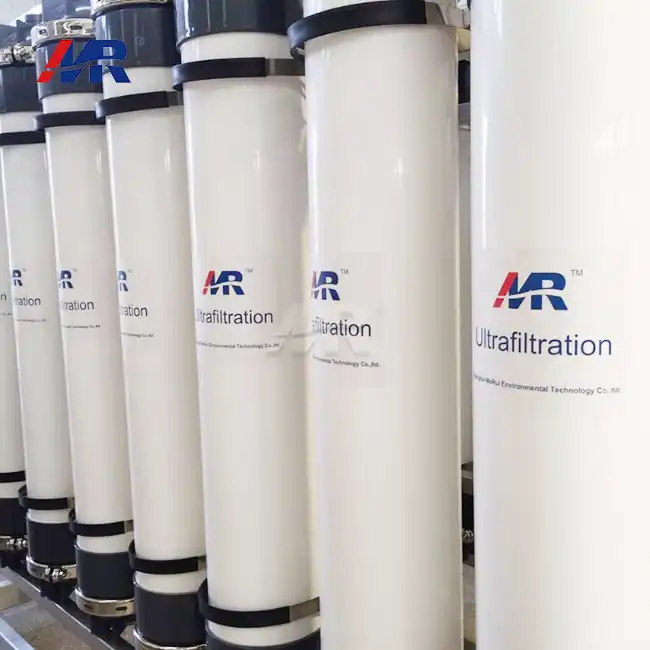
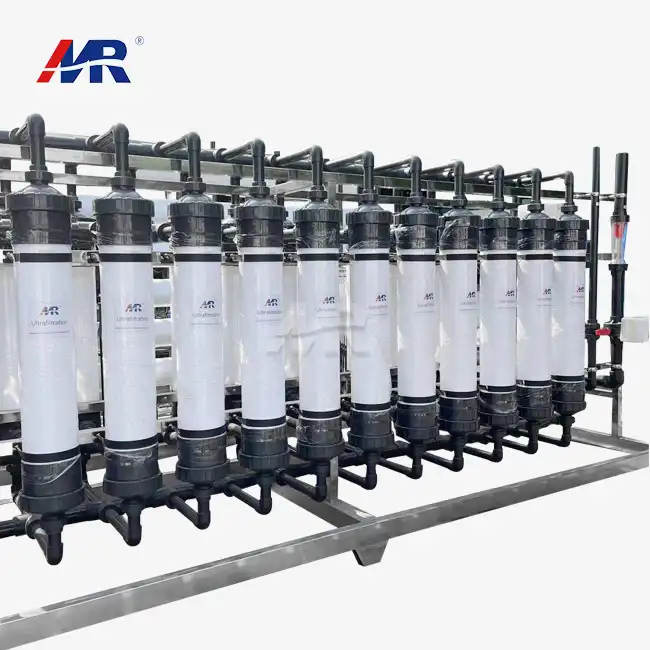
Chinese companies have put a lot of money into research and development, which has led to new medical methods that solve problems in Southeast Asia. Their membrane bioreactor systems are very good at treating water in commercial sewage treatment plants; they get rid of more than 95% of BOD and 99% of floating solids.
Another important benefit is that it saves energy. Modern systems in China only use 0.5 to 0.8 kWh per cubic meter of cleaned water, which is a lot less than older systems. This economy saves a lot of money on running costs over the life of the equipment.
Comprehensive Project Support
Chinese suppliers often offer full project help that goes beyond just delivering tools. This includes thorough engineering planning, overseeing the installation, helping with testing, and providing ongoing Technical support. EPC companies gain from less technical risk and faster project execution.
The flexible design philosophy makes it possible to launch quickly and add on in the future. Systems can be built ahead of time in controlled factories, which ensures uniform quality and cuts down on the time and cost of building on-site.
Comparative Analysis: China Sewage Treatment Plants vs Alternatives
When looking at different supplier choices, EPC companies always find that Chinese Products are the best value across a number of evaluation factors.
Performance and Efficiency Metrics
In tropical regions, Chinese commercial sewage treatment plants are very reliable at doing their jobs. Even though the Philippines has high temperatures and high humidity, its systems keep working the same way. The advanced control systems change the working settings automatically to make the treatment work best in different situations.
An analysis of energy usage shows that Chinese methods have big benefits. Independent tests show that these systems use 20–25% less power than standard activated sludge systems. This is mostly because the aeration control is better, and the cleaning processes for the membranes work better.
Operational Advantages
The fully automated operation cuts down on the need for staff and the chance of mistakes made by people. Advanced monitoring systems give you information about system performance in real time and alerts for planned repairs, which lets you handle the system proactively. This automation is especially helpful for rural setups that may not have a lot of skilled technicians on hand.
Controlling noise and smells is very important for business setups. Chinese systems use advanced airflow design and organic odor treatment to make sure they meet strict standards for urban environments. A lot of systems make noise levels below 55 dB, which is acceptable for areas close to homes.
Long-term Value Proposition
Lifecycle cost analysis always favors Chinese systems for commercial sewage treatment plants because they last a long time and don't need much upkeep. The flexible design makes it possible to change parts without shutting down the whole system, which keeps operations running as smoothly as possible. Standardized parts make sure that parts are always available and lower the cost of keeping supplies.
The small size is especially useful in cities where land is limited. Chinese systems usually take up 30% less room than traditional ones, which opens up possibilities for land use that makes money or future growth.
Practical Guidance for B2B Clients Procuring from Chinese Sewage Treatment Suppliers
To successfully purchase things, you need to use organized review methods that make sure you choose the best suppliers and get the best results from your projects.
Supplier Evaluation Framework
EPC companies should come up with thorough evaluation factors that take into account technical skills, financial security, and the quality of the service. Key areas for evaluation include the ability to manufacture, the state of quality Certifications, the performance of reference projects, and the ability to provide help after the sale.
As part of your technical due diligence research, you should look into the supplier's engineering skills, especially how well they can adapt systems to the unique properties of your wastewater. Check out past projects that had similar garbage and capacity needs to make sure that performance claims are true.
Project Planning Considerations
A thorough evaluation of the place is necessary for setting up the system in the best way. Think about things like the amount of room you have, the power source, the weather in the area, and the chance to grow in the future. Chinese providers usually offer full site evaluation services to make sure that the right system size and setup are used.
Careful planning is needed to integrate new commercial sewage treatment plants with old ones. Check out the places where garbage, treated effluent, and power hookups can be made. Chinese manufacturers often include thorough installation drawings and specs to make the process go more smoothly.
Quality Assurance Protocols
Set up strict checking methods for the whole process of making and delivering the product. A lot of Chinese suppliers are happy to have their factories inspected and give full records of their quality control. Before putting equipment into service, make sure there are clear performance acceptance standards and testing methods in place.
You might want to hire a third-party testing service to directly check performance claims. For regulatory compliance reasons, this method gives you more trust and proof.
Conclusion
In conclusion, Philippine engineering, procurement, and construction (EPC) companies prefer Chinese waste treatment plants because they are technically superior, cost-effective, and offer full project support. Innovative Chinese companies like Morui have shown they can make high-tech membrane bioreactor systems that work better than expected and cost a lot less than other options. Superior treatment efficiency, a small footprint, automatic operation, and reliable support after the sale all work together to make appealing value propositions for a wide range of business uses. As environmental rules get stricter and industry grows faster, Chinese sewage treatment solutions give EPC companies the technology and business freedom they need to complete successful projects all over the Philippines market.
FAQ
Q1: What distinguishes commercial from municipal sewage treatment plants?
Commercial sewage treatment plants usually deal with wastewater from particular businesses. Unlike local systems, they can more accurately predict the flow patterns and makeup of wastewater. Most of the time, these systems need special treatment methods to get rid of contaminants that are specific to the industry while still leaving smaller footprints that are acceptable for business buildings.
Q2: How do Chinese-manufactured plants ensure compliance with Philippine environmental regulations?
Chinese companies make their systems better than foreign standards, even the environmental standards in the Philippines. Their cutting-edge membrane bioreactor technology gets levels of treatment efficiency that are significantly higher than the bare minimums required by law. This guarantees consistent compliance even when operating conditions change.
Q3: What after-sales support services are typically provided?
Full support after the sale includes overseeing the installation, helping with the start-up process, training for operators, preventative maintenance programs, and expert support in an emergency. A lot of companies keep up local service networks or partnerships to make sure they can respond quickly to repair needs.
Q4: How do energy consumption levels compare with traditional systems?
Modern Chinese sewage treatment systems use about 0.5 to 0.8 kWh of energy per cubic meter of cleaned water. This is 20 to 25 percent less energy than older activated sludge systems. This productivity comes from better control of aeration and better cleaning procedures for the membranes.
Q5: What financing options are available for EPC projects?
Chinese sellers often offer flexible ways to pay, such as leasing programs for tools, payment plans that are based on results, and delayed payment schedules. These choices help EPC companies keep track of their projects' cash flow and give end clients competitive bids.
Partner with Morui for Advanced Commercial Sewage Treatment Solutions
Guangdong Morui Environmental Technology can help you with your next water treatment project by providing you with the best membrane bioreactor systems and full planning services. We have a history of working with EPC firms all over Southeast Asia, which shows that we are dedicated to technical quality and project success. As a reliable company that makes commercial sewage treatment plants, we offer full solutions, from the initial design to long-term operating support. Get in touch with our expert team at benson@guangdongmorui.com to talk about your unique needs and find out how our cutting-edge treatment technologies can help your project succeed.
References
1. Philippine Department of Environment and Natural Resources. "Updated Water Quality Guidelines and General Effluent Standards." Manila: Environmental Management Bureau, 2022.
2. Southeast Asian Water Association. "Commercial Wastewater Treatment Technology Assessment Report." Bangkok: Regional Water Technology Institute, 2023.
3. Chen, Wang, and Rodriguez. "Membrane Bioreactor Performance Analysis in Tropical Commercial Applications." Journal of Environmental Engineering Asia, Vol. 15, 2023.
4. Philippines EPC Industry Association. "Market Analysis and Technology Trends in Water Treatment Procurement." Quezon City: Infrastructure Development Council, 2023.
5. International Water Technology Consortium. "Energy Efficiency Benchmarks for Commercial Sewage Treatment Systems." Singapore: Asian Water Technology Center, 2022.
6. Liu, Santos, and Kumar. "Cost-Benefit Analysis of Advanced Wastewater Treatment Technologies in Southeast Asia." Environmental Economics Quarterly, Vol. 28, 2023.