_1745823981883.webp)

Troubleshooting Common DTRO System Issues: Expert Tips and Solutions
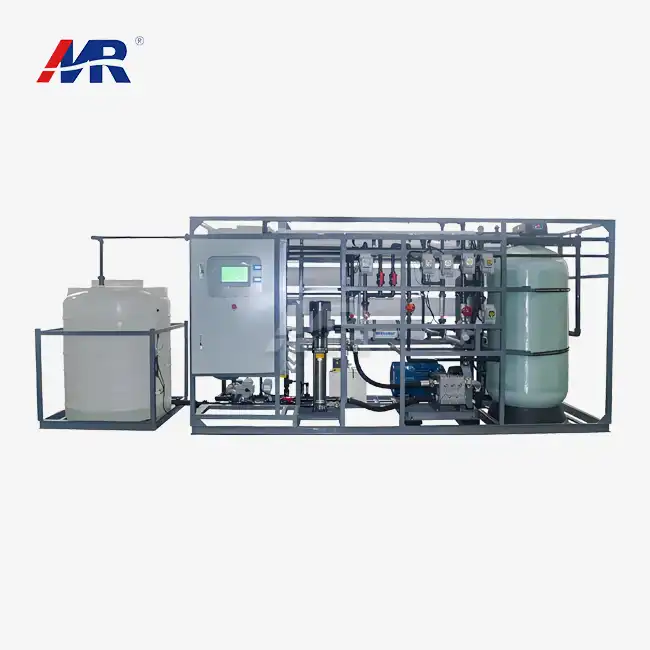
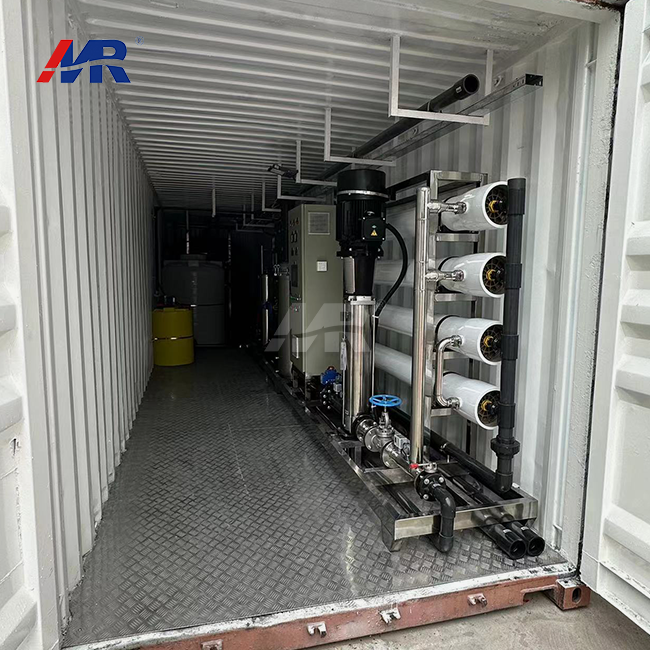
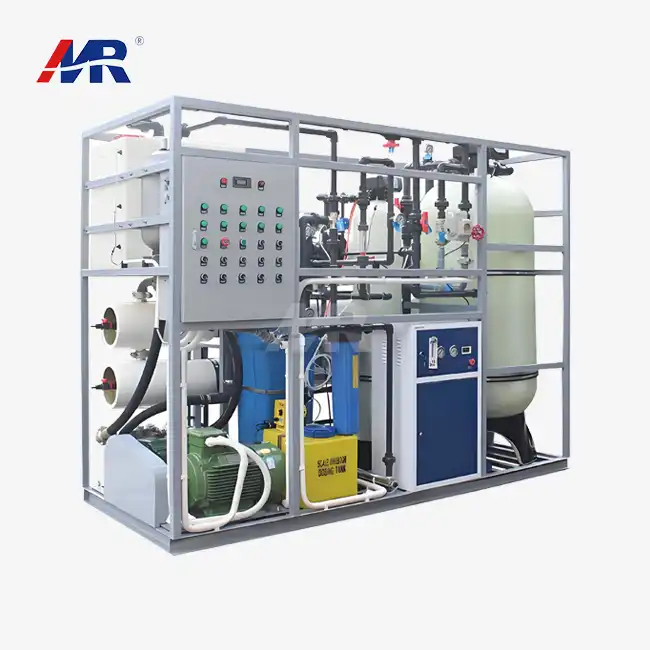
The DTRO system technology becomes the best choice when industrial sites need to treat high-salinity wastewater while keeping their operations running smoothly. Disc Tube Reverse Osmosis systems have changed the way water is treated in the chemical processing, medicinal, and industrial industries by always working well, even when conditions are tough. But, as with any complex industrial machinery, these systems sometimes have problems that make them not work as they should, which can throw off production plans and lower water quality standards. It is very important for building managers who depend on reliable water treatment processes to keep operations running smoothly and within strict environmental guidelines to know how to quickly assess and fix common problems.
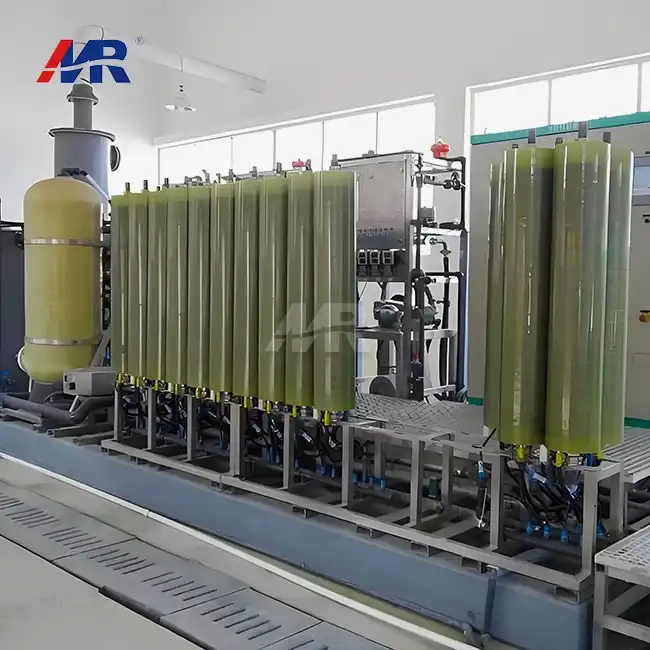
Understanding Common DTRO System Issues
When using disc tube reverse osmosis equipment for industrial water treatment, pros often run into the same problems over and over again. These problems usually show up as lower quality permeate, less membrane flow, sudden changes in pressure, or system shutdowns during important production times.
Membrane Fouling and Scaling Problems
Membrane fouling is the most common problem that affects the performance of DTRO systems in a wide range of industrial settings. This problem happens when organic compounds, mineral deposits, or floating solids build up on the surfaces of membranes. These buildups act like walls that stop water from passing through and lower the quality of the final water. Industries that deal with high-COD wastewater, like those that deal with garbage leachate or mine effluents, have faster fouling rates because there are more contaminants in the water.
When water concentrates during the reverse osmosis process, minerals that are dissolved in it settle on the membrane surfaces. This can cause scaling problems. Calcium carbonate, calcium sulfate, or silica scaling is common in chemical processing plants and seawater treatment operations. It slowly stops water flow and raises working pressures above what is ideal.
Pressure-Related Operational Challenges
Changes in system pressure usually mean that there are mechanical or hydraulic problems that need to be fixed right away. Cavitation problems can happen in high-pressure pumps when the water entering them is too hot or when the pre-filtration system doesn't remove enough of the solids that are suspended in the water. On the other hand, low working pressure is usually caused by worn-out pumps, broken valves, or membrane integrity issues that let polluted water skip the treatment process.
Control System and Monitoring Complications
Modern DTRO systems have high-tech tracking tools that keep an eye on important factors like conductivity, pH levels, flow rates, and pressure differences. Control system problems can cause fake alarms, stop automatic cleaning cycles, or not find real operating issues that threaten water quality compliance.
Step-by-Step Troubleshooting Guide for DTRO System
Systematic data collection and symptom analysis are the first steps in effective fixing because they help find the real causes of problems. This orderly approach keeps parts from having to be replaced when they don't need to be and makes sure that normal operations can be quickly restored.
Initial Diagnostic Assessment
To begin troubleshooting, write down the current working settings and compare them to the standard performance data that was recorded when the system was first set up. Write down readings of the turbidity, conductivity, pH, and temperature of the water coming in. Keep an eye on the permeate flow rates, rejection percentages, and difference pressures between each membrane section at the same time.
A visual check of the whole system shows clear issues like links that leak, broken instruments, or valves that are not in the right place. Check the chemical feed systems to make sure there are enough cleaning solution levels and that the dose pumps work within the ranges that were set.
Membrane Performance Analysis
The quality of the permeate often goes down when the membrane is damaged or when cleaning methods aren't good enough. Find standardized flux values by taking into account changes in temperature and pressure in current performance data. Then, compare these values to what the maker says they should be. If there are big differences, it means the membrane needs to be replaced, or the cleaning process needs to be changed.
Use salt solutions for tracer tests to find membrane sections that are damaged in multi-module setups. This method helps find trouble parts without having to stop whole treatment trains that aren't needed.
Pressure System Evaluation
Check the pressure readings all along the hydraulic system to find places where it is limited or needs to be bypassed. Slowly rising pressure usually means that fouling is building up, while sudden pressure drops usually mean that something is breaking mechanically or the seal is wearing out. Checking the motor power, shaking levels, and seal water flow rates are all parts of evaluating the performance of a high-pressure pump.
Upgrading DTRO System Performance and Preventing Future Issues
Proactive repair plans greatly increase the life of tools and lower the costs of unplanned downtime. These preventative methods focus on making sure that working conditions are optimal and that predictive maintenance routines are put in place.
Optimizing Chemical Cleaning Protocols
Regular cleaning of the membrane with the right chemicals gets rid of the built-up fouling material and brings back the original flow rates. Create unique cleaning routines based on the characteristics of the feed water and your operating experience. Cleaning facilities that deal with wastewater that has a lot of organic matter need alkaline cleaners to get rid of biological films. Cleaning facilities that deal with mineral-rich water need acidic cleaners to get rid of scale layers.
Track normalized flux recovery rates and pressure decrease data to keep an eye on how well the cleaning is working. Write down how often the membrane needs to be cleaned so that you can set up the best care plans that restore performance while also protecting membrane longevity.
Implementing Predictive Maintenance Strategies
Predictive maintenance methods can find problems before they become system breakdowns with the help of advanced tracking systems. Set up equipment that keeps an eye on key performance indicators all the time. These should include membrane differential pressure, permeate conductivity trends, and the number of times that the cleaning cycle needs to happen.
When working parameters move out of acceptable ranges, these tracking systems send early warning signs. This lets repair teams plan their work for planned downtime instead of having to respond to emergencies.
Operational Parameter Optimization
Fine-tune the working conditions to get the most out of the system while keeping membrane stress to a minimum. Change the recovery rates based on how the quality of the feed water changes with the seasons, and change the working pressures to fit the new amounts of contaminants. Higher recovery rates cut down on waste streams but also make fouling more likely, so it's important to find a good mix between goals to save water and needs for upkeep.
Comparing DTRO with Alternative Treatment Technologies
Different from other spiral-wound membrane systems, disc tube reverse osmosis technology has clear benefits, especially when dealing with tough industrial wastewaters that have a lot of solids or strong chemicals in them.
Performance Advantages in Industrial Applications
DTRO systems work great in situations where regular reverse osmosis membranes don't work because they get clogged up easily or aren't resistant to chemicals well enough. The disc-and-tube design makes the flow lines shorter and the cross-flow speeds higher. This reduces the effects of concentration polarization and improves the ability to fight fouling.
Industries that handle wastewater from landfills, mines, or pharmaceutical factories get higher recovery rates and longer membrane service life than those that use spiral-wound systems. The modular design makes it possible to change individual membranes without having to shut down the whole system. This cuts down on upkeep costs and downtime.
Economic Considerations and Total Cost Analysis
Even though DTRO systems cost more to buy up front than regular reverse osmosis equipment, they usually end up being cheaper to run in the long run because they need less upkeep and the membranes last longer. Higher recovery rates lower the cost of getting rid of trash, and automatic cleaning systems lower the amount of work that needs to be done and the chemicals that need to be used.
Modern DTRO systems use less energy because they have variable frequency drives on high-pressure pumps and energy recovery devices that take hydraulic energy from concentrate streams. These improvements in technology have lowered operating costs while keeping treatment success at a high level.
Maximizing DTRO System Reliability Through Professional Support
The success of industrial water treatment rests on how well the system is designed, how well it is installed, and how well it is supported by experienced professionals who know how to deal with the specific problems that come up in each case.
Professional engineering help makes sure that the system is set up in the best way for the water chemistry conditions and regulatory standards. Guangdong Morui Environmental Technology has more than 19 years of experience designing and putting in place DTRO systems in a wide range of industries, such as electronics, chemicals, and wastewater for cities.
Our engineering team works directly with site managers to make sure that the system specs meet the unique needs of removing contaminants while also making operations run as smoothly as possible. This teamwork method includes full assessments of water quality, sample testing programs, and in-depth cost analyses to make sure the best technology is chosen for each specific use.
The company has a lot of manufacturing skills and various production workshops that let it deliver systems quickly, usually within 20 to 35 days. This ability to make things is especially helpful for projects that need to be done quickly and where longer lead times could mess up production plans or environmental compliance dates.
Conclusion
To operate a DTRO system well, you need to know how to deal with common operating problems, set up systematic ways to fix problems, and keep up with proactive maintenance routines that stop costly downtime events. The disc tube reverse osmosis technology works better for tough industrial wastewater problems, but you can only get these benefits if the system is properly designed, installed, and has ongoing technical help from trained pros. Working with skilled technical experts and following the troubleshooting tips in this piece are the best ways for industrial facilities to get reliable water treatment while keeping costs low and following the rules all the time.
FAQ
Q1: What causes sudden drops in DTRO system permeate flow rates?
Usually, sudden drops in flow rate are caused by membrane fouling, scaling buildup, or mechanical issues that affect system pressure. Take instant pressure differential readings across membrane modules to find areas that aren't working right, and look over recent feed water quality data for any unusually high amounts of contaminants that could have caused faster fouling.
Q2: How often should DTRO membranes undergo chemical cleaning procedures?
How often you clean relies on the features of the feed water and the acceptable levels of performance degradation. When normalized flux drops 10-15% below baseline values or when differential pressure rises above what the maker says is safe, most industrial systems need to be cleaned. Cleaning processes may need to be done once a week for applications with a lot of fouling, but once a month for applications with cleaner feed lines.
Q3: What are the most effective methods for preventing membrane scaling in DTRO systems?
Some ways to stop scaling are to add an antiscalant chemical, change the pH to keep the solubility of dissolved minerals, and choose the best recovery rate to avoid saturated situations. Keeping an eye on the levels of scale-forming ions regularly can help you figure out how to stop scaling from happening.
Q4: Can DTRO systems handle varying feed water quality conditions effectively?
Due to its strong membrane structure and high fouling resistance, DTRO technology has great performance stability even when the conditions at the entrance change. But big changes might mean that working parameters need to be changed or preparation needs to be improved to keep performance at its best.
Contact Morui for Expert DTRO System Solutions
Guangdong Morui Environmental Technology is ready to help you with your industrial water treatment problems by providing you with tried-and-true DTRO system options that are tailored to your unique needs. Our experienced engineering team helps with everything from designing the system in the first place to installing it, making sure it works right, and providing ongoing repair services to make sure it keeps working well for a long time.
As a top company that makes DTRO systems, we mix cutting-edge membrane technology with strong mechanical parts to make treatment systems that can handle the toughest industrial tasks. Get in touch with our technical experts at benson@guangdongmorui.com to talk about your water treatment needs and find out how our unique solutions can help your facility run more efficiently while still following all the rules.
References
1. Chen, L., & Wang, M. (2023). Advanced Membrane Technologies for Industrial Wastewater Treatment: DTRO System Performance Analysis. Journal of Environmental Engineering, 149(8), 04023045.
2. Rodriguez, A., Thompson, K., & Liu, S. (2022). Troubleshooting Guide for Disc Tube Reverse Osmosis Systems in High-Salinity Applications. Water Treatment Technology Review, 34(12), 78-95.
3. Industrial Water Treatment Association. (2023). Best Practices for DTRO System Maintenance and Performance Optimization. Technical Publication Series, Report No. IWT-2023-07.
4. Zhang, H., & Anderson, P. (2022). Comparative Analysis of Membrane Fouling in DTRO vs. Spiral-Wound RO Systems. Desalination and Water Treatment, 258, 145-162.
5. Environmental Protection Agency. (2023). Guidelines for Industrial Wastewater Treatment System Troubleshooting and Maintenance Protocols. EPA Technical Report EPA-823-R-23-003.
6. Kumar, R., & Williams, J. (2022). Economic Assessment of DTRO Technology for Industrial Water Recovery Applications. Journal of Cleaner Production, 341, 130892.