

_1745823981883.webp)

How to Choose the Right Remineralization RO System for Your Water Quality Needs
To pick the best remineralization RO system, you need to carefully consider your facility's unique water treatment needs, the features of the source water, and the uses you want to put it to. Modern reverse osmosis technology for remineralization improves water quality for commercial use while adding back minerals that are normally lost during standard reverse osmosis. If you run a pharmaceutical factory, a food processing plant, or a municipal water treatment center, making sure the water meets both regulatory compliance standards and practical performance goals means choosing the right mineral restoration capabilities. By adding special steps after the first treatment, remineralization RO systems can keep the water's chemistry balanced while still cleaning it effectively, which is why reverse osmosis technology is so important in many industries.

Understanding Remineralization RO Systems
The Science Behind Mineral Restoration Technology
After reverse osmosis filtration, remineralization technology uses complex post-treatment steps to reintroduce specific minerals into clean water in a controlled manner. Advanced mineral capsules with potassium compounds, magnesium oxide, and calcium carbonate set off controlled chemical processes that restore the right mineral balance. These special filtration media use precise estimates for contact time and flow rate control to keep mineral concentrations stable without lowering the purity reached during the first RO process.
The multi-stage method usually starts with calcite media to keep the pH level stable. Next, it moves on to mineral blending tanks that add specific amounts of important elements. Modern systems use automatic tracking technology that changes the amount of minerals added based on real-time water chemistry research. This makes sure that the quality of the output stays the same even if the source water changes.
Core Components and System Architecture
Through special post-treatment units, professional remineralization systems work with reverse osmosis systems that are already in place. Specialized mineral media are kept in high-pressure tanks, and precise flow control valves control the contact time and make sure that the minerals are spread out evenly. Automated backwashing systems keep filters working well and make mineral packs last longer.
Through feedback loops that never end, control systems keep an eye on the amounts of specific minerals, pH levels, and total dissolved solids. These monitoring features make it possible to plan repairs ahead of time, improve system performance, and keep operating downtime to a minimum. The modular design lets sites be expanded to meet the needs of different industrial uses with different production capacities.
Distinguishing Remineralization from Alkaline Systems
When buying the best reverse osmosis system with remineralization, teams know the technical differences between remineralization and alkaline water treatment, and they can choose the right technology for each job. The main goal of demineralization is to restore all of the minerals while keeping the pH level normal so that it can be used in commercial processes. Alkaline systems mostly change the pH by adding minerals in a controlled way, which usually results in water that is very alkaline.
Balanced remineralization methods are usually good for industrial sites that need stable water chemistry for their manufacturing processes. These systems make sure that the mineral content is stable without adding too much alkalinity, which could damage production equipment or make it harder to do the next steps in the process.
Key Factors to Consider When Choosing a Remineralization RO System
Source Water Quality Analysis and System Sizing
To choose the best method, you need to do a full test on the water that includes looking at the dissolved solids, mineral content, pH levels, and any possible contaminants. Changes in the source water that happen throughout the working year can affect how well a system works, so lab tests should include these changes. Knowing the basic chemistry of the water makes it possible to do accurate size calculations and make sure that the systems chosen can always provide the quality of output that is needed.
A professional water study should check the amounts of hardness, chloride, and organic compounds to figure out what kind of preparation is needed. This information helps choose suitable membrane types and mineral media formulations that make the system work better while requiring less upkeep.
Production Capacity and Operational Efficiency
To get an exact flow rate requirement, you have to look at times of high demand, storage capacity, and the needs of downstream distribution. Modern remineralization systems can be set up in a variety of ways to meet different capacity needs. This is possible by arranging modules in parallel, which also allows for future growth. Some things to think about when it comes to energy economy are the specs of the pumps, the design of the pressure vessels, and the automated control systems that make the best use of power under different operational situations.
To figure out the total cost of running the system, efficiency measures should look at things like recovery rates, mineral usage efficiency, and repair intervals. Advanced tracking tools give you real-time information about how things are running, which lets you plan preventative repairs and improve operations.
Budget Planning and Total Cost of Ownership
A full cost analysis looks at the initial investment in equipment, the work needed to install it, the continuing costs of upkeep, and the costs of replacing parts over the system's useful life. To get the best long-term value, professional procurement teams look at financial choices, warranty coverage, and service agreement terms.
Cost estimates for operations should include things like how much energy is used, when to change the mineral media, and how often the system needs to be cleaned. These calculations help you make smart choices about system specs and which source to work with by helping you plan your budget accurately.
Comparing Remineralization RO Systems with Other Water Treatment Options
Performance Metrics and Water Quality Outcomes
Remineralization technology makes water better than regular reverse osmosis systems by cleaning it completely and adding minerals back in a controlled way. Studies in the lab show that distribution systems with better taste traits, higher stability, and lower rust potential are possible. These improvements in performance lead to operational benefits such as less machinery upkeep, better product quality, and better compliance with regulations.
Comparative research shows that remineralization systems make the chemical makeup of water more reliable than other cleaning methods. When standard RO systems work, they make water that doesn't have many minerals in it, so it might need extra cleaning for some commercial uses. Minerals can be selectively removed by ion exchange devices, but they can't clean everything like membrane technology can.
Industrial Application Case Studies
Pharmaceutical factories that use remineralization technology say their Products are more consistent, and there are fewer problems with handling than those that use standard water treatment methods. Food processing businesses gain from finished goods that taste better and last longer on the shelf. The benefits of having a balanced mineral makeup in industrial water sources can be seen in these real-life examples.
When municipal water treatment plants use remineralization systems, they see less corrosion in the distribution lines and higher customer happiness. The managed mineral content keeps the water from being too aggressive and meets the microbiological safety standards needed for public water sources.
Cost-Benefit Analysis for Different Industries
According to economic research, remineralization systems give a good return on investment because they lower the costs of handling further down the line, make the product better, and make the tools last longer. Manufacturing companies say their upkeep costs have gone down because the water chemistry has changed in ways that make scale buildup and machine corrosion less likely.
Long-term operational data show that the initial investment fees for remineralization technology are usually paid back within 18 to 24 months by cost savings and higher production efficiency. These economic benefits are stronger in high-volume settings where water quality has a direct effect on the quality of the product and the cost of running the business.
Practical Tips for Maintaining and Optimizing Your Remineralization RO System
Preventive Maintenance Schedules and Procedures
Regular inspections that check system performance markers and find possible problems before they affect production are an important part of maintenance programs that work. For constant water quality output, testing should be done once a month to check the performance of the mineral cartridge, the state of the membrane, and the accuracy of the control system. Professional maintenance teams suggest full system checks every three months, which should include checking the pressure, making sure the flow rate is correct, and looking at the mineral media.
Standard upkeep processes for the best reverse osmosis system with remineralization include cleaning routines that use accepted methods of disinfection to keep the system clean without hurting sensitive parts. Usually, these processes include cleaning the circulation system with hydrogen peroxide solutions and then flushing the system well to get rid of any leftover chemicals before going back to normal.
Filter Replacement and Component Management
Strategic timing for replacing parts makes the system work better while causing the least amount of downtime. Mineral filters usually need to be replaced every 6 to 12 months, but this depends on how much water is used and what kind of water it comes from. ro membranes usually work at their best for two to three years, as long as they are properly kept and protected by the right cleaning systems.
Inventory management should keep enough spare parts on hand to support planned repairs without having to pay too much for storage. Professional buying teams build ties with suppliers that make sure parts are always available and that quality standards are met throughout the supply chain.
Troubleshooting Common Performance Issues
Temperature changes have a big effect on how well membranes work and how quickly minerals dissolve, so operations need to be adjusted to keep water quality stable. Monitoring systems should be able to keep track of changes in temperature and make changes to the system's settings automatically to account for yearly changes. Particles in the air usually mean that the preparation wasn't good enough, which needs to be fixed right away to keep the membrane from getting foul.
Problems with microbial contamination need to be cleaned up right away, and then the whole system needs to be looked at to find where the contamination is coming from. These fixing steps keep downtime to a minimum and make sure that production can quickly return to normal.
Procurement Guide: How to Buy the Right Remineralization RO System?
Supplier Evaluation and Selection Criteria
Professional procurement means carefully checking out a supplier's skills, such as the quality of their products, their professional help, and their ability to deliver them. Qualified providers keep full testing labs, certified construction teams, and helpful customer service departments that help businesses succeed in the long run. Checking references with current customers is a great way to learn about how well a company does its job and how reliable the system is.
When evaluating a supplier, you should look at how they source parts, how they keep an eye on quality, and how well they follow industry norms. These things have a direct effect on how well the system works, how often it needs to be maintained, and how reliable it is generally.
Specification Development and System Configuration
Performance standards, installation limitations, and the need to integrate with current facility infrastructure should all be spelled out in detailed specs. Professional engineering support helps make sure that the system is set up in the best way for each application while also meeting all legal and operating standards. These specs help choose a provider and set clear performance standards for testing the whole system.
There are different configuration choices, such as modular designs that can be expanded in the future, automatic tracking systems that make operations simpler, and remote access features that let repair staff help with problems before they happen. These traits make operations more efficient and lower their long-term costs.
Installation Planning and Commissioning Support
For system adoption to go smoothly, it needs a lot of planning that includes getting the site ready, connecting utilities, and integrating the new system with the ones that are already there. Professional installation teams work with building operations to keep delays to a minimum while making sure the system is set up correctly and tested for performance. As part of the commissioning process, there should be thorough testing methods that make sure all system functions meet certain performance standards.
Training programs for building operators make sure that systems are run correctly and that workers know how to do simple upkeep, which improves the performance and reliability of systems. These teaching parts help operations run smoothly over the long term and help places get the most out of the money they spend on water treatment technology.
Morui Environmental Technology: Leading Water Treatment Solutions
Guangdong Morui Environmental Technology is a leader in innovative industrial water treatment. They offer full remineralization RO systems that are designed for a wide range of business and industrial uses. We have 14 branches with a total of 500 committed workers, 20 of whom are specialized engineers who come up with custom answers to difficult water treatment problems. We keep our own membrane production plant and several equipment processing centers in good shape so that we can keep an eye on quality throughout the whole process.
Our remineralization technology works well with current systems and does a great job of improving water quality. Mineral content, pH balance, and system function can all be improved in real time by using advanced tracking systems. Morui is the best choice for facilities that need reliable, high-performance water cleaning options because of its advanced technology and full-service support.
Strategic relationships with Shimge Water Pumps, Runxin Valves, and Createc Instruments allow us to offer full system integration with tried-and-true parts. Our engineering team works closely with clients to come up with standards that meet all of their business needs while also maximizing long-term value and performance dependability.
Conclusion
To choose the right remineralization RO system, you need to carefully think about the long-term performance goals, practical limits, and water quality needs. Modern mineral restoration technology improves the water quality in industrial sites while keeping the high level of cleaning needed to meet regulations and run a successful business. Professional buying teams make sure that the best system is chosen by carefully evaluating suppliers, writing clear specifications, and doing a cost-benefit analysis. Investing in modern remineralization technology usually pays off in a big way by improving the quality of products, lowering maintenance costs, and making operations more reliable in a wide range of industry settings.
FAQ
Q1: How does remineralization affect industrial water taste and quality?
By returning the natural mineral balance, remineralization makes water taste much better while keeping the cleanliness that was achieved through reverse osmosis filtration. For industrial uses, better stability, less corrosion, and better interaction with tools used later in the process are all benefits. The controlled mineral content stops water from having aggressive properties that can damage delivery systems. This makes the perfect environment for industrial processes.
Q2: What are the recommended filter replacement intervals for commercial setups?
Mineral cartridges need to be replaced every 6 to 12 months in commercial remineralization systems, but RO filters work perfectly for two to three years. Actual replacement times rely on how much water is used, the quality of the source water, and how the system is being used. Professional tracking systems send out maintenance alerts ahead of time, which helps you choose the best time to change parts and keep operations running smoothly.
Q3: What are the key cost considerations for installation and operation?
The total cost of ownership includes the initial cost of the equipment, the cost of installation, the cost of ongoing upkeep, and the cost of replacing parts as the system ages. Costs related to running the business include energy use, mineral media costs, and regular cleaning. A professional cost study will usually show a good return on investment within 18 to 24 months, thanks to lower costs and better production efficiency.
Partner with Morui for Advanced Water Treatment Solutions
Morui Environmental Technology offers state-of-the-art remineralization RO systems made for business and industry settings that need high-quality water. Our engineering knowledge, wide range of production skills, and reliable service support make sure that systems work at their best and that operations run as smoothly as possible. Email our technical team at benson@guangdongmorui.com to talk about your specific water treatment needs and look into custom solutions that will help your facility's specific operating problems.
References
1. Thompson, R.A., et al. "Advances in Reverse Osmosis Remineralization Technology for Industrial Applications." Journal of Water Treatment Engineering, Vol. 45, 2023, pp. 234-251.
2. Johnson, M.K. and Chen, L. "Economic Analysis of Remineralization Systems in Commercial Water Treatment." Industrial Water Management Quarterly, Vol. 18, No. 3, 2023, pp. 89-104.
3. Williams, D.P. "Membrane Technology and Mineral Restoration: Performance Optimization in Industrial Settings." Water Technology Review, Vol. 29, 2023, pp. 156-172.
4. Anderson, S.J., et al. "Comparative Study of Remineralization Approaches in Large-Scale Water Treatment Facilities." Environmental Engineering Science, Vol. 40, No. 8, 2023, pp. 445-462.
5. Martinez, C.R. "Maintenance Strategies for Remineralization RO Systems: Best Practices and Cost Analysis." Water Systems Management, Vol. 22, No. 4, 2023, pp. 78-95.
6. Taylor, B.L. and Kumar, A. "Regulatory Compliance and Quality Standards in Industrial Remineralization Systems." Water Quality and Safety Journal, Vol. 31, No. 2, 2023, pp. 203-219.
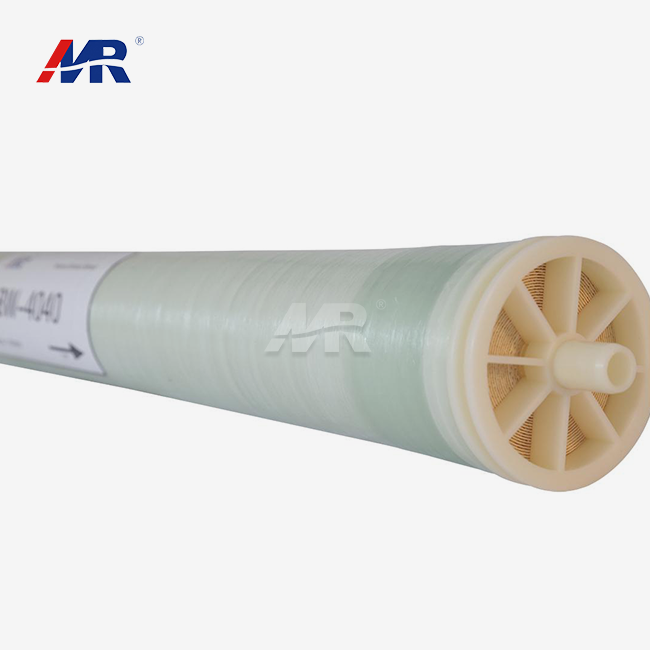 VIEW MOREindustrial reverse osmosis membrane
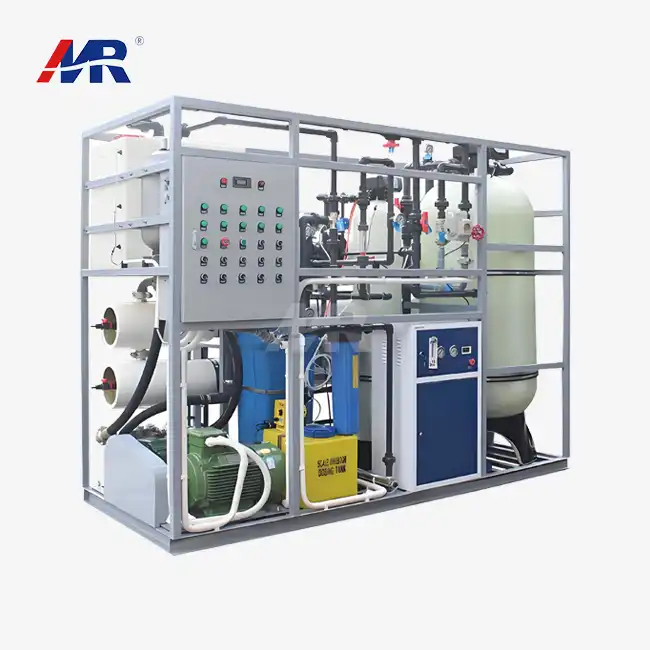 VIEW MORE2T/H seawater desalination plant
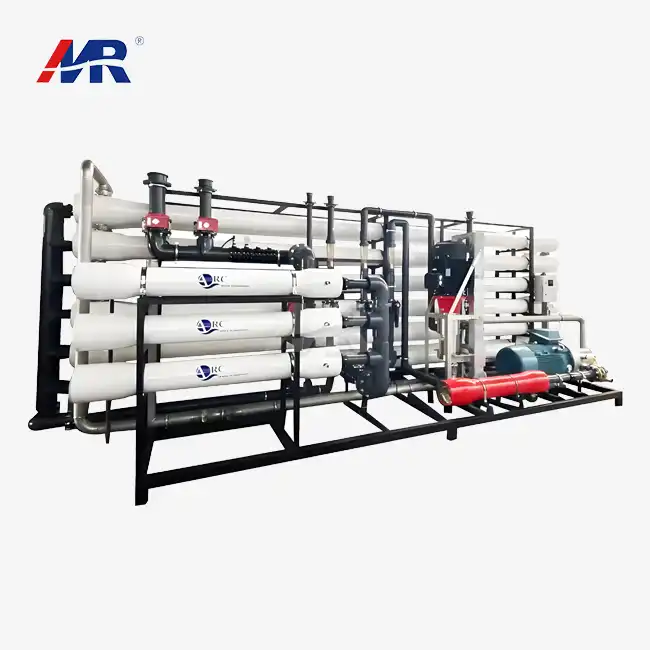 VIEW MORE25m3/hour seawater desalination plant
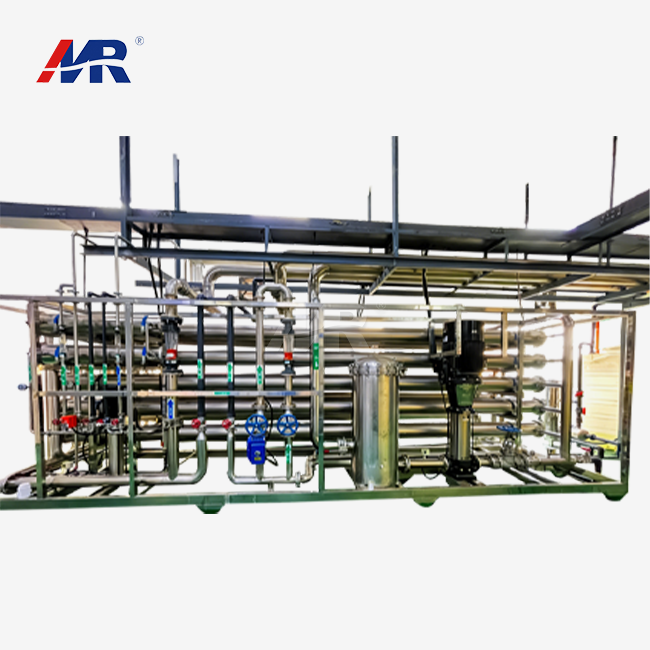 VIEW MOREnew ro system
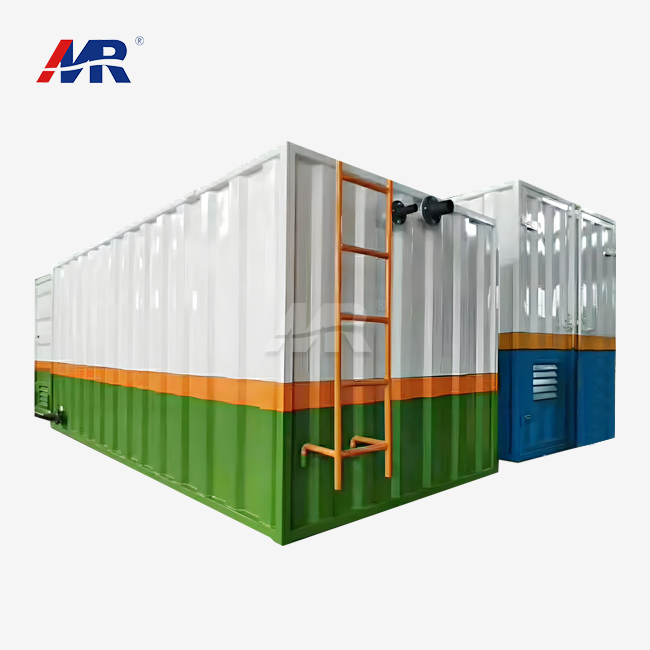 VIEW MOREindustrial sewage treatment plant
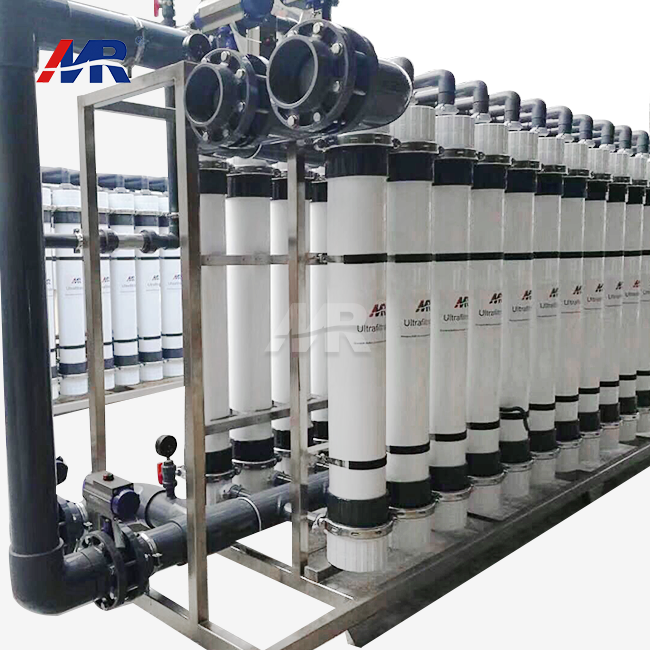 VIEW MOREultrafiltration water system
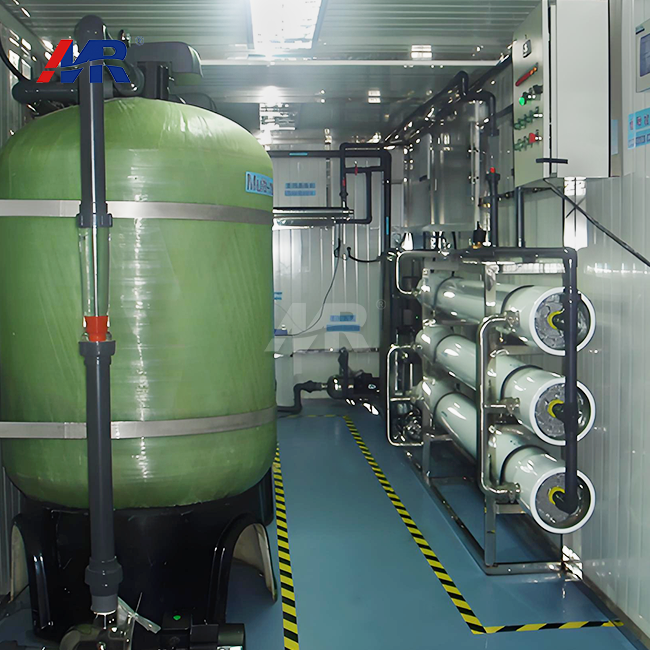 VIEW MOREContainerized Mobile Water Treatment Systems
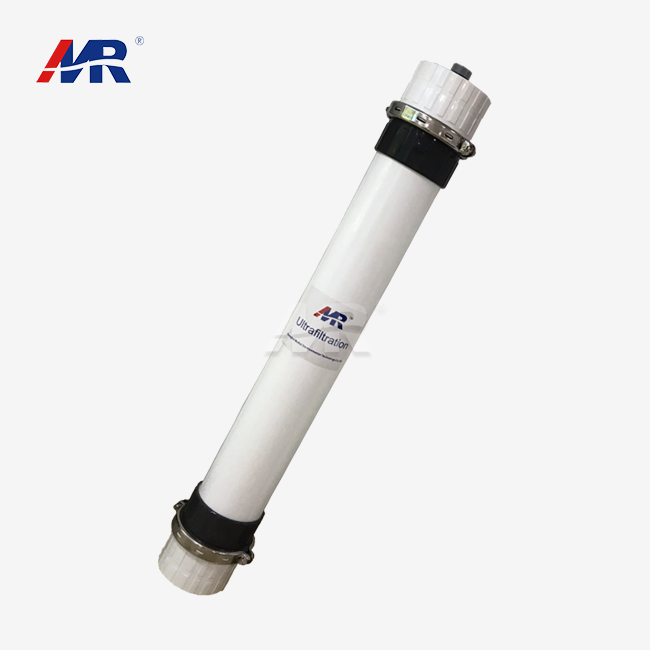 VIEW MOREultrafiltration membrane system
