_1745823981883.webp)

Best Reverse Osmosis Water Purification Unit for Home Use: Top Picks and Buying Guide
Selecting the best reverse osmosis water purification unit for home use requires understanding both technical specifications and practical applications. Modern RO systems remove up to 99% of dissolved contaminants, including heavy metals, chemicals, and microorganisms, making them essential for ensuring safe drinking water. The global water purification unit market has evolved significantly, with manufacturers now offering energy-efficient models that combine superior filtration performance with reduced operational costs, addressing both residential needs and commercial applications across various industries.
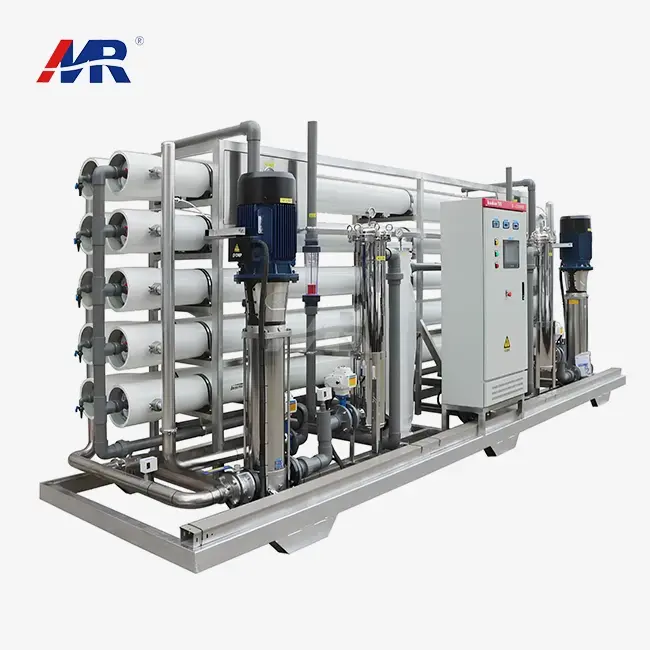
Introduction
Reverse osmosis water purification units are the backbone of safe drinking water systems all over the world, especially in homes where worries about water quality keep growing. The technology is very useful in many fields, from pharmaceuticals, which need GMP-compliant pure water, to food and drink companies, which need to make sure their Products are safe by following uniform water purity standards.
When choosing RO systems, modern buyers have to make choices that are more complicated. The problem goes beyond just being able to filter. It also includes things like energy efficiency scores, membrane longevity, and source dependability. A recent study of the market shows that the demand for domestic RO units is growing at a rate of 15% per year. This is mostly because people are becoming more aware of problems with contaminated water and because rules are changing that affect how cities treat their water.
Buying a good reverse osmosis system has benefits that go beyond improving your health right away. A cost-effectiveness study shows that homes with RO units usually save 60–80% a year on drinking water costs while still getting better water quality. Concerns about the environment have also pushed makers to make systems that waste less water. This helps the environment without lowering the effectiveness of the cleaning process.
New developments in the RO market focus on small designs that work well in city apartments, smart tracking features that let users know when maintenance is due, and modular systems that can be expanded to fit the needs of each family. These new ideas show how the industry is adapting to meet the needs of a wide range of customers while still keeping the high level of technology needed for reliable water treatment.
Understanding Reverse Osmosis Water Purification Units
In a water purification unit, water molecules are pushed through semipermeable membranes under pressure in a complex process that makes reverse osmosis work. This process separates pure water from dissolved contaminants. The basic idea is based on membrane selectivity, which means that water molecules can pass through tiny holes while bigger pollution molecules get stuck and are then flushed out.
Core Components and Filtration Process
The multi-stage filtering method usually starts with sediment pre-filters, which get rid of bigger particles and keep the next steps from wearing out too quickly. Then, carbon pre-filters get rid of chlorine and chemical compounds that could hurt the ro membrane. The main part of the system is the semipermeable membrane, which has pores that are measured in angstroms and can stop molecules bigger than water.
Some more complex systems have remineralisation steps that add back the good minerals that were taken away during the RO process. Carbon polishing filters are often used in these stages to improve the taste and smell. The whole system works at exact pressures, usually between 35 and 85 PSI, which lets water molecules pass through easily while keeping the membrane's structure.
Technology Comparison and Advantages
When compared to other ways of treating water, reverse osmosis is better at getting rid of contaminants. UV decontamination systems are great at getting rid of microbes, but they can't get rid of heavy metals or chemicals that have been dissolved. Carbon filtration is great at getting rid of chlorine and organic compounds, but it's not good at getting rid of dissolved salts and minerals.
RO treatment is very useful for many situations, but it's especially useful in industrial settings where water cleanliness standards need constant performance even when the source water isn't always clean. RO systems help factories that work with sensitive goods meet strict quality standards and keep their operations running smoothly.
More energy is used by modern RO systems than by traditional boiling methods. Modern systems need about 3–4 watts of power per gallon of pure water they make. This increase in efficiency, along with easier upkeep compared to multi-stage treatment systems, makes the overall cost of ownership lower over the duration of the equipment's life.
Top Reverse Osmosis Water Purification Units for Home Use in 2026
To find the best RO equipment, you need to carefully look at performance measures that have a direct effect on how well it works and how happy you are with it in the long run. The filter capacity of modern systems has come a long way. The best models can produce 50 to 100 gallons of water per day while keeping the quality of the water at a high level throughout their operating cycles.
Key Performance Criteria
Pay close attention to the flow rate specs because they tell you if the system will work with different-sized homes and ways of using it. Modern units usually give between 0.5 and 2.0 gallons per minute at normal running pressures. Larger types have booster pumps to keep working even when the pressure changes.
As power costs rise and people become more concerned about the environment, measuring how much energy is used has become more important. Leading makers now make systems that use less than 25 watts at full power, which is 40% better than the units they made five years ago. These improvements in efficiency come from new membrane technologies and better system hydraulics.
Warranty coverage shows that the maker trusts the stability of the product and gives buying teams peace of mind that they can reduce risk. Most high-end systems come with contracts that cover the main parts for 3 to 5 years and the membrane for 2 to 3 years when used normally. A lot of the time, choices for longer warranties come with full service agreements that cover both regular upkeep and emergency repairs.
System Configuration Options
Fixed installation systems are the most convenient for constant home use because they come with dedicated taps and under-sink mounting options that work with any kitchen design. Most of the time, these systems have 4–6 gallon holding tanks that make sure there is water available right away, even though RO technology produces water more slowly.
Portable setups are useful in certain situations where movement is more important than comfort. These units are especially useful for short-term installs, vacation homes, or other places where making lasting plumbing changes is not an option. New developments in portable design have made systems lighter while keeping their filter performance at the same level as set installations.
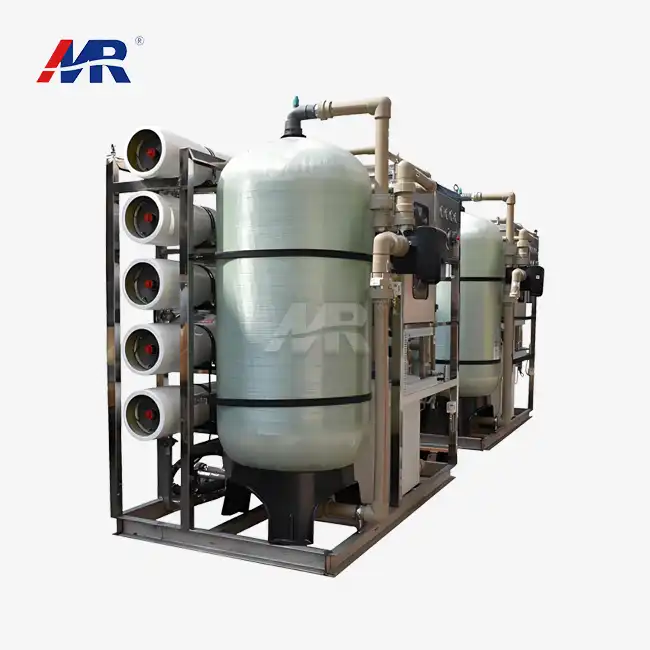
Commercial-grade residential reverse osmosis water purification units are between regular home systems and light commercial uses. They have more space and last longer, making them perfect for big homes or small businesses. These systems usually have two sets of filtration stages and membranes with higher capacities, so they can work for longer amounts of time between repair visits.
Buying Guide: How to Choose the Right RO Water Purification Unit?
When buying a residential RO system, you need to carefully think about the technical needs, practical limitations, and long-term upkeep issues. The selection process starts with a full study of the water quality to find specific contaminants that need to be removed and set baseline conditions for measuring how well the system works.
Technical Assessment Requirements
Tests for water quality show important details about the source water, like the amount of total dissolved solids (TDS), the pH level, and the quantities of certain contaminants. In order for systems made for high-TDS uses to work well, the membranes need to be stronger, and they may need to go through more pre-treatment steps.
How much water a household uses affects how much capacity the system needs. Depending on the size of the family and how they usually use water, the average household uses 10 to 50 gallons of water every day. During times of high demand, like morning and evening, there needs to be enough storage space to keep water available without reducing the system's efficiency through too many cycles.
When planning an installation environment, you should think about how much room you have, the temperature ranges around you, and how easy it is to do regular upkeep. If you install a filter under the sink, you need to make sure there is at least some space around it. If you put it in the basement or utility room, you may have more options for bigger systems.
Manufacturer and Supplier Evaluation
Certification compliance is an important way to make sure that a product is of good quality and can do its job. NSF International standards, especially NSF/ANSI 58 for residential reverse osmosis units, set out strict testing procedures that make sure that promises of reducing contaminants are true and that the structure meets the standards for structural stability.
Supplier dependability includes more than just the quality of the original product. It also includes ongoing support services, the ability to get replacement parts, and the ability to offer expert help. Manufacturers that have been around for a while usually have large marketing networks that make it easy to get replacement parts and professional service.
Quality management systems, like ISO 9001 approval, show organised ways to make sure that products are of the highest quality and that they are always getting better. Having these licenses gives purchasing teams faith that the products will be consistent and that the suppliers will follow quality standards.
Maintenance Tips and Operational Best Practices for RO Units
For a RO system, specifically a reverse osmosis water purification unit, to work at its best, it needs to be properly maintained so that the membrane stays intact and the water quality output stays uniform. Systematic repair plans keep parts from breaking down too soon and keep the system running at its best throughout its entire operational lifecycle.
Scheduled Maintenance Protocols
Filter change times depend on the quality of the source water and how often the system is used. Sediment pre-filters usually need to be replaced every 3 to 6 months. RO membranes can work well for 2 to 5 years under normal conditions, while carbon pre-filters usually keep working for 6 to 12 months.
Sanitisation methods for the system, done once a year or after long periods of shutdown, stop bacteria from growing and keep the water route clean. Professional sanitisation services make sure that the right chemicals are used and that the system is flushed well to get rid of the chemicals before normal operations can begin again.
Monitoring performance through regular TDS tests lets you know early on when membrane performance is slipping, so you can do maintenance before the water quality gets much worse. Handheld TDS meters make testing easy, and results above the manufacturer's recommendations could mean that the membrane needs to be replaced.
Efficiency Optimisation Strategies
Optimising the water pressure makes sure that the membrane has enough moving force without going overboard, which could damage system parts. By measuring the difference in pressure, pressure gauges placed at key places in the system can keep an eye on the pre-filter's load and the state of the membrane.
Temperature has an effect on how well a system works, and the best conditions are between 40°F and 85°F. When the water is cold, production rates slow down, and when the temperature is high, membrane breakdown may speed up. For constant performance, environmental controls are important.
Cleaning and turning over the water in a storage tank on a regular basis stops germs from growing and keeps the water fresh. Checking the bottom of the tank makes sure that the system cycles properly and finds possible sources of contamination before they affect the quality of the water.
Conclusion
When choosing and setting up reverse osmosis water purification units for home use, it's important to find a balance between technical performance needs and useful operating concerns. Nowadays, RO systems are very good at getting rid of contaminants and are cheaper options than buying bottled water. For procurement to go well, system specs, maker credentials, and long-term upkeep needs must all be carefully looked over. Investing in good RO technology will keep the water clean for a long time, which helps with both health goals and environmental development goals by cutting down on energy use and plastic trash.
FAQ
1. How often should I replace RO system filters?
When to change filters depends on the quality of the water and how it is used. Most sediment pre-filters need to be replaced every three to six months, carbon filters every six to twelve months, and RO membranes every two to five years. Regular TDS testing helps figure out the best time to change something based on how it works, not on a plan.
2. What contaminants do reverse osmosis systems remove effectively?
Heavy metals, chemicals, salts, germs, and viruses are just some of the things that RO systems can get rid of. Lead, arsenic, fluoride, nitrates, and drug traces are some of the things that the technology works best on. But for some volatile organic molecules to be completely removed, you may need to use more carbon filtering.
3. What is the expected lifespan of a residential RO system?
With regular upkeep, a good home RO system should work well for 10 to 15 years. How long a system lasts depends on the quality of the water that comes from the source, how it is used, and how often it is maintained. Replacement of parts on a regular basis and cleaning of the system once a year extend its useful life and keep water quality standards high.
4. How much water waste do RO systems produce?
Depending on the quality of the source water and how the system is built, modern RO systems usually make 1 to 4 gallons of wastewater for every gallon of clean water. High-efficiency models have technology that reduces wastewater and raises ratios to 1:1 or better. This has a big impact on the environment while keeping the effectiveness of cleaning.
Partner with Morui for Superior Water Purification Solutions
Guangdong Morui Environmental Technology is ready to offer complete solutions for water purification units that can be used in both homes and businesses. We are a reliable water purification unit provider for a wide range of project needs because we have a lot of experience with treating industrial wastewater, desalinating seawater, and making drinking water. Morui offers complete solutions, from designing equipment to installing it and starting it up. They have more than 500 skilled workers, 20 expert engineers, and their own membrane production plants. For more information on custom reverse osmosis systems that meet your water quality goals and operating needs, please email our expert team at benson@guangdongmorui.com.
References
1. Water Quality Association. "Reverse Osmosis Drinking Water Treatment Systems Performance Standards." WQA Technical Bulletin, 2024.
2. National Science Foundation International. "NSF/ANSI 58-2022: Reverse Osmosis Drinking Water Treatment Systems Certification Requirements." NSF Standards Development, 2022.
3. Environmental Protection Agency. "Point-of-Use and Point-of-Entry Water Treatment Systems: A Compendium of Performance Information." EPA Office of Water, 2023.
4. American Water Works Association. "Residential Reverse Osmosis Systems: Design, Operation and Maintenance Guidelines." AWWA Technical Manual M53, 2024.
5. International Desalination Association. "Membrane Technology Advances in Residential Water Treatment Applications." IDA Technical Review, 2023.
6. World Health Organization. "Guidelines for Drinking Water Quality: Membrane Filtration Technologies." WHO Technical Report Series, 2024.