_1745823981883.webp)

What Makes a Reverse Osmosis Wastewater Treatment System Efficient?
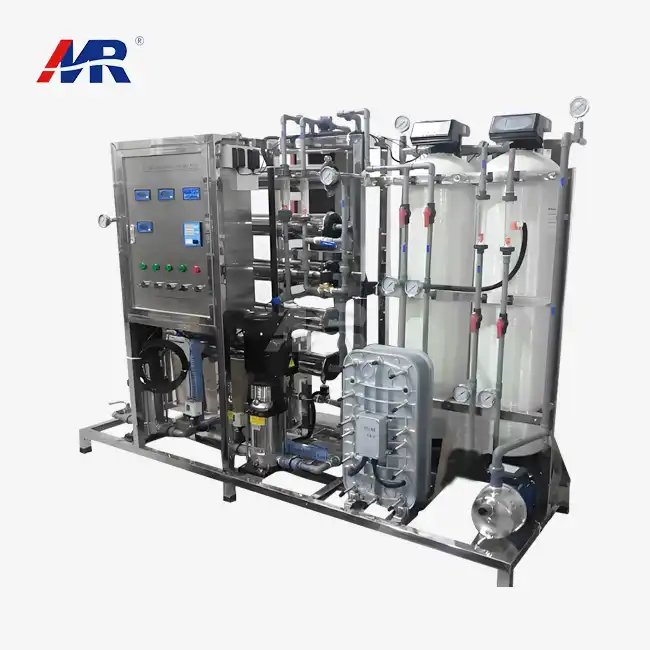
A reverse osmosis wastewater treatment system works best when a few key factors work together to get rid of as many contaminants as possible while keeping costs as low as possible. Advanced membrane technology, the right pretreatment procedures, an energy-efficient design, and automatic tracking systems are some of the most important factors that decide success as a whole. When these parts work together perfectly, RO systems can do amazing things, like getting rid of up to 99% of dissolved solids and contaminants in different types of wastewater. When these technologies are combined with strong upkeep methods, they make a cleaning system that not only meets strict government standards but also gives great returns on investment for industrial uses.
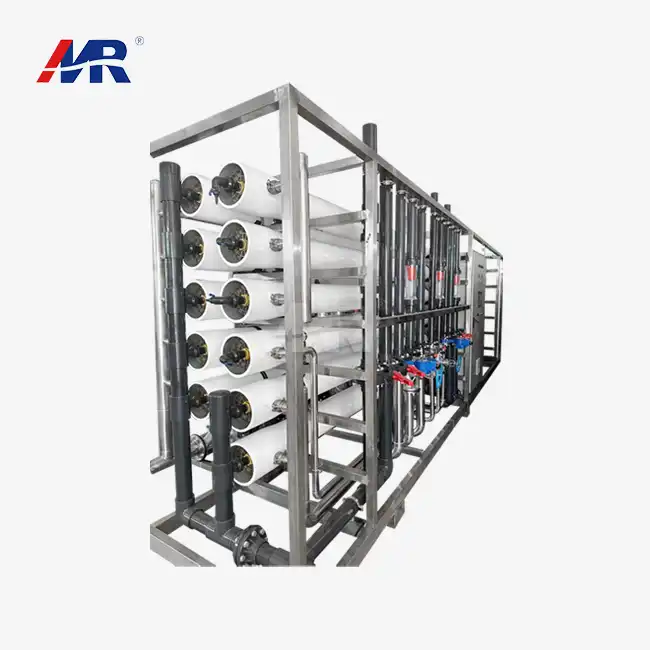
Understanding the Reverse Osmosis Wastewater Treatment Process
The method of treating wastewater by reverse osmosis is very complex. It uses semi-permeable filters to remove toxins from water at the molecular level. One of the best ways to get rid of dissolving solids, heavy metals, and organic chemicals from industrial wastewater is to use this technique. In the beginning of the process, feedwater is pushed through specially made barriers that only let water molecules through but not bigger toxins.
Multi-Stage Treatment Architecture
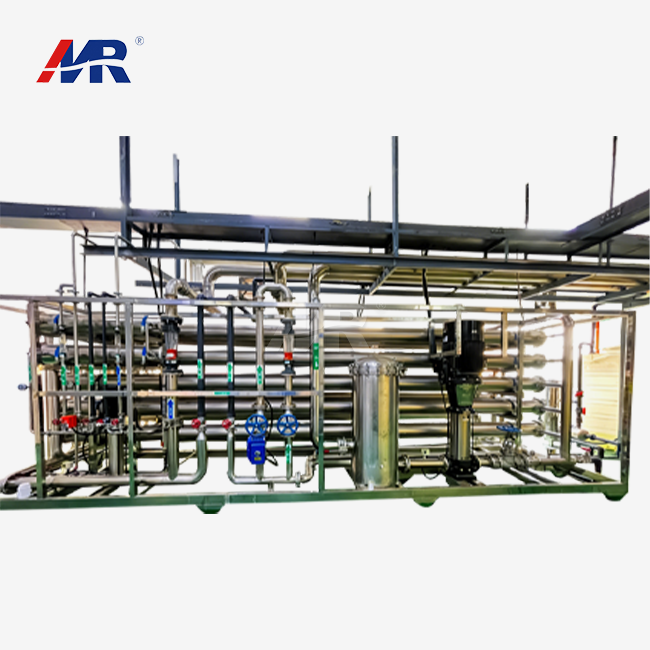
Modern RO systems have more than one cleaning stage to make them more effective and to make the membrane last longer. In the first step of treatment, screening and grit removal are done to get rid of big bits that could hurt parts further down the line. This step is especially important when handling industrial wastewater that has trash or solids floating in it. After primary treatment, sedimentation processes remove materials that can settle and lower the total amount of contaminants that enter the membrane system.
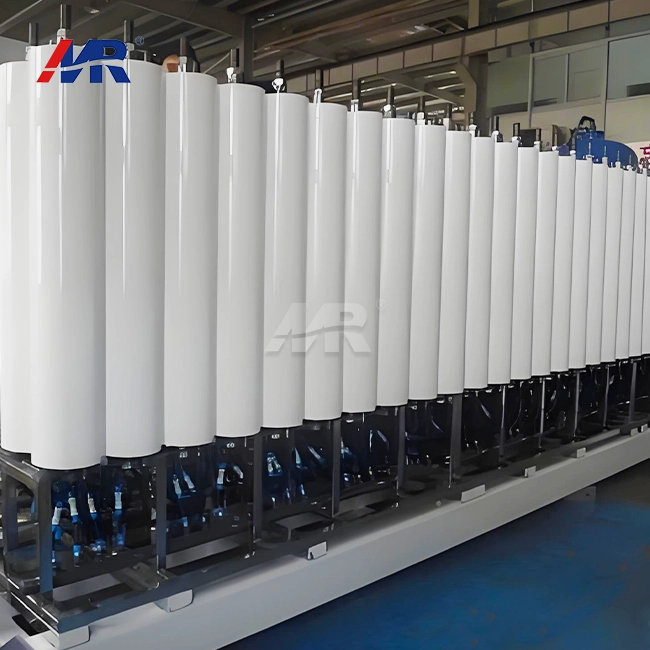
Biological processes are used in the secondary treatment phase to break down organic waste. This lowers biochemical oxygen demand (BOD) and chemical oxygen demand (COD) levels by a large amount. Membrane bioreactor (MBR) technology is used in more advanced systems to treat water biologically and ultrafiltration to make the water better. With this mix method, treatment plants can deal with complicated wastewater makeup while keeping the quality of their output stable.
Membrane Selection and Performance Optimization
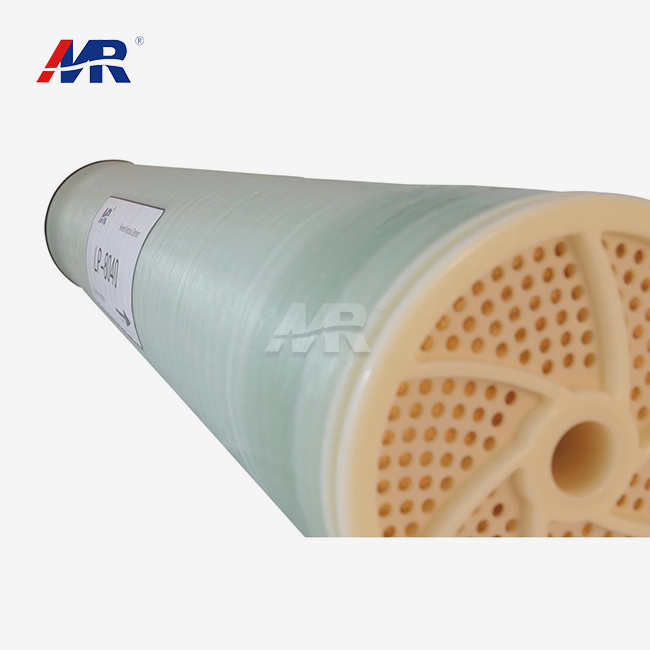
Choosing the right covering materials has a direct effect on how well the system works and how long it lasts. Polyamide thin-film composite membranes are used a lot in industry because they are very good at keeping salt out and are resistant to chemicals. However, customized membrane formulas may be needed for certain industry uses where ultrapure water standards must be met, like in the pharmaceutical or electronics-making business.
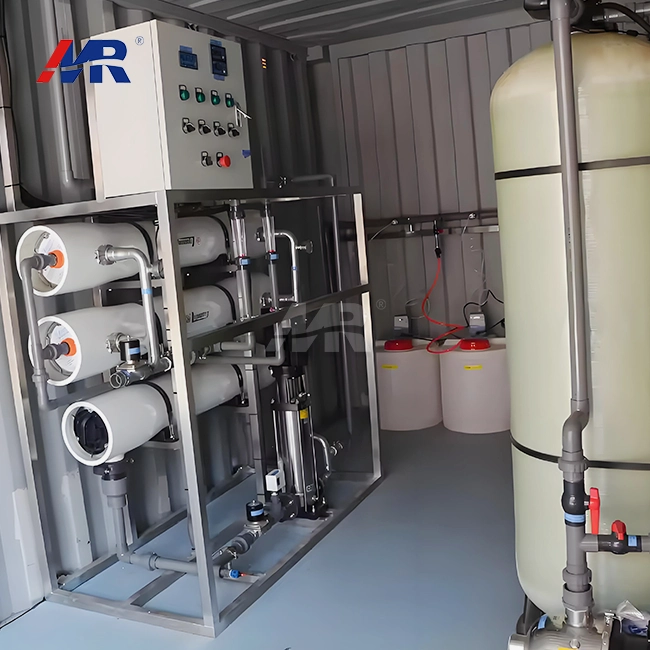
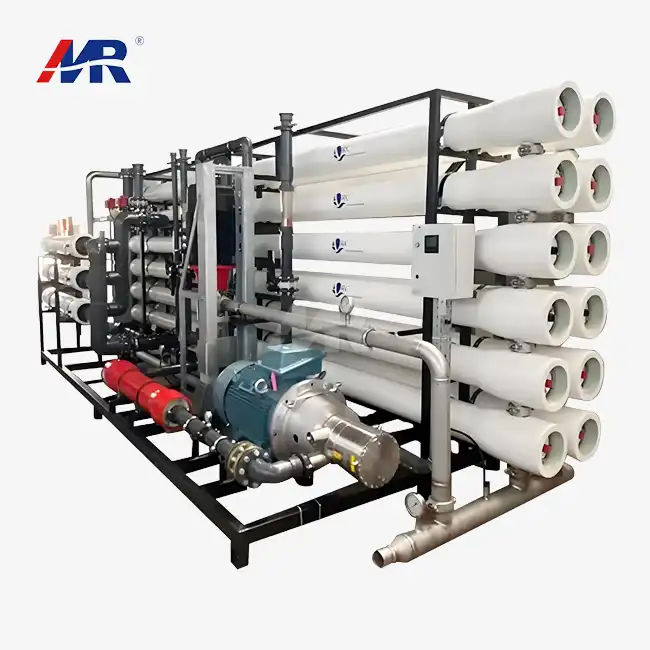
When designing an RO system, energy usage is an important practical factor to think about. Modern systems have energy recovery devices that take pressure from the concentrate stream and use it to power other parts of the system. This can cut power needs by up to 40%. Variable frequency drives and high-efficiency pump systems make even better use of energy, so as little as 0.3 to 0.5 kWh per cubic meter of cleaned water is used.
Common Challenges and Problem-Solving in RO Wastewater Systems
There are some problems that industrial reverse osmosis wastewater treatment systems can have that can really hurt their performance if they are not taken care of properly. It's most often membrane fouling, which is brought on by too much organic matter, bacteria, and salts that have solidified. Workers can use focused security methods that keep the system running at its best if they know how this damage happens.
Membrane Fouling Prevention and Management
Organic clogging happens when dissolved organic molecules build up on membrane surfaces, blocking the flow of water and making the system use more energy. Organic fouling is a problem for industries that deal with food waste, medicine effluents, or industrial wastes. Using good pretreatment methods, like activated carbon filtration and coagulation-flocculation processes, lowers the amount of organic material that gets on ro membranes by a large amount.
When handling wastewater that has a lot of calcium, magnesium, or silica substances, scaling is another very important problem. Because RO systems are under a lot of pressure, these minerals settle to the bottom and form hard layers that damage membrane surfaces forever. Anti-scalant chemical dosing systems and careful pH control help stop scale from forming. Regular cleaning schedules get rid of deposits before they do any lasting harm.
Monitoring and Maintenance Protocols
For RO operations to go well, they need full tracking tools that keep an eye on key performance factors all the time. Differential pressure across membrane elements, the rate of permeate flow, and the percentage of salt rejection are all early warning signs that performance is going down. Automated tracking systems that can be accessed from afar let workers find problems right away and fix them before they cause big drops in efficiency.
Preventive repair plans that are based on how the system actually works instead of random time intervals extend the membrane's life while causing the fewest problems with operations. Chemical cleaning procedures designed for specific types of fouling improve membrane performance and make it possible for them to last longer between service calls. Case studies from pharmaceutical factories show that regular care methods can make membranes last longer than the manufacturer's instructions while still following the rules.
Comparing Reverse Osmosis with Alternative Wastewater Technologies
There are several ways to clean up pollution from companies, but reverse osmosis is certainly the best. People can choose the technology that meets their wants and works with their limits better when they know these differences.
Performance Comparison Across Treatment Methods
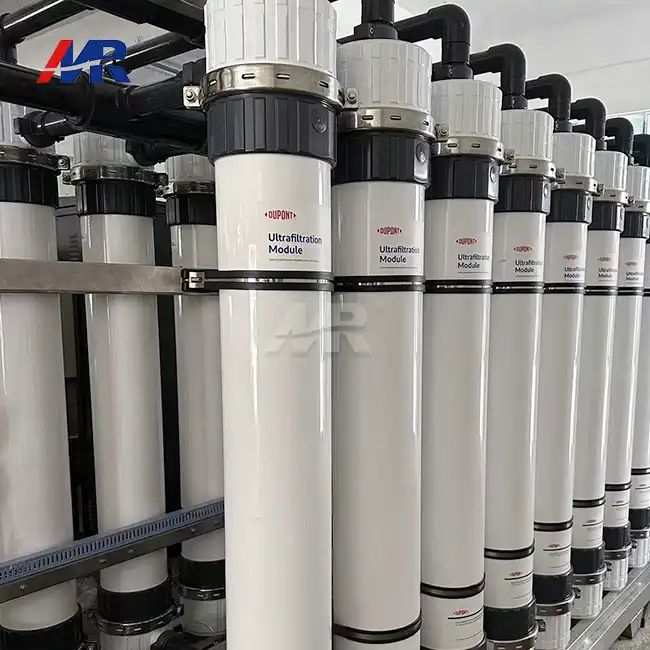
It's easy for ultrafiltration systems to get rid of germs, moving objects, and chemicals with a high molecular weight. However, they aren't very good at getting rid of dissolved salts or contaminants with a low molecular weight. So, UF can't be used by itself to make very clean water for jobs that need to be done. Ultrafiltration, on the other hand, is a great way to get water ready for ROs. It makes the system easier to use and keeps screens from getting stuck.
It's kind of like ultrafiltration and reverse osmosis mixed together. It only gets rid of divalent ions and lets monovalent salts pass through. Because of this choice, nanofiltration can smooth water better, but it is not as good at getting rid of all contaminants. In the case of getting rid of all salt, standard RO technology works better in fields like making electronics or drugs.
Biological systems and chemical precipitation are two examples of old ways of treating water that are good at getting rid of some contaminants but not all of them, which is what current commercial uses need. Most of the time, these old-fashioned ways need more than one step to clean and a lot of chemicals, which adds to the mess and makes the process harder.
Economic and Environmental Considerations
A cost study shows that RO systems cost more up front, but the quality of the water they make and how well they work often make up for it. The most expensive thing about running a business is the energy it needs. However, systems that restore energy have low running costs compared to other technologies. Every three to five years, the membrane needs to be replaced. This is a regular cost that can be planned for in a budget.
Studies that look at how things affect the environment show that RO technology cleans with a lot less chemical waste than other methods. Even though the concentrated waste stream needs to be thrown away or handled more, it still doesn't hurt the environment as much as biological or chemical precipitation systems. 75 to 85% of the water that goes through modern RO systems is returned to the ground. This makes the best use of resources and cuts down on waste.
Key Factors that Enhance RO Wastewater Treatment System Efficiency
The decisions that were made when reverse osmosis wastewater treatment systems were built determine how well they work and how long they last. Builders and engineers can make reverse osmosis wastewater treatment cleaning systems work better for certain tasks and goals if they know about these design features.
System Architecture and Configuration
When hospitals need to change the way they treat patients or add on in the future, modular system designs give them a lot of freedom. By adding or removing membrane modules, these designs let managers change the treatment capacity without making major changes to the infrastructure. This scalability is especially helpful for manufacturing facilities whose production changes with the seasons because it lets them match treatment capacity with real wastewater generation rates.
For big industrial buildings or city uses, centralized cleaning methods offer savings of scale. These systems lower the cost of treatment per unit by making better use of tools and cutting down on running costs. Centralized systems, on the other hand, need large distribution networks and might not be flexible enough for different types of wastewater with different properties.
Advanced Technology Integration
Optimizing the pretreatment system has a big effect on how well RO works generally and how much it costs to run. Getting rid of dissolved solids, organic matter, and scale chemicals effectively saves expensive RO membranes and makes sure they always work well. Our treatment systems have many pretreatment steps, such as screening, sedimentation, and biological treatment. For BOD, COD, and total suspended solids, these steps remove up to 99% of them.
Automation and tracking technologies have changed modern RO operations from ones that require a lot of manual work to ones that are highly efficient and run by computers. Monitoring important factors in real time lets you react right away to changing conditions, which keeps membranes from getting damaged and makes the best use of energy. Expert techs can keep an eye on multiple projects at the same time thanks to remote tracking. This lowers running costs while keeping performance standards high.
Energy recovery systems use the hydraulic energy in the high-pressure concentrate stream to make a lot less electricity. Up to 95% of the pressure energy can be recovered by these devices. This can save a lot of money on operations for big sites. Modern RO systems use as little as 0.3 kWh of energy per cubic meter of cleaned water when they use variable frequency drive systems and high-efficiency pumps together.
Procurement Guide: Choosing and Purchasing an Efficient RO Wastewater Treatment System
Selecting the optimal reverse osmosis system requires careful evaluation of technical requirements, supplier capabilities, and long-term operational considerations. Success depends on partnering with experienced manufacturers who understand industrial wastewater challenges and can provide comprehensive solutions.
Supplier Evaluation and Selection Criteria
Manufacturer expertise in specific industry applications greatly influences system performance and operational success. Companies with extensive experience in pharmaceutical, food processing, or electronics manufacturing understand the unique challenges and regulatory requirements facing these industries. This specialized knowledge translates into more effective system designs and better long-term support.
Product certification and compliance with industry standards ensure that purchased systems meet regulatory requirements and performance expectations. Look for suppliers offering equipment certified to relevant standards such as NSF, FDA, or ASME codes. These Certifications provide assurance that systems will perform as specified and meet stringent quality requirements.
Service capabilities and support infrastructure directly impact long-term operational success. Evaluate potential suppliers based on their ability to provide timely Technical support, replacement parts availability, and maintenance services. Companies with local service centers and certified technicians can respond quickly to operational issues, minimizing downtime and production losses.
Technical Specifications and Performance Requirements
Treatment capacity requirements must align with both current and projected wastewater generation rates. Our systems offer treatment capacities ranging from 50 to 10,000 cubic meters per day, accommodating everything from small manufacturing facilities to large industrial complexes. Modular designs enable capacity expansion as business needs grow, protecting initial equipment investments.
Water quality specifications drive membrane selection and system design parameters. Applications requiring ultrapure water, such as semiconductor manufacturing or pharmaceutical production, demand specialized membrane materials and additional polishing steps. Understanding these requirements during the initial design phase prevents costly modifications and ensures regulatory compliance.
Automation levels vary significantly among available reverse osmosis wastewater treatment systems, from basic manual operation to fully automated installations with remote monitoring capabilities. Fully automated reverse osmosis wastewater treatment systems reduce labor requirements while improving operational consistency but require higher initial investment. Evaluate automation options for reverse osmosis wastewater treatment based on available technical staff and operational complexity requirements.
Conclusion
Efficient reverse osmosis wastewater treatment systems combine advanced membrane technology, optimized system design, and comprehensive operational support to deliver exceptional performance across diverse industrial applications. The integration of proper pretreatment, energy recovery systems, and automated monitoring creates treatment solutions that achieve superior water quality while minimizing operational costs. Understanding the factors that influence system efficiency enables facility managers and engineers to make informed decisions that optimize both short-term performance and long-term operational success. As environmental regulations become increasingly stringent and water resources grow more precious, investing in efficient RO technology represents both environmental responsibility and sound business strategy.
FAQ
1. What maintenance requirements are essential for maintaining RO system efficiency?
Regular maintenance protocols form the foundation of efficient RO operation. Chemical cleaning schedules based on differential pressure monitoring prevent irreversible membrane fouling. Replacement of pretreatment filters, monitoring of chemical dosing systems, and periodic membrane inspection ensure optimal performance. Automated monitoring systems provide real-time performance data, enabling predictive maintenance that minimizes unplanned downtime.
2. How does reverse osmosis compare to ultrafiltration for industrial wastewater treatment?
Reverse osmosis provides superior contaminant removal compared to ultrafiltration, achieving up to 99% rejection of dissolved salts and small organic molecules. Ultrafiltration effectively removes suspended solids and bacteria but cannot eliminate dissolved contaminants. For applications requiring comprehensive purification, RO technology offers unmatched performance, though UF serves as excellent pretreatment for RO systems.
3. What factors influence energy consumption in RO wastewater treatment systems?
Energy consumption depends on feedwater pressure requirements, recovery rates, and system design efficiency. High-salinity wastewater requires increased pressure, raising energy demands. Energy recovery devices, variable frequency drives, and optimized pump systems significantly reduce power consumption. Modern systems achieve energy usage rates of 0.3-0.5 kWh per cubic meter through advanced design and energy recovery technologies.
4. How do I determine the appropriate system size for my facility?
System sizing requires analysis of current wastewater generation rates, peak flow conditions, and future capacity requirements. Consider seasonal variations, production schedules, and planned facility expansions. Our engineering team conducts comprehensive facility assessments to recommend optimal system configurations that balance current needs with future growth potential.
5. What industries benefit most from RO wastewater treatment technology?
Industries requiring high-purity water or facing stringent discharge regulations benefit significantly from RO technology. Pharmaceutical and biotechnology facilities need RO systems for GMP-compliant water production. Electronics and semiconductor manufacturers require ultrapure water for precision cleaning processes. Food and beverage industries use RO for product quality and process water treatment. Municipal utilities implement RO for advanced wastewater treatment and water reuse applications.
Partner with Morui for Advanced Reverse Osmosis Wastewater Treatment Solutions
Ready to transform your wastewater management with cutting-edge reverse osmosis technology? Morui Environmental Technology brings over 14 years of expertise in industrial water treatment, supported by 20 specialized engineers and comprehensive manufacturing capabilities. Our reverse osmosis wastewater treatment systems deliver exceptional performance across pharmaceutical, food processing, electronics, and municipal applications. Contact Our Team at benson@guangdongmorui.com to discuss your specific requirements and discover how our proven solutions can optimize your operations while ensuring regulatory compliance.
References
1. Membrane Technology Research Inc. (2023). "Industrial Reverse Osmosis Market Analysis and Performance Benchmarks." Water Treatment Industry Report, Volume 15, Pages 45-72.
2. American Water Works Association. (2022). "Energy Efficiency in Reverse Osmosis Systems: Best Practices and Emerging Technologies." Journal of Water Treatment Engineering, Volume 28, Issue 3, Pages 156-184.
3. International Water Association. (2023). "Membrane Fouling Prevention Strategies in Industrial Wastewater Treatment." Water Science and Technology Quarterly, Volume 67, Pages 234-251.
4. Environmental Protection Agency Industrial Guidelines. (2022). "Reverse Osmosis Technology Assessment for Industrial Wastewater Treatment." Federal Water Quality Standards Publication, Document EPA-823-R-22-003.
5. Water Environment Federation. (2023). "Comparative Analysis of Advanced Wastewater Treatment Technologies." Industrial Water Treatment Handbook, 8th Edition, Chapter 12, Pages 298-325.
6. National Institute of Standards and Technology. (2022). "Performance Standards for Industrial Membrane Systems." Technical Publication NIST SP 800-143, Water Treatment Systems Guidelines, Pages 89-116.