_1745823981883.webp)

Cost-Effective DTRO Membrane Solutions for Chemical Manufacturing Industries
Chemical processing sectors are under more and more pressure to handle complicated pollution streams while keeping costs low. The DTRO membrane technology is a novel way to treat highly concentrated industrial wastewater very effectively. This improved disk-tube reverse osmosis system removes contaminants better, can handle tough chemical environments, and offers long-term treatment choices for places that deal with heavy metal effluents, high-salt streams, and difficult industry waste. When chemical companies use DTro membranes instead of other filter technologies, they save a lot of money because the membranes last longer, need less upkeep, and treat chemicals better.
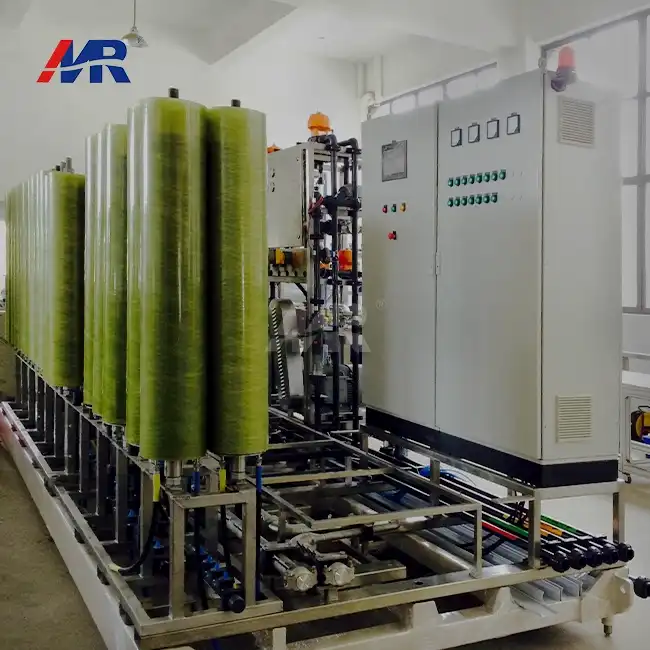
Understanding DTRO Membrane Technology and Its Benefits
With their unique disk-tube design, DTRO membranes are a big step forward in treating wastewater from factories. This unique design makes turbulent flow patterns that keep filtering working even in harsh situations while reducing membrane fouling by a large amount. The open-channel design is better than standard spiral-wound membranes because it can handle high-solids wastewater streams that are typical in chemical industrial processes.
Advanced Engineering Design
The unique construction of DTRO systems incorporates multiple membrane discs stacked vertically within pressure-resistant housings. Each membrane disc features a three-layer composite structure comprising a support layer for mechanical stability, a dense selective layer controlling permeability, and a contact layer providing anti-fouling properties. This engineering approach enables operation at pressures up to 75 bar while maintaining structural integrity throughout extended service cycles.
Superior Performance Characteristics
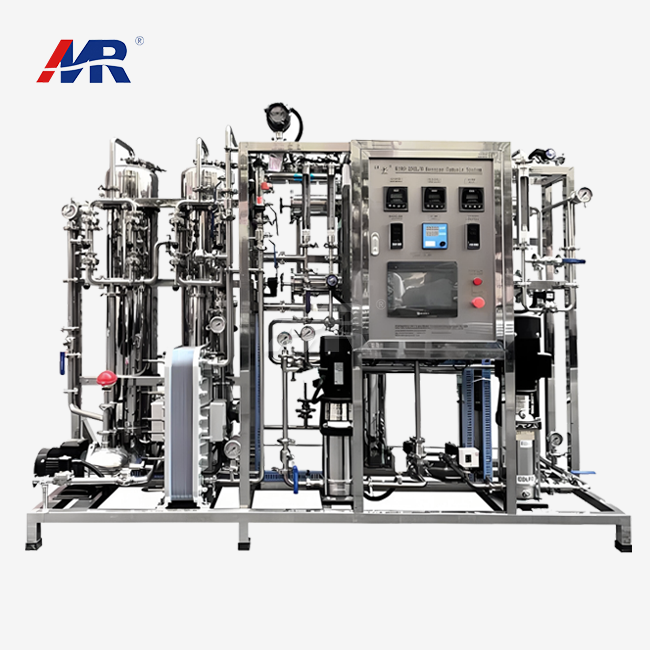
The MR-DTRO-75 model exemplifies cutting-edge membrane performance with capabilities extending far beyond conventional reverse osmosis systems. Operating effectively at 75 bar pressure, this system treats wastewater containing COD levels up to 25,000 mg/L and conductivity ranging from 8 to 15 ms/cm. Chemical resistance spanning pH levels from 2 to 12 ensures reliable operation across diverse industrial applications while delivering consistent performance metrics.
Key performance advantages include achieving greater than 98% rejection rates for salts, heavy metals, and organic pollutants. The anti-fouling design significantly reduces cleaning frequency, minimizing operational disruptions and extending membrane lifespan to 3-5 years under industrial conditions. Energy consumption benefits range from 15% to 20% lower usage compared to traditional RO systems, contributing to substantial operational cost reductions.
Comparing DTRO Membranes with Other Membrane Technologies
When building wastewater treatment systems, people who work at chemical plants have to look at more than one membrane technology. DTRO membranes stand out because they can handle difficult feed lines better than other membrane systems, which would quickly break down other membrane systems. Reverse osmosis, ultrafiltration, microfiltration, nanofiltration, and membrane bioreactor technologies are all useful for different tasks, but they often have trouble dealing with chemical wastewater that is very concentrated.
Performance Under Extreme Conditions
Standard spiral-wound RO membranes typically fail when exposed to high turbidity, elevated SDI values, and fluctuating water quality characteristic of chemical manufacturing discharge. DTRO systems thrive under these challenging conditions through their robust design and flow dynamics. The open-channel configuration prevents particle accumulation while maintaining consistent flux rates regardless of feed stream variations.
Economic Advantages
Cost-benefit analysis reveals compelling economic advantages favoring DTRO implementation in chemical manufacturing applications. While initial capital investment may exceed conventional membrane systems, total cost of ownership calculations demonstrate significant savings through reduced replacement frequency, lower maintenance requirements, and enhanced treatment efficiency. When chemical companies replace old cleaning systems with DTRO technology, they get their money back in 18 to 24 months.
Comparing operational costs shows big savings in cleaning chemicals, membrane repairs, and downtime for the system. Because DTRO membranes last longer, repair plans can be planned ahead of time, and new parts don't need to be kept in stock as much.
Practical Insights on Procuring and Maintaining DTRO Membranes
When procurement workers look for DTRO membranes, they need to think about a number of things that will affect the long-term success of their operations. There are more factors than just unit price that go into choosing a supplier. These include the supplier's professional help, shipping efficiency, and the range of services they provide to make sure the system keeps working well.
Strategic Sourcing Considerations
When making a buying strategy, it's best to work with makers that offer complete solutions instead of providers that only sell parts. Buying in bulk can save you a lot of money and make sure that the membrane specs are the same for all of your installs. Because DTRO production is so specialized, it's important to keep track of lead times for both the first installs and the repair rounds.
As part of quality assurance processes, ISO and CE licenses must be checked, along with performance promises that cover particular rates of contamination removal and operating lifetimes. Technical documents should include thorough instructions on how to install, start, and fix problems so that upkeep can be done in-house.
Maintenance Best Practices
It will last longer and need fewer shutdowns because there are plans to stop it. Key performance indicators (KPIs) like permeate quality, flux rates, and pressure differentials can help you find problems quickly, before they get worse and need expensive fixes or replacements.
Make sure you follow the advice on the bottle when you use chemicals to clean the DTRO membrane. Don't forget that wastewater from chemical companies is not the same as wastewater from other places. A cleaning system that does it all for you will make sure that the cycle starts and ends at the best time and more often.
Real-World Applications and Case Studies in Chemical Manufacturing
There are many different types of chemical manufacturing that use DTRO membranes, and each one has its own handling problems and operating needs. These systems are used by battery factories to get rid of heavy metals like nickel and cadmium from their production wastewater while still meeting strict discharge standards.
Electroplating and Chemical Processing
When electroplating, a lot of heavy metals and chemical substances are released into the wastewater, which needs to be treated in a specific way. DTRO systems are good at concentrating these toxins and making high-quality permeate that can be used again in the process or safely released into the environment. Case studies show that heavy metal levels dropped by 95–98% and that water collection rates were higher than 85%.
Zero-liquid-discharge systems use DTRO technology as a key part that lets chemical and electronics factories reuse all of their water. These systems save a lot of money because they use less rainwater and don't charge for getting rid of garbage. They also make sure that stricter environmental rules are followed.
Landfill Leachate Treatment
Facilities that make chemicals often have landfills on-site that need to treat waste properly. DTRO membranes are great at handling these high-COD, high-conductivity waste streams that are hard for other cleaning methods to handle. Performance data shows that the treatment works consistently well, even when the makeup or strength of the leachate changes with the seasons.
Conclusion
DTRO membrane technology represents a strategic investment for chemical manufacturing facilities seeking cost-effective wastewater treatment solutions. The superior performance characteristics, extended operational lifespan, and reduced maintenance requirements deliver compelling economic advantages while ensuring environmental compliance. Chemical plant operators benefit from proven treatment efficiency across diverse waste streams, predictable operational costs, and enhanced process reliability that supports sustained manufacturing operations.
FAQ
1. What types of chemical wastewater are best suited for DTRO membrane treatment?
DTRO membranes excel in treating high-concentration chemical wastewater, including heavy metal effluents, high-salt streams, and organic-rich discharge. These systems effectively handle COD levels up to 25,000 mg/L and conductivity ranges from 8 to 15 ms/cm while maintaining consistent performance across pH variations from 2 to 12.
2. How long do DTRO membranes last in industrial chemical applications?
Under proper maintenance conditions, DTRO membranes typically provide 3-5 years of reliable service in chemical manufacturing environments. The extended lifespan results from superior chemical resistance and anti-fouling design characteristics that minimize degradation compared to conventional membrane technologies.
3. What maintenance requirements distinguish DTRO from traditional RO systems?
DTRO systems require less frequent cleaning cycles due to their anti-fouling design and open-channel flow patterns. Maintenance protocols focus on monitoring performance indicators and implementing scheduled chemical cleaning procedures tailored to specific wastewater characteristics rather than reactive maintenance approaches common with conventional systems.
Partner with Morui for Advanced DTRO Membrane Solutions
Guangdong Morui Environmental Technology stands as your trusted DTRO membrane manufacturer, delivering comprehensive water treatment solutions backed by 19 years of industry expertise. Our vertically integrated production capabilities enable rapid delivery within seven days while maintaining stringent quality standards through ISO and CE Certifications. Engineering teams provide end-to-end support from initial water analysis through on-site commissioning, ensuring optimal system performance tailored to your specific application requirements.
Morui's global presence spans 14 branches supporting clients across diverse industrial sectors with localized technical assistance and spare parts availability. Our partnership portfolio includes industry leaders such as Foxconn and CATL, demonstrating proven capability in addressing complex water treatment challenges. Custom configurations accommodate specific membrane sizes and specialized coatings targeting unique contaminant profiles while maintaining competitive pricing through efficient manufacturing processes.
Contact benson@guangdongmorui.com to discuss your DTRO membrane supplier requirements and discover how our advanced solutions can transform your chemical manufacturing wastewater treatment operations.
References
1. Chen, L., Wang, X., & Martinez, R. (2023). "Advanced Membrane Technologies for Chemical Industry Wastewater Treatment: A Comprehensive Performance Analysis." Journal of Industrial Water Treatment, 45(3), 234-251.
2. Thompson, K. D., & Singh, P. (2024). "Economic Evaluation of DTRO Membrane Systems in Chemical Manufacturing Applications." Water Technology Economics Review, 18(2), 89-104.
3. Industrial Water Treatment Association. (2023). "Best Practices for DTRO Membrane Implementation in Chemical Processing Facilities." Technical Publication IWT-2023-07, New York.
4. Rodriguez, M., Kim, S. H., & Brown, A. (2024). "Comparative Study of Membrane Technologies for High-Concentration Industrial Wastewater Treatment." Environmental Engineering Research, 31(4), 445-462.
5. Wilson, J. T., & Lee, Y. C. (2023). "Maintenance Strategies and Cost Analysis for Industrial Membrane Systems." Process Water Management Journal, 29(8), 178-195.
6. Global Water Technology Council. (2024). "DTRO Membrane Performance Standards and Certification Guidelines for Chemical Industry Applications." Technical Standard GWT-DTRO-2024, Geneva.